
Understanding the double lens camera price requires an analysis of the underlying hardware complexity, where two distinct optical paths work in tandem to overcome the physical limitations of a single sensor. Whether used for Wide Dynamic Range (WDR), depth perception, or stereoscopic vision, the cost is typically driven by the synchronization of dual sensors and the processing power required to merge dual image streams in real-time.
In the professional imaging and AI vision industry, the shift toward dual-lens systems addresses critical pain points such as backlight interference and limited field of view. For procurement teams, the price variance is often determined by the specific combination of lens apertures, sensor resolutions (such as 5MP+2MP configurations), and the integration of AI-driven image fusion algorithms that ensure a seamless output.
This technical guide provides a comprehensive breakdown of how dual-lens architecture influences pricing, the key specifications that drive value, and a procurement framework to help you select the most cost-effective camera module based on your specific application requirements, from facial recognition to industrial inspection.

1The Architecture of Dual-Lens Camera Systems

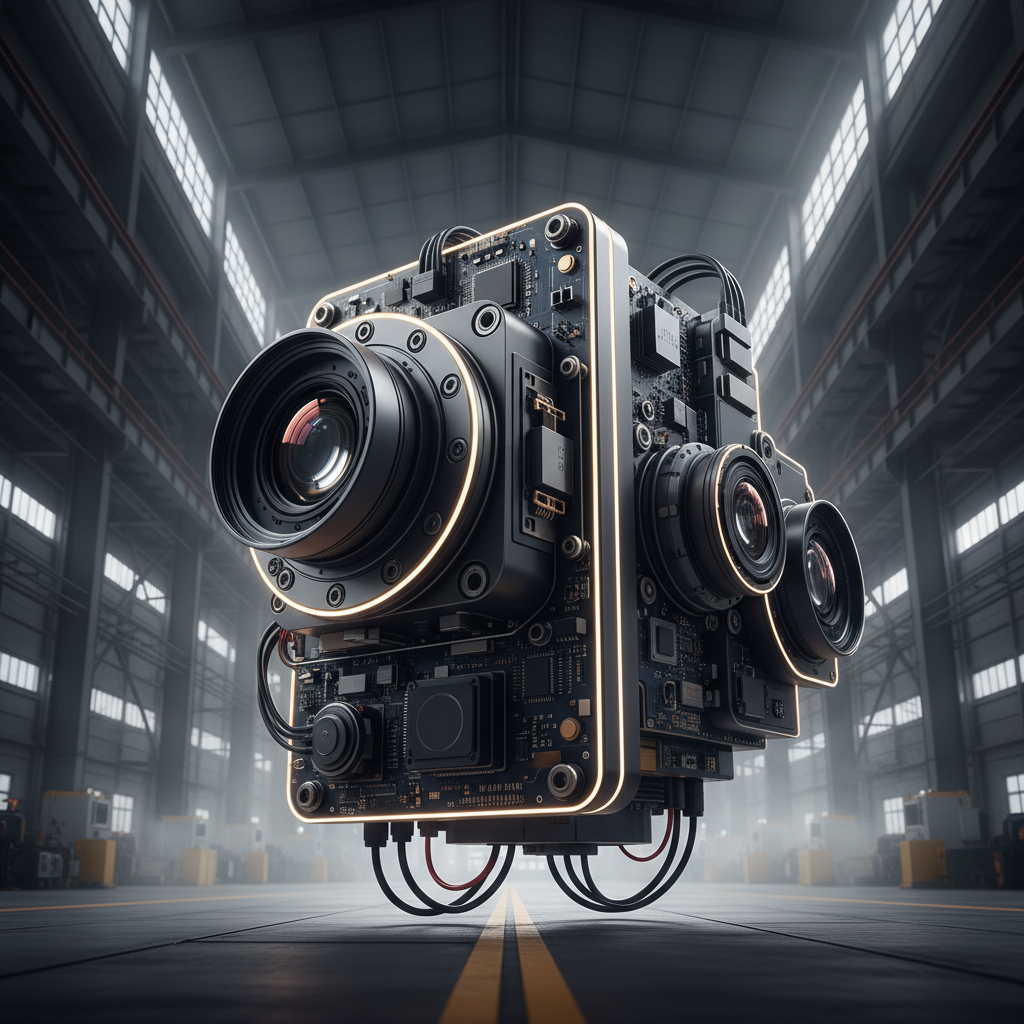
A dual-lens camera system consists of two separate optical lenses paired with corresponding image sensors, which are then processed by a single Image Signal Processor (ISP). Unlike traditional cameras, these systems can be configured as symmetric (identical lenses) or asymmetric (different focal lengths or apertures). This architecture allows the device to capture two different perspectives or exposure levels of the same scene simultaneously.
The primary technical challenge in this architecture is "image registration," where the software must align the pixels from both lenses to create a single, coherent image. This is especially critical in Wide Dynamic Range (WDR) modules, where one lens is exposed for highlights and the other for shadows.
From a manufacturing perspective, the precision required for the physical mounting of dual lenses significantly impacts the final assembly cost. Misalignment by even a fraction of a millimeter can lead to ghosting effects, necessitating higher-grade optical housings and rigorous QC testing.
2Key Factors Influencing the Double Lens Camera Price
The pricing of double lens camera modules is primarily dictated by the sensor specifications and the optical glass quality. For instance, a module combining a 5MP high-resolution sensor with a 2MP wide-angle sensor will have a different cost profile than a fully symmetric 5MP+5MP system. Higher megapixel counts increase the data throughput requirements, necessitating more expensive USB 3.0 interfaces over USB 2.0.
Another major cost driver is the lens material. Plastic lenses are cost-effective for consumer electronics, but glass lenses, which offer superior light transmission and thermal stability, are required for industrial-grade AI cameras. The precision of the lens curvature and coating directly impacts the clarity and the final market price.
Finally, the software integration—such as Windows Hello facial recognition compatibility or AI tracking algorithms—adds a layer of intellectual property cost. Modules that are "plug-and-play" with standard UVC protocols are generally more affordable than those requiring proprietary drivers and complex SDKs.
3Application Scenarios and Value Delivery
Dual-lens systems provide immense value in environments where lighting is unpredictable. In outdoor security or warehouse automation, the ability to handle extreme backlight via a dual-exposure approach ensures that critical details are not lost in the shadows. This makes the investment in a more expensive dual-lens module a logical choice for high-security installations.
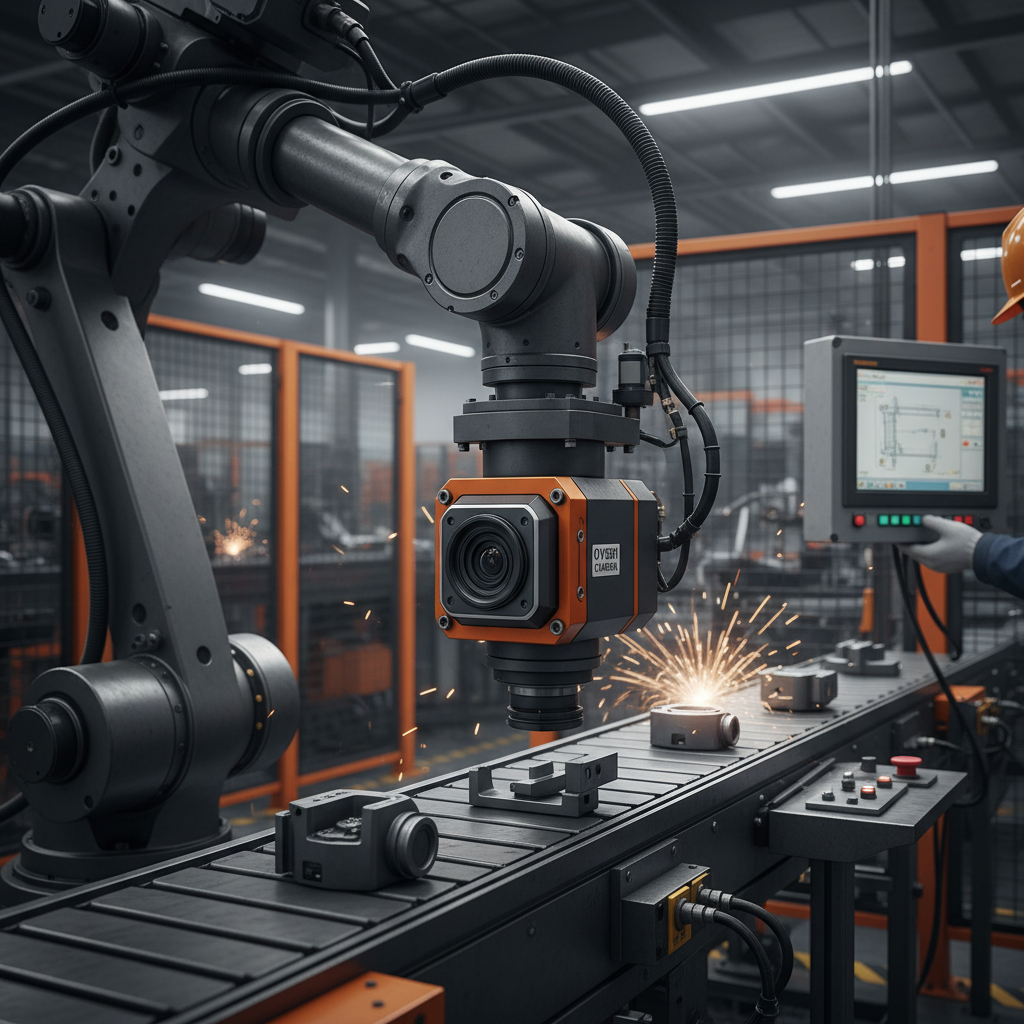
In the realm of AI and robotics, binocular vision is essential for depth perception. By mimicking human eyes, these cameras can calculate the distance to an object, enabling autonomous navigation and precise gesture recognition. The value here is shifted from simple image capture to spatial intelligence.
For corporate environments, binocular USB cameras are increasingly used for secure authentication. Systems like Windows Hello utilize dual lenses to create a 3D map of the face, preventing spoofing attacks with photographs, which provides a security level that single-lens cameras cannot achieve.
4Performance Metrics: Dual vs. Single Lens
When evaluating the performance of a dual-lens system, the most critical metric is the Dynamic Range improvement. A single lens often struggles with "clipping" in bright areas; however, a dual-lens setup can combine a short-exposure image with a long-exposure image to recover details across the entire luminosity spectrum.
Additionally, the field of view (FOV) can be optimized. By using one wide-angle lens and one telephoto lens, the system can provide both situational awareness and detailed close-ups without the distortion typically associated with extreme wide-angle lenses.
double lens camera price Performance Metrics
While the hardware cost is higher, the operational efficiency increases. For instance, in AI tracking applications, the dual-lens setup reduces the computational load on the host CPU by providing more accurate initial depth data, leading to faster processing times and lower overall system latency.
5Procurement Guide for Industrial Camera Modules
Procuring the right dual-lens module requires a balance between technical requirements and budget. The first step is defining the purpose: is the goal high-contrast imaging (WDR) or spatial awareness (3D/Depth)? This decision dictates whether you need a WDR-specific dual-lens module or a binocular stereo module.
Next, evaluate the interface. For high-resolution dual streams (e.g., 4K or dual 5MP), USB 2.0 may become a bottleneck, causing dropped frames. USB 3.0 is highly recommended for professional AI applications to maintain a stable 30fps or higher across both channels.
Finally, consider the environmental constraints. For industrial use, ensure the module has the necessary certifications (CE, FCC) and is housed in a casing that protects the dual-lens alignment from vibration and temperature fluctuations, which can otherwise degrade image quality over time.
6Future Trends in Binocular Vision Technology
The future of dual-lens technology is moving toward "intelligent fusion," where AI is embedded directly into the camera module (Edge AI). Instead of sending two raw streams to a PC, the module will process the image fusion internally, reducing bandwidth and latency while providing a single, optimized high-dynamic-range output.
We are also seeing a trend toward miniaturization. Using FPC (Flexible Printed Circuit) camera modules allows dual-lens systems to be integrated into smaller devices, such as wearable AI glasses or compact medical probes, without sacrificing the benefits of binocular vision.
As sensor costs decrease, we expect a wider adoption of high-resolution asymmetric pairs (e.g., 8MP + 2MP), enabling systems to maintain a wide context while capturing high-detail evidence, further diversifying the double lens camera price points for different market segments.
7Comparative Analysis of Dual-Lens Configurations
Choosing between different dual-lens configurations depends on the specific trade-off between cost, resolution, and application. A 1080P dual-lens setup is often sufficient for basic facial recognition, whereas AI-driven industrial inspection requires the higher pixel density of 4K or 5MP sensors.
The following table outlines the typical configurations and their primary use cases, helping procurement officers align their technical needs with the appropriate investment level.
| Configuration | Primary Strength | Typical Application | Cost Impact |
|---|---|---|---|
| 2MP + 2MP Dual | Cost-effective depth | Basic AI Tracking | Low |
| 5MP + 2MP WDR | High contrast balance | Outdoor Monitoring | Medium |
| 5MP + 5MP Stereo | Precise 3D mapping | Robotic Navigation | High |
| 4K Dual Sensor | Ultra-high detail | Medical Imaging | Very High |
| Global Shutter Dual | Motion clarity | High-speed sorting | High |
| FPC Dual Module | Compact form factor | Wearable AI/IoT | Medium |
Ultimately, the "best" configuration is the one that satisfies the minimum required accuracy for the task without over-specifying. For most commercial AI applications, a 5MP+2MP WDR configuration offers the most balanced ROI.
Frequently Asked Questions
Conclusion
The double lens camera price reflects the sophisticated integration of dual optical paths and real-time image processing. While the initial investment is higher than single-lens alternatives, the gains in dynamic range, depth accuracy, and AI compatibility provide a significant operational advantage in complex visual environments. By focusing on the specific needs of the application—whether it be WDR for security or binocular vision for robotics—organizations can optimize their hardware selection for maximum ROI.
For those seeking professional-grade AI camera modules or custom dual-lens solutions, reviewing technical specifications and manufacturer capabilities is key. Detailed product information and available configurations can be explored at www.szmyccm.com to ensure your hardware alignment meets your project's precision requirements.