


Nov . 30, 2025 23:10 Back to list
Understanding the Five Megapixel Camera: Global Uses, Benefits, and Future Trends
Why the Five Megapixel Camera Still Matters in Today’s Rapidly Evolving Tech World
If you asked someone on the street about “five megapixel camera,” their eyes might glaze over. But in terms of everyday tech and industry-grade optics, this isn’t some relic — it’s a sweet spot that blends image quality with affordability and versatility. Globally, millions of devices rely on such cameras, from surveillance systems to handheld gadgets, and understanding what makes it tick can unlock smarter purchasing and design choices. On a broader scale, the five megapixel camera stands as a middle ground between bulky yet expensive high-res sensors and the cruder low-res cams. Its benefits? Crisp-enough images to capture critical details, while keeping file sizes and costs manageable — a win for sectors like manufacturing, security, or even humanitarian aid. Honestly, it’s frequently overlooked, but the five-megapixel sensor quietly powers countless solutions worldwide. ---Understanding the Global Context of the Five Megapixel Camera
The camera sensor industry is booming, projected to hit a market value north of $34 billion by 2027, according to industry analysts. And while smartphone cameras push the envelope beyond 100MP, the five megapixel camera remains a global favorite in monitoring, industrial automation, and documentation. Nations strengthening surveillance infrastructure, for instance, often choose these sensors for offering just enough resolution without breaking budgets. What’s interesting is the digital divide: many developing regions need affordable yet capable cameras to improve public safety and industry oversight. The five megapixel camera hits this sweet spot. Also, with rising concerns about privacy and data storage bandwidth, more companies are avoiding ultra-high-res feeds to prevent data overload. So, in a nutshell, it’s less about “latest and greatest” and more about “fit for purpose,” especially in global markets balancing cost, quality, and energy demands. ---What Is a Five Megapixel Camera? Breaking it Down Simply
At its core, a five megapixel camera refers to a sensor or imaging device that can produce images with roughly five million pixels. For perspective, this resolution fits somewhere around 2592 x 1944 pixels depending on the sensor's aspect ratio. This means images are detailed enough for close inspection, printing, or digital analysis without being excessively large. Why does this matter? Well, numerous industries rely on this balance: manufacturing companies use five megapixel cameras for quality inspection, agriculture for crop health monitoring, and even humanitarian agencies for remote site assessments. So it’s not just about snapping selfies — it’s a practical workhorse that empowers key sectors. ---Core Components That Make the Five Megapixel Camera Tick
1. Image Sensor Quality
The heart of any camera is its sensor. Modern five megapixel cameras typically use CMOS sensors that offer decent light sensitivity and faster readouts. Higher dynamic range sensors help capture detail in both shadows and highlights, which proves critical in challenging environments.2. Lens and Optics
A decent five MP camera without a sharp lens is like a concert without sound. The quality of glass, focal length, and aperture size directly influence clarity and low-light performance. Many industrial models sport fixed lenses optimized for their use cases.3. Data Processing Unit
Efficient onboard processors help with image compression, noise reduction, and color balancing — crucial when raw images are pushed through networks or stored locally. The processing power often defines the frame rate and responsiveness.4. Power Consumption & Efficiency
These cameras often run continuously, so power efficiency matters, especially in remote or battery-operated systems. Many five megapixel units balance image quality with low energy use, leveraging low-voltage circuits.5. Durability and Environmental Resistance
Surprisingly, these cameras sometimes face harsh conditions — dust, moisture, temperature swings — so rugged housing and certifications like IP65/IP67 matter in making them reliable allies outdoors or on factory floors. ---Global Use Cases and Real-World Applications of Five Megapixel Cameras
The beauty of these cameras is their wide applicability:- Security and Surveillance: Many cities worldwide adopt five MP cameras in public spaces and transport hubs because they render clear ID-worthy images without demanding hefty storage.
- Industrial Automation: Factories utilize these cameras for quality control, catching defects invisible to the naked eye.
- Agriculture: Drones equipped with these cameras map crops for irrigation planning and pest management.
- Disaster Relief: NGOs use five megapixel cameras in post-disaster assessments for quick damage documentation and planning recovery.
- Healthcare & Telemedicine: Portable devices use these sensors for remote diagnostics and monitoring.
Mini takeaway:
The five megapixel camera isn’t about flashy numbers; it provides reliable, affordable imaging that powers everything from city safety to global humanitarian efforts. ---Advantages and Long-Term Value of Choosing a Five Megapixel Camera
Why bother with this resolution over cheaper or higher-res alternatives? Here’s the scoop:- Cost Efficiency: Lower sensor costs than ultra-high-res cameras, making projects scalable.
- Manageable Data Sizes: Easier storage and faster transmission compared to 8+ MP cameras.
- Wide Compatibility: Most software and hardware handle this resolution seamlessly.
- Balanced Quality: Sufficient detail for close inspection and identification tasks.
- Energy Saving: Less power-hungry, supporting long deployments and battery-powered devices.
Emerging Trends and Innovations Shaping Five Megapixel Cameras
Technology doesn’t stand still, and neither do these cameras:- Integration with AI: Onboard analytics for real-time object recognition and anomaly detection.
- Advanced Materials: More durable, lightweight housing using carbon composites or bioplastics.
- Green Tech: Efficient power management combined with solar-powered camera stations.
- Wireless and IoT Connectivity: Seamless network integration for remote monitoring.
- Improved Optics: Autofocus and varifocal lenses making cameras more versatile.
Challenges Faced by Five Megapixel Camera Users and How to Navigate Them
No tech is perfect, so here’s the lowdown on common issues:- Low-light performance: While better than older models, five MP cams still struggle in darkness without extra lighting.
- Lens quality variance: Cheaper lenses cause blurry or distorted images.
- Data bottlenecks: In environments with many cameras, managing bandwidth can get tricky.
Five Megapixel Camera Specification Table
| Specification | Typical Range | Notes |
|---|---|---|
| Resolution | 2592 x 1944 pixels | Standard 5MP Resolution |
| Sensor Type | CMOS | Common for performance and efficiency |
| Lens Aperture | f/2.0 - f/3.6 | Varies based on model |
| Frame Rate | 15-30 fps | Depends on compression and processing |
| Power Consumption | 1 - 3 W | Low power devices preferred |
| Weatherproof Rating | IP65 - IP67 | For reliable outdoor use |
Vendor Comparison: Leading Manufacturers of Five Megapixel Cameras
| Feature | Vendor A | Vendor B | Vendor C |
|---|---|---|---|
| Price Range | $50 - $80 | $70 - $100 | $55 - $90 |
| Lens Quality | High-end glass | Standard plastic | Mid-range composite |
| Weather Resistance | IP67 | IP65 | IP66 |
| Warranty | 3 years | 2 years | 3 years |
| AI-Enabled Features | Yes | No | Limited |
Frequently Asked Questions about Five Megapixel Cameras
Q1: Is a five megapixel camera good enough for facial recognition?
Generally, yes. Five megapixel cameras provide enough detail for many facial recognition systems, especially when combined with good lighting and proper angle. However, factors like lens quality, lighting conditions, and software algorithms significantly influence accuracy.
Q2: How does a five megapixel camera perform in low-light environments?
Low-light performance can be limited compared to cameras with larger sensors or specialized IR capabilities. Many five megapixel cameras require supplemental lighting or night-vision tech to maintain image clarity in the dark.
Q3: Can I use a five megapixel camera for industrial quality checks?
Absolutely. Its resolution strikes a good balance for many inspection tasks, identifying small defects or anomalies on production lines without burdening data systems excessively.
Q4: How scalable are five megapixel camera systems for large security networks?
They scale quite well, especially when paired with efficient compression and networking infrastructure. Their moderate data requirements make it easier to deploy multiple units without overwhelming servers or bandwidth.
Q5: Are five megapixel cameras suitable for outdoor harsh conditions?
Yes, provided they have appropriate IP ratings (like IP65 or above) and rugged housing. Many are specifically designed to withstand dust, vibration, and moisture.
---Wrapping It Up: The Five Megapixel Camera's Role in Today and Tomorrow
In real terms, the five megapixel camera quietly bridges the gap between affordability, quality, and reliable performance. Its role spans continents and industries — from security in sprawling cities to remote humanitarian projects — proving it’s far from outdated. As tech evolves, these cameras are embracing smarter processing, greener designs, and tougher builds, ensuring they remain a practical choice. If you’re curious to dive deeper or explore the right camera options for your project, you might want to check out five megapixel camera specialists. They offer a wide selection tailored for various needs — honestly, knowing your gear can save time and headaches down the road. ---References
-
Guide to Raspberry Pi Camera Module v3 with Powered Autofocus
NewsApr.16,2026
-
Guide to Using the raspberry pi camera module v1 3 for IoT Projects
NewsApr.09,2026
-
Exploring the Capabilities of the Raspberry Pi Camera Module 3 Noir for Diverse Applications
NewsApr.07,2026
-
Unlocking Visual Potential with the Raspberry Pi Camera Module 3 for Advanced Projects
NewsApr.04,2026
-
Raspberry Pi Noir Camera Module V2 8MP 1080p30 A Comprehensive Guide for Projects
NewsMar.31,2026
-
Comprehensive Guide to the Raspberry Pi 3 B+ Camera Module and Its Applications
NewsMar.28,2026
-
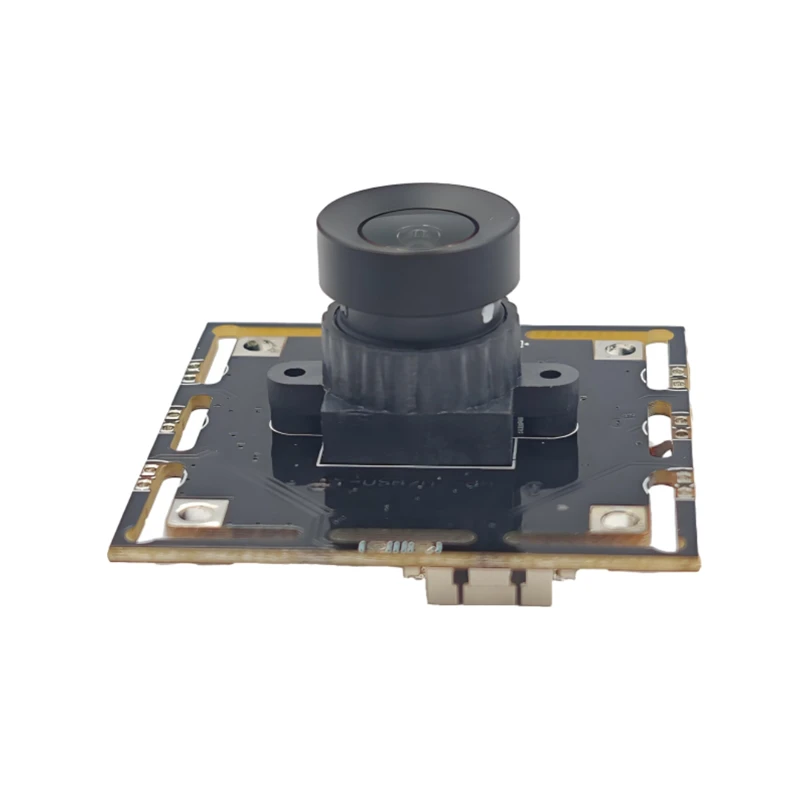
MY-USB1M818A Global Exposure Usb Camera Module With 1mp Hd Video
-
-
-
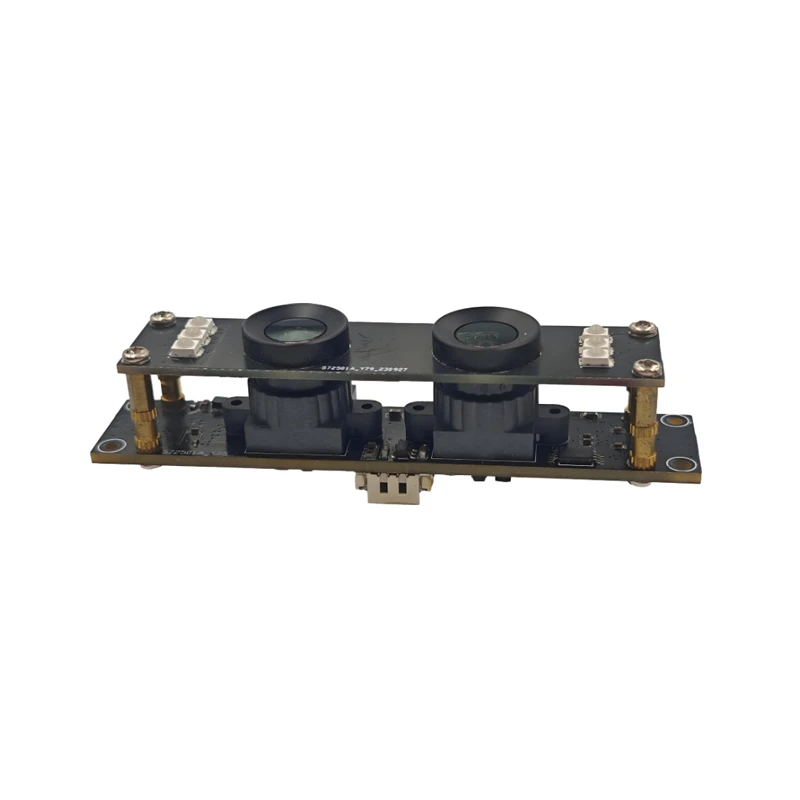
MY-DC52M-A1 Dual Lens Wide Dynamic Range Usb2.0 Camera Module With HD Video 5mp+2mp
-
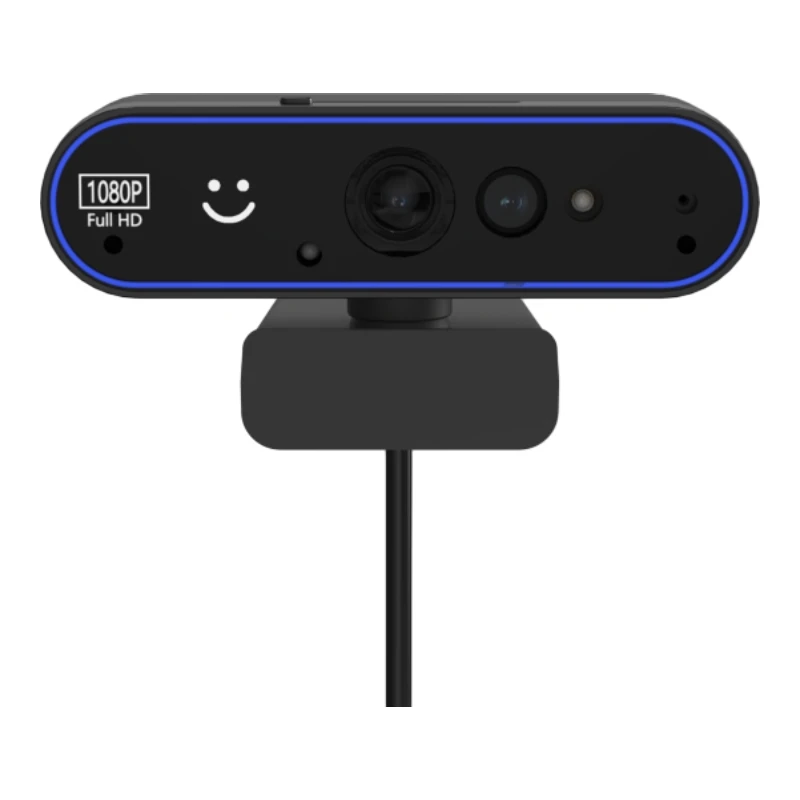
MY-WHC700 Windows Hello Face Recognition Binocular USB Camera
-

MY-DC-260-A1 Dual Lens Usb2.0 Web Camera With High-definition Video 2mp+2mp
-
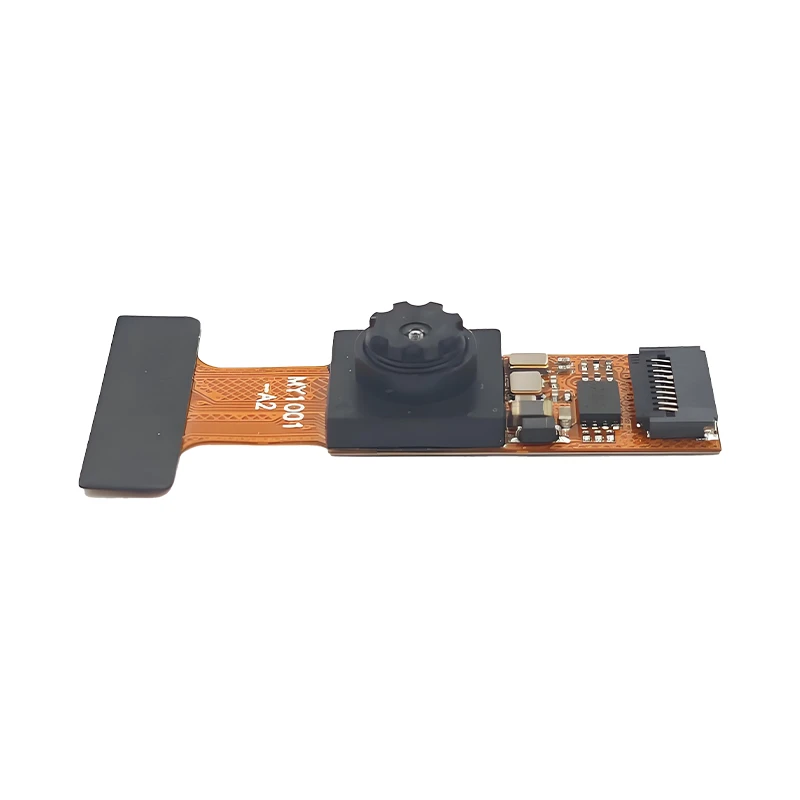
MY-1001-A2 AI Tracking, Gesture Recognition, Sitting Posture Detection Smart Camera Module
-
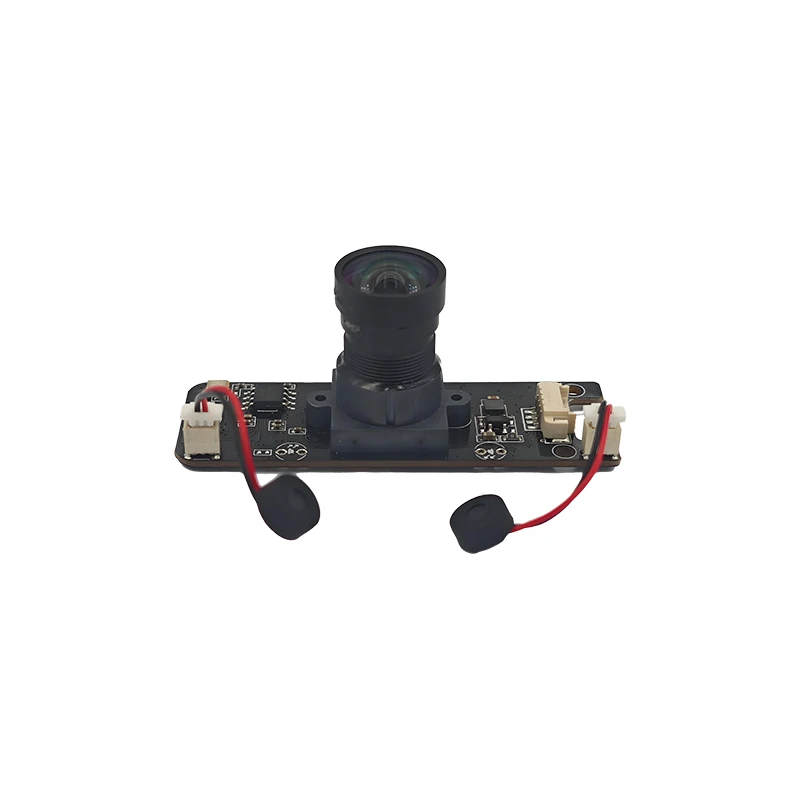
MY-USB8M158A 4K Resolution HD Video Driver-Free USB Camera Module With Microphone
