
1080P Full HD Webcam Module and Camera Board Price Guide
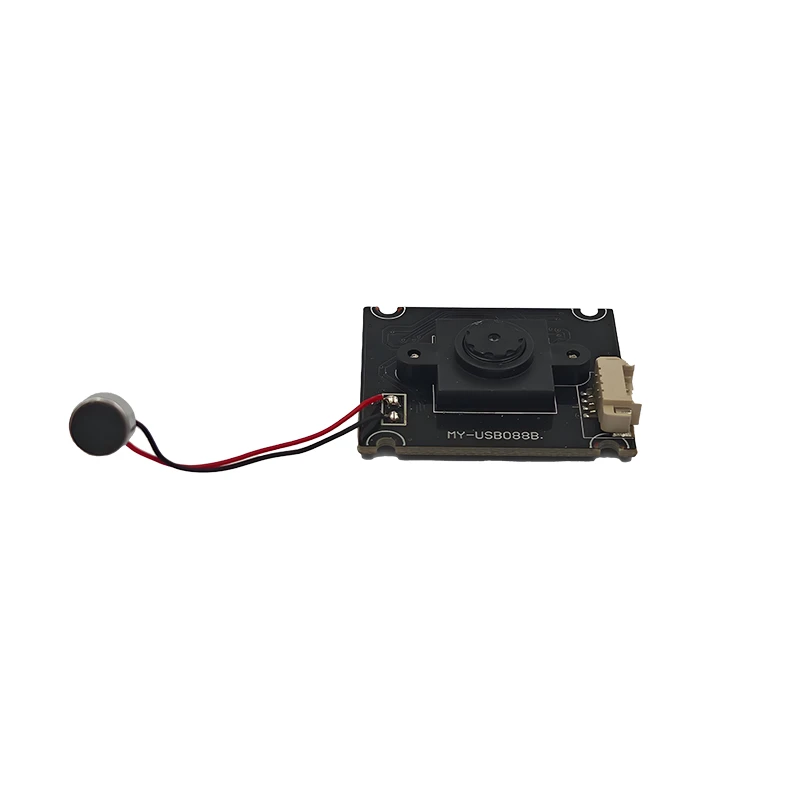
Selecting a high-definition imaging solution requires a balance between optical clarity and hardware integration. For businesses deploying visual systems, the 1080P Full HD Webcam offers a streamlined approach to high-resolution video capture, combining a fixed-focus lens with a standard UVC protocol for universal compatibility. Whether integrated into a kiosk, a laptop, or a specialized industrial terminal, this module eliminates the need for complex driver installations through its plug-and-play architecture.
From a procurement perspective, understanding the factors that influence the camera board price is essential for scaling hardware deployments. Costs typically fluctuate based on sensor resolution, lens quality, and the required interface—such as USB or MIPI. By focusing on standardized components and reliable OEM manufacturing, companies can achieve a professional visual output that supports modern communication platforms like OBS, Skype, and Zoom without overinvesting in unnecessary features.

Technical Architecture of 1080P Full HD Visual Modules
The core of this imaging system is designed for stability and consistency across diverse environments. Utilizing a 1080P sensor, the module delivers true color images and high-definition video, ensuring that facial details and text are rendered clearly. The implementation of a fixed-focus lens is a strategic choice for many B2B applications, as it provides a consistent depth of field and reduces the mechanical failure points associated with autofocus motors in high-vibration or industrial settings.
Hardware compatibility is handled through the standard UVC (USB Video Class) protocol, which allows the device to be recognized instantly by Windows XP/7/8/10 and Linux operating systems. This removes the software barrier for end-users and simplifies the deployment phase for system integrators. The board architecture is optimized for low latency and efficient data transmission, making it suitable for real-time live broadcasts and critical video conferencing where synchronization is paramount.
- High Resolution: True 1080P output for professional-grade clarity.
- Universal Protocol: UVC compliant for seamless OS integration.
- Optical Stability: Fixed-focus design for consistent imaging angles.
- Broad Compatibility: Works with OBS, Facebook, Youtube, and Xsplit.

Industrial Applications and Deployment Scenarios
This hardware is engineered for versatility, fitting into a wide range of intelligent use cases. In the corporate sector, it serves as the primary visual input for laptops and desktops, facilitating high-stakes video conferences. However, its true value emerges in embedded applications. Because the module is compact and driver-free, it is frequently integrated into AI-driven facial recognition systems and smart terminals where space is limited and reliability is the highest priority.
For creators and broadcasters, the compatibility with software like OBS and Mixer makes it an ideal choice for secondary camera angles or specialized monitoring feeds. In industrial environments, the fixed-focus nature allows the camera to be mounted at a precise distance from a target object, providing a permanent, sharp image of a process or a security point without the risk of the lens hunting for focus during critical operations.
The transition from standard consumer webcams to OEM modules allows developers to customize the housing and mounting brackets, ensuring the camera board fits perfectly within a proprietary product chassis while maintaining the high-definition performance required by the end-user.
Evaluating Supplier Capabilities for OEM Camera Modules
When sourcing camera modules, the manufacturer's infrastructure is a key indicator of product longevity. A professional setup, such as the one provided by Shenzhen Minyou Digital Technology, includes dust-free anti-static workshops, which are critical for preventing sensor contamination during the assembly of high-resolution boards. Contamination at the micron level can result in "dead pixels" or blurriness, which directly impacts the quality of the 1080P output.
Beyond the cleanroom, quality certifications like ISO9001 ensure that every batch of modules meets a consistent standard. For international markets, certifications such as CE, FCC, and CCC are non-negotiable, as they guarantee the electronic components comply with regional safety and electromagnetic interference standards. This level of compliance reduces the risk for buyers in North America, Western Europe, and Asia.
Customization capability is another critical factor. A supplier that can modify FPC camera modules, MIPI interfaces, or sensor types according to specific client requirements provides a significant competitive advantage, allowing the final product to be tailored to the exact lighting and distance requirements of the application.
Technical Selection and Configuration Matrix
| Feature Parameter | Standard 1080P Module | AI-Enhanced Module | Dual-Lens Module |
|---|---|---|---|
| Resolution | 1920 x 1080 (Full HD) | Application-dependent | 5MP + 2MP Hybrid |
| Focus Type | Fixed Focus | Autofocus/Fixed | Multi-zone Focus |
| Interface | USB (UVC Protocol) | USB / MIPI / FPC | USB 2.0 / 3.0 |
| Compatibility | Windows / Linux | AI Frameworks / OS | Multi-OS Support |
| Primary Use | Web/Conference | Recognition/Tracking | Wide Dynamic Range |
Procurement Considerations for Visual Hardware
Procurement managers must look beyond the initial camera board price to evaluate the Total Cost of Ownership (TCO). This includes the ease of integration, the failure rate of the components, and the support provided for firmware updates. A module that is "Plug and Play" significantly reduces the engineering man-hours required for software development, which often outweighs the cost of the hardware itself.
When evaluating an OEM partner, verify their research and development track record. Patents in independent innovation indicate that the supplier can solve complex problems, such as optimizing low-light performance or integrating gesture recognition. For those requiring specialized functions, such as the MY-1001-A2's sitting posture detection, the ability to combine hardware with intelligent software algorithms is essential.
Finally, consider the logistics of scaling. A manufacturer with a total area exceeding 6,000 square meters is better equipped to handle large-volume orders without compromising lead times, ensuring that your product launch remains on schedule regardless of the order size.
Future Trends in Intelligent Imaging Modules
The trajectory of camera module technology is moving rapidly toward the edge. We are seeing a shift from simple image capture to "intelligent sensing," where the camera board itself performs initial data processing. This reduces the load on the host CPU and enables faster response times for AI tracking and facial recognition, which are becoming standard in security and automotive interfaces.
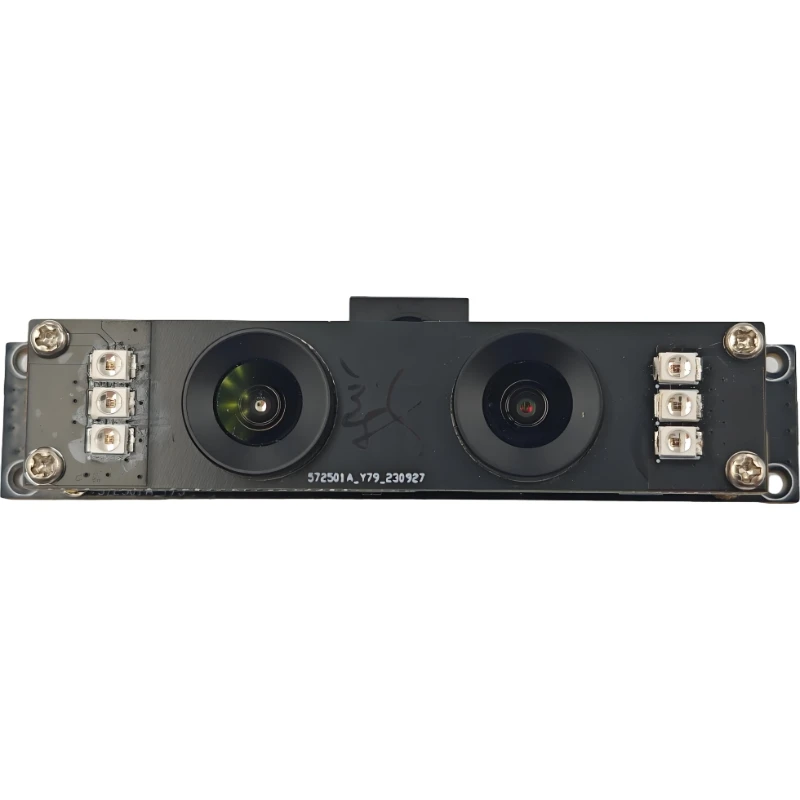
Another significant trend is the optimization of sensors for extreme lighting conditions. The development of Wide Dynamic Range (WDR) sensors allows for clear imaging in high-contrast environments, such as a camera facing a bright window in a dark room. As these technologies mature, the integration of binocular systems for depth perception will become more common in consumer-grade hardware.
For businesses, the opportunity lies in adopting modular designs. By choosing a supplier that offers a variety of sensor modules (from 0.3MP to 5MP and beyond), companies can create a product family that caters to different price points and performance tiers, maximizing their market reach while using a unified integration framework.
Frequently Asked Questions on HD Camera Modules
What does "Plug and Play" mean for these 1080P modules?
It means the device uses the standard UVC protocol, allowing it to be recognized by the operating system (Windows or Linux) immediately upon connection via USB without needing to install third-party drivers.
Why choose a fixed-focus lens over an autofocus lens?
Fixed-focus lenses are more durable, have no moving parts to fail, and provide a consistent image when the camera is placed at a predetermined distance from the subject, which is ideal for industrial and kiosk applications.
Can these modules be integrated into non-PC devices?
Yes, depending on the interface. While USB modules are designed for PCs and laptops, MIPI and FPC modules are specifically designed for integration into embedded systems, mobile devices, and AI hardware.
What certifications should I look for in a camera board manufacturer?
Key certifications include ISO9001 for quality management, and CE, FCC, and CCC for electronic safety and regulatory compliance in international markets.
How does sensor resolution affect the final video quality?
Higher resolution (e.g., 1080P or 5MP) provides more pixels, resulting in sharper images and better detail. However, it also requires more bandwidth and processing power from the host device.
Is customization available for specific lens angles or sensor types?
Yes, professional OEM/ODM manufacturers can customize the optics (wide angle vs. narrow) and the sensor specifications to meet the specific environmental requirements of the client's project.
Technical References and Industry Standards
- USB-IF Official Standards for UVC Protocol
- ISO 9001 Quality Management Systems Overview
- FCC Electromagnetic Compatibility Regulations
- European Union CE Marking Requirements
Whether you are developing a new AI-driven product or upgrading your corporate communication hardware, choosing the right imaging module is a critical decision. By focusing on certified manufacturing and standard protocols, you can ensure a reliable, high-definition visual experience for your end-users.
Related Technical Insights