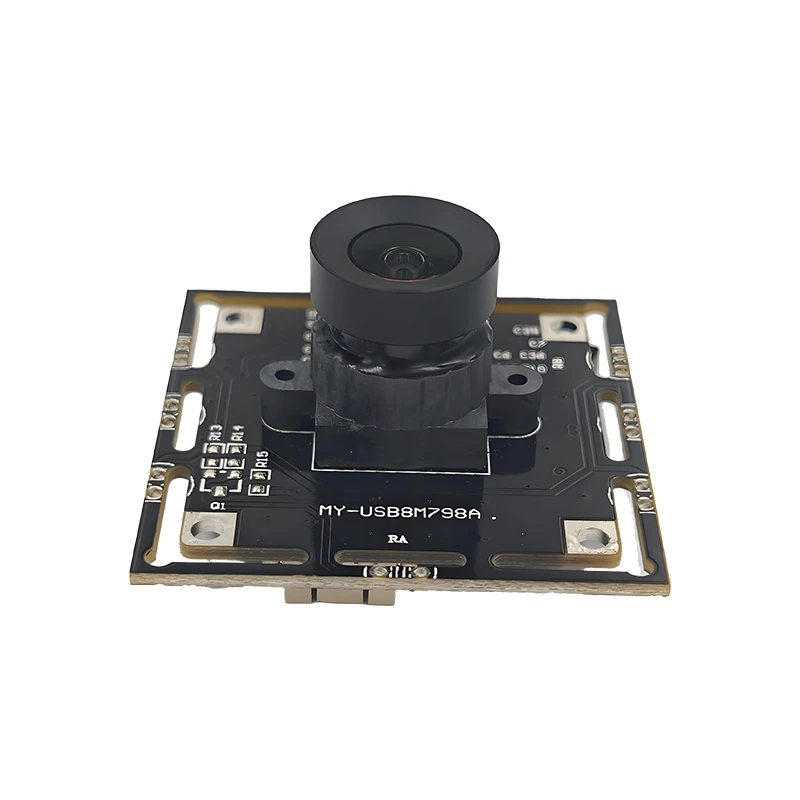
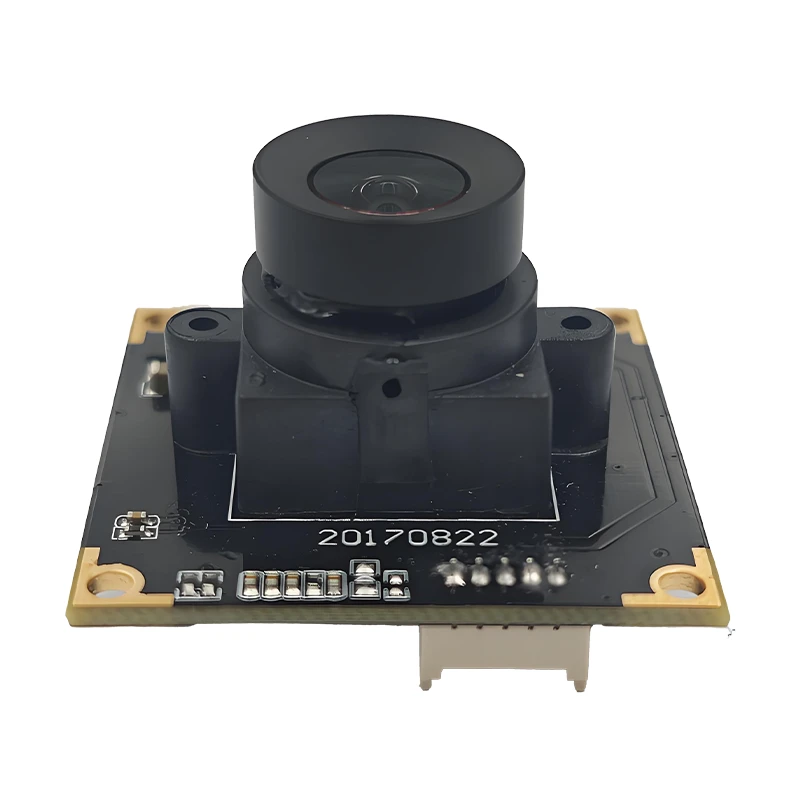
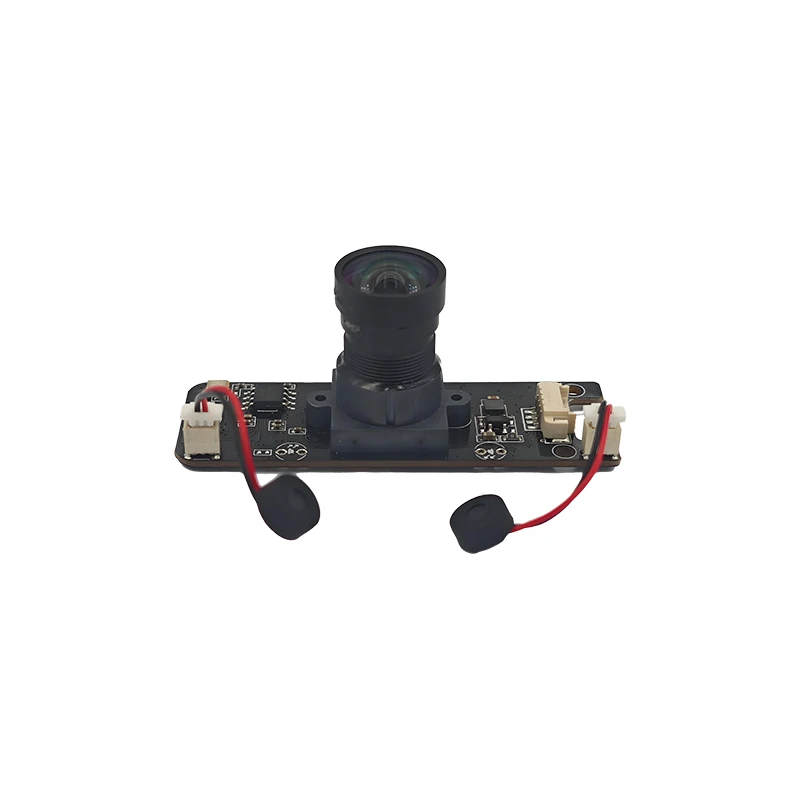
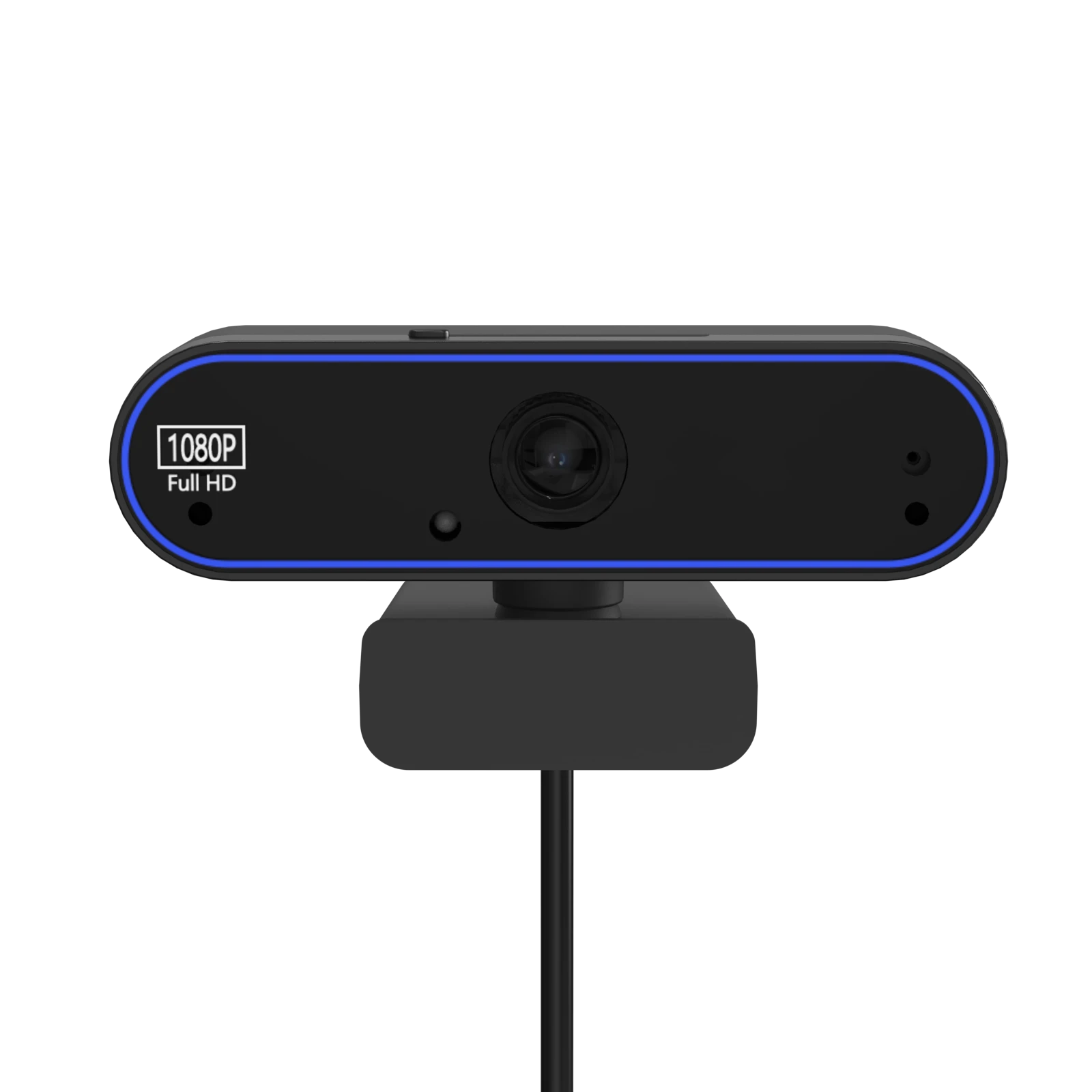
engaged in camera related products' R&D, design and production

Advanced usb 3.0 camera module Solutions for Argentina's Industrial Evolution

Empowering Argentina's digital transformation with high-precision imaging components, from agricultural automation to smart city security.

Advanced usb 3.0 camera module Solutions for Argentina's Industrial Evolution

Providing high-performance imaging hardware tailored for the diverse environmental and technical requirements of the Argentine market, ensuring seamless integration and superior data transmission.

Imaging Technology Landscape in Argentina

Analyzing the current adoption of optical modules in South America's second-largest economy.

Argentina is currently experiencing a surge in industrial automation, particularly within its vast agricultural sector. The demand for a robust camera module has increased as farmers transition to precision agriculture to monitor crop health and automate harvesting processes across the Pampas.

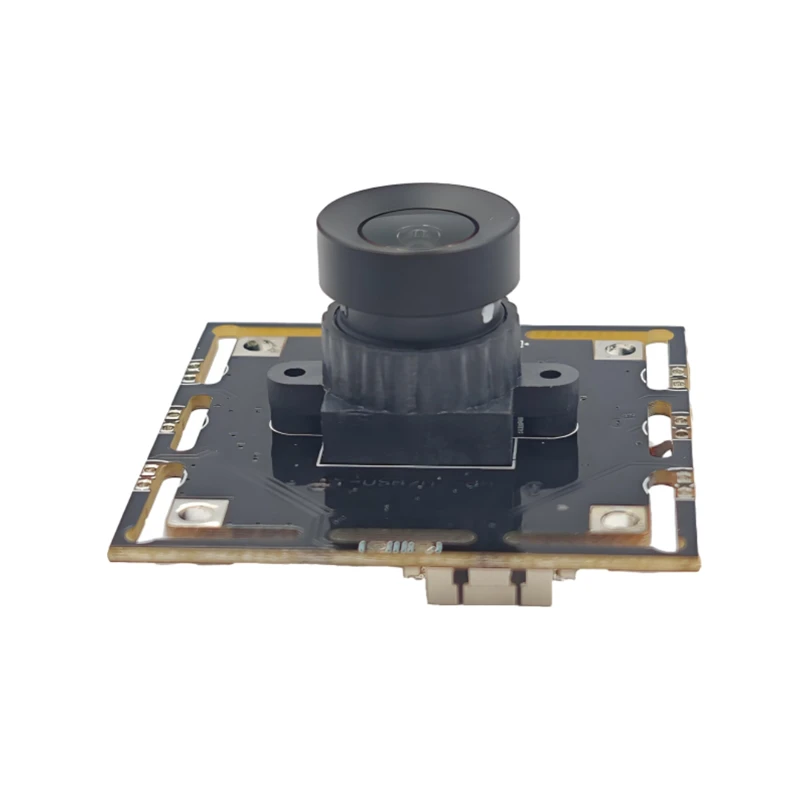
Economic volatility in the region has led local manufacturers to seek highly cost-effective yet scalable solutions. This has created a significant market for the module camera usb, which allows for rapid prototyping and easy replacement without requiring extensive hardware redesigns.

Furthermore, the urban centers like Buenos Aires are investing heavily in smart infrastructure. The need for high-resolution surveillance and traffic management has driven the adoption of the 12mp usb camera module to capture critical detail in complex urban environments.
Evolution of Imaging Integration in Argentina

From analog sensors to high-speed digital interfaces: a journey of technological iteration.

Market Development History

Between 2010 and 2015, the Argentine market relied heavily on analog CCTV and low-resolution sensors. The integration process was cumbersome, requiring specialized cabling and proprietary software, which limited the agility of local software providers.

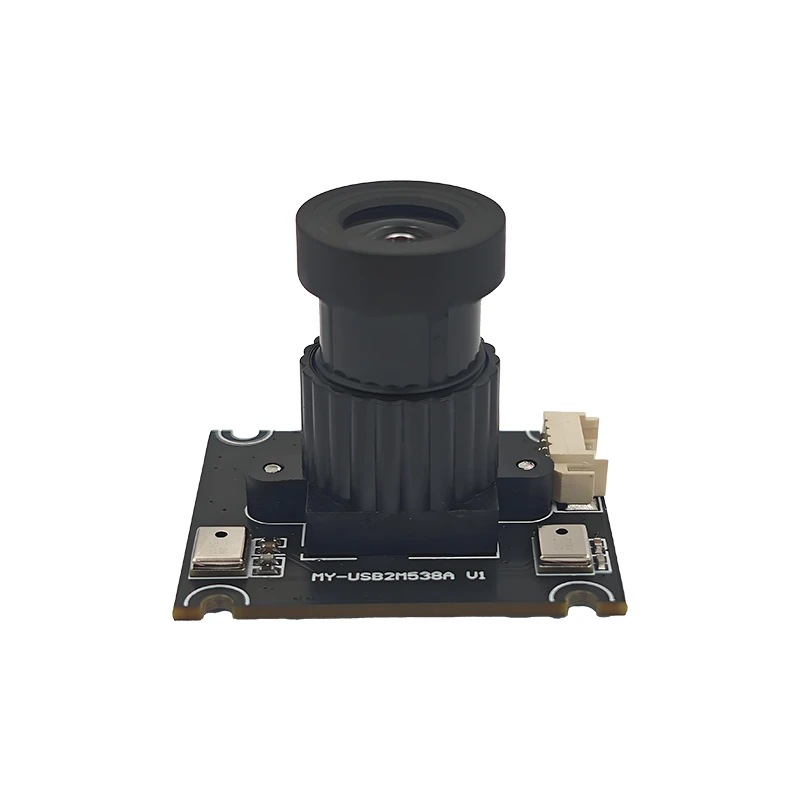
From 2016 to 2020, there was a decisive shift toward USB-based interfaces. The introduction of the fpc camera module allowed for miniaturization in medical devices and consumer electronics, enabling local startups to develop more compact diagnostic tools.

Since 2021, the focus has shifted to bandwidth and resolution. The transition to USB 3.0 standards has solved the bottleneck of data transmission, allowing real-time 4K processing and high-frame-rate analytics essential for modern industrial QC.

Future Development Trends

Edge AI Integration

We predict a move toward "Smart Modules" where AI processing occurs on the camera hardware itself, reducing the load on Argentina's varying network infrastructures.

Hyper-Miniaturization

Increased demand for embedded vision in wearables and drones will push the boundaries of FPC design to achieve smaller footprints without sacrificing thermal efficiency.

Ultra-High Resolution Standardization

As 12MP becomes the baseline, the industry will shift toward spectral imaging and depth-sensing modules to support autonomous navigation in agricultural machinery.

Industry Outlook and Strategic Forecast

Forecasting the trajectory of electronic imaging equipment in the South American corridor.

Bandwidth Expansion
The widespread migration to USB 3.0 protocols to support lossless high-speed data streaming for industrial vision.
Pixel Density Growth
Increasing adoption of 12MP+ sensors for detailed inspection in pharmaceutical and electronics manufacturing.
Flexible Interconnects
Shift toward FPC architectures to allow seamless integration into non-standard industrial housing.
Environmental Hardening
Development of modules capable of withstanding Argentina's extreme temperature variations and dust levels.

Industry Outlook

Based on search trend logic, the demand for "industrial vision" and "embedded cameras" in Argentina is projected to grow by 15% annually. This is driven by the integration of software-defined imaging, where the hardware must be versatile enough to support multiple firmware updates.

We anticipate a consolidation of the supply chain where high-quality, standardized modules from Asia become the backbone of Argentine hardware innovation, allowing local engineers to focus on software optimization and field-specific application logic.

Localized Application Scenarios in Argentina

Real-world implementations of our imaging modules across Argentine industries.

01. AgTech Crop Monitoring

Integrating high-resolution modules into autonomous drones to scan soy and corn fields in the Santa Fe province, enabling real-time pest detection and yield estimation.

02. Medical Device Miniaturization

Utilizing compact FPC-based cameras in endoscopic tools developed in Buenos Aires clinics, providing surgeons with high-fidelity visual feedback in constrained spaces.

03. Industrial QC in Automotive Plants

Deploying USB 3.0 interfaces for rapid-fire visual inspection of engine parts, ensuring zero-defect exports from local manufacturing hubs.

04. Smart City Traffic Analytics

Installing high-pixel count sensors at major intersections to automate license plate recognition and traffic flow optimization in congested urban areas.

05. Remote Environmental Sensing

Implementing weather-resistant imaging modules in the Patagonia region to monitor glacier movements and wildlife patterns autonomously.

Brand Story

Global Development Journey of Shenzhen Minyou Digital Technology Co., Ltd.

Foundation and Vision

Established with the goal of bridging the gap between complex sensor technology and easy software integration for global engineers.

Technical Breakthroughs

Perfected the stabilization of high-megapixel sensors on USB interfaces, reducing noise and enhancing data throughput for industrial use.

Global Expansion

Expanded our footprint into the South American market, specializing in customized solutions for the unique industrial landscapes of Argentina.

Quality Standardization

Implemented rigorous international quality certifications to ensure our modules perform reliably in extreme climates and high-stress environments.

Future-Ready Innovation

Continuing to invest in R&D to lead the transition toward AI-embedded imaging and sustainable electronic manufacturing.

Frequently Asked Questions in Argentina

Expert answers to common technical and logistical queries from our local partners.

How does the usb 3.0 camera module improve data rates over USB 2.0?

USB 3.0 provides significantly higher bandwidth (up to 5Gbps), which is essential for streaming high-resolution frames from 12MP sensors without lag or compression artifacts.

Is the 12mp usb camera module compatible with Linux-based industrial systems?

Yes, our modules follow standard UVC (USB Video Class) protocols, ensuring plug-and-play compatibility with Ubuntu, Debian, and other Linux distributions commonly used in Argentina's tech sector.

What are the advantages of using an fpc camera module in embedded designs?

FPC (Flexible Printed Circuit) modules offer a much thinner profile and the ability to bend, making them ideal for integration into compact medical devices or drones where space is limited.

Can a module camera usb be customized for low-light agricultural environments?

Absolutely. We offer custom sensor tuning and IR-cut filter removals to enhance sensitivity for nighttime crop monitoring or low-light industrial inspection.

How do I choose between a standard camera module and a specialized USB 3.0 version?

Choose USB 3.0 if your application requires high frame rates (FPS) or raw, uncompressed high-resolution data. For simple monitoring or low-res triggers, a standard module is more cost-effective.

What is the typical lead time for bulk orders shipped to Argentina?

Depending on customization levels, typical lead times range from 2 to 4 weeks, followed by optimized international shipping to ensure timely project deployment.

Get Your Custom Imaging Solution

Ready to upgrade your industrial vision? Our engineers are available to support your projects across Argentina.

Contact Us Now

If you are interested in our products, you can choose to leave your information here, and we will be in touch with you shortly.