

Apr . 16, 2026 02:25 Back to list
Guide to Raspberry Pi Camera Module v3 with Powered Autofocus
Exploring the Raspberry Pi Camera Module v3: A New Era of Vision
The evolution of embedded vision has reached a significant milestone with the introduction of the raspberry pi camera module v3. Designed for enthusiasts, engineers, and industrial innovators, this module brings high-resolution imaging and advanced autofocus capabilities to the compact Raspberry Pi ecosystem. Whether you are building a sophisticated AI surveillance system or a simple time-lapse project, the v3 module provides the precision and clarity required for modern applications. In this guide, we will analyze why this hardware is a game-changer for developers worldwide.
Advanced Autofocus in the Raspberry Pi Camera Module v3
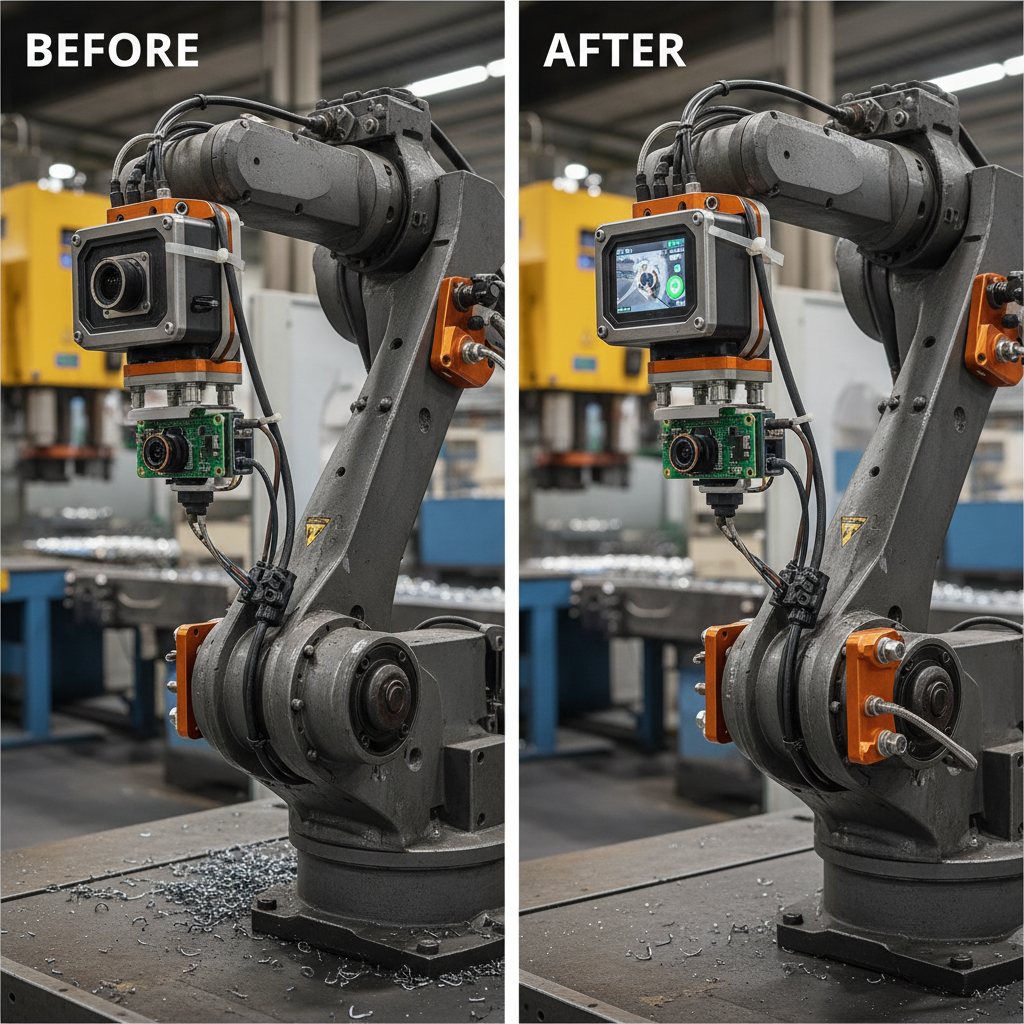
The most striking upgrade in the raspberry pi camera module v3 is the integration of powered autofocus. Unlike previous versions that required manual lens rotation to set the focal point, the v3 uses a sophisticated phase-detection system. This allows the camera to dynamically adjust its focus in real-time, ensuring that subjects are sharp regardless of their distance from the lens. This feature is critical for robotics and drone applications where the distance between the camera and the object of interest changes constantly.
Pro Tip: The autofocus capability significantly reduces the "blur" risk in fast-paced environments, making it ideal for OCR (Optical Character Recognition) and facial recognition projects.
Comparing Raspberry Pi Camera Module v3 vs. v2
When deciding which hardware to implement, it is essential to understand the leap in performance from the previous generation. The raspberry pi camera module v3 doesn't just offer a resolution bump; it introduces a more capable sensor that handles light and contrast far more efficiently. From the wider field of view to the automated focus, the transition from v2 to v3 is a substantial upgrade for any professional project.
Versatile Applications of the Raspberry Pi Camera Module v3
The flexibility of the raspberry pi camera module v3 makes it an ideal candidate for a myriad of industries. In agricultural technology, it is used for crop monitoring and weed detection. In smart home automation, it powers high-definition security cameras with a level of detail previously reserved for expensive commercial systems. Moreover, the module is a favorite for educational institutions teaching computer vision and Python programming due to its seamless integration with the Raspberry Pi OS.
Technical Specifications for Raspberry Pi Camera Module v3
Understanding the raw data is key to optimizing your software. The raspberry pi camera module v3 utilizes the Sony IMX708 sensor, which provides a significant increase in light sensitivity and dynamic range. This allows for cleaner images in low-light conditions and more detail in high-contrast scenes. Below are the detailed specifications for the hardware:
Integrating the Module into Your Workflow
Getting started with the raspberry pi camera module v3 is straightforward thanks to the updated libcamera stack. Unlike the legacy raspistill commands, libcamera provides a more powerful and flexible API for controlling the camera's autofocus and exposure settings. Developers can now write scripts that trigger autofocus based on specific events or set a "focus-at-infinity" mode for landscape photography. The integration process is streamlined, allowing for rapid prototyping and deployment.
Maintenance and Durability Tips
To ensure the longevity of your raspberry pi camera module v3, proper handling is essential. The sensor and lens are sensitive to dust and fingerprints; using a microfiber cloth for cleaning is highly recommended. Furthermore, since the module is often used in DIY enclosures, ensuring proper cable strain relief for the CSI ribbon cable can prevent intermittent connection issues. For outdoor use, pairing the module with a waterproof housing is mandatory to protect the electronic components from humidity and oxidation.
Conclusion: Elevating Your Projects with the v3 Module
The raspberry pi camera module v3 represents a significant leap forward in accessible imaging technology. By combining high-resolution 12MP capture with powered autofocus, it removes the technical barriers that previously limited Raspberry Pi vision projects. Whether you are an engineer building industrial prototypes or a hobbyist exploring AI, the v3 module provides the reliability and quality needed to succeed. Invest in the best vision hardware to unlock the full potential of your Raspberry Pi.
Frequently Asked Questions (FAQs)
Does the Raspberry Pi Camera Module v3 work with all Raspberry Pi boards?
The camera module v3 is compatible with most Raspberry Pi models that have a CSI camera port, including the Raspberry Pi 4, Raspberry Pi 3, and the Raspberry Pi Zero series. However, please note that for the Raspberry Pi Zero, you will need a specific adapter cable because the CSI connector on the Zero is smaller than the one on the full-sized Pi boards. Always ensure your OS is updated to the latest version to support the libcamera drivers required for the v3 module's autofocus features.
How do I control the autofocus on the v3 module?
Autofocus is managed through the libcamera library. You can use command-line tools like libcamera-still or libcamera-vid to trigger autofocus. By default, the camera will perform a continuous autofocus (CAF) to keep the subject sharp. If you need manual control, you can use specific flags in the command line or write a Python script using the Picamera2 library to set the focus distance to a specific value or lock the focus for a duration of time.
Is the 12MP resolution better than the 8MP version for AI tasks?
Yes, for most AI and machine learning tasks, the 12MP resolution of the raspberry pi camera module v3 is superior because it provides more raw data for the algorithm to analyze. More pixels generally mean better edge detection and higher accuracy in object recognition, especially for small objects. Additionally, the improved sensor quality means less noise in the image, which reduces "false positives" in AI detection models, leading to a more robust system overall.
Can I use the v3 module for night vision?
The standard raspberry pi camera module v3 is designed for visible light. While it has better low-light performance than the v2, it is not a "NoIR" (No Infrared filter) camera. If your project requires true night vision using infrared illuminators, you should look for the NoIR version of the module. The NoIR version removes the infrared filter, allowing the sensor to capture IR light, which is essential for security cameras that operate in total darkness with the help of IR LEDs.
-
Guide to Using the raspberry pi camera module v1 3 for IoT Projects
NewsApr.09,2026
-
Exploring the Capabilities of the Raspberry Pi Camera Module 3 Noir for Diverse Applications
NewsApr.07,2026
-
Unlocking Visual Potential with the Raspberry Pi Camera Module 3 for Advanced Projects
NewsApr.04,2026
-
Raspberry Pi Noir Camera Module V2 8MP 1080p30 A Comprehensive Guide for Projects
NewsMar.31,2026
-
Comprehensive Guide to the Raspberry Pi 3 B+ Camera Module and Its Applications
NewsMar.28,2026
-
MY-USB1M818A Global Exposure Usb Camera Module With 1mp Hd Video
-
-
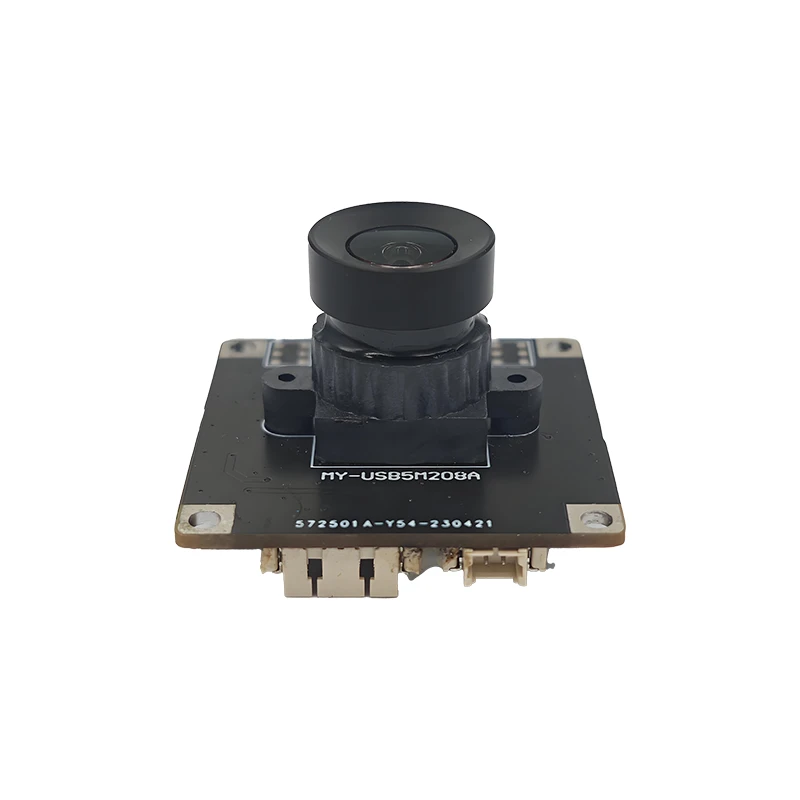
-
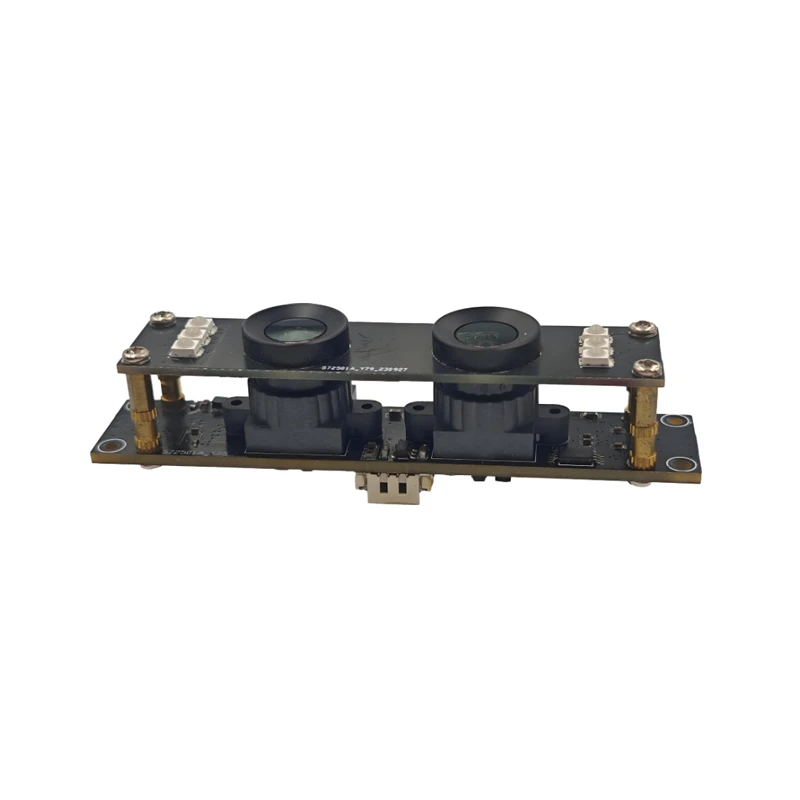
MY-DC52M-A1 Dual Lens Wide Dynamic Range Usb2.0 Camera Module With HD Video 5mp+2mp
-
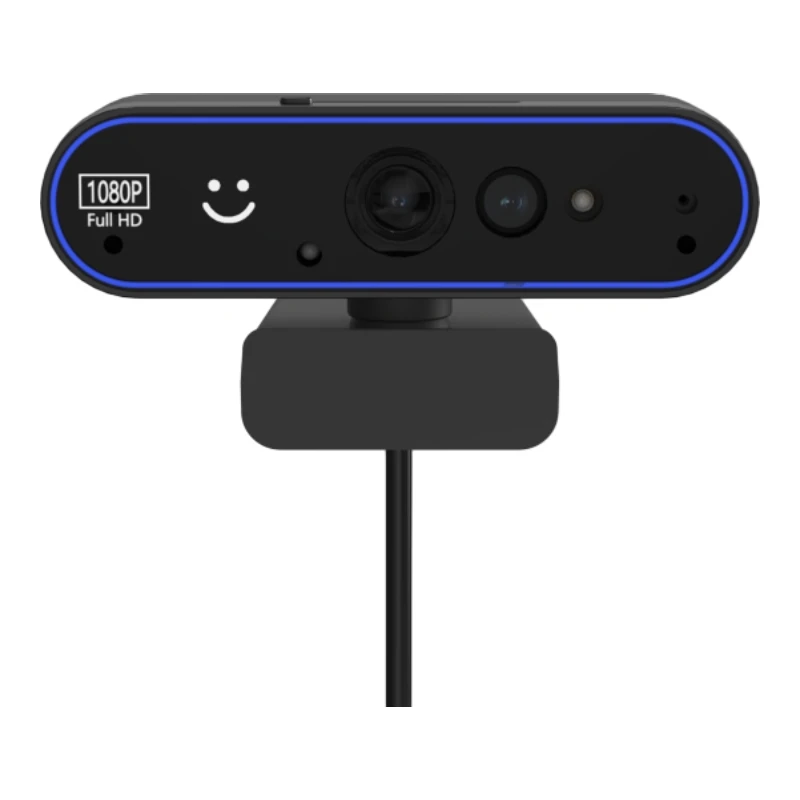
MY-WHC700 Windows Hello Face Recognition Binocular USB Camera
-
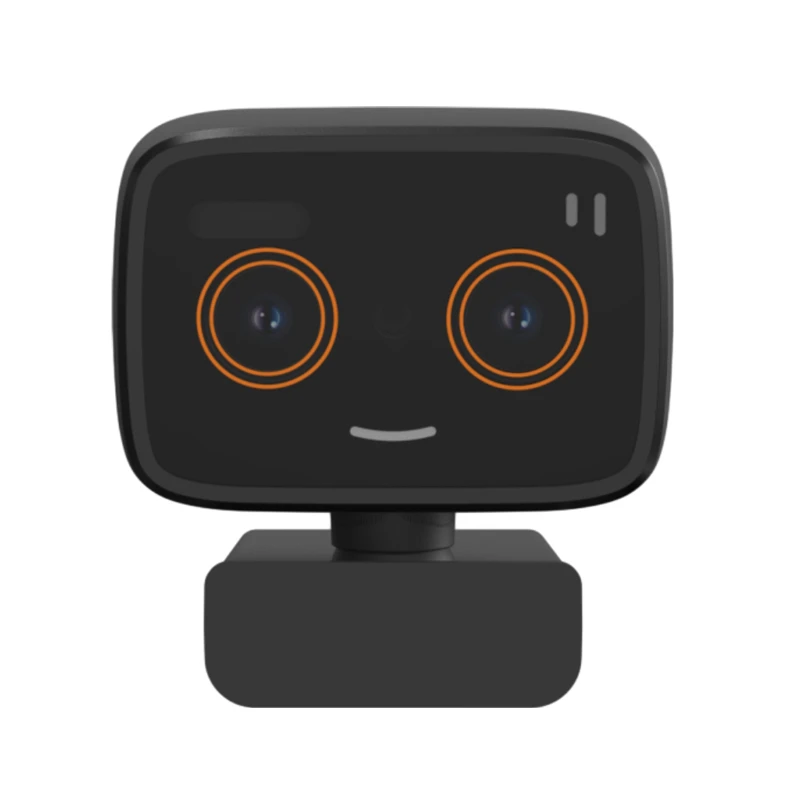
MY-DC-260-A1 Dual Lens Usb2.0 Web Camera With High-definition Video 2mp+2mp
-
MY-1001-A2 AI Tracking, Gesture Recognition, Sitting Posture Detection Smart Camera Module
-
MY-USB8M158A 4K Resolution HD Video Driver-Free USB Camera Module With Microphone
