In the rapidly evolving landscape of optical technology, the full hd camera module has emerged as a cornerstone for high-definition imaging across various industrial and consumer sectors. By providing a precise balance between resolution, form factor, and processing speed, these modules allow developers to integrate professional-grade visuals into compact hardware. Understanding the nuances of these components is essential for any business looking to enhance its visual data acquisition capabilities.
Globally, the demand for high-fidelity imaging is no longer limited to high-end smartphones or cinema cameras. From automated quality inspection in smart factories to advanced telemedicine in rural clinics, the ability to capture 1080p clarity in real-time is a critical requirement for operational efficiency. As we move toward a more visual-centric digital economy, the integration of a reliable full hd camera module becomes a strategic advantage for product differentiation.
However, achieving a true "Full HD" experience involves more than just pixel count; it requires a synergy of lens quality, sensor sensitivity, and efficient signal processing. This guide explores the technical depths and practical applications of these modules, helping engineers and procurement specialists make informed decisions that align with their specific project goals and performance benchmarks.
Global Industry Context of Full HD Imaging
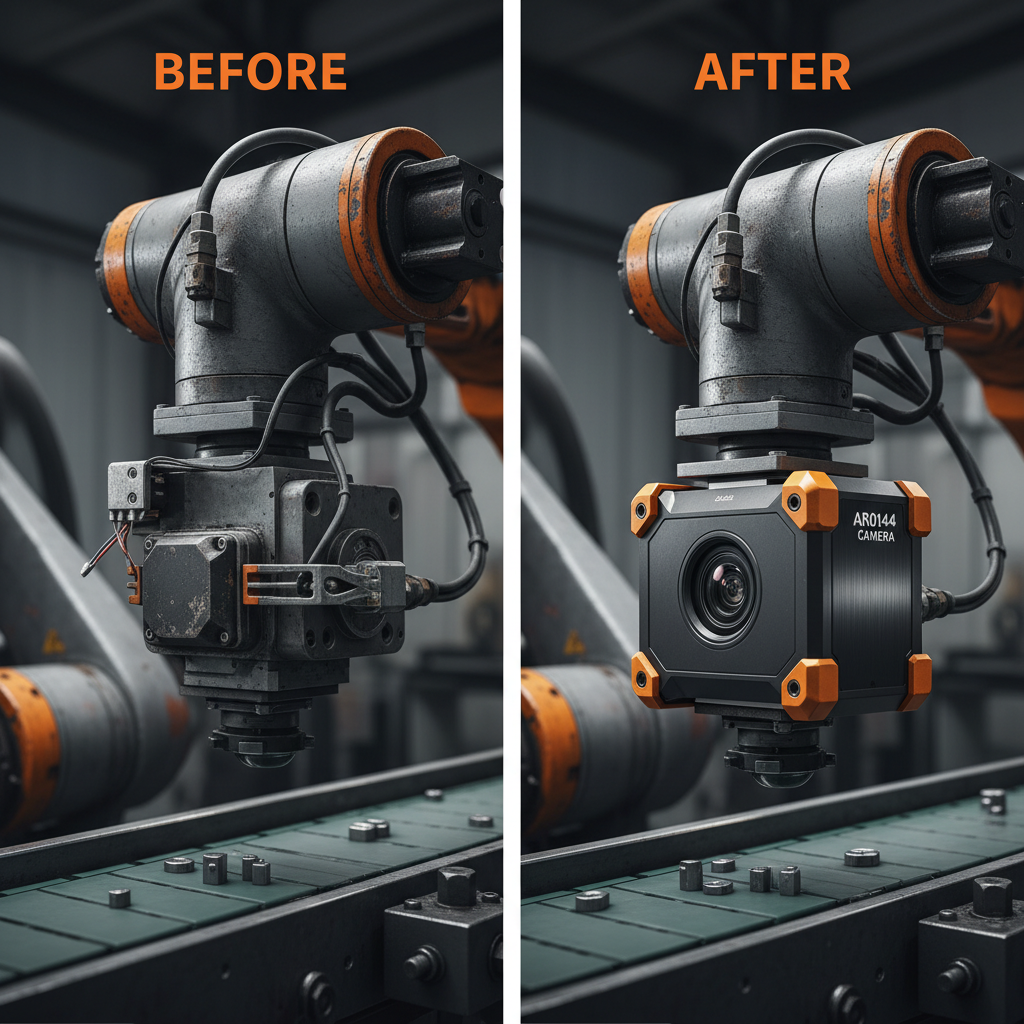
The global shift toward Industry 4.0 has catalyzed an unprecedented demand for high-resolution visual sensors. According to market trends aligned with ISO standards for imaging quality, the transition from standard definition to a full hd camera module has become a baseline requirement for machine vision. This shift is driven by the need for higher precision in automated optical inspection (AOI), where a single pixel's deviation can signify a product defect.
In emerging markets, the democratization of hardware allows SMEs to implement sophisticated monitoring systems that were previously only available to conglomerates. The primary challenge has been the "resolution vs. latency" trade-off; however, modern advancements in CMOS technology have largely mitigated this, allowing for fluid 1080p streams that facilitate real-time decision-making in critical infrastructure and safety monitoring.
Defining the Full HD Camera Module
At its most basic level, a full hd camera module is an integrated assembly consisting of an image sensor, a lens system, and a controller interface, capable of producing an image with a resolution of 1920 x 1080 pixels. Unlike standalone cameras, these modules are designed for OEM integration, meaning they are stripped of the outer housing and user interfaces to fit seamlessly into a larger device's chassis.
From a technical perspective, "Full HD" represents a significant leap in information density compared to 720p or VGA modules. This increased resolution is not just about "prettier" pictures; it is about the ability to perform digital zooming without catastrophic loss of detail. For industries like medical imaging or security, this means the difference between seeing a blur and identifying a specific anomaly.
Beyond the specs, these modules serve a humanitarian and industrial purpose by enabling remote visibility. Whether it is a drone monitoring crop health in sub-Saharan Africa or a robotic arm in a sterile lab, the full hd camera module acts as the "digital eye," converting light into actionable data that drives automation and safety.
Core Components for Peak Performance
The heart of any full hd camera module is the CMOS sensor. This component determines the light sensitivity, dynamic range, and noise levels of the final image. High-quality sensors ensure that even in low-light environments, the 1080p output remains crisp and usable for analysis.
Equally important is the optical lens assembly. A full hd camera module requires a lens with a resolving power that matches the sensor's pixel pitch. If the lens is of poor quality, the "Full HD" resolution is wasted, as the resulting image will suffer from chromatic aberration or blurring at the edges.
Finally, the signal processing interface—whether it be USB 2.0, USB 3.0, or MIPI CSI—dictates how quickly the data reaches the host processor. For high-frame-rate applications, a high-bandwidth interface is non-negotiable to prevent frame dropping and ensure a smooth, real-time visual experience.
Critical Factors in Module Selection
When selecting a full hd camera module, engineers must prioritize the specific environment of the deployment. For instance, an indoor office environment requires different color temperature calibrations than an outdoor industrial zone where sunlight can cause extreme overexposure.
Another vital consideration is the focus mechanism. Fixed-focus modules are ideal for consistent distances, whereas Auto-Focus (AF) modules are necessary for applications where the subject distance varies, such as in handheld scanning devices or advanced webcam integrations.
Comparative Performance of Full HD Camera Module Variations
Real-World Global Applications
The versatility of the full hd camera module is evident in the medical field. In remote surgical consultations, these modules are integrated into endoscopes and diagnostic tools, allowing specialists in urban centers to guide procedures in remote villages with crystal-clear 1080p imagery, directly impacting patient outcomes.
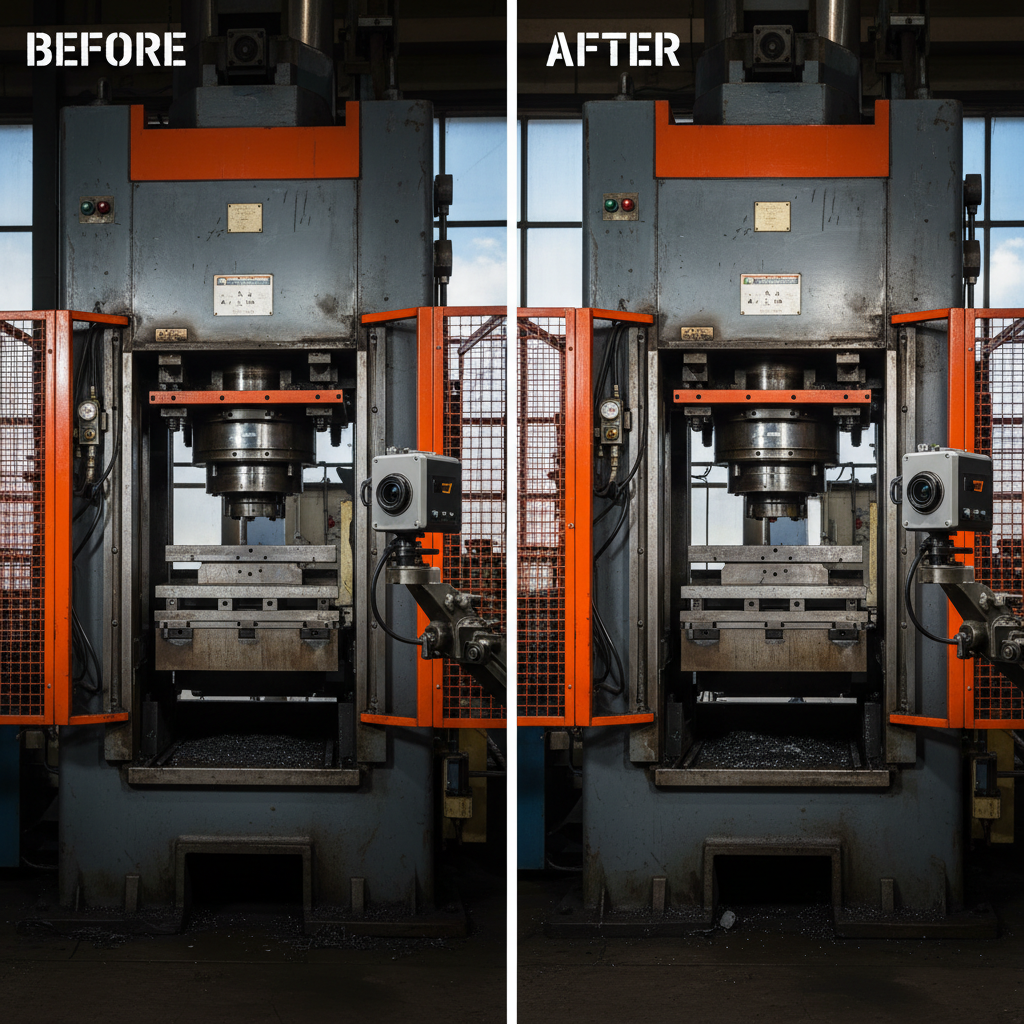
In the industrial sector, these modules are the backbone of logistics automation. In giant distribution centers across North America and Europe, full hd camera module systems are used for barcode scanning and package dimensioning at high speeds, ensuring that the global supply chain remains fluid and error-free.
Long-Term Value and ROI
Investing in a high-quality full hd camera module provides significant long-term value through reduced maintenance and future-proofing. Lower-grade modules often suffer from sensor degradation or "dead pixels" over time, whereas industrial-grade components are built to withstand thermal fluctuations and prolonged operation.
From a logical angle, the ROI is seen in the reduction of false negatives in quality control. When a system can clearly distinguish between a microscopic crack and a speck of dust thanks to 1080p resolution, the cost of wasted materials and product recalls drops precipitously.
Emotionally, the adoption of such technology builds trust. Whether it is a consumer using a high-definition webcam for a job interview or a patient trusting a remote diagnostic tool, the clarity of the image fosters a sense of professionalism, safety, and transparency.
Future Trends in Optical Modules
The next frontier for the full hd camera module is the integration of Edge AI. Instead of simply capturing and transmitting pixels, future modules will possess onboard processing power to detect objects, recognize faces, or identify defects before the data even reaches the main CPU.
Sustainability is also becoming a core driver. We are seeing a shift toward "Green Optics," where modules are manufactured using lead-free solder and energy-efficient sensors that lower the overall power draw of the host device, aligning with global carbon-neutrality goals.
As digital transformation accelerates, we expect to see a convergence of Full HD imaging with other sensors, such as LiDAR or ToF (Time-of-Flight), creating a hybrid full hd camera module that understands not just the color and detail of a scene, but its precise three-dimensional geometry.
Technical Comparison of Full HD Camera Module Implementations
| Module Type |
Typical Use Case |
Integration Complexity |
Reliability Score |
| USB 2.0 Full HD |
General Webcams |
Low (Plug & Play) |
8/10 |
| MIPI CSI Full HD |
Embedded Systems |
High (Driver Dev) |
9/10 |
| Global Shutter Full HD |
High-Speed Tracking |
Medium |
10/10 |
| AF Full HD Module |
Variable Distance Scan |
Medium |
8/10 |
| Dual Lens Full HD |
Stereo Vision / 3D |
High |
9/10 |
| Low-Light Full HD |
Night Surveillance |
Low |
7/10 |
FAQS
The primary difference is the resolution: a 720p module captures 1280 x 720 pixels, while a full hd camera module captures 1920 x 1080 pixels. This means the Full HD version provides more than double the pixel density, allowing for significantly sharper images, better detail retention during digital zoom, and more accurate data for AI-driven image analysis.
Yes, but it depends on the sensor's aperture and pixel size. For low-light environments, we recommend a full hd camera module specifically designed with a high-sensitivity CMOS sensor or an integrated IR-cut filter. These specialized modules can maintain 1080p clarity even in dim conditions by amplifying the available light without introducing excessive noise.
While USB 2.0 can handle 1080p, it often requires high compression (like MJPEG), which can reduce image quality. A USB 3.0 interface allows for uncompressed or lightly compressed YUY2 streams, ensuring that the full fidelity of the full hd camera module is preserved and delivered with lower latency, which is critical for real-time applications.
Choose a fixed-focus full hd camera module if your camera's distance from the subject is constant (e.g., a built-in laptop camera). Choose an auto-focus (AF) module if the subject moves or the camera must scan objects at various depths. AF modules provide greater flexibility but add a small amount of mechanical complexity to the module.
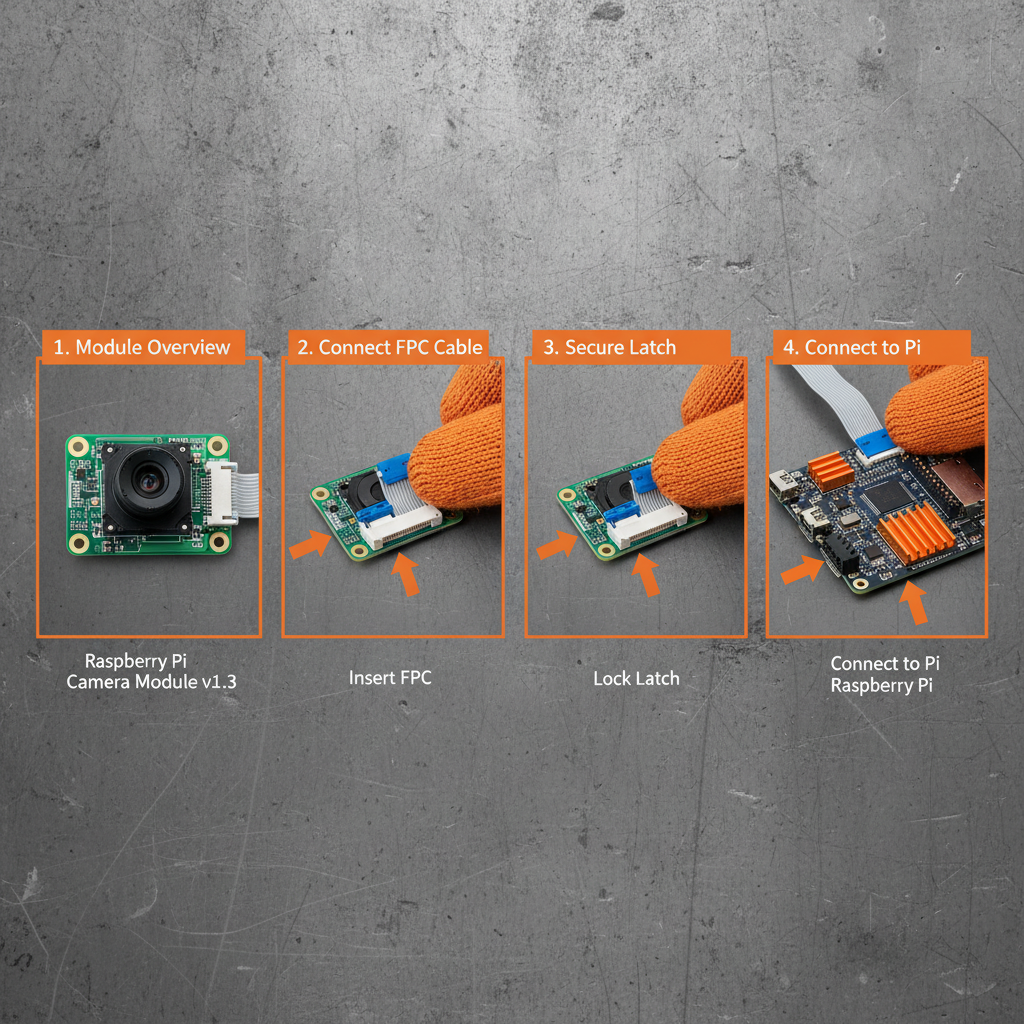
Most of our UVC-compliant full hd camera module options are plug-and-play across Windows, Linux, and Android. For MIPI CSI modules, you will need specific drivers compatible with your processor (e.g., Raspberry Pi or Jetson Nano). We provide technical documentation to ensure seamless integration regardless of your OS.
Industrial-grade modules are designed for longevity, typically lasting 5-10 years under standard operating conditions. Factors affecting lifespan include thermal management and exposure to corrosive environments. Using a module with an appropriate IP rating or protective housing can further extend the life of the full hd camera module.
Conclusion
The integration of a full hd camera module is more than a simple hardware upgrade; it is a foundational step toward achieving high-precision visual intelligence. By balancing sensor quality, lens precision, and interface bandwidth, businesses can unlock new levels of efficiency in automation, healthcare, and security. We have explored how these modules transition from basic components to critical assets that drive ROI through accuracy and reliability.
Looking forward, the synergy of 1080p imaging and Edge AI will redefine how machines perceive the world. For developers and engineers, the key to success lies in selecting a module that not only meets current resolution needs but is scalable for future software enhancements. We invite you to explore our full range of optical solutions to find the perfect fit for your next innovation. Visit our website: www.szmyccm.com