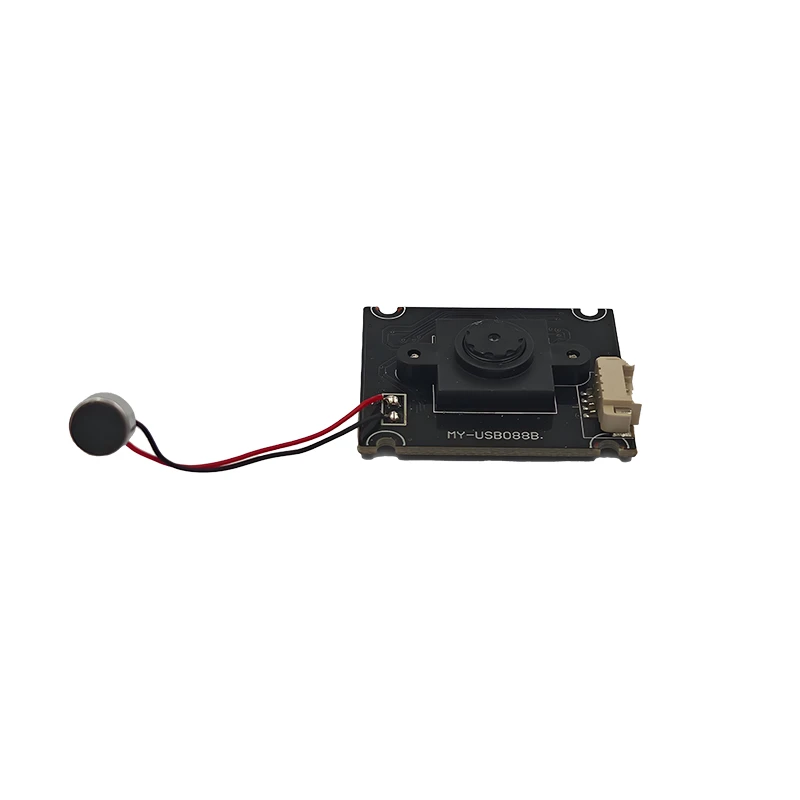
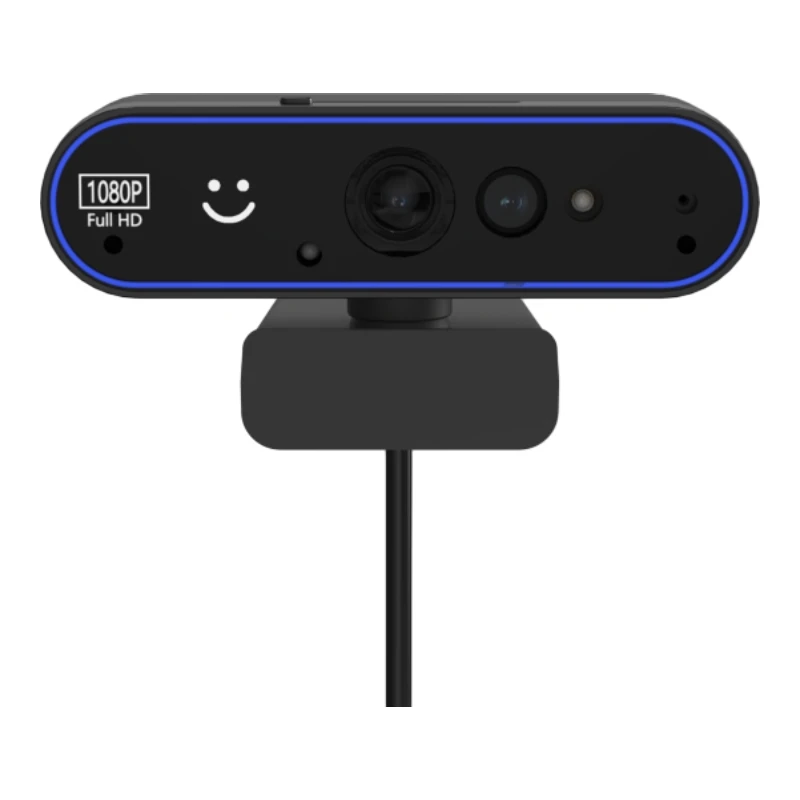
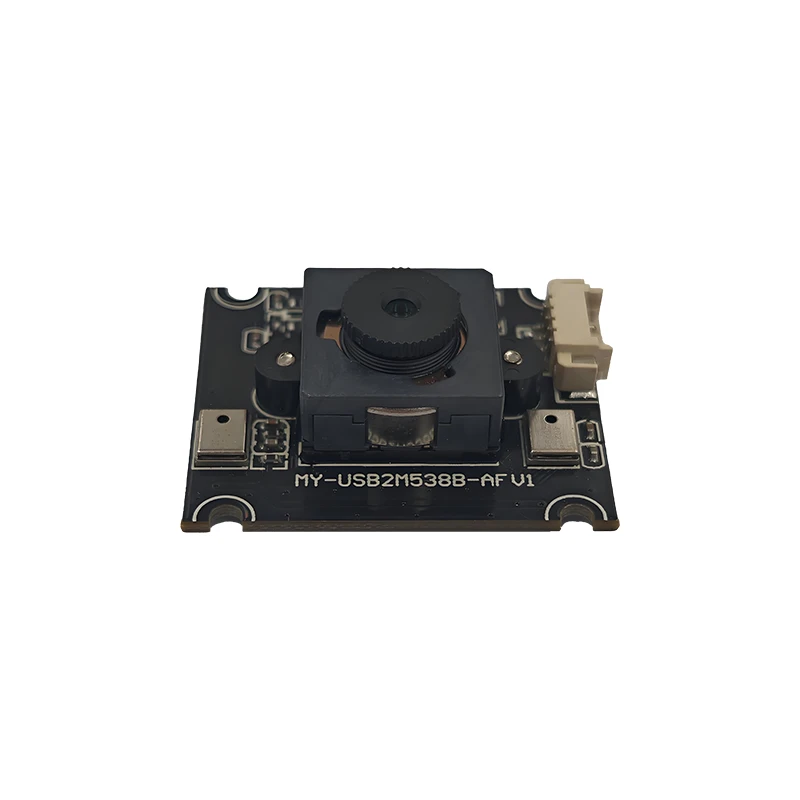
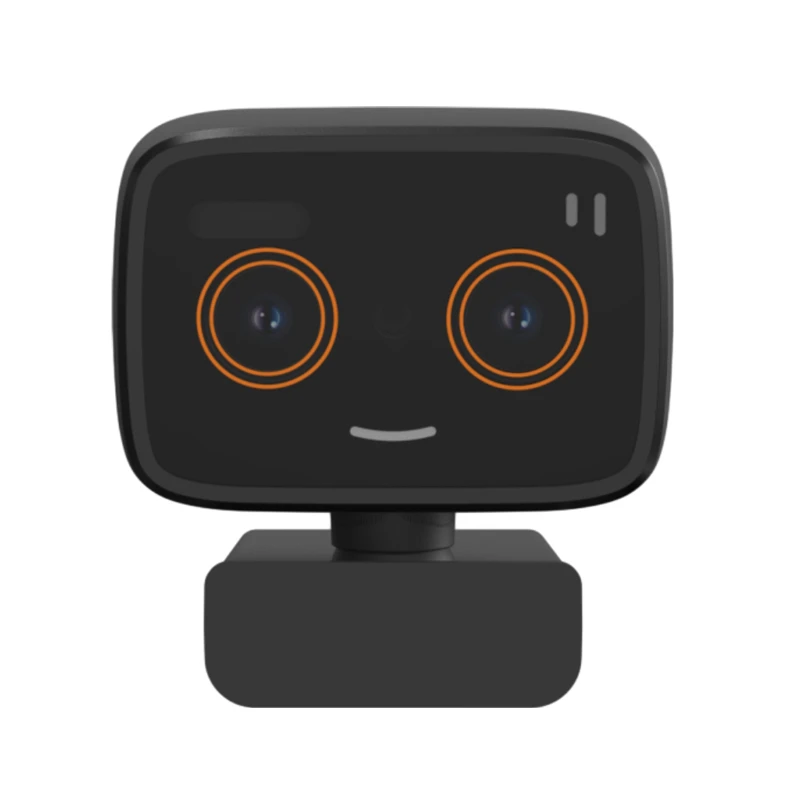
engaged in camera related products' R&D, design and production

High-Performance usb 3.0 camera module Solutions for US Industrial Innovation

Empowering North American automation and medical imaging with cutting-edge visual sensing technology and seamless integration.

High-Performance usb 3.0 camera module Solutions for US Industrial Innovation

We provide precision-engineered imaging components tailored for the demanding standards of the United States market, ensuring high data throughput and exceptional clarity.

The Landscape of Imaging Technology in the United States

Analyzing the adoption of advanced camera modules across North American industrial sectors.

In the United States, the demand for high-bandwidth imaging is surging, driven by the rapid expansion of AI-driven automation in hubs like Silicon Valley and the industrial Midwest. The adoption of a high-quality camera module is no longer optional but a necessity for real-time quality control and autonomous navigation.

The regional economic focus on aerospace and defense requires hardware that can withstand extreme temperature fluctuations—from the heat of Texas to the cold of Alaska—while maintaining signal integrity through robust fpc camera module designs that minimize electromagnetic interference.

Furthermore, the US healthcare sector is shifting toward telemedicine and robotic surgery, creating a massive need for a 12mp usb camera module to provide the high-resolution detail required for accurate diagnostic imaging and remote surgical assistance.
Evolution and Trajectory of Vision Modules

From basic analog capture to high-speed digital intelligence.

Market Development History

In the early 2010s, the US market relied heavily on USB 2.0 interfaces, which limited frame rates and resolution. These early iterations of the module camera usb were sufficient for basic surveillance but struggled with the data loads of industrial machine vision.

Between 2015 and 2020, the industry shifted toward USB 3.0 and MIPI interfaces. This era saw the rise of high-pixel density sensors, where the transition to 12MP and higher became the standard for high-precision inspection in the automotive and semiconductor industries.

Currently, the focus has evolved toward "Edge Intelligence," where the camera module is no longer just a sensor but part of a computing pipeline, utilizing advanced FPC layouts to reduce footprint in miniaturized medical devices.

Future Development Trends

Integration of On-Sensor AI

We predict a move toward sensors that can perform basic object detection and filtering locally before transmitting data, reducing the load on the host system.

Ultra-Low Latency Interconnects

The transition from traditional USB to specialized high-speed protocols will continue to evolve to support 4K real-time streaming in autonomous vehicle arrays.

Sustainable Manufacturing

Aligned with US green energy goals, there is a growing trend toward using lead-free and recyclable materials in the assembly of imaging modules.

Industry Trends and Future Outlook

Strategizing for the next generation of visual data transmission.

High-Speed Data Throughput
Expanding the bandwidth of USB 3.0 and beyond to support uncompressed high-resolution video streams for AI analysis.
Miniaturization Trend
Developing ultra-compact FPC modules to fit into wearable health devices and compact drone payloads.
Enhanced Dynamic Range
Implementing HDR technology to allow industrial cameras to operate in high-contrast lighting environments.
Multi-Spectral Imaging
Moving beyond RGB to incorporate NIR and SWIR capabilities for agricultural and security applications.

Industry Outlook

Based on Google search trends, there is a marked increase in queries for "industrial vision integration" and "USB-C camera modules" in North America, signaling a shift toward universal connectivity and plug-and-play industrial deployment.

Over the next 3-5 years, we expect the convergence of 5G and high-resolution modules to enable truly wireless, real-time visual monitoring of large-scale infrastructure across the United States, from power grids to transport networks.

Localized Application Scenarios in the US

Practical implementations of vision technology in North American industries.

01. Automated Warehouse Robotics

Implementing high-speed modules in fulfillment centers in the Midwest to enable precise sorting and obstacle avoidance for AMRs.

02. Precision Agriculture in the Great Plains

Using high-resolution sensors mounted on drones to analyze crop health and soil moisture across vast farmland territories.

03. Telehealth Diagnostic Tools

Integrating high-pixel cameras into remote diagnostic kiosks to provide rural patients with access to specialist care via high-definition video.

04. Aerospace Component Inspection

Utilizing specialized imaging modules for non-destructive testing of turbine blades in Seattle and Florida aerospace hubs.

05. Smart City Traffic Management

Deploying robust camera arrays in major metropolitan areas like New York and Los Angeles to optimize traffic flow using AI analysis.

Brand Story

Global Development History of Shenzhen Minyou Digital Technology Co., Ltd.

The Foundation of Precision

Founded with a mission to bridge the gap between raw sensor capability and industrial usability, focusing on the core stability of imaging hardware.

Technological Breakthroughs

Pioneered the integration of high-bandwidth interfaces, solving the common bottleneck of data transmission in early digital modules.

Global Market Expansion

Expanded our reach to North America, tailoring our products to meet the rigorous quality and certification standards of the US market.

Innovation in Specialization

Developed custom FPC and lens solutions to solve the "size vs. performance" pain point for medical and aerospace clients.

Vision for the Future

Committed to leading the industry in AI-integrated visual sensing, ensuring every pixel serves a purpose in the global automation chain.

Frequently Asked Questions in the US Market

Expert answers to technical queries regarding vision module integration.

What are the advantages of a usb 3.0 camera module over USB 2.0 for industrial use?

USB 3.0 provides significantly higher data transfer rates (up to 5Gbps), allowing for higher frame rates and resolutions without compression artifacts, which is critical for real-time AI analysis.

How does a 12mp usb camera module improve quality inspection?

The higher pixel count allows for a larger field of view while maintaining the ability to zoom in on microscopic defects without losing clarity, reducing the need for multiple cameras.

Is the fpc camera module suitable for high-vibration environments?

Yes, Flexible Printed Circuits (FPC) are designed to be more resilient to mechanical stress and vibration compared to rigid boards, making them ideal for drones and automotive use.

Can a module camera usb be integrated with Linux-based systems?

Absolutely. Most of our modules follow UVC (USB Video Class) standards, ensuring driverless compatibility with Linux, Windows, and macOS systems.

What is the typical lead time for custom camera module orders in the US?

Depending on the customization level (lens, sensor, or interface), lead times typically range from 2 to 6 weeks, including rigorous quality testing.

How do I choose the right lens for my imaging module?

Selection depends on the Working Distance (WD) and the Field of View (FOV) required for your specific application; our engineers provide focal length calculations based on your needs.

Ready to Elevate Your Vision System?

Our expert team is ready to support your next project in the United States. Let's build the future of imaging together.

Contact Us Now

If you are interested in our products, you can choose to leave your information here, and we will be in touch with you shortly.