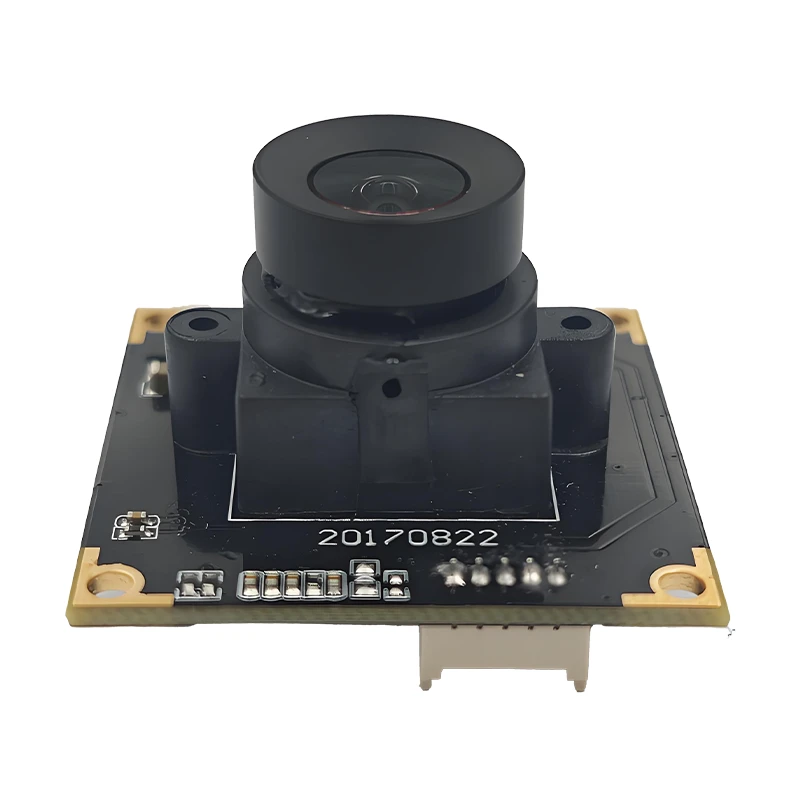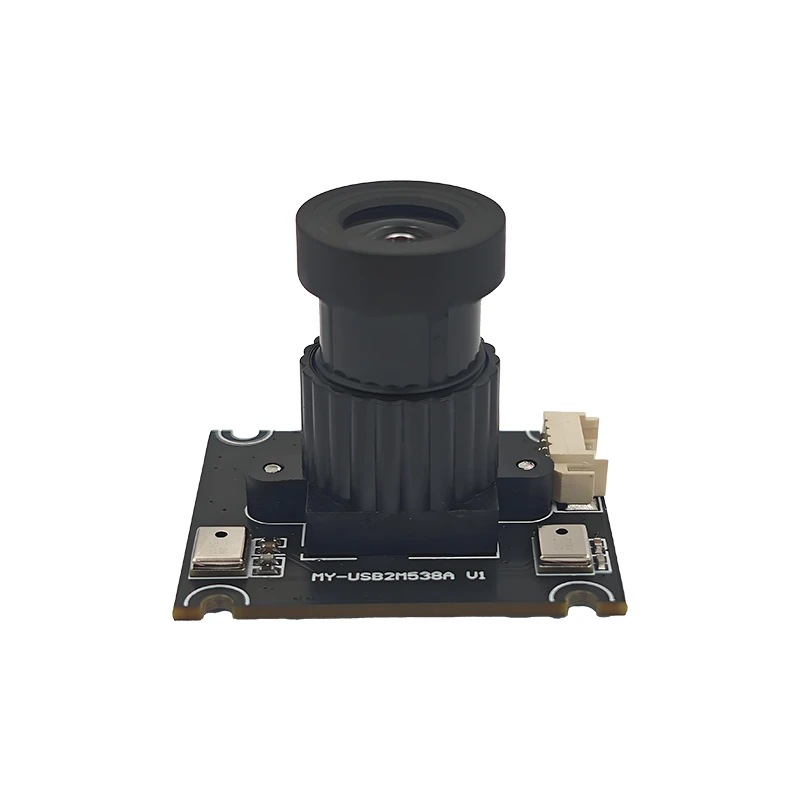
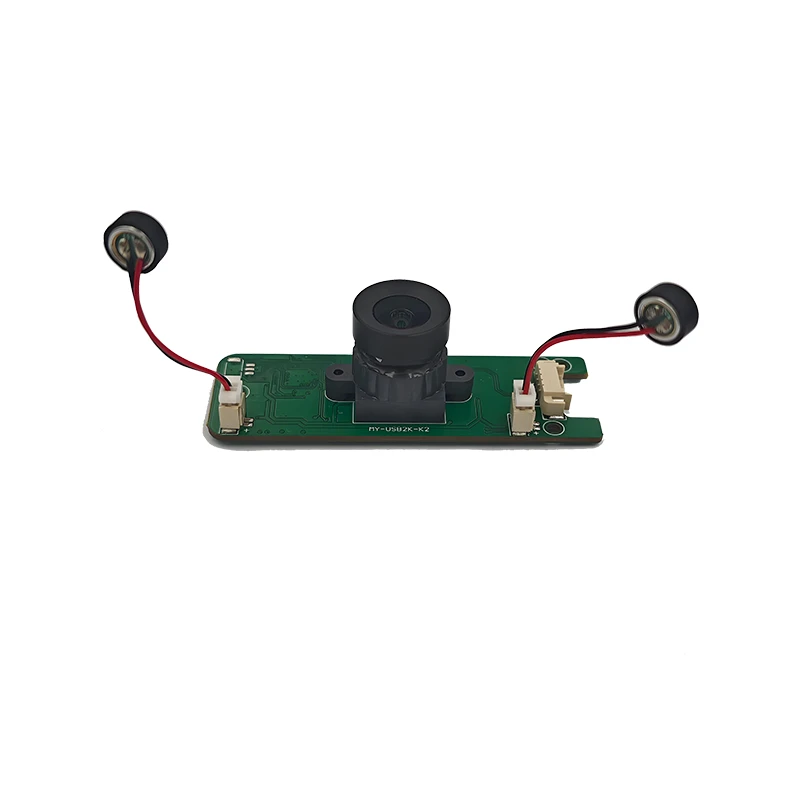
engaged in camera related products' R&D, design and production

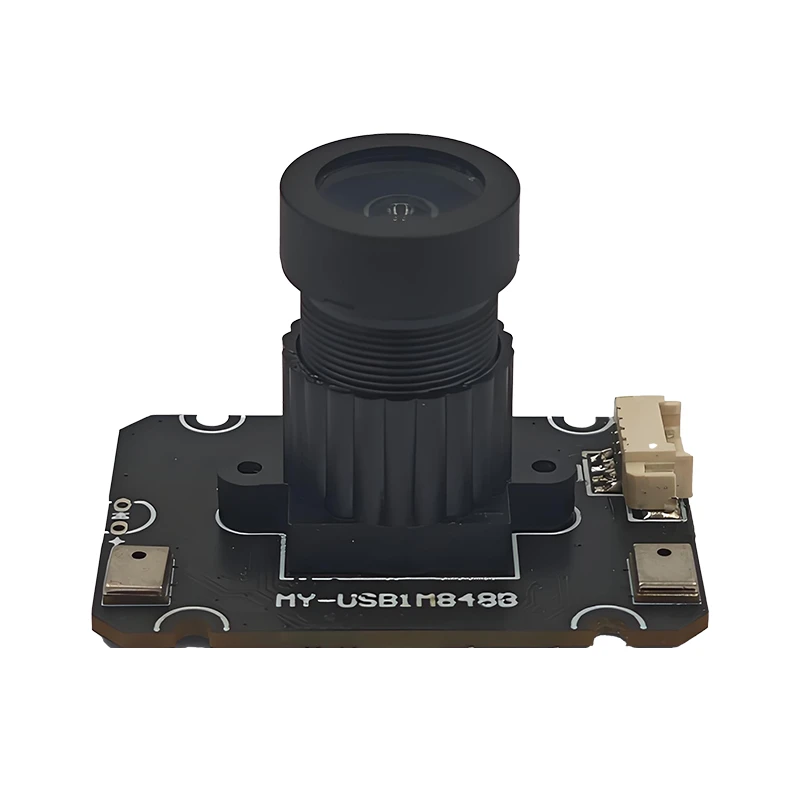
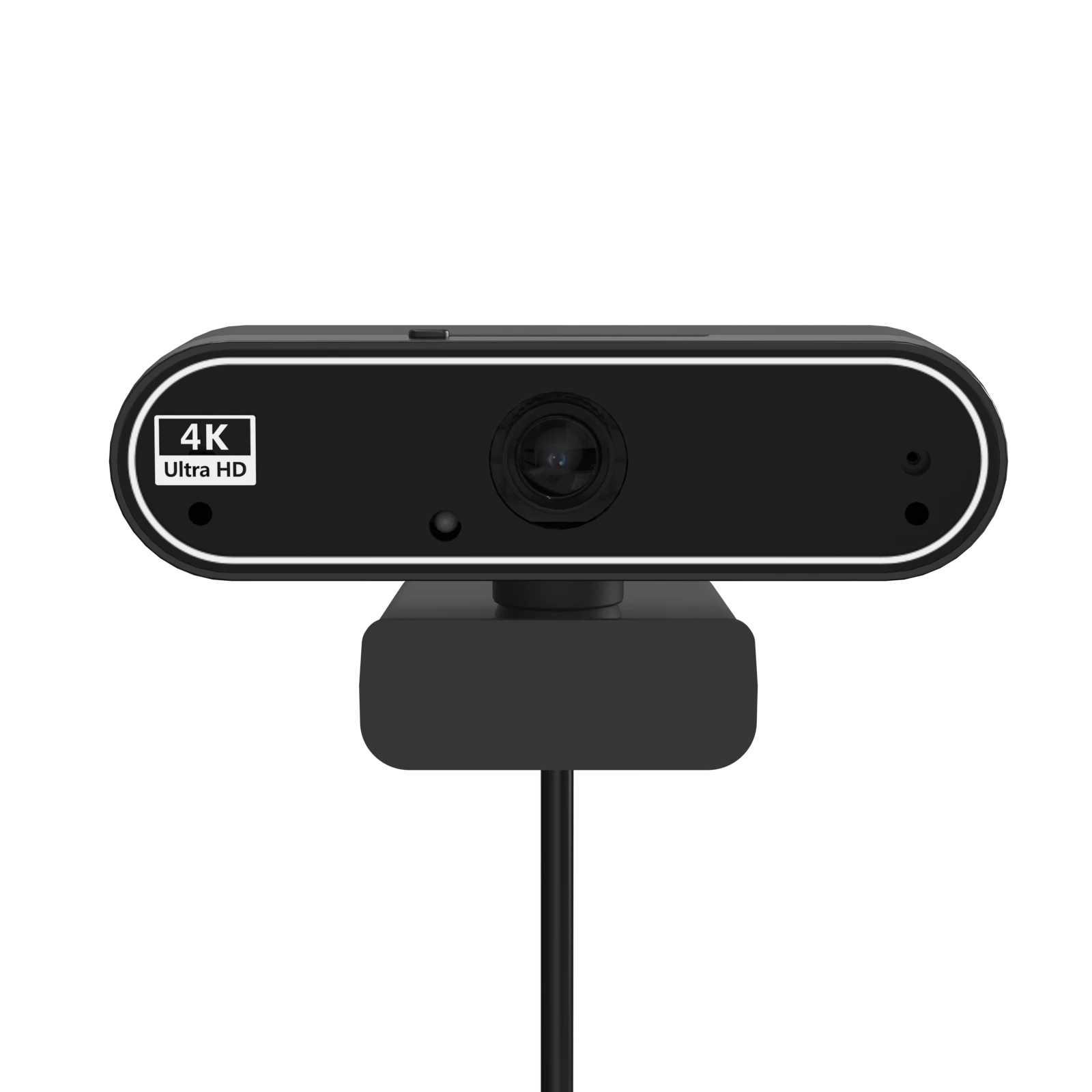
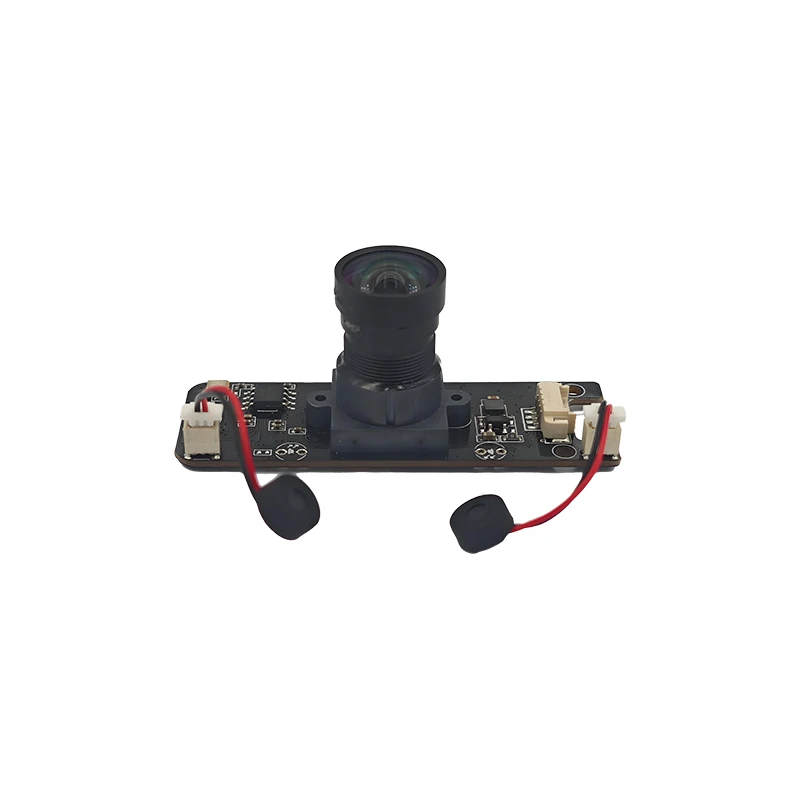
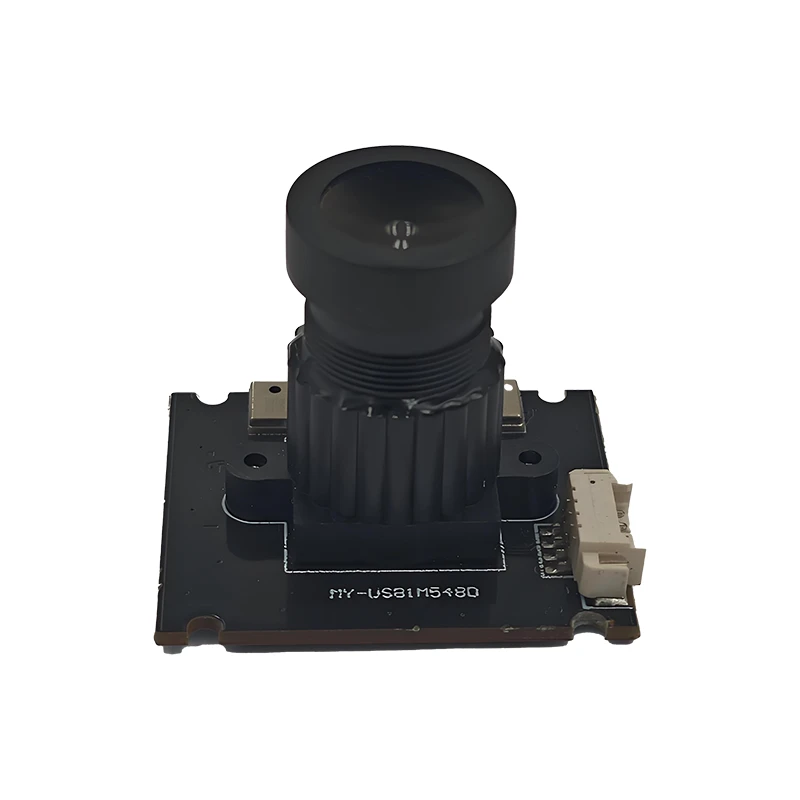
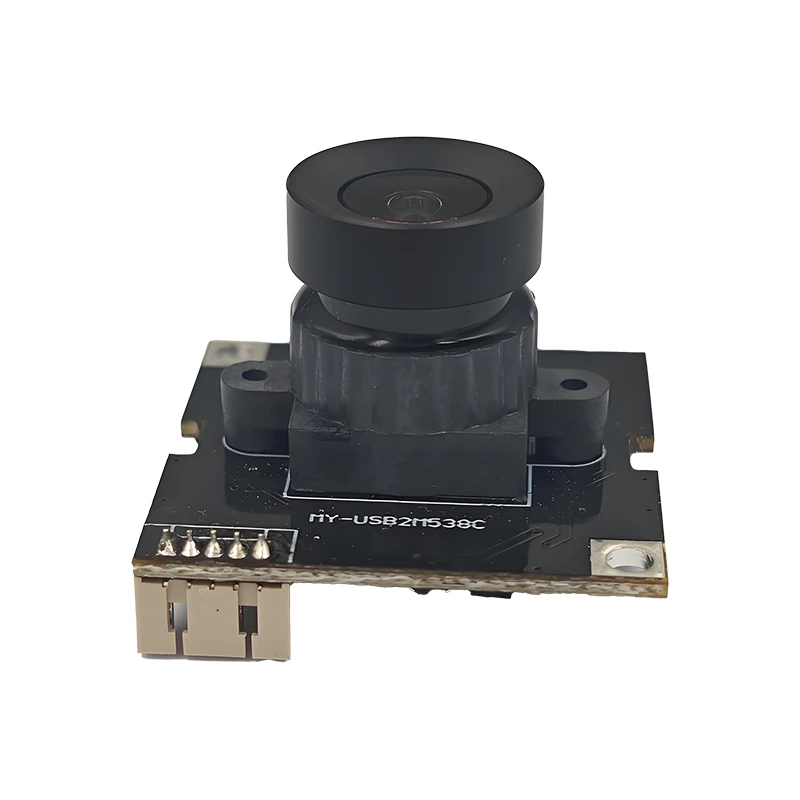
Industrial Vision Solutions with usb 3.0 camera module for Germany

High-precision imaging components engineered for German Industry 4.0 standards, integrating seamless data transmission and exceptional optical clarity.

Imaging Technology Landscape in Germany

The intersection of precision engineering and digital optical sensing in the European industrial hub.

Germany's industrial landscape is currently dominated by the transition toward "Industrie 4.0," where the demand for a high-performance camera module has surged. In regions like Bavaria and Baden-Württemberg, the automotive and robotics sectors require sensors that can withstand electromagnetic interference and maintain stability under rigorous factory conditions.

The local market emphasizes extreme reliability and longevity. German engineers prioritize the integration of fpc camera module designs due to their space-saving nature and ability to be integrated into compact robotic arms and medical diagnostic devices, ensuring that high-speed data is captured without signal degradation.

Furthermore, the economic shift toward sustainable manufacturing has led to a preference for energy-efficient module camera usb interfaces. These components allow for rapid deployment across diverse production environments, reducing downtime and facilitating real-time quality control in accordance with strict EU regulatory standards.
Evolution of Optical Sensing and Development Trajectory

From analog capture to high-speed digital intelligence.

Market Development History

Until the early 2010s, German industrial imaging relied heavily on bulky analog systems. The first major shift occurred around 2012-2015 with the adoption of USB 2.0, which simplified connectivity but limited the bandwidth required for high-resolution inspections.

Between 2016 and 2020, the industry saw a rapid migration toward the usb 3.0 camera module standard. This iteration provided the necessary throughput for 1080p and 4K streams, enabling machine vision systems to perform high-speed defect detection on automotive assembly lines.

Since 2021, the focus has shifted toward "Ultra-HD Sensing." The introduction of the 12mp usb camera module has allowed for sub-millimeter precision, bridging the gap between traditional microscopy and industrial-scale automation.

Future Development Trends

Edge-AI Integration

The next 3 years will see the integration of AI processing directly into the module, reducing the load on the host CPU and enabling autonomous decision-making at the sensor level.

Miniaturization via FPC

We expect a 40% increase in the adoption of flexible printed circuits to accommodate the trend of "invisible" sensors in smart city infrastructure and wearable industrial tech.

Hyperspectral Imaging

Google search trends indicate a growing interest in non-visible spectrum analysis for German agricultural tech and pharmaceutical quality assurance.

Industry Trends and Future Outlook

Predicting the next wave of optical innovation in the European market.

Ultra-High Bandwidth
Transitioning beyond USB 3.0 to support uncompressed 8K raw data streams for surgical robotics.
Computational Photography
Implementing HDR and low-light enhancement algorithms directly within the sensor firmware.
Adaptive Optics
Liquid lens integration to achieve millisecond autofocus in dynamic industrial environments.
Eco-Sustainable Design
Reducing rare-earth metal usage in lens elements and adopting recyclable polymers for casings.

Industry Outlook

The convergence of 5G connectivity and high-resolution imaging will transform Germany's logistics hubs. We anticipate a surge in demand for distributed sensor networks that use standardized USB interfaces to feed real-time data into cloud-based digital twins.

As the "Mittelstand" (SMEs) increasingly adopt automation, the requirement for "plug-and-play" imaging modules will grow, favoring manufacturers who can provide robust SDKs and seamless hardware-software integration.

Localized Application Scenarios in Germany

Practical deployments of imaging technology in Germany's leading industries.

01. Automotive Quality Control ( Stuttgart/Munich )

Using a 12mp usb camera module for high-precision surface inspection of engine components to detect microscopic cracks during the assembly process.

02. Medical Diagnostic Equipment ( Berlin )

Integration of fpc camera module sensors into endoscopes and handheld diagnostic tools, where flexibility and a small footprint are critical for non-invasive procedures.

03. Automated Logistics ( Hamburg Port )

Deployment of usb 3.0 camera module units for real-time container tracking and OCR reading of shipping labels in varying lighting conditions.

04. Smart Factory Monitoring ( Ruhr Valley )

Implementation of module camera usb arrays for behavioral analysis of robotic arms, optimizing path planning and reducing energy consumption.

05. Precision Agriculture ( Lower Saxony )

Utilizing specialized camera module systems for crop health monitoring via autonomous drones, focusing on spectral analysis of plant vitality.

Brand Story

Global Development Journey of Shenzhen Minyou Digital Technology Co., Ltd.

Founding Vision

Established with the goal of bridging the gap between complex optical physics and practical industrial application, focusing on high-stability sensing.

Technological Breakthrough

Pioneered the integration of high-resolution CMOS sensors with optimized USB 3.0 controllers, significantly reducing latency for machine vision.

European Market Entry

Aligned our production standards with EU certifications, specifically targeting the German automotive and medical sectors with tailored OEM solutions.

Scaling Innovation

Expanded our R&D to include flexible circuit designs, enabling the creation of the world's most compact yet powerful FPC camera systems.

Global Leadership

Today, we serve as a strategic partner for Fortune 500 companies, providing the optical "eyes" for the next generation of AI-driven automation.

Frequently Asked Questions - Germany

Technical insights and support for our European clients.

How does a usb 3.0 camera module improve industrial throughput?

USB 3.0 provides a massive jump in bandwidth compared to 2.0, allowing for high-frame-rate, uncompressed image transmission, which is essential for real-time defect detection in fast-moving German production lines.

Is the 12mp usb camera module compatible with Linux-based industrial OS?

Yes, our 12MP modules are designed with UVC compliance, ensuring seamless integration with Ubuntu, Debian, and other Linux distributions commonly used in European robotics.

What are the advantages of an fpc camera module in medical devices?

FPC (Flexible Printed Circuit) allows the camera to be bent or folded into extremely tight spaces, making it ideal for minimally invasive surgical tools where traditional rigid PCBs cannot fit.

Can a module camera usb be customized for low-light factory environments?

Absolutely. We offer customized lens apertures and sensor tuning to increase sensitivity, ensuring clear imagery even in the dimmed environments of automated warehouses.

What is the typical lifespan of a camera module in a 24/7 industrial cycle?

Our industrial-grade modules are rated for continuous operation. With proper thermal management, they typically maintain peak performance for over 50,000 hours of active use.

Do you provide SDKs for integrating camera modules into custom ERP software?

Yes, we provide comprehensive SDKs and API documentation to allow German software engineers to integrate our hardware directly into their proprietary management systems.

Ready to Optimize Your Vision System?

Our engineering team is ready to provide technical consultancy and custom hardware samples for your projects in Germany.

Contact Us Now

If you are interested in our products, you can choose to leave your information here, and we will be in touch with you shortly.