
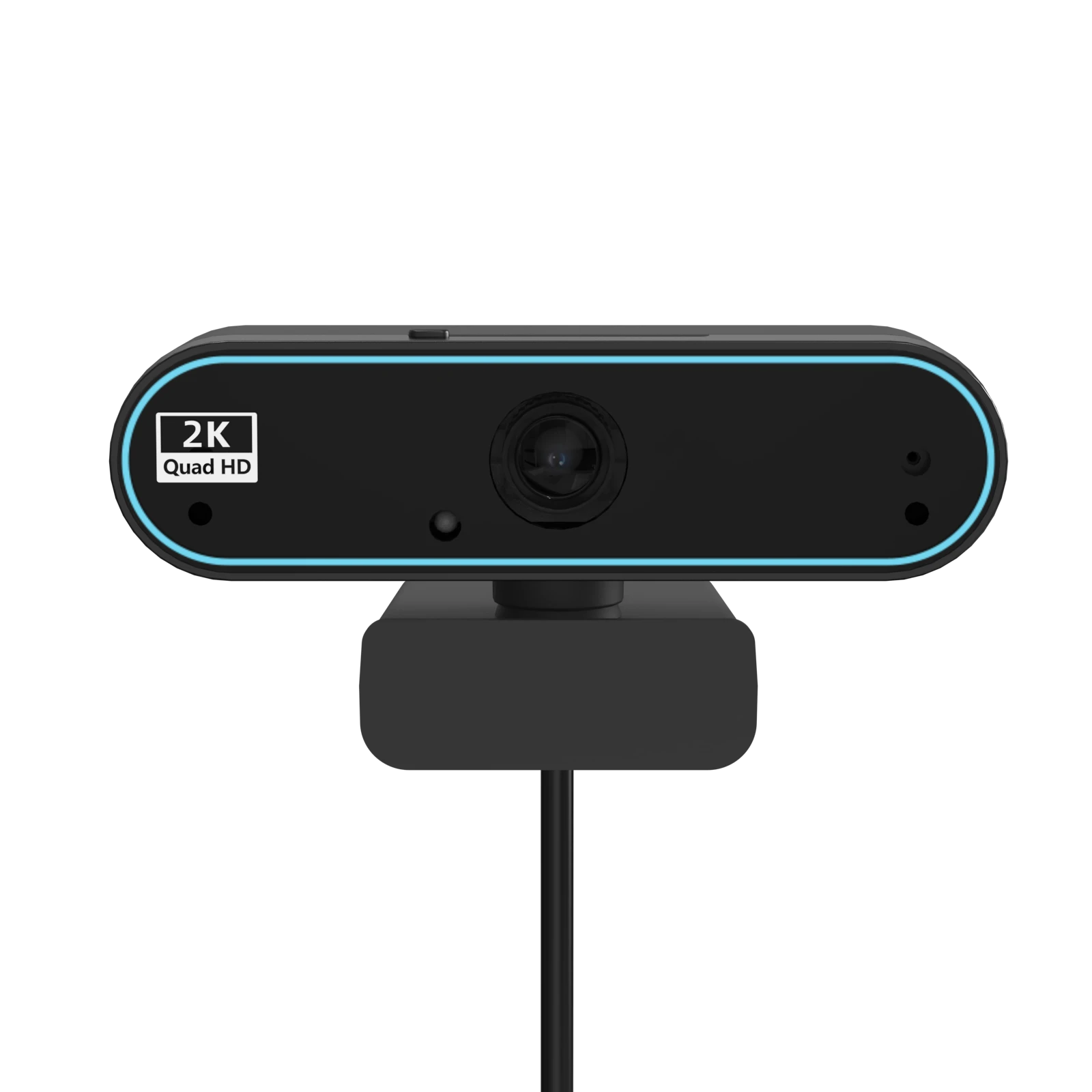
engaged in camera related products' R&D, design and production

Sri Lanka Advanced usb 3.0 camera module Solutions

Empowering Sri Lankan industries with high-speed imaging technology and precision optical components for a digital future.

Imaging Infrastructure in Sri Lanka

Analyzing the adoption of high-resolution optical modules in the South Asian market.

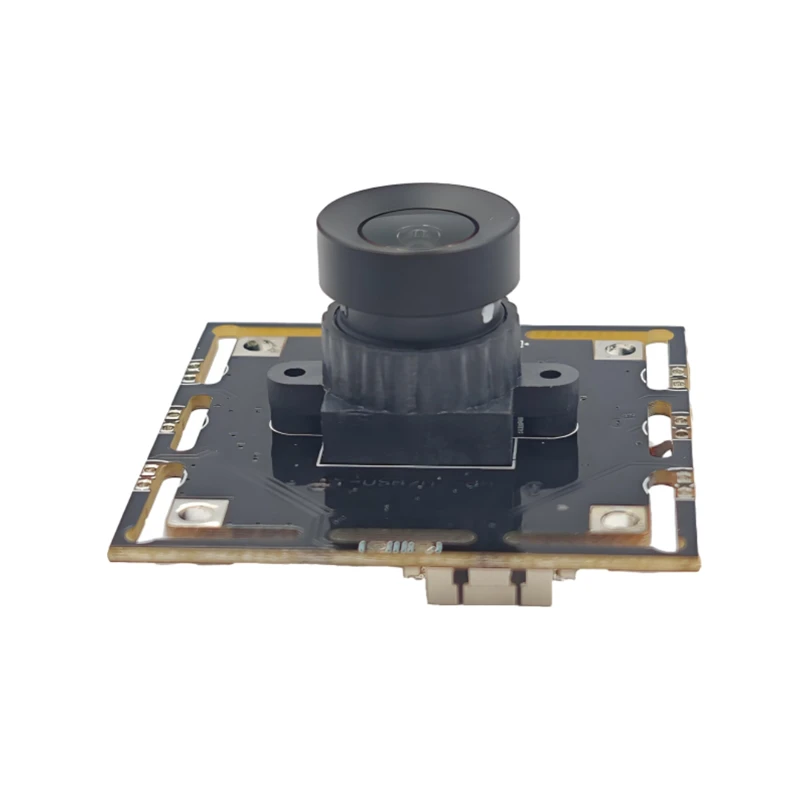
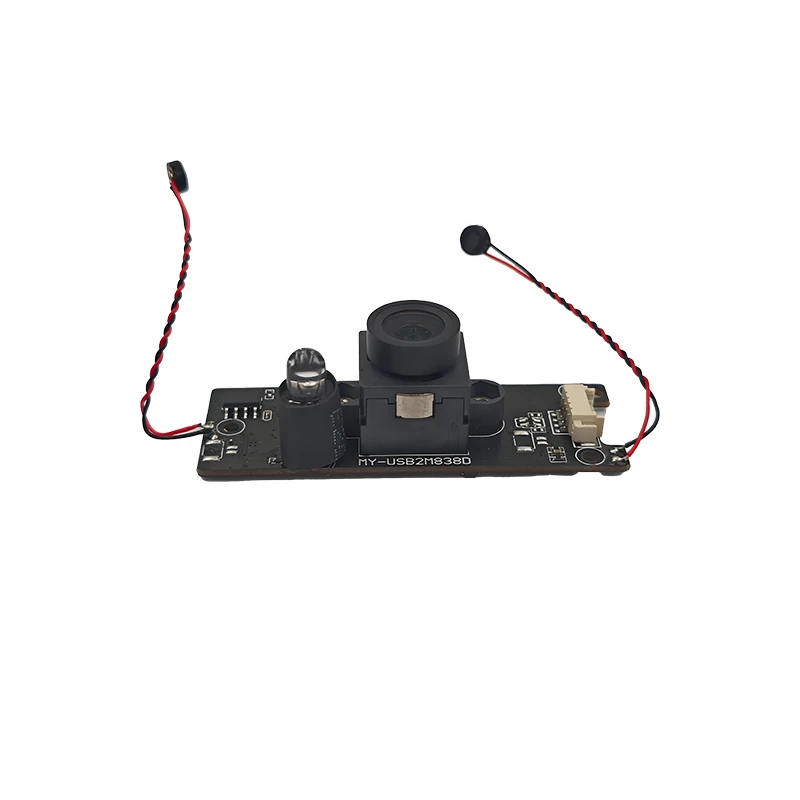
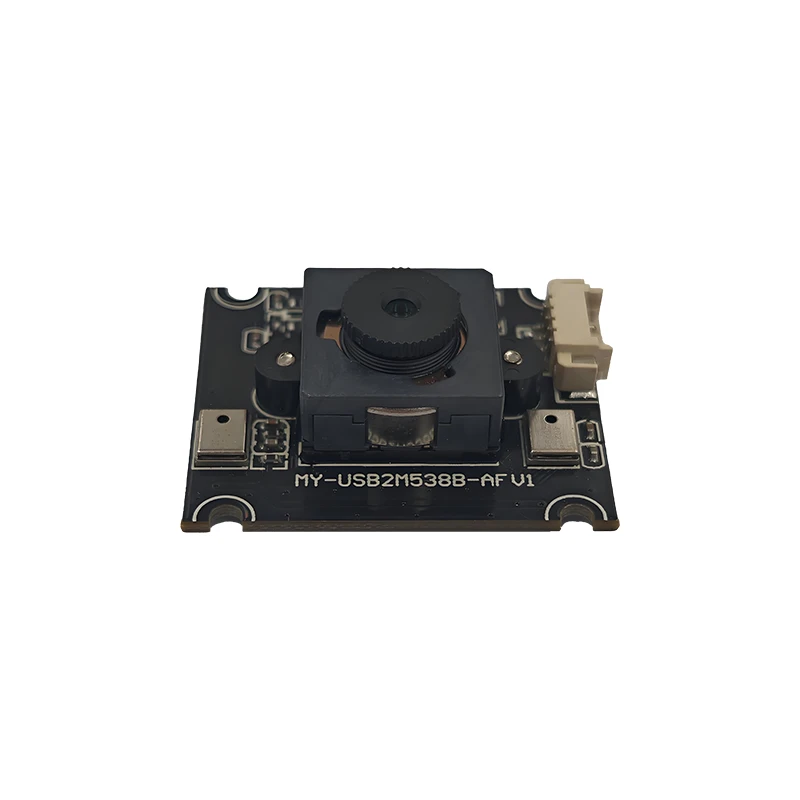
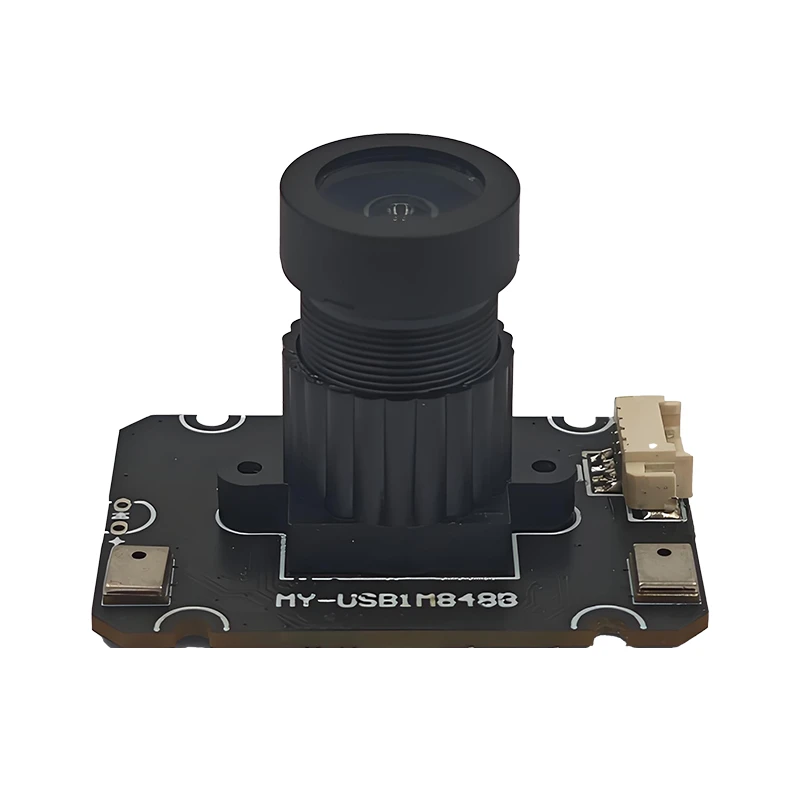
Sri Lanka's current industrial landscape is experiencing a shift toward digitalization, particularly in the apparel and tea export sectors. The demand for a reliable module camera usb interface has surged as local manufacturers implement automated quality control systems to maintain global competitiveness.

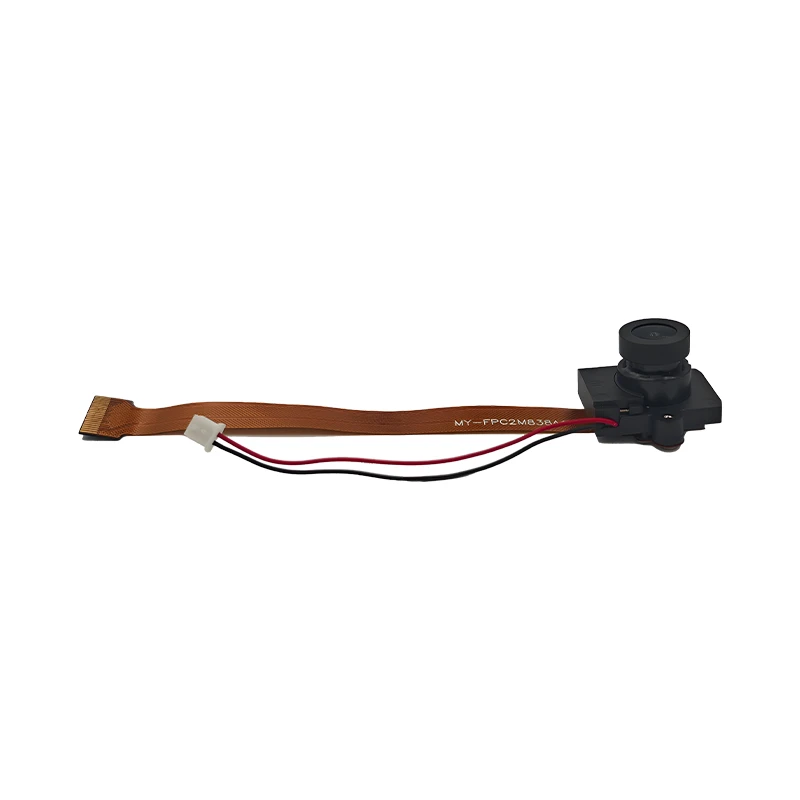
Environmental factors, such as high humidity and tropical temperatures, pose significant challenges for electronic components. Consequently, there is a growing need for ruggedized fpc camera module designs that can withstand coastal atmospheric conditions while providing stable data transmission for surveillance and agricultural monitoring.

Economic restructuring is pushing local SMEs to adopt cost-effective yet powerful imaging tools. The transition toward 12mp usb camera module hardware allows businesses in Colombo and Kandy to implement high-precision scanning and visual inspection without the need for oversized, expensive industrial camera setups.
Evolution of Imaging Technology in Sri Lanka

From basic analog capture to high-speed digital integration.

Market Development History

In the early 2010s, the Sri Lankan market relied heavily on standard VGA analog cameras. The first major shift occurred around 2015 with the widespread adoption of USB 2.0 interfaces, which simplified the integration of basic imaging tools into office automation.

Between 2018 and 2022, the "Industry 4.0" movement hit the region, leading to a transition from bulky sensors to compact fpc camera module architectures. This allowed for more flexible installation in tight machinery spaces within the garment industry.

Currently, the market has entered the era of high-bandwidth data transfer. The migration to USB 3.0 standards has enabled real-time 4K processing, reducing latency in critical inspection lines and enabling AI-driven visual analytics.

Future Development Trends

Edge AI Integration

We predict a surge in modules that process data on-device, reducing the reliance on heavy cloud infrastructure in areas with unstable internet connectivity.

Ultra-Compact Form Factors

The trend is moving toward miniaturization, where high-resolution sensors are integrated into smaller footprints for wearable industrial tech.

Spectrum Expansion

Increased interest in multispectral imaging for Sri Lanka's precision agriculture to monitor crop health via specialized optical modules.

Industry Trends and Future Outlook

Navigating the next frontier of visual sensing and data transmission.

High-Bandwidth Migration
Widespread transition to USB 3.0 to support lossless high-resolution streaming for industrial robotics.
Resolution Scaling
Shift toward 12MP and higher sensors for microscopic defect detection in electronics assembly.
Flexible Integration
Increased demand for FPC-based connections to allow custom fitting in non-standard hardware.
Smart Vision AI
Integration of machine learning algorithms directly with camera modules for automated sorting.

Industry Outlook

Based on search trends and regional industrial growth, the next 3-5 years in Sri Lanka will see a convergence of imaging and AI. The move toward "Zero-Defect Manufacturing" will make high-resolution USB 3.0 modules an essential standard rather than a luxury.

Furthermore, the expansion of the local tech ecosystem will drive demand for customized OEM modules, moving away from generic off-the-shelf products toward specialized sensors tailored for tropical agricultural and maritime environments.

Local Application Scenarios in Sri Lanka

Practical implementations of advanced camera modules across regional sectors.

01. Apparel Quality Control

Using high-resolution modules to detect fabric defects and stitching errors in real-time on garment production lines in Colombo.

02. Tea Plantation Monitoring

Deploying ruggedized sensors for remote monitoring of tea leaf growth and pest detection in the central highlands.

03. Maritime Port Automation

Implementing high-speed USB cameras for container tracking and OCR scanning at the Port of Colombo.

04. Medical Diagnostic Imaging

Integrating compact USB modules into portable diagnostic tools for rural healthcare clinics throughout the island.

05. Smart City Surveillance

Utilizing wide-angle modules for traffic management and urban security in developing smart city zones.

Brand Story

Global Development Journey of Shenzhen Minyou Digital Technology Co., Ltd.

Foundational Excellence

Established with a mission to solve the complexity of industrial imaging, focusing on high-stability sensor integration.

Technical Breakthroughs

Pioneered the optimization of USB 3.0 data pathways to ensure zero-latency image transmission for high-speed lines.

Global Market Expansion

Extended our reach to Asia and beyond, tailoring optical solutions for diverse climatic conditions and industrial needs.

Innovation Leadership

Developed industry-leading 12MP modules that balance power consumption with extreme visual clarity.

Sustainable Future

Committed to providing eco-friendly and durable imaging components that reduce electronic waste in the global supply chain.

Sri Lanka Local Imaging FAQs

Expert answers to common technical queries regarding camera module deployment.

How do I choose the right usb 3.0 camera module for high-humidity environments in Sri Lanka?

We recommend modules with conformal coating and sealed housing to prevent moisture ingress, ensuring the USB 3.0 interface remains corrosion-free.

What are the advantages of a 12mp usb camera module for apparel inspection?

The higher pixel density allows for the detection of microscopic fabric tears and thread inconsistencies without requiring the camera to be placed extremely close to the material.

Can a module camera usb be integrated into existing legacy PLC systems?

Yes, by using a compatible industrial PC as a bridge, our USB modules can feed visual data into most modern PLC-driven automation workflows.

Is the fpc camera module suitable for wearable industrial devices?

Absolutely. The Flexible Printed Circuit (FPC) allows the sensor to be mounted in curved or tight spaces, making it ideal for wearable tech used in logistics.

What is the typical lead time for custom camera module orders to Sri Lanka?

Lead times vary by customization level, but standard modules are typically shipped within 7-14 business days via international express.

Do your USB 3.0 modules support UVC drivers for plug-and-play use?

Yes, our modules are UVC compliant, meaning they work instantly with Windows, Linux, and macOS without needing proprietary drivers.

Consult Our Imaging Experts

Ready to upgrade your visual systems? Contact us today for specialized technical support and procurement in Sri Lanka.

Contact Us Now

If you are interested in our products, you can choose to leave your information here, and we will be in touch with you shortly.