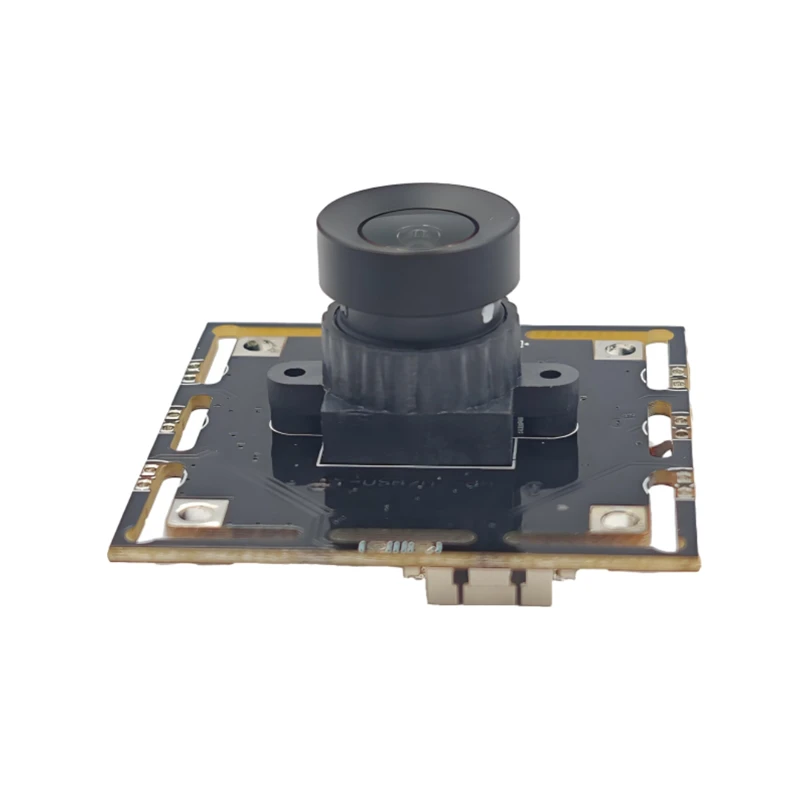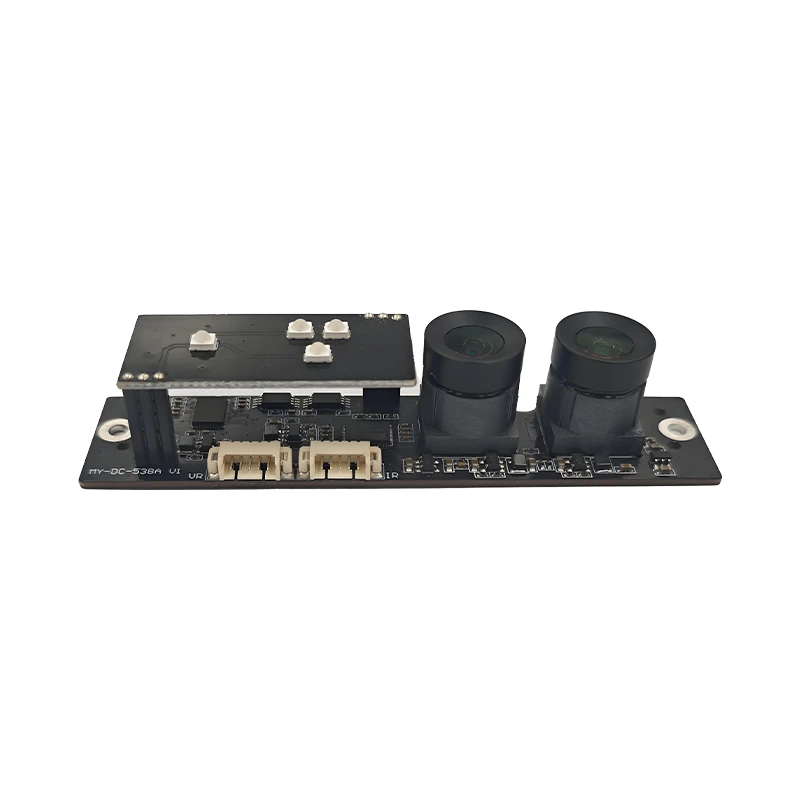
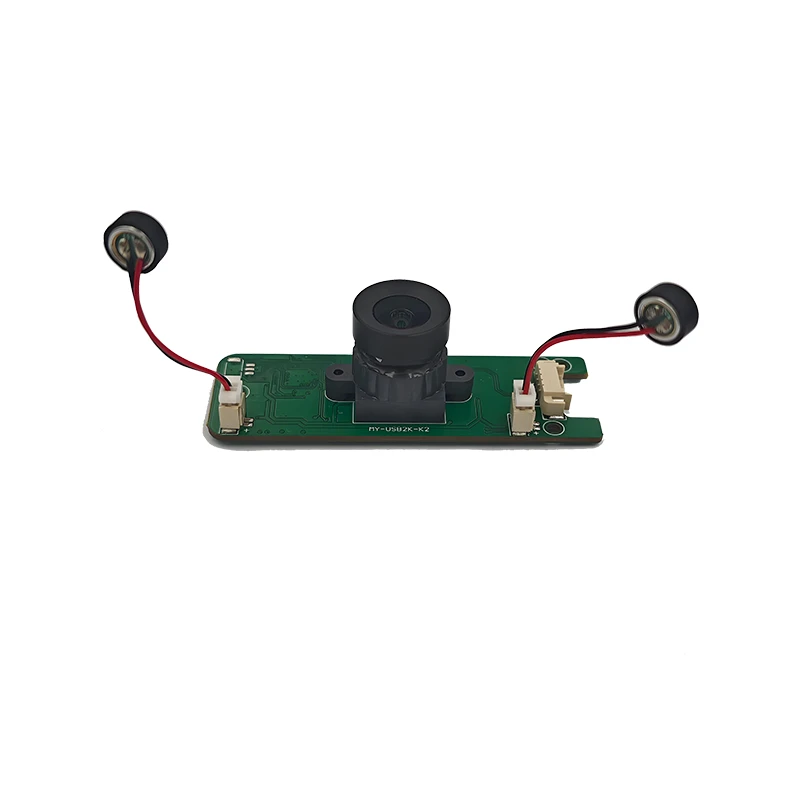
engaged in camera related products' R&D, design and production

Advanced usb 3.0 camera module Solutions for DRC Industrial Integration

Providing high-performance imaging hardware tailored for the unique infrastructure and environmental demands of the Democratic Republic of the Congo.

The Current State of Imaging Technology in Democratic Republic of the Congo

Analyzing the adoption of digital vision systems within Africa's heartland.

In the Democratic Republic of the Congo, the adoption of a camera module is increasingly driven by the mining sector and urban security needs. However, the extreme humidity of the Congo Basin and the dust of the Katanga region pose significant challenges to electronic stability, requiring hardware with superior ingress protection.

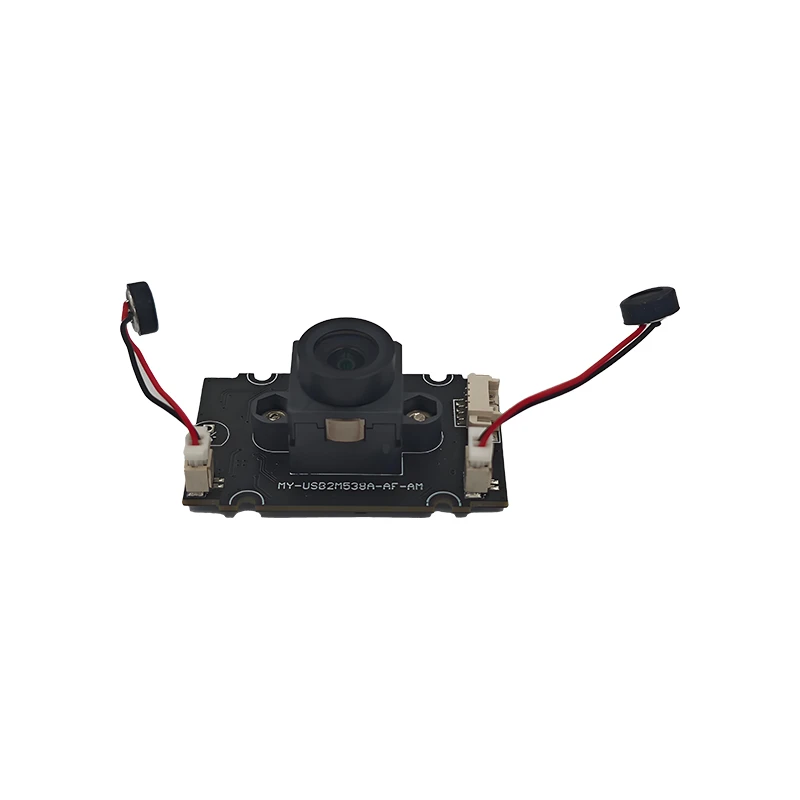
Infrastructure gaps in remote provinces often mean that data transmission is a bottleneck. This has led to a surge in demand for the module camera usb interface, as it allows for rapid deployment and plug-and-play compatibility with existing ruggedized laptops and industrial PCs used in field operations.

Currently, the market is transitioning from low-resolution analog systems to high-definition digital sensors. The need for precise mineral analysis and automated border surveillance is pushing the local industry toward adopting high-pixel density solutions to replace outdated legacy equipment.
Evolution and Trajectory of Vision Systems in DRC

From basic surveillance to high-speed industrial automation.

Market Development History

Between 2010 and 2015, the DRC relied heavily on basic CCTV systems with limited connectivity. Imaging was primarily passive, using analog signals that suffered from significant interference over long cable runs in mining sites.

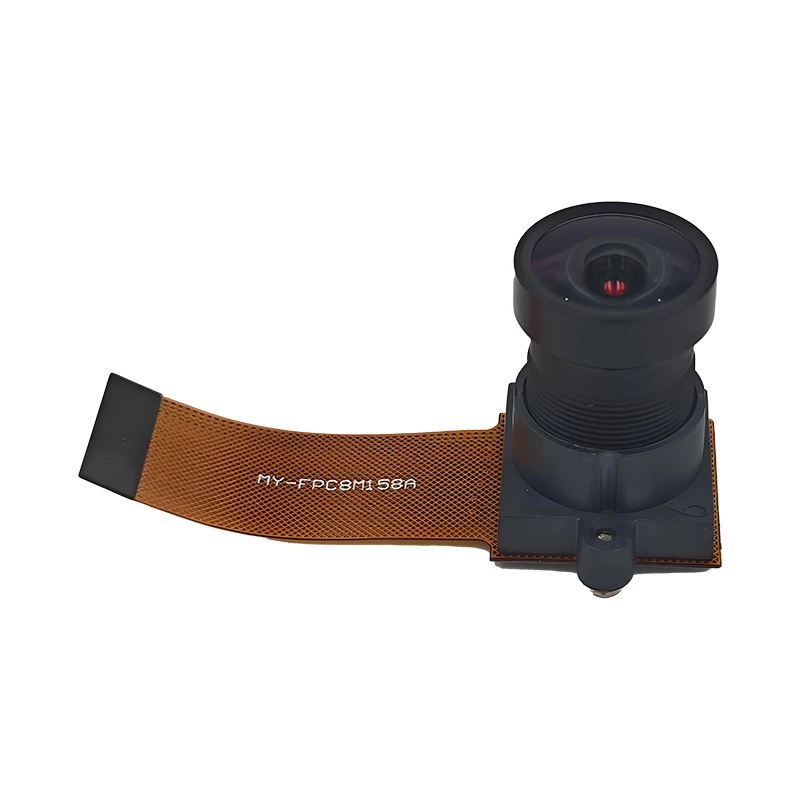
From 2016 to 2021, the shift toward digital interfaces began. The introduction of the fpc camera module enabled the creation of smaller, more flexible devices, allowing imaging hardware to be integrated into handheld scanners and portable medical devices used in rural clinics.

Since 2022, the push for "Industry 4.0" in Kinshasa and Lubumbashi has accelerated the need for bandwidth-heavy imaging. The transition to USB 3.0 standards has allowed real-time high-definition streaming for remote monitoring of hazardous environments.

Future Development Trends

AI-Edge Integration

Future systems will move beyond simple capture, integrating AI at the edge to analyze mineral quality or security threats locally, reducing the reliance on unstable cloud networks.

Ultra-High Resolution

The transition toward a 12mp usb camera module will become the standard for industrial inspection to detect microscopic defects in raw material processing.

Ruggedization 2.0

Expect a shift toward hermetically sealed modules that can withstand 95% humidity and extreme temperature fluctuations common in the Congolese rainforests.

Industry Trends and Future Outlook for DRC

Strategic forecasting for the information transmission and electronic equipment sector.

High-Bandwidth Transition
Rapid migration from USB 2.0 to USB 3.0 to support uncompressed high-resolution video streams in real-time.
Miniaturized Integration
Increasing use of FPC connectors for seamless integration into custom Congolese IoT devices and wearables.
Spectral Precision
Demand for sensors with high dynamic range to handle the harsh sunlight and deep shadows of jungle environments.
Sustainable Hardware
Focus on low-power consumption modules to align with solar-powered infrastructure in remote DRC regions.

Industry Outlook

Based on Google search trends for "Industrial IoT" and "Automated Vision" in the African region, we predict a 25% CAGR in the demand for specialized imaging modules over the next 3-5 years. The Congolese market is moving toward a hybrid model where local assembly meets international sensor standards.

The convergence of 5G deployment in urban centers like Kinshasa and the availability of high-resolution hardware will enable "Digital Twin" applications for mining operations, allowing experts in Europe or Asia to inspect DRC sites via 4K streaming modules.

Localized Application Scenarios in the DRC

Practical implementations of high-performance camera modules in Congolese industries.

01. Cobalt and Copper Mine Monitoring

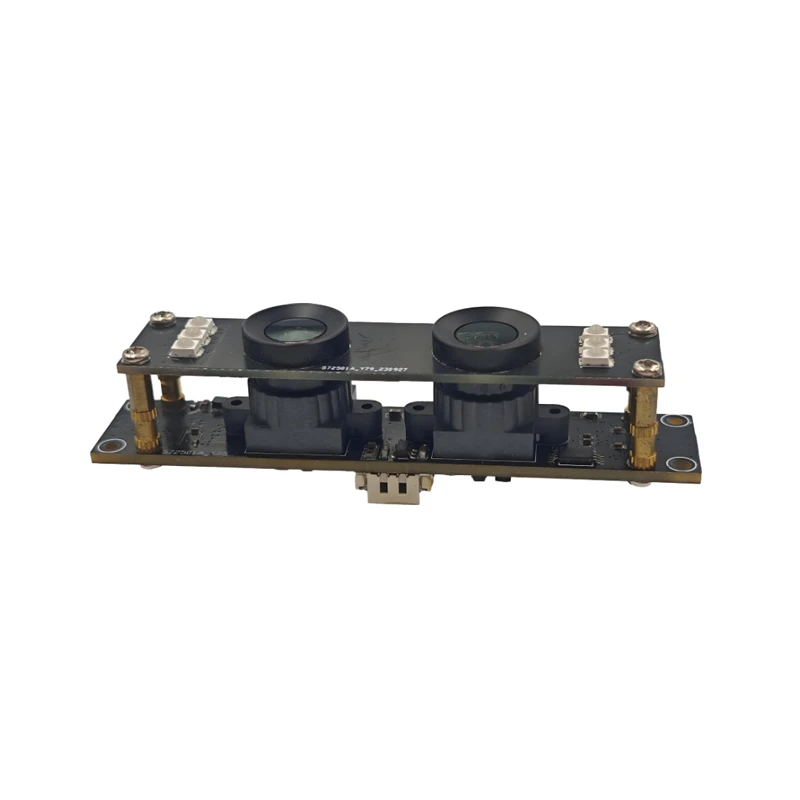
Deploying ruggedized usb 3.0 camera module units to monitor conveyor belt efficiency and ore sorting in real-time, resisting the high vibration and dust of the Lualaba province.

02. Wildlife Protection and Anti-Poaching

Integrating low-power fpc camera module systems into hidden trail cameras across Virunga National Park for long-term biodiversity tracking.

03. Urban Traffic Management in Kinshasa

Utilizing a 12mp usb camera module for high-density traffic analysis and license plate recognition to alleviate congestion in the capital city.

04. Remote Telemedicine Diagnostic Tools

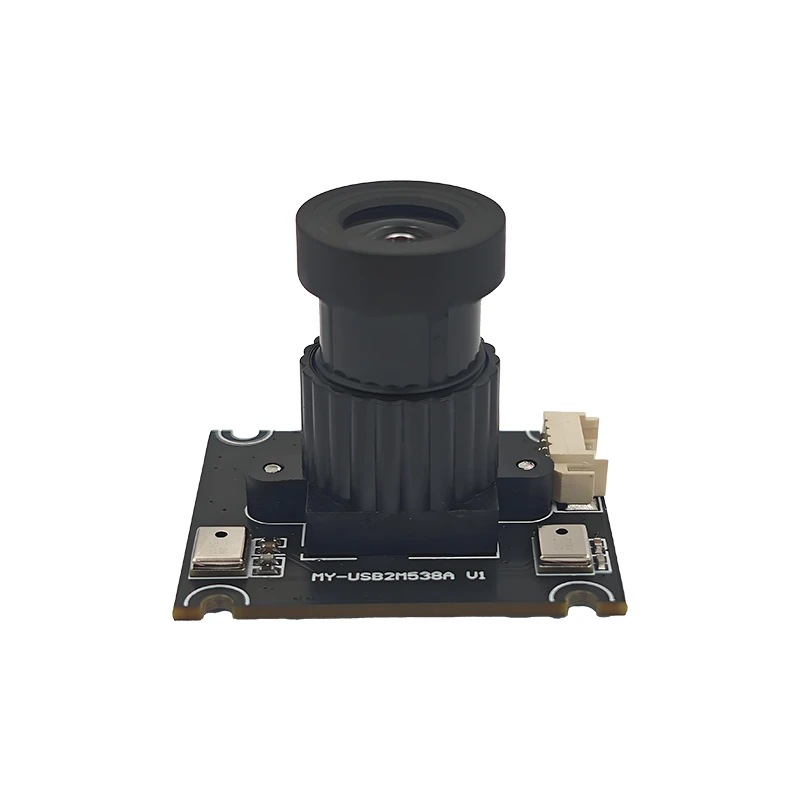
Using compact module camera usb interfaces in portable dermoscopes and otoscopes for rural health workers to transmit images to specialists in Kinshasa.

05. Border Security and Customs Automation

Installing high-resolution imaging arrays at border crossings to automate the inspection of cargo containers using advanced optical sensors.

Brand Story

Global Development History of Shenzhen Minyou Digital Technology Co., Ltd.

Founding the Vision

Started with a mission to bridge the gap between raw sensor technology and practical industrial application, focusing on stability and precision.

Technological Breakthroughs

Developed proprietary noise-reduction algorithms for high-resolution modules, enabling clear imagery in low-light industrial environments.

Global Market Expansion

Expanded operations into Africa, adapting hardware to withstand extreme humidity and temperature for the DRC and neighboring markets.

Certification and Quality

Achieved international standards for electronic components, ensuring our modules meet the rigorous demands of the global electronics manufacturing industry.

Sustainable Innovation

Currently focusing on eco-friendly manufacturing and energy-efficient imaging to support a greener industrial future globally.

Common Questions for DRC Industrial Imaging

Technical guidance and deployment support for local engineers.

How does the 12mp usb camera module perform in high-humidity environments?

Our 12MP modules can be equipped with conformal coating and IP-rated housing to prevent moisture ingress and corrosion, making them ideal for the Congo Basin climate.

What are the advantages of a usb 3.0 camera module over USB 2.0 for mining sites?

USB 3.0 provides significantly higher data throughput, allowing for uncompressed high-definition video which is critical for real-time ore analysis and safety monitoring.

Can the fpc camera module be integrated into custom handheld devices?

Yes, the Flexible Printed Circuit (FPC) design allows for extremely compact installation and bendable connectivity, perfect for bespoke Congolese IoT hardware.

Is the module camera usb compatible with Linux-based industrial controllers?

Absolutely. Our modules follow standard UVC (USB Video Class) protocols, ensuring seamless integration with Linux, Windows, and Android systems without custom drivers.

What is the typical lead time for shipping a camera module to Kinshasa?

We optimize our logistics chain to ensure rapid delivery to the DRC, typically utilizing express air freight to minimize downtime for industrial projects.

Do you provide technical support for 12mp usb camera module integration?

We offer comprehensive technical documentation and remote engineering support to help local developers optimize image quality and frame rates.

Request Your Industrial Imaging Consultation

Ready to upgrade your visual infrastructure in the Democratic Republic of the Congo? Our engineers are here to help you select the perfect module.

Contact Us Now

If you are interested in our products, you can choose to leave your information here, and we will be in touch with you shortly.