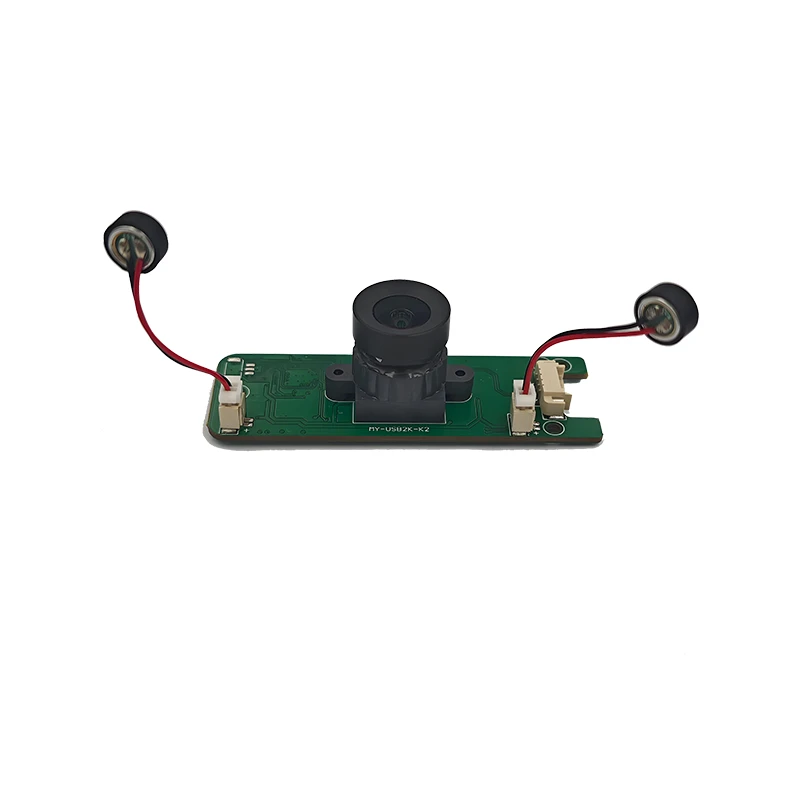
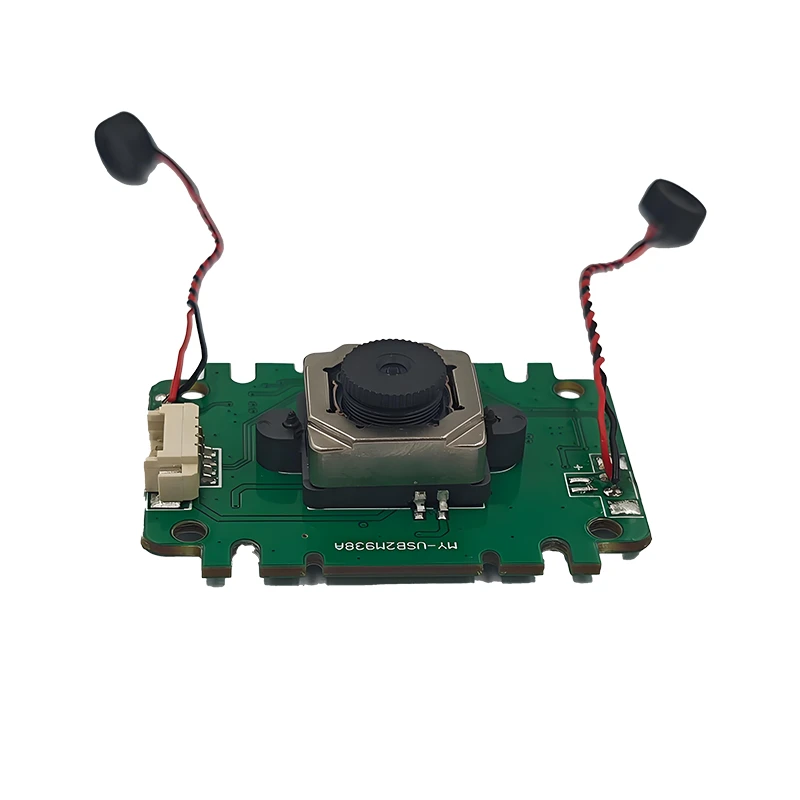
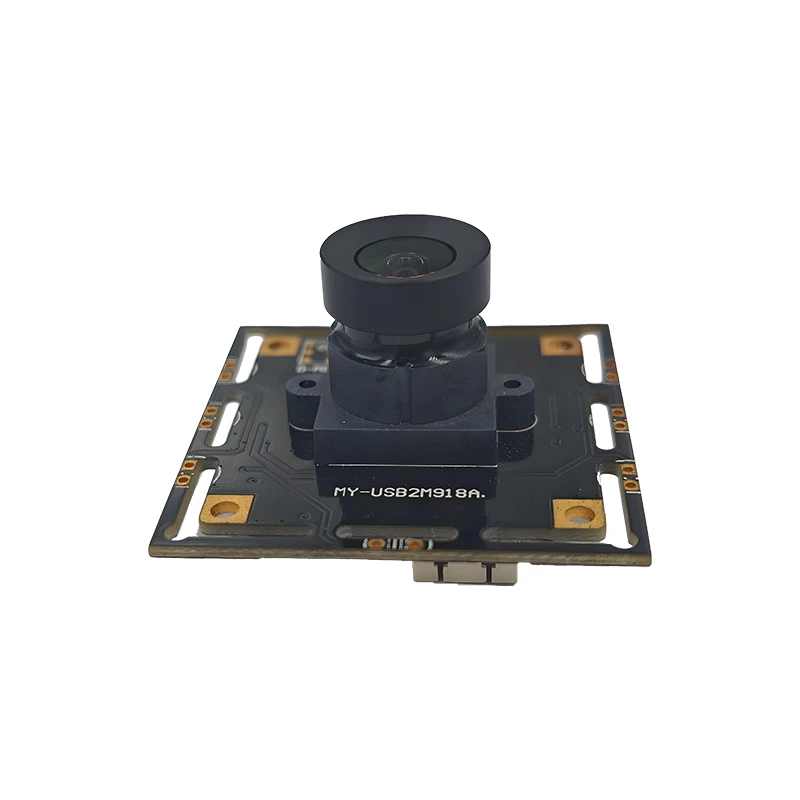
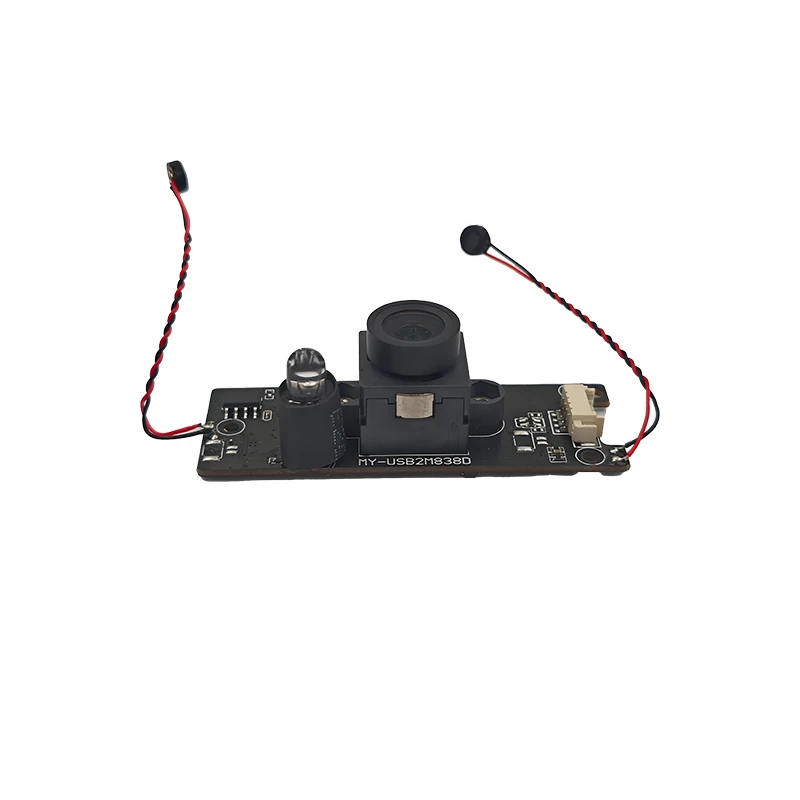
engaged in camera related products' R&D, design and production

Advanced usb 3.0 camera module Solutions for Iran Industrial Vision

High-performance imaging components engineered for the rigorous demands of Iran's electronics and software infrastructure.

The State of Imaging Technology in Iran

Analyzing the intersection of electronic manufacturing and software services in the Iranian market.

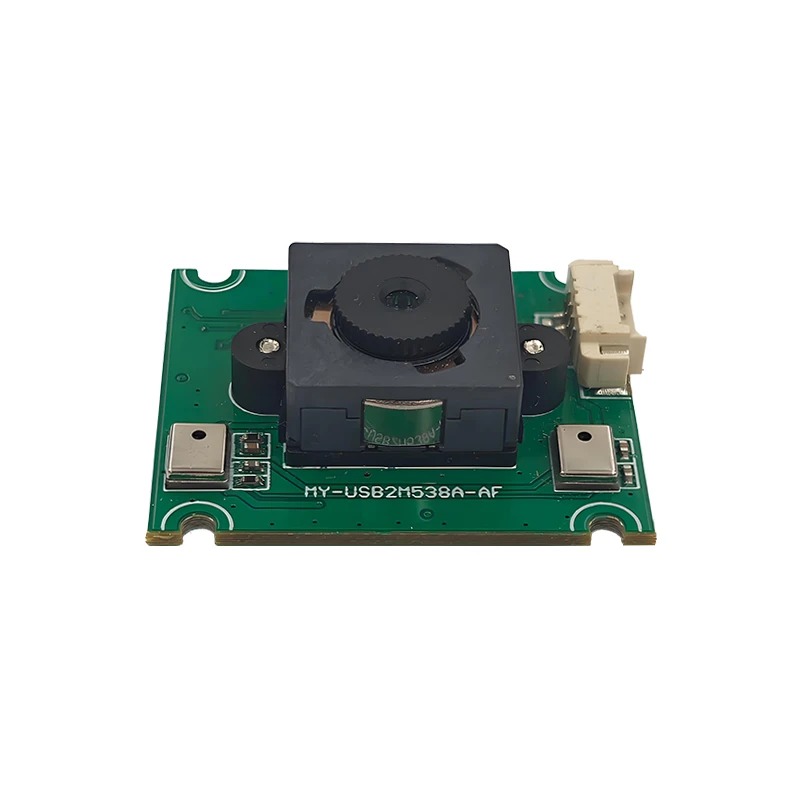
In Iran, the demand for high-quality module camera usb interfaces has grown significantly due to the rapid digitalization of the industrial sector. Local manufacturers are increasingly integrating these modules into specialized electronic equipment to bypass legacy system limitations.

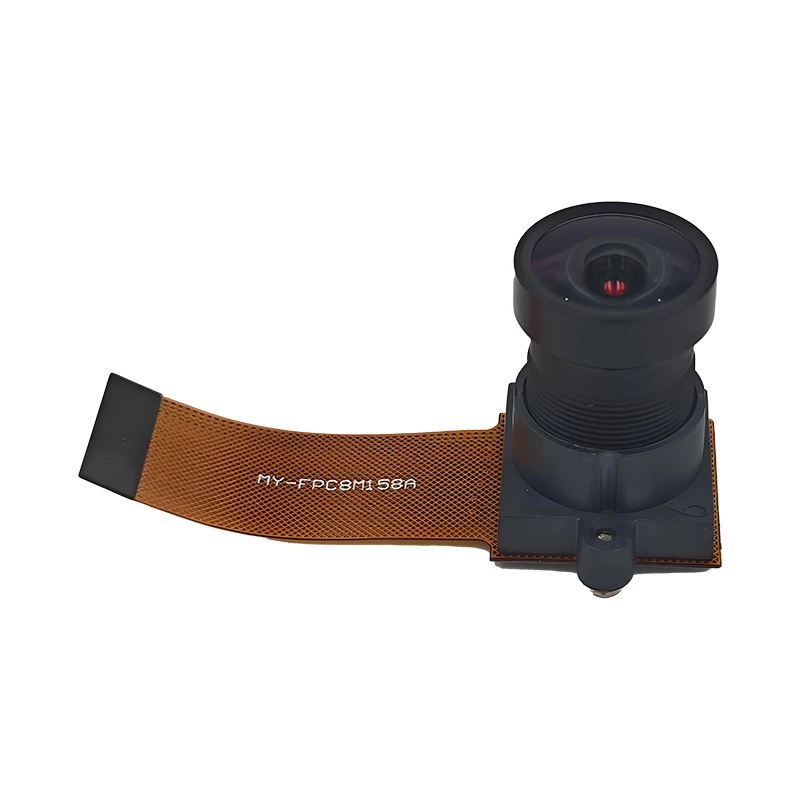
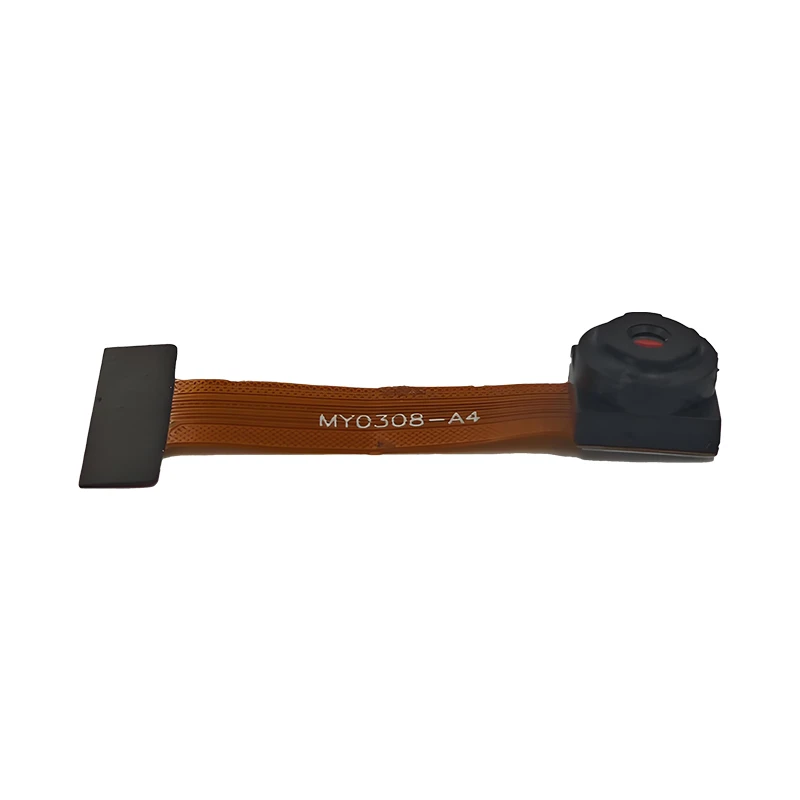
Environmental factors in the region, including extreme temperature fluctuations and dust, necessitate robust hardware. This has led to a shift toward the fpc camera module for its flexibility in tight assembly spaces and better thermal management in embedded software systems.

The convergence of software information services and hardware manufacturing in Tehran and Isfahan is driving the adoption of high-resolution sensors, where a 12mp usb camera module is becoming the standard for quality inspection and security applications.
Evolution and Trajectory of Visual Sensors

From analog components to high-speed USB 3.0 digital ecosystems.

Market Development History

During the early 2010s, the Iranian market relied heavily on analog sensors with limited resolution. The transition began around 2015 when basic USB 2.0 modules started replacing analog interfaces, enabling easier integration with software-based image processing.

Between 2017 and 2021, the industry witnessed a surge in "Smart Manufacturing." This era saw the introduction of high-bandwidth data transfer, moving from standard modules to the high-speed usb 3.0 camera module to support real-time video analytics.

Currently, the market is evolving toward miniaturization and extreme resolution. The shift toward FPC (Flexible Printed Circuit) technology has allowed for more complex device architectures in the electronic specialized equipment manufacturing sector.

Future Development Trends

AI-Driven Edge Processing

Future modules will integrate Neural Processing Units (NPUs) directly into the sensor hardware, reducing the latency between image capture and software analysis.

Hyper-Resolution Standards

The move beyond 12MP toward 4K and 8K sensors will become critical for medical imaging and aerospace inspection within the region.

Wireless Integration

A transition from physical FPC cables to high-speed short-range wireless transmission for modular camera setups to increase device durability.

Industry Trends and Future Outlook

Predicting the next 3-5 years of imaging technology based on global search trends and local demand.

Bandwidth Explosion
Increased reliance on USB 3.1 and 3.2 to handle raw, uncompressed 12MP data streams for industrial automation.
Miniaturization
Shift toward ultra-small FPC connectors to enable integration into wearable medical devices and drones.
Spectral Expansion
Growth in Near-Infrared (NIR) and Thermal modules for agricultural monitoring in arid Iranian climates.
Software Integration
Seamless API integration for USB modules with open-source computer vision libraries like OpenCV.

Industry Outlook

The integration of camera module systems into Iran's local software ecosystem is expected to accelerate. We anticipate a strong shift towards "Plug-and-Play" industrial hardware that requires zero driver configuration for rapid deployment.

Driven by global trends, the local market will likely prioritize energy-efficient modules that can operate in high-temperature environments without active cooling, ensuring long-term stability for infrastructure monitoring.

Localized Application Scenarios in Iran

Real-world implementations of high-resolution imaging in the Iranian industrial landscape.

1. Oil and Gas Pipeline Monitoring

Utilizing ruggedized usb 3.0 camera module units for real-time leak detection and structural analysis in remote pipeline sectors.

2. Precision Agriculture in Arid Zones

Deploying 12mp usb camera module sensors on autonomous drones to monitor crop health and soil moisture across the central plateau.

3. Automotive Component Inspection

Integrating fpc camera module hardware into robotic arms for high-precision quality control in Tehran's automotive assembly plants.

4. Smart City Security Infrastructure

Implementing high-density module camera usb arrays for traffic management and urban surveillance in densely populated metropolitan areas.

5. Medical Diagnostic Equipment

Developing customized endoscopic tools by combining micro-optics and flexible circuits to enhance diagnostic imaging in local clinics.

Brand Story

Global Development History of Shenzhen Minyou Digital Technology Co., Ltd.

Foundation and Vision

Established with a mission to bridge the gap between raw sensor technology and practical industrial application, focusing on high-stability imaging.

Technical Breakthroughs

Pioneered the integration of high-resolution CMOS sensors with USB 3.0 interfaces, drastically increasing data throughput for B2B clients.

Global Expansion

Expanded operations into the Asia-Pacific and Middle East markets, tailoring hardware to survive extreme climates and diverse industrial needs.

Quality Certification

Achieved international standards in electronic manufacturing, ensuring every module meets rigorous electromagnetic compatibility (EMC) requirements.

Future Innovation

Currently investing in AI-integrated vision modules to provide "intelligent eyes" for the next generation of autonomous industrial software.

Common Questions for Iran Local Clients

Expert answers regarding the deployment of imaging modules in regional projects.

How does a usb 3.0 camera module improve data speeds over USB 2.0 in industrial settings?

USB 3.0 provides significantly higher bandwidth (up to 5Gbps), allowing for the transmission of high-resolution, uncompressed frames without the lag common in USB 2.0 systems.

Is a 12mp usb camera module suitable for low-light industrial environments?

Yes, our 12MP modules feature advanced sensor technology with adjustable gain and exposure settings, making them ideal for varying light conditions in warehouses.

What are the benefits of using an fpc camera module in compact device design?

FPC (Flexible Printed Circuit) allows the module to be bent and positioned in extremely tight spaces, reducing overall device size and improving vibration resistance.

Can a module camera usb be integrated with custom Linux-based software?

Absolutely. Our modules are UVC compliant, meaning they work natively with most Linux distributions and software libraries like OpenCV without needing custom drivers.

How do I select the right camera module for extreme temperature environments in Iran?

We recommend modules with industrial-grade temperature ratings and specialized housing to ensure stability during the hot summers and cold winters of the region.

What is the maximum cable length for a high-resolution usb 3.0 camera module?

For USB 3.0, the standard passive cable length is typically up to 3 meters. For longer distances, we recommend using active repeaters or industrial USB extenders.

Get Expert Imaging Consultation

Our engineers are ready to support your next project in Iran with high-performance vision components.

Contact Us Now

If you are interested in our products, you can choose to leave your information here, and we will be in touch with you shortly.