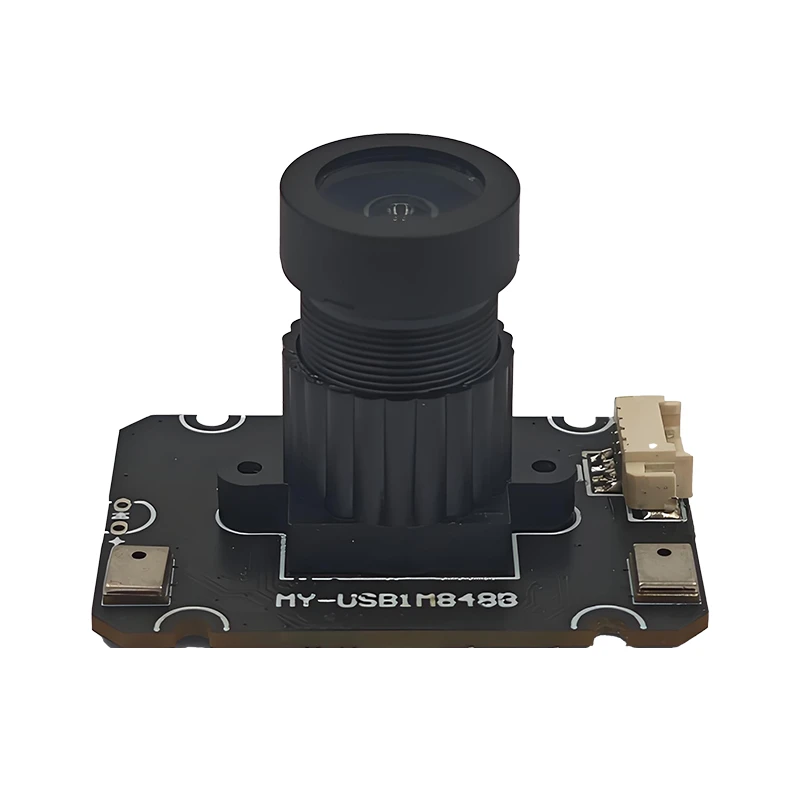
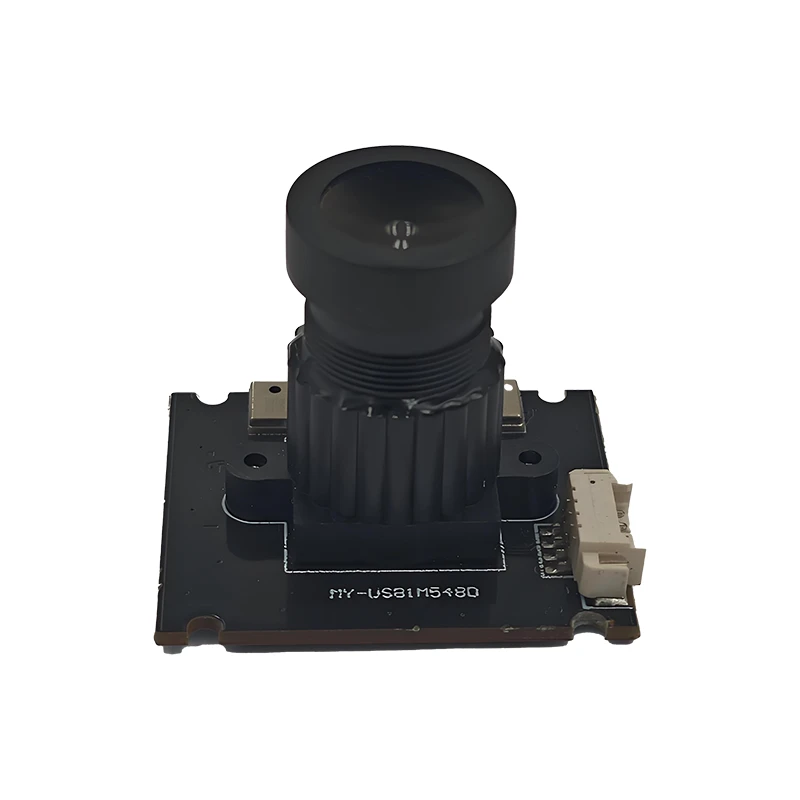
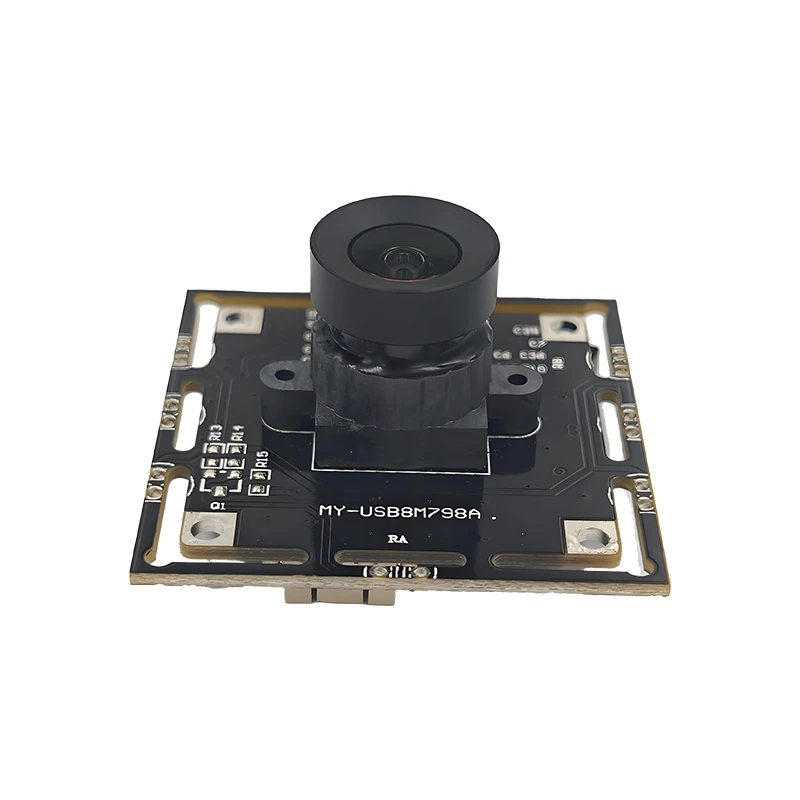
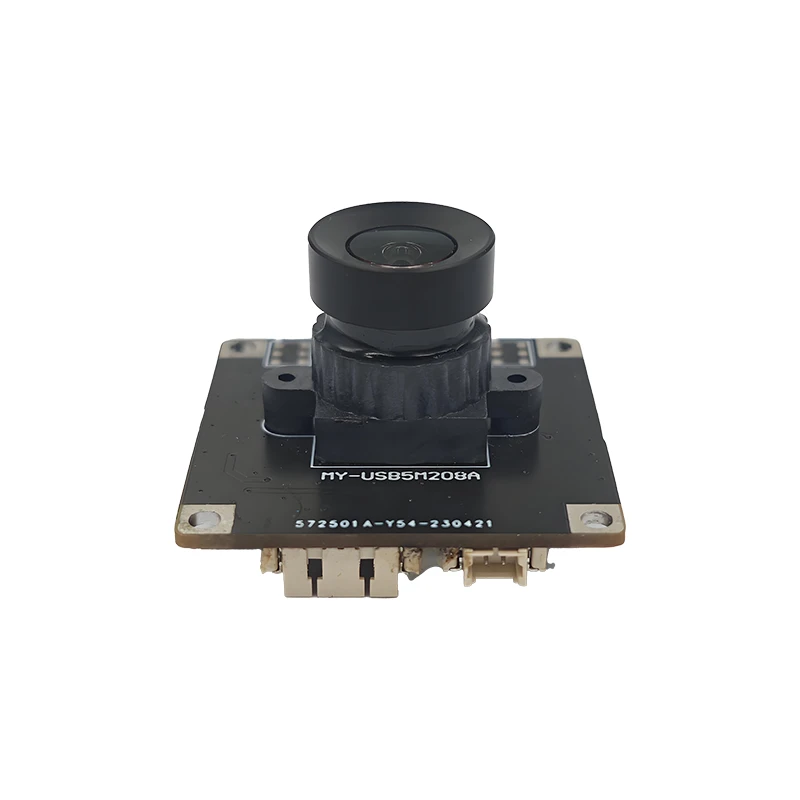
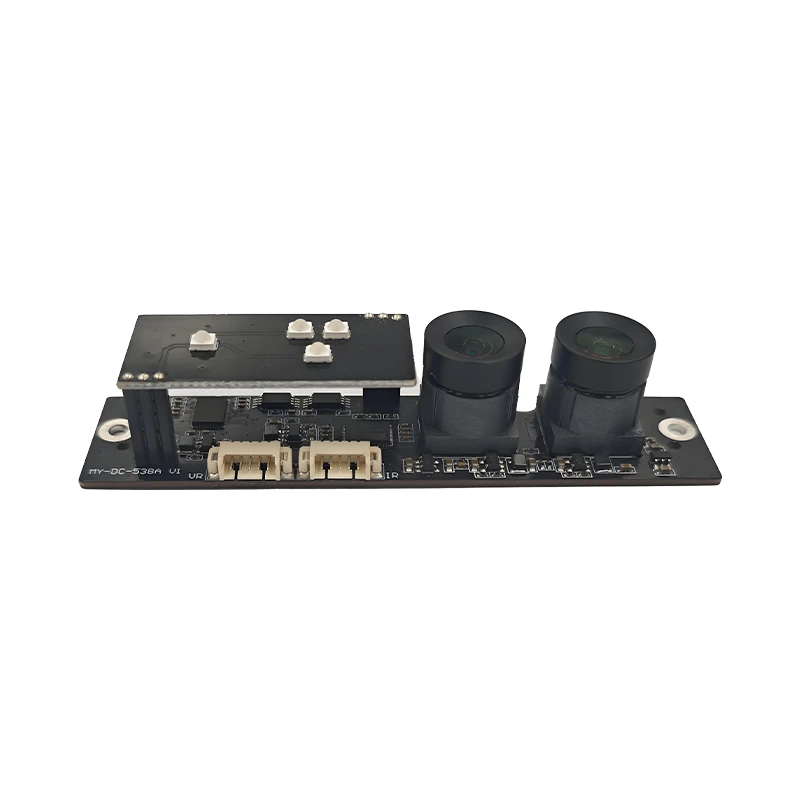
engaged in camera related products' R&D, design and production

Advanced usb 3.0 camera module Solutions for South Korea's Tech Hubs

Empowering South Korean industrial automation and robotics with high-precision imaging systems and seamless data transmission.

The Visual Imaging Landscape in South Korea

Analyzing the intersection of high-tech electronics and industrial demand in the Seoul-Gyeonggi corridor.

South Korea's electronics industry is characterized by a relentless pursuit of miniaturization and speed. In cities like Seoul and Suwon, the demand for a high-performance camera module is driven by the global leadership of Korean semiconductor and smartphone giants, pushing the boundaries of integrated optics.

The local market is currently shifting toward smart factory integration. This transition requires a reliable module camera usb interface that can handle high-bandwidth data streams while maintaining stability in environments with high electromagnetic interference, common in South Korea's dense industrial parks.

Economic stability and a strong focus on R&D have made the region a prime adopter of specialized imaging. Whether it is for medical diagnostics or automotive safety, the integration of a 12mp usb camera module has become a standard for achieving the clarity required by rigorous Korean quality control standards.
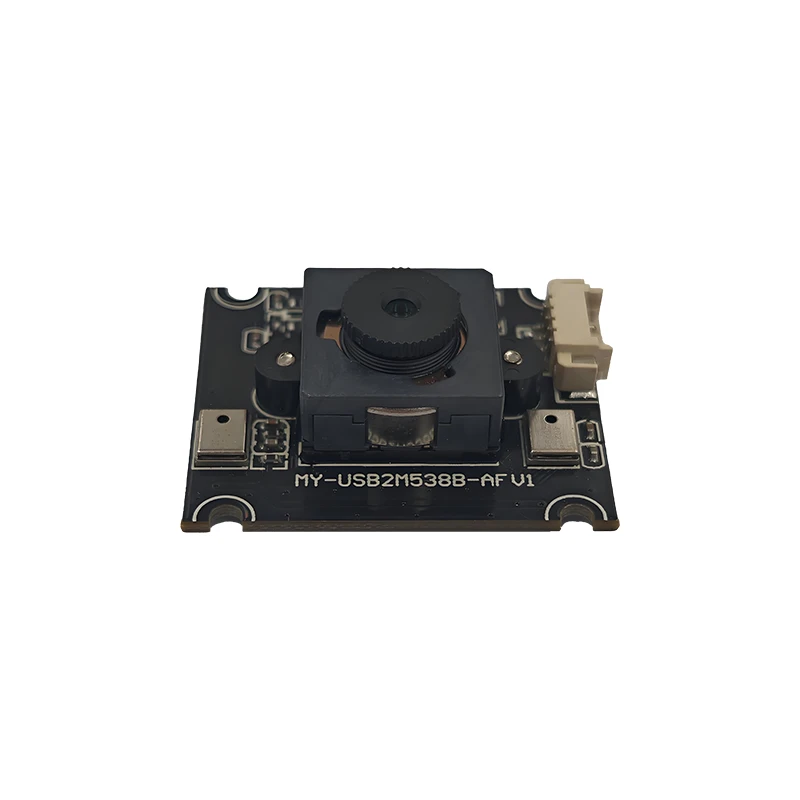

Evolution of Imaging Technology and Trajectory

From basic CCD sensors to the era of ultra-high-speed USB 3.0 interfaces.

Market Development History

During the early 2010s, the South Korean market relied heavily on analog interfaces and basic USB 2.0 standards. Imaging was largely focused on simple capture, where the basic camera module served only as a primary eye for rudimentary automation.

Around 2015-2018, the shift toward "Industry 4.0" sparked a demand for higher resolution and faster throughput. This era saw the rapid adoption of the usb 3.0 camera module, enabling real-time machine vision and reducing latency in semiconductor fabrication lines.

From 2020 to the present, the focus has pivoted toward extreme miniaturization. The widespread use of fpc camera module technology has allowed South Korean engineers to embed cameras into ultra-slim devices and complex robotic joints without compromising signal integrity.

Future Development Trends

AI-Driven Edge Processing

Integration of NPU (Neural Processing Units) directly into the camera module to allow real-time object detection without relying on external servers.

Ultra-High Definition Standardization

A move toward 4K and beyond, where the 12mp usb camera module will become the baseline for industrial inspection.

Hyper-Flexible Interconnects

Enhanced FPC materials that can withstand millions of flex cycles in foldable electronics and advanced robotic arms.

Industry Outlook and Future Projections

Predicting the next 3-5 years of visual sensing in the Asia-Pacific region.

5G Integration
Leveraging South Korea's 5G infrastructure to transmit high-res video from USB modules to the cloud with near-zero latency.
Robotic Vision
Increasing demand for compact modules in humanoid robotics for spatial awareness and navigation.
Healthcare Optics
Miniaturized endoscopic cameras using FPC interfaces for minimally invasive surgical procedures.
Smart Logistics
Automated sorting systems using high-speed USB modules for rapid barcode and QR scanning.

Industry Outlook

Google search trends in South Korea indicate a surging interest in "Edge AI" and "High-speed machine vision." This suggests that the market is moving away from simple data collection toward autonomous decision-making at the sensor level.

We anticipate that the integration of multi-spectral imaging into the standard module camera usb will become a key competitive advantage for Korean manufacturers seeking to optimize their production yield.

Localized Application Scenarios in South Korea

Tailored imaging solutions for Korea's unique industrial ecosystem.

01. Semiconductor Wafer Inspection

Utilizing a 12mp usb camera module to detect microscopic defects in silicon wafers, ensuring the extreme precision required by the Gyeonggi-do chip clusters.

02. K-Pop Stage Automation

Deploying high-speed usb 3.0 camera module systems for automated tracking of performers on dynamic stages in Seoul.

03. Automotive ADAS Modules

Integrating an fpc camera module into vehicle pillars and mirrors for 360-degree surround-view systems in Korean EVs.

04. Smart Pharmacy Dispensing

Using a module camera usb for automated pill verification and sorting in modernized Korean healthcare centers.

05. Urban Air Mobility (UAM) Testing

Implementing lightweight camera module arrays for navigation and obstacle avoidance in Seoul's UAM pilot programs.

Brand Story

The Global Development Journey of Shenzhen Minyou Digital Technology Co., Ltd.

Founding Vision

Established to bridge the gap between complex optical engineering and accessible industrial implementation.

Technical Breakthrough

Perfected the stability of high-resolution USB interfaces, solving the flicker and lag issues in industrial environments.

Global Expansion

Entered the South Korean market, providing localized support for the most demanding electronics manufacturers.

Innovation Leadership

Pioneering the integration of ultra-thin FPC connectors to enable the next generation of wearable imaging.

Future Mission

To be the world's most trusted provider of modular visual sensing, driving the autonomy of tomorrow.

Frequently Asked Questions in South Korea

Expert answers to common technical inquiries from our Korean partners.

How does a usb 3.0 camera module improve latency in machine vision?

USB 3.0 provides significantly higher bandwidth (up to 5Gbps) compared to USB 2.0, allowing for uncompressed high-resolution frames to be transferred in real-time, which is critical for high-speed sorting lines in Korea.

Can a 12mp usb camera module be integrated into custom PCB designs?

Yes, our high-resolution modules are designed for easy integration. We provide detailed pin-out diagrams and mechanical drawings to ensure a perfect fit within your industrial housing.

What are the advantages of an fpc camera module for foldable devices?

Flexible Printed Circuits (FPC) allow the camera to be placed in non-linear spaces and withstand the repeated bending motions typical of foldable smartphones and advanced robotics.

Is the module camera usb compatible with Linux-based industrial OS?

Absolutely. Our modules follow UVC (USB Video Class) standards, ensuring plug-and-play compatibility with Ubuntu, CentOS, and other common industrial Linux distributions.

How do I choose the right camera module for low-light warehouse environments?

We recommend choosing modules with larger pixel sizes or specialized low-light sensors. Our team can provide specific lens recommendations to maximize light intake for your South Korean facility.

What is the lifespan of a high-speed usb 3.0 camera module in 24/7 operation?

Our industrial-grade modules are rated for continuous operation. With proper thermal management, they are designed to maintain stability for over 50,000 hours of active service.

Ready to Elevate Your Vision?

Connect with our technical experts to customize your imaging solution for South Korea.

Contact Us Now

If you are interested in our products, you can choose to leave your information here, and we will be in touch with you shortly.