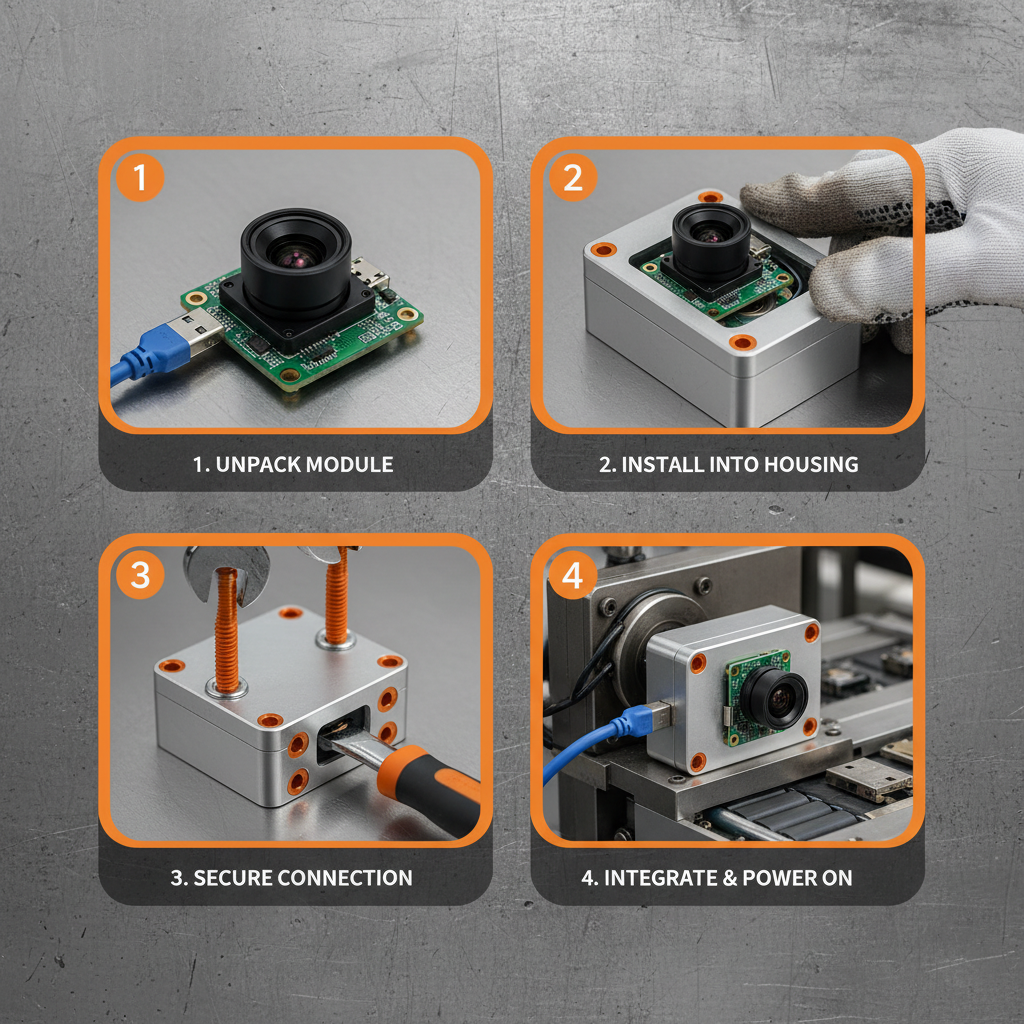
engaged in camera related products' R&D, design and production
0%

Table of Contents

The advancements in imaging technology are heavily reliant on efficient data transfer methods, and the mipi camera module stands as a critical component in this landscape. Globally, the demand for high-resolution, low-power cameras is surging, fueled by applications in smartphones, automotive systems, drones, and medical devices. Understanding the intricacies of these modules is crucial for engineers, manufacturers, and consumers alike. This understanding unlocks potential for innovation and ensures optimized performance across various technological domains.

The rise of computer vision and artificial intelligence is intrinsically linked to the quality and accessibility of camera technology. The mipi camera module facilitates this by offering a compact, high-bandwidth, and low-latency interface. This impacts industries ranging from security and surveillance to industrial automation and agricultural monitoring. Without efficient camera modules like these, the potential of these emerging technologies would be severely limited.

As the world becomes increasingly visually driven, the importance of reliable and performant camera systems grows exponentially. The mipi camera module addresses the need for compact, high-quality imaging solutions that can be integrated into a diverse array of devices and applications. This directly contributes to innovation, efficiency, and improved quality of life across countless sectors.

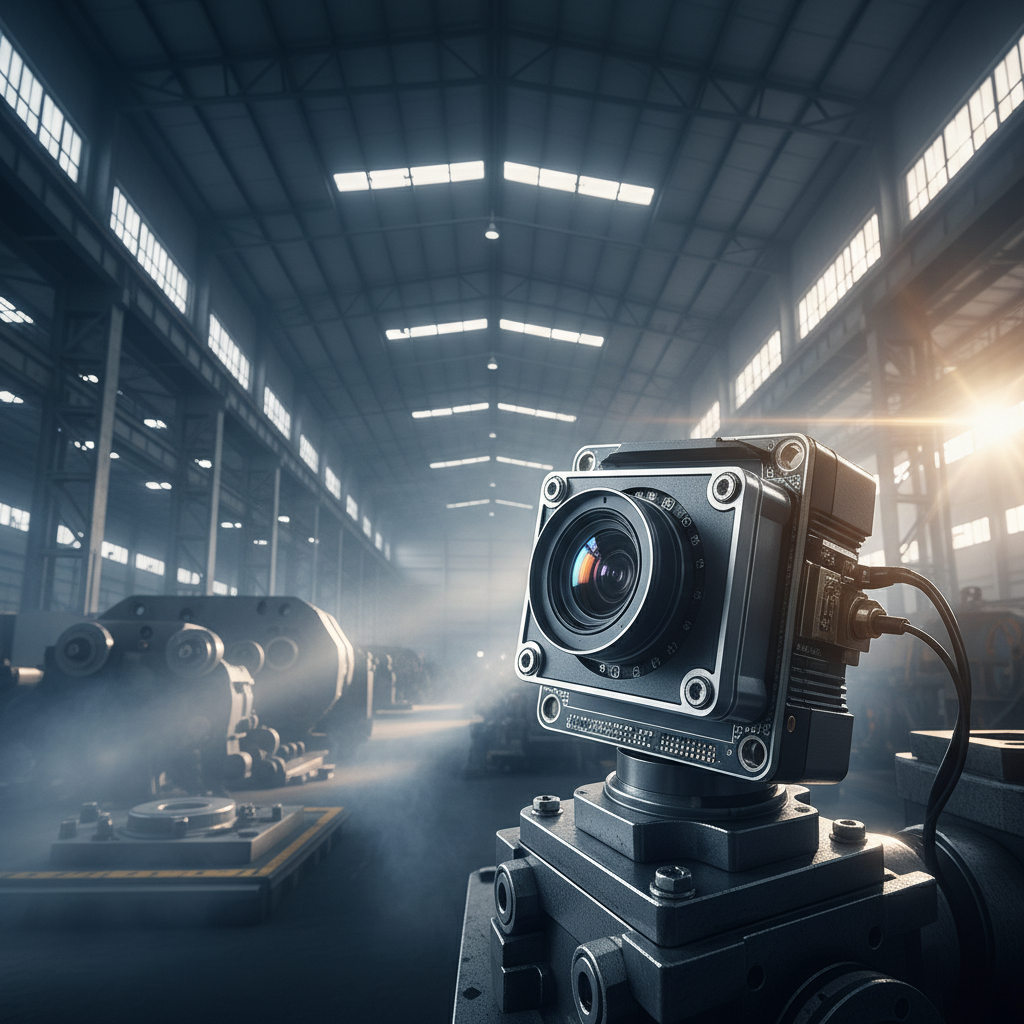
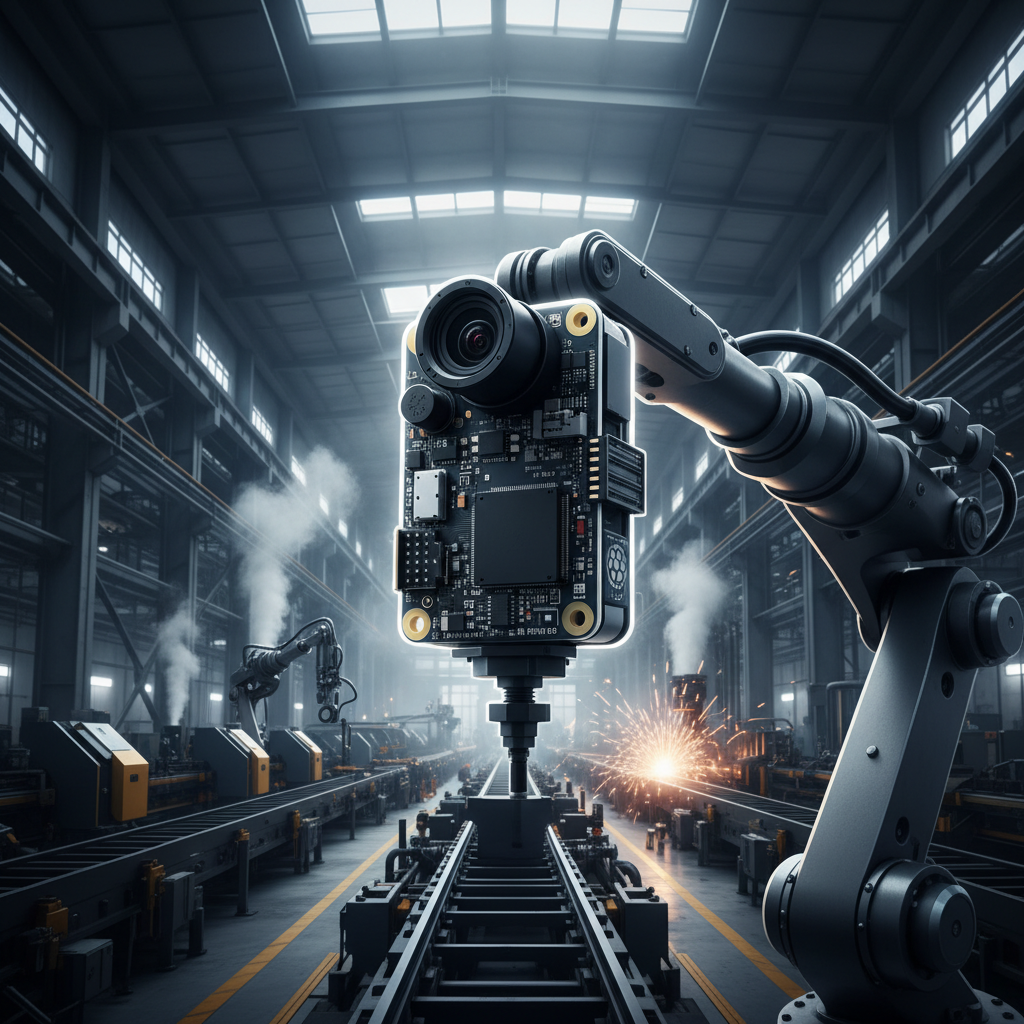
Advancements in Imaging Technology with mipi Camera Module Solutions

Introduction to mipi Camera Module

Advancements in Imaging Technology with mipi Camera Module Solutions

The mipi camera module isn't just about capturing images; it's a sophisticated system integrating image sensors, processing units, and a high-speed interface. It plays a pivotal role in modern imaging applications, bridging the gap between the physical world and digital representation. The importance of the module lies in its ability to deliver high-quality visuals with minimal power consumption.

The module’s compact form factor allows integration into a wide range of devices, from smartphones and wearable tech to automotive systems and industrial equipment. This miniaturization is critical in today’s market, where space is often at a premium. It's a core technology driving advancements in fields like machine vision, augmented reality, and autonomous systems.

Defining the mipi Camera Module

A mipi camera module is a self-contained unit comprising an image sensor (like CMOS or CCD), an image signal processor (ISP), and a Mobile Industry Processor Interface (MIPI) interface. This interface is a crucial feature, designed for high-speed, low-power data transmission between the camera module and the host processor. The module encapsulates all necessary components for capturing and processing images, simplifying integration for device manufacturers.

Its connection to modern industry is profound. The module is fundamental to smartphones enabling the camera capabilities we rely on daily. Automotive applications leverage mipi camera modules for advanced driver-assistance systems (ADAS) and autonomous driving features. Similarly, medical imaging utilizes these modules for minimally invasive procedures and diagnostic tools.

These modules contribute to humanitarian needs by facilitating remote monitoring, disaster assessment, and precision agriculture, improving efficiency and effectiveness in crucial areas. By providing high-quality imagery in various conditions, these modules empower solutions addressing global challenges.

Core Components of a mipi Camera Module

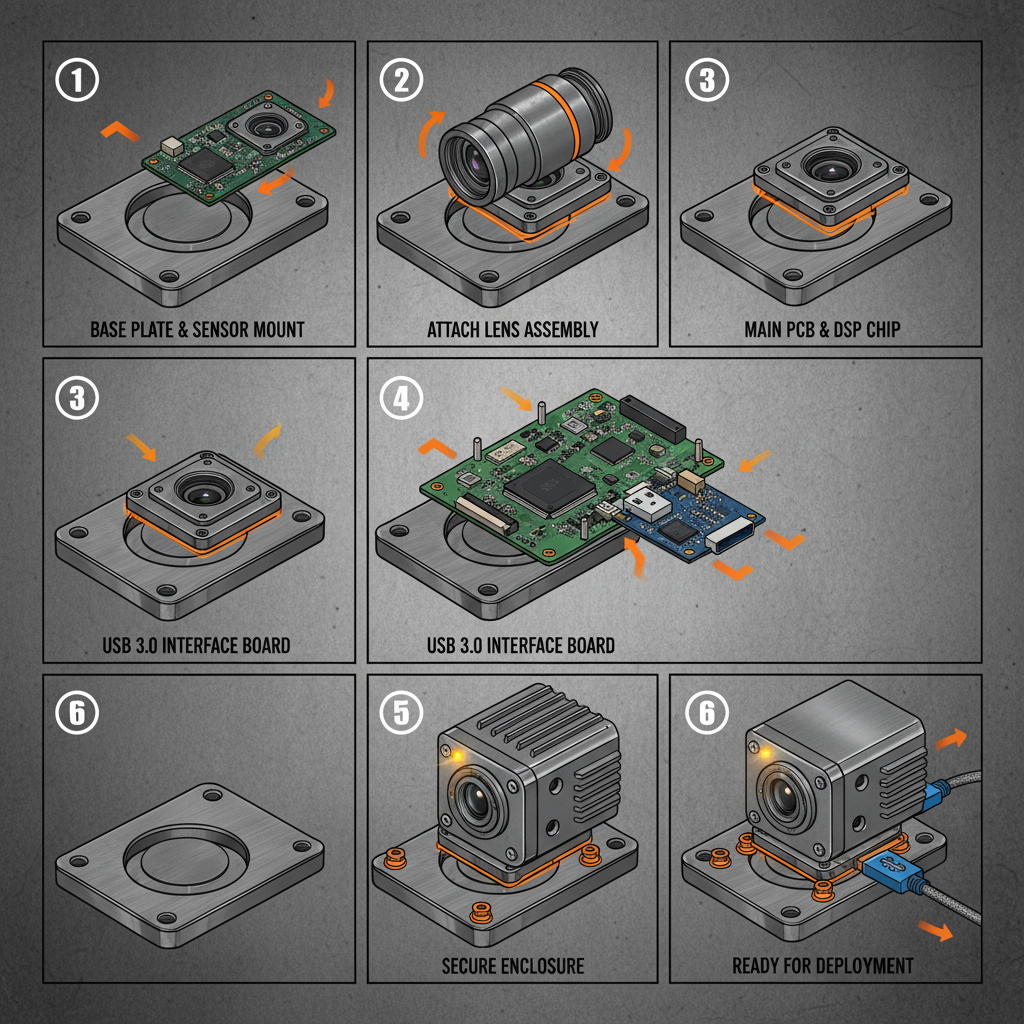
At its heart, the mipi camera module relies on several key components working in harmony. The image sensor, typically a CMOS sensor, converts light into electrical signals. An ISP then processes these signals, correcting for imperfections and enhancing image quality. Critical to the overall performance is the MIPI interface which transmits the processed image data efficiently to the host device.

Beyond these core elements, lens selection is vital. The lens focuses light onto the sensor, influencing image sharpness and field of view. Furthermore, modules often incorporate voltage regulators, timing controllers, and other support circuitry to ensure stable and reliable operation. The effectiveness of the module relies on the seamless integration and optimization of all these parts.

Advanced modules may include features like HDR (High Dynamic Range) processing, image stabilization, and object detection capabilities, adding to their functionality and value. The continued evolution of these components leads to more powerful and versatile mipi camera modules.

Key Performance Characteristics

Several key characteristics define the performance of a mipi camera module. Resolution, measured in megapixels, dictates the level of detail captured. Frame rate, expressed in frames per second (FPS), determines the smoothness of video recordings. Signal-to-noise ratio (SNR) reflects the clarity of the image by minimizing unwanted noise.

Dynamic range, the ability to capture detail in both bright and dark areas, is also crucial. Power consumption is a significant factor, particularly in battery-powered devices. These parameters interact to determine the suitability of the module for a specific application.

Performance Metrics of mipi Camera Module


Global Applications and Industry Impact

The mipi camera module finds widespread use in smartphones, enabling high-quality photos and videos for billions of users worldwide. In the automotive sector, these modules are integral to ADAS, providing vision for features like lane departure warning and automatic emergency braking. These technologies improve road safety and driver convenience.

Furthermore, these modules are utilized in industrial inspection systems, enabling automated quality control and defect detection. Medical imaging applications benefit from their high resolution and low distortion, assisting in diagnosis and treatment. In post-disaster relief operations, drones equipped with mipi camera modules are employed for damage assessment and search and rescue efforts.

Advantages and Long-Term Value

The advantages of using a mipi camera module are numerous. They offer a cost-effective solution compared to designing and manufacturing a camera system from scratch. Their compact size enables integration into even the smallest devices. The MIPI interface ensures high-speed, low-power data transfer, crucial for battery life.

The long-term value lies in continuous innovation. As sensor technology and ISP algorithms improve, these modules can be upgraded without requiring significant redesigns of the host device. This modularity ensures future-proofing and extends the lifespan of products. Furthermore, the modules contribute to improved safety, efficiency, and quality across a broad range of applications.

Future Trends and Innovations

The future of mipi camera modules is focused on several key areas. Advancements in sensor technology, like stacked CMOS sensors, will continue to push resolution and dynamic range. Integration of AI and machine learning directly into the module will enable on-device image processing and object recognition.

We anticipate increasing adoption of computational photography techniques, allowing for more sophisticated image enhancement. The drive towards sustainability will lead to more energy-efficient modules. The development of new MIPI standards will facilitate even faster data transfer rates and lower power consumption.

The rise of augmented reality and virtual reality will also require high-performance mipi camera modules for accurate tracking and immersive experiences. These innovations promise to transform imaging across a multitude of industries.

Core Characteristics of mipi Camera Module Technology

Sensor Type Interface Speed Power Consumption Application Suitability
CMOS 2.5 Gbps Low (50-100mW) Mobile, Consumer Electronics
CCD 1.5 Gbps Medium (150-250mW) Scientific Imaging, Industrial Inspection
Stacked CMOS 6 Gbps Medium (100-200mW) Automotive, Security
Global Shutter CMOS 4 Gbps High (200-300mW) Machine Vision, Robotics
High-Resolution CMOS 3 Gbps Low (60-120mW) Surveillance, Drones
Low-Light CMOS 2 Gbps Medium (120-180mW) Security, Night Vision

FAQS

What are the main advantages of using a MIPI interface in a camera module?

The MIPI interface offers significant advantages including high bandwidth for transferring large amounts of image data, low power consumption, and a compact physical size. These characteristics are crucial for mobile and embedded applications where space and energy efficiency are paramount. MIPI also provides standardized protocols, simplifying integration and ensuring compatibility across different devices and manufacturers. It is essential for enabling the high-resolution camera capabilities found in modern smartphones and other imaging devices.

How does the resolution of a mipi camera module affect its application?

The resolution directly impacts the level of detail captured in an image or video. Higher resolution modules (measured in megapixels) are ideal for applications requiring fine detail, such as security surveillance, medical imaging, and high-end photography. Lower resolution modules are suitable for applications where bandwidth or storage are limited, like video conferencing or basic machine vision tasks. Selecting the right resolution is a trade-off between image quality, data processing requirements, and cost.

What factors should I consider when selecting a mipi camera module for an automotive application?

For automotive applications, reliability, temperature range, and vibration resistance are critical considerations. Automotive-grade mipi camera modules must be able to withstand harsh environmental conditions. Furthermore, features like HDR and low-light performance are important for ensuring clear images in varying lighting situations. Compliance with automotive safety standards (e.g., AEC-Q100) is also essential.

How does image stabilization impact the performance of a mipi camera module?

Image stabilization significantly improves the quality of images and videos, especially in situations involving movement. It reduces blur caused by camera shake, resulting in sharper and clearer visuals. There are several types of image stabilization, including optical image stabilization (OIS) and electronic image stabilization (EIS). OIS physically moves the lens or sensor to compensate for motion, while EIS uses software algorithms to stabilize the image digitally.

What is the role of the ISP (Image Signal Processor) in a mipi camera module?

The ISP is a vital component responsible for processing the raw image data from the sensor. It performs a range of functions, including noise reduction, color correction, auto-exposure, and autofocus. A high-quality ISP can significantly enhance image quality, reduce artifacts, and improve the overall visual experience. Modern ISPs often incorporate advanced algorithms for features like HDR, face detection, and object recognition.

What are the future trends in mipi camera module technology?

Future trends include higher resolution sensors, improved low-light performance, integration of AI capabilities for real-time image processing, and advancements in computational photography. We'll also see a shift towards more energy-efficient modules and the adoption of new MIPI standards to support even faster data transfer rates. The convergence of camera technology with augmented and virtual reality will drive further innovation in this field.

Conclusion

In conclusion, the mipi camera module is a pivotal technology enabling advancements across numerous industries, from consumer electronics to automotive and healthcare. Its compact size, high-speed data transfer, and low power consumption make it the ideal choice for a wide range of applications. Understanding the core components, performance characteristics, and future trends of these modules is essential for engineers, manufacturers, and anyone involved in the imaging ecosystem.

As technology continues to evolve, we can expect further innovation in mipi camera module design and functionality. The integration of AI, advancements in sensor technology, and the development of new MIPI standards will unlock even greater possibilities. To learn more about cutting-edge solutions and explore the potential of mipi camera modules for your specific needs, visit our website: www.szmyccm.com.

David Miller

David Miller

David Miller is a Senior Applications Engineer at Shenzhen Minyou Digital Technology. With a background in electrical engineering and a passion for computer vision, David focuses on integrating Minyou's camera modules into diverse applications, particularly in facial recognition and security systems. He's been instrumental in adapting our MY-WHC700 Windows Hello
Previous Advancements in ai camera module Technology for Intelligent Vision Systems
Next Exploring the Versatile World of usb camera module Applications and Future Trends