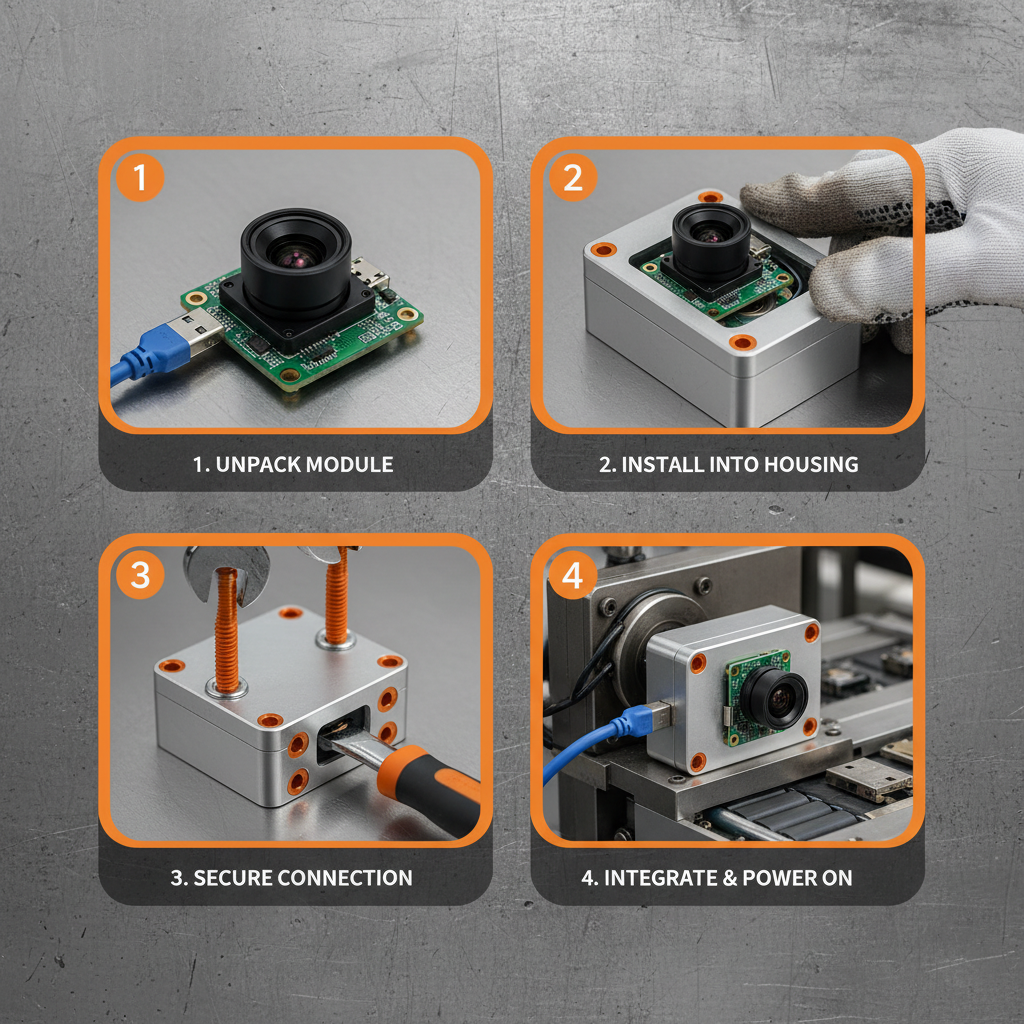
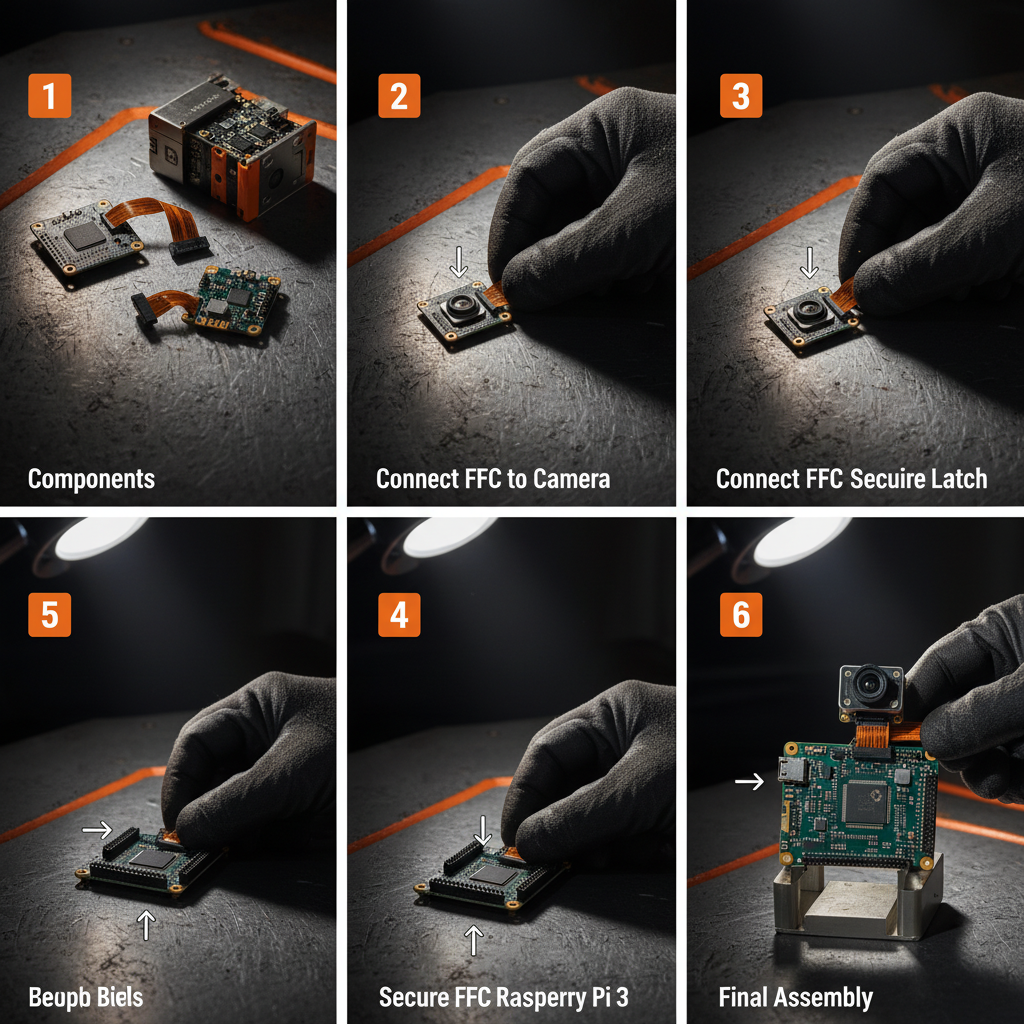
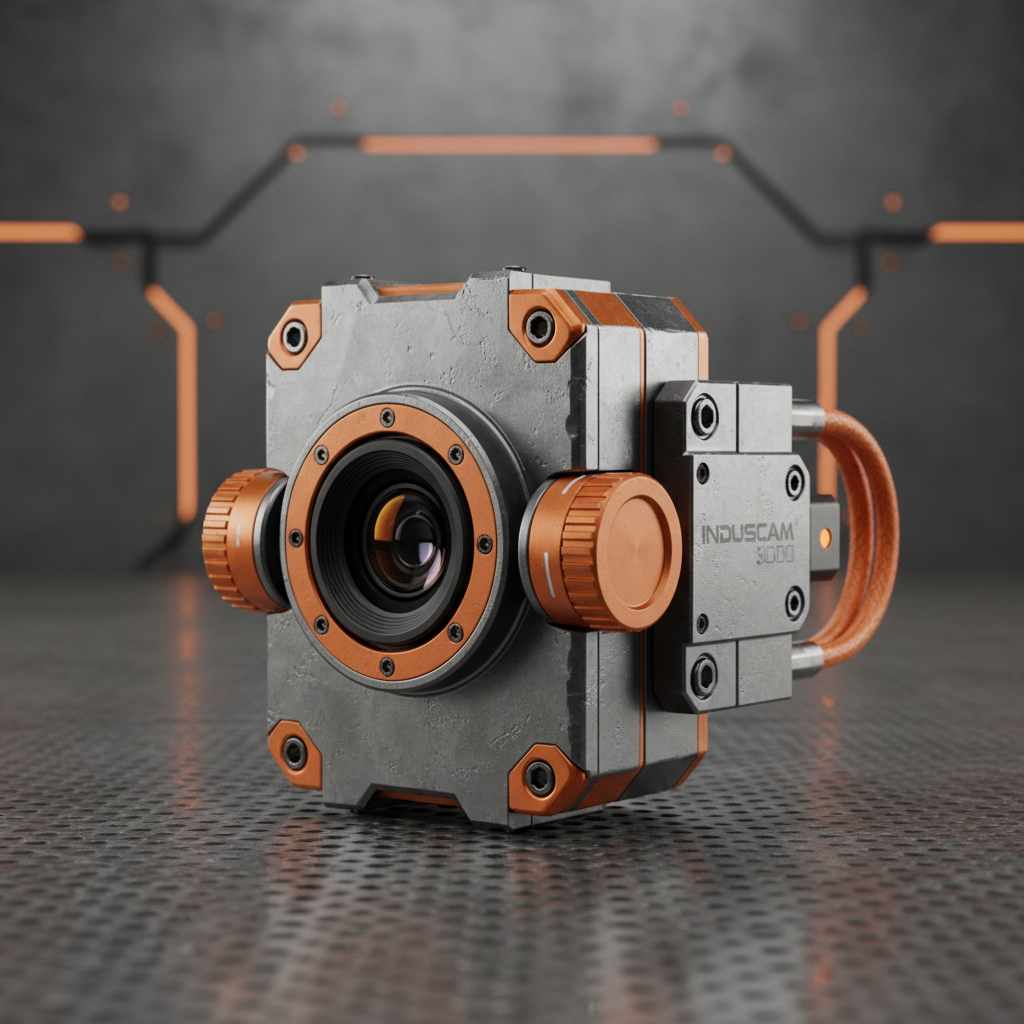
The world is increasingly reliant on visual data, driving demand for high-quality, versatile imaging solutions. The usb camera module has emerged as a critical component in a vast array of applications, from industrial automation and machine vision to consumer electronics and healthcare. Its compact size, ease of integration, and cost-effectiveness make it an indispensable tool for capturing and analyzing visual information.
The global market for usb camera modules is experiencing substantial growth, fueled by advancements in technology and expanding application areas. According to recent reports, the market is projected to reach billions of dollars in the coming years, with a significant compound annual growth rate (CAGR). This growth is driven by factors such as increasing demand for automated quality control in manufacturing, the proliferation of smart devices, and the rising adoption of telemedicine.
Understanding the intricacies of usb camera modules is paramount for engineers, designers, and researchers across numerous industries. From selecting the appropriate sensor technology to optimizing image processing algorithms, a thorough grasp of these components is essential for developing innovative and efficient visual systems. This understanding enables improved product development and a broader reach in implementing advanced technologies utilizing usb camera module.
Introduction to usb camera module
The usb camera module represents a significant advancement in image capture technology, offering a streamlined and versatile solution for numerous applications. These modules combine a camera sensor, image signal processor (ISP), and USB interface into a compact package, simplifying integration into various systems. Their plug-and-play functionality and compatibility with a wide range of operating systems have contributed to their widespread adoption.
The rising demand for machine vision and automated inspection systems is a primary driver of the usb camera module market. These modules enable precise and reliable quality control in manufacturing processes, reducing errors and improving efficiency. Furthermore, the integration of usb camera modules into robotics and artificial intelligence applications is unlocking new possibilities in automation and data analysis.
Defining the usb camera module
A usb camera module is essentially a self-contained camera system that communicates with a host computer via a Universal Serial Bus (USB) interface. Unlike traditional analog cameras, usb camera modules directly transmit digital image data, eliminating the need for frame grabbers or analog-to-digital converters. This streamlined architecture simplifies system design and reduces costs.
The core components of a usb camera module typically include an image sensor (such as CMOS or CCD), an image signal processor (ISP) that converts the raw sensor data into a usable image format, a USB controller that handles communication with the host computer, and a lens assembly for focusing light onto the sensor. These elements are carefully integrated to deliver high-quality images with minimal latency.
This technology directly addresses the need for high-resolution, real-time visual data in a variety of industries, including manufacturing, security, medical imaging, and automotive. The usb camera module’s adaptability and ease of use make it a key enabler of modern vision systems.
Key Components of a usb camera module
The image sensor is the heart of any camera, and usb camera modules utilize both CMOS (Complementary Metal-Oxide-Semiconductor) and CCD (Charge-Coupled Device) sensors. CMOS sensors are generally more affordable and consume less power, while CCD sensors typically offer higher image quality and lower noise. The choice between these technologies depends on the specific application requirements.
The Image Signal Processor (ISP) performs crucial image processing functions, such as white balance, color correction, gamma correction, and noise reduction. A powerful ISP is essential for producing high-quality images, especially in challenging lighting conditions. Advanced ISPs can also implement features like auto-exposure and auto-focus, simplifying camera operation.
The USB controller manages the communication between the camera module and the host computer. It handles data transfer, power management, and protocol translation. USB 2.0 and USB 3.0 are commonly used interfaces, with USB 3.0 offering significantly higher data transfer rates for applications requiring high-resolution or high-frame-rate video.
Performance Factors of usb camera module
Resolution is a critical performance factor, determining the level of detail captured in an image. Higher resolution cameras are required for applications like quality control and medical imaging, where precise detail is essential. Frame rate, measured in frames per second (FPS), determines how quickly the camera can capture images. Higher frame rates are necessary for capturing fast-moving objects or for real-time video applications.
Sensitivity, also known as ISO, measures the camera's ability to capture images in low-light conditions. Higher ISO settings allow for capturing images in darker environments, but can also introduce more noise. Dynamic range refers to the camera's ability to capture detail in both bright and dark areas of an image simultaneously. A wider dynamic range is crucial for applications with high contrast lighting.
usb camera module Performance Comparison
Global Applications of usb camera module
In manufacturing, usb camera modules are widely used for automated quality inspection, defect detection, and robot guidance. They enable precise and reliable identification of flaws, improving product quality and reducing waste. In the medical field, these modules are integrated into endoscopes, microscopes, and diagnostic imaging systems, assisting doctors in accurate diagnoses and minimally invasive procedures.
The security industry leverages usb camera modules for surveillance systems, access control, and facial recognition. Their compact size and ease of integration make them ideal for both indoor and outdoor applications. In the automotive sector, they are crucial components of advanced driver-assistance systems (ADAS), enabling features like lane departure warning, automatic emergency braking, and parking assist.
Advantages and Value Proposition
The primary advantage of usb camera modules lies in their simplicity and cost-effectiveness. They eliminate the need for complex frame grabbers and analog-to-digital converters, reducing system complexity and costs. Their plug-and-play functionality simplifies integration, saving time and effort during development and deployment.
usb camera modules offer a reliable and versatile solution for a wide range of applications, enhancing efficiency, improving quality, and enabling innovation. The long-term value extends beyond initial cost savings, as they contribute to increased productivity, reduced errors, and improved product quality.
These modules contribute to enhanced safety and improved decision-making through reliable and accurate visual data. Furthermore, the widespread availability and continuous improvement of usb camera modules foster innovation and drive the development of new applications.
Future Trends in usb camera module Technology
The development of higher-resolution sensors and faster USB interfaces (such as USB 3.2 and USB4) will continue to drive advancements in usb camera module performance. Integration of artificial intelligence (AI) and machine learning (ML) capabilities directly into the camera module will enable more sophisticated image processing and analysis.
We can also anticipate the emergence of more specialized camera modules tailored to specific applications, such as hyperspectral imaging, 3D vision, and thermal imaging. Furthermore, advancements in low-power sensor technology will enable the development of more energy-efficient camera modules for battery-powered devices and remote monitoring applications.
The trend towards miniaturization will continue, leading to even smaller and more integrated usb camera module solutions. These advancements will enable new applications in areas such as wearable devices, robotics, and medical implants.
Summary of Key Challenges and Potential Solutions for usb camera module
| Challenge |
Impact on usb camera module Performance |
Potential Solution |
Implementation Cost |
| Low-Light Performance |
Reduced image clarity and increased noise in dimly lit environments. |
Employ back-illuminated sensors and advanced noise reduction algorithms. |
Medium |
| Data Transfer Bottlenecks |
Limited frame rates and resolution due to USB bandwidth constraints. |
Utilize USB 3.0 or higher interfaces, compression techniques, or optimized data transfer protocols. |
Low to Medium |
| Thermal Management |
Overheating can degrade image quality and reduce component lifespan. |
Implement heat sinks, thermal pads, or active cooling solutions. |
Low to High |
| Calibration and Accuracy |
Distorted images and inaccurate measurements due to lens imperfections. |
Perform regular lens calibration using specialized software and techniques. |
Low |
| Power Consumption |
Limited battery life in portable applications. |
Optimize ISP algorithms for power efficiency and utilize low-power sensors. |
Low to Medium |
| Environmental Robustness |
Susceptibility to damage from dust, moisture, and vibration. |
Utilize ruggedized enclosures and conformal coatings to protect the camera module. |
Medium |
FAQS
The lifespan of a usb camera module can vary depending on usage and environmental conditions. However, with proper care and moderate use, most modules are designed to last for 5-10 years. Factors such as temperature, humidity, and shock can affect longevity. Regular cleaning and avoiding extreme conditions are key to maximizing lifespan.
The optimal resolution depends heavily on your specific application. For general-purpose imaging or low-bandwidth applications, a resolution of 640x480 or 1280x720 may suffice. However, for applications requiring detailed inspection, such as quality control, or for high-resolution imaging, resolutions of 2048x1536 or higher are recommended. Consider the processing power and storage capacity required for handling higher resolution images.
Several techniques can be employed to minimize noise in low-light conditions. Increasing the ISO sensitivity can amplify the signal, but also increases noise. Using a sensor with larger pixels and a back-illuminated design can improve light gathering. Additionally, employing noise reduction algorithms in the image signal processor (ISP) can effectively reduce noise without significant loss of detail.
CMOS (Complementary Metal-Oxide-Semiconductor) and CCD (Charge-Coupled Device) are two main types of image sensors. CCD sensors typically offer higher image quality and lower noise but consume more power and are more expensive. CMOS sensors are more affordable, consume less power, and offer faster readout speeds, making them suitable for a wide range of applications.
Most usb camera modules are designed to be compatible with a wide range of operating systems, including Windows, Linux, and macOS. However, compatibility can vary depending on the specific module and operating system version. It’s crucial to check the manufacturer's specifications and driver availability before purchasing. Some modules may require specific drivers or libraries to function correctly on certain platforms.
To maximize image quality, ensure proper lighting conditions and focus the lens accurately. Adjust the exposure settings and white balance to optimize the image for the specific scene. Utilize the image processing capabilities of the ISP to fine-tune color, contrast, and sharpness. Regularly clean the lens to remove dust and fingerprints.
Conclusion
The usb camera module has become an indispensable component in modern visual systems, offering a compelling combination of versatility, cost-effectiveness, and ease of integration. From industrial automation and medical imaging to security and automotive applications, these modules are driving innovation and enhancing efficiency across a wide range of industries. Understanding the key components, performance factors, and future trends is crucial for leveraging the full potential of this technology.
As technology continues to evolve, we can expect to see even more sophisticated and specialized usb camera modules emerge, enabling new applications and pushing the boundaries of visual sensing. Investing in the development and adoption of these modules is essential for maintaining a competitive edge and addressing the growing demand for high-quality, reliable imaging solutions. Visit our website at www.szmyccm.com to explore our range of usb camera modules and discover how we can meet your specific needs.