Cameras have become ubiquitous in the 21st century, evolving from simple tools for capturing memories to sophisticated instruments crucial for scientific research, industrial applications, and global security. The proliferation of digital cameras, coupled with advancements in image processing and network connectivity, has revolutionized how we document, analyze, and interact with the world around us. Understanding the underlying principles and diverse applications of cameras is vital in an increasingly visual and data-driven society.
The global market for cameras is substantial and growing, driven by demand across various sectors. According to Statista, the camera and camcorder market generated approximately $16.89 billion in revenue in 2023, and is projected to reach $19.97 billion by 2028. This growth is particularly evident in specialized camera systems used for surveillance, medical imaging, and autonomous vehicles. However, challenges remain in ensuring data privacy, addressing ethical concerns surrounding facial recognition technology, and managing the environmental impact of camera manufacturing and e-waste.
The increasing demand for high-resolution images and videos, coupled with the need for robust and reliable camera systems, underscores the importance of continued innovation in camera technology. From smartphones to specialized scientific instruments, cameras play an indispensable role in modern life, facilitating communication, enabling scientific discovery, and enhancing our overall understanding of the world. cameras are integral to progress.
The Fundamental Role of Cameras
At their core, cameras are instruments designed to capture and record visual information. They function by focusing light onto a light-sensitive sensor, which then converts the light into an electronic signal. This signal is processed and stored as an image or video. The principles behind cameras have remained consistent for centuries, yet the technology has undergone dramatic transformations, particularly with the advent of digital imaging. cameras are now integral to many industries.
The role of cameras extends far beyond personal photography. They are essential tools in scientific research, allowing researchers to visualize microscopic structures, monitor environmental changes, and explore the vastness of space. In industrial settings, cameras are used for quality control, automation, and safety monitoring. Their pervasive presence highlights their critical contribution to innovation and progress across a multitude of fields.
Defining Cameras and Their Impact
A camera, in its simplest form, is a light-tight box with a lens used to focus light and project an image onto a photosensitive surface. Historically, this surface was photographic film, but modern cameras predominantly use electronic sensors, such as CCDs or CMOS sensors, to capture images digitally. This digital transformation has led to increased convenience, faster processing, and greater creative control.
The impact of cameras on modern industry is profound. In manufacturing, high-speed cameras are used for defect detection and robotic guidance. In healthcare, medical imaging technologies like X-ray, MRI, and endoscopy rely on sophisticated camera systems to diagnose and treat illnesses. Even in the humanitarian sector, cameras are vital for documenting crises, assessing damage, and coordinating relief efforts.
The connection between cameras and modern needs extends to societal advancements. Real-time surveillance cameras enhance public safety, while body-worn cameras improve accountability in law enforcement. Beyond these practical applications, cameras have fostered a global visual culture, influencing art, journalism, and social media.
Core Components of Modern Cameras
Modern cameras are complex systems comprised of several key components. The lens is responsible for focusing light onto the image sensor. The image sensor itself, typically a CCD or CMOS chip, converts light into an electrical signal. The image processor then takes this signal and converts it into a usable image format. These three core elements are complemented by a shutter mechanism, an aperture control, and a viewfinder or display screen.
Beyond the basic components, advanced cameras incorporate features such as image stabilization, autofocus systems, and various shooting modes. Image stabilization reduces blur caused by camera shake, while autofocus ensures sharp images by automatically adjusting the lens focus. Different shooting modes, such as aperture priority or shutter priority, give photographers greater control over the final image. cameras are constantly becoming more sophisticated.
Finally, the storage medium—whether it’s an SD card, internal memory, or a cloud storage service—plays a critical role. Sufficient storage capacity and fast data transfer speeds are essential for capturing high-resolution images and videos. The integration of these components, along with advancements in software and algorithms, has led to the remarkable image quality and versatility of modern cameras.
Key Performance Factors in Camera Systems
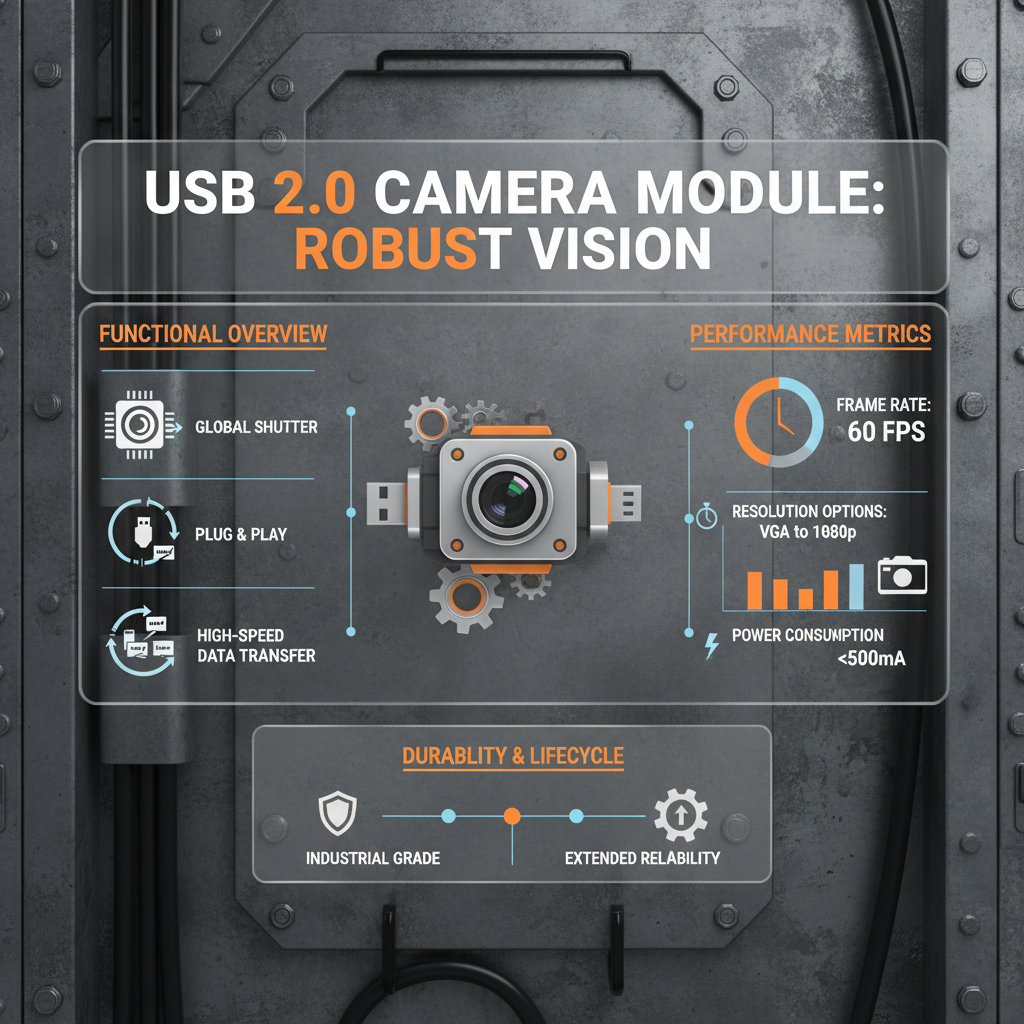
Several factors influence the overall performance of a camera system. Resolution, measured in megapixels, determines the level of detail captured in an image. Dynamic range refers to the camera’s ability to capture detail in both bright and dark areas of a scene. Sensitivity, often expressed as ISO, indicates how well the camera performs in low-light conditions.
Another critical factor is lens quality. A high-quality lens will minimize distortion, chromatic aberration, and other optical flaws, resulting in sharper and more accurate images. Shutter speed and aperture also play crucial roles, influencing motion blur and depth of field, respectively. Understanding these parameters is key to maximizing the potential of any camera.
Performance Metrics for Different cameras Methods
Global Applications of Camera Technology
Cameras are integral to a vast range of applications worldwide. In security and surveillance, cameras are deployed in public spaces, transportation hubs, and private properties to deter crime and enhance safety. In the automotive industry, cameras are essential for advanced driver-assistance systems (ADAS) and autonomous driving, providing visual input for features like lane keeping assist and automatic emergency braking.
In post-disaster relief operations, cameras are used to assess damage, locate survivors, and coordinate aid delivery. Drones equipped with cameras provide aerial views of affected areas, enabling responders to make informed decisions. In remote industrial zones, cameras monitor infrastructure, detect anomalies, and ensure worker safety. These diverse applications demonstrate the versatile and indispensable nature of camera technology.
Advantages and Long-Term Value of Cameras
The advantages of utilizing cameras are numerous and far-reaching. Increased efficiency in manufacturing processes through automated quality control, improved safety and security in public spaces, and enhanced medical diagnostics are just a few examples. Beyond these practical benefits, cameras foster transparency, accountability, and a deeper understanding of our world.
The long-term value of camera technology lies in its potential to drive innovation and address global challenges. From environmental monitoring to scientific research, cameras provide valuable data that can inform decision-making and lead to sustainable solutions. The ability to visually document and analyze complex phenomena fosters a greater sense of awareness and promotes positive change. cameras truly have a lasting impact.
Future Trends and Innovations in Cameras
The future of camera technology is poised for continued innovation. Advances in artificial intelligence (AI) and machine learning are enabling cameras to perform more sophisticated tasks, such as object recognition, facial analysis, and scene understanding. Computational photography techniques are pushing the boundaries of image quality, allowing cameras to capture stunning images even in challenging lighting conditions.
Another key trend is the development of more energy-efficient cameras. Miniaturization and low-power sensors are enabling the creation of compact and portable camera systems for applications such as wearable devices and drones. Furthermore, advancements in sensor technology, such as event-based cameras and multispectral imaging, are opening up new possibilities for visual perception.
The convergence of camera technology with other emerging fields, such as virtual reality (VR) and augmented reality (AR), is creating immersive and interactive experiences. These advancements will undoubtedly shape the future of imaging and visual communication.
FAQS
Image quality is determined by a combination of factors, including sensor resolution (megapixels), sensor size, lens quality, image processor capabilities, and ISO performance. A larger sensor generally captures more light, resulting in better low-light performance and wider dynamic range. High-quality lenses minimize distortion and aberrations, while a powerful image processor ensures accurate color reproduction and noise reduction.
Autofocus systems use various techniques to automatically adjust the lens focus to achieve sharp images. Phase detection autofocus (PDAF) is a common method that analyzes the light entering the lens to determine the distance to the subject. Contrast detection autofocus (CDAF) analyzes the contrast of the image to find the point of sharpness. Modern cameras often combine both PDAF and CDAF for faster and more accurate focusing.
ISO measures the sensitivity of the camera’s image sensor to light. A lower ISO setting (e.g., ISO 100) is ideal for bright conditions, producing images with minimal noise. Higher ISO settings (e.g., ISO 3200) are used in low-light situations, but they can introduce more noise or grain into the image. It is a balance between brightness and image quality.
To minimize camera shake, use a tripod, especially in low-light conditions or when using slow shutter speeds. Image stabilization technology, available in many cameras and lenses, can also help reduce blur. Hold the camera correctly, using both hands and keeping your elbows close to your body. Use a remote shutter release or self-timer to avoid pressing the shutter button directly.
Both CCD (Charge-Coupled Device) and CMOS (Complementary Metal-Oxide-Semiconductor) sensors convert light into electronic signals, but they differ in their architecture and performance. CCD sensors typically offer higher image quality but consume more power. CMOS sensors are more energy-efficient and are commonly used in smartphones and digital cameras due to their lower cost and smaller size.
Shooting in raw image format captures all the data recorded by the camera’s sensor, without any processing or compression. This provides greater flexibility in post-processing, allowing you to adjust white balance, exposure, and other parameters without losing image quality. Raw files are larger than JPEGs but offer significantly more control over the final image.
Conclusion
In conclusion, cameras are far more than just tools for capturing images; they are indispensable components of modern life, impacting industries ranging from healthcare and security to scientific research and environmental monitoring. Their evolution reflects a continuous pursuit of innovation, driven by the desire to capture, analyze, and understand the world around us with greater clarity and precision. The core value of cameras lies in their versatility and ability to provide valuable insights.
Looking ahead, advancements in AI, sensor technology, and computational photography will continue to transform the landscape of camera technology. Embracing these innovations and addressing the associated ethical and environmental challenges will be crucial for unlocking the full potential of cameras and ensuring their responsible application for the benefit of society. We encourage further exploration of this dynamic field.