


Mar . 21, 2026 02:25 Back to list
Comprehensive Guide to UVC Camera Modules and Their Diverse Applications
Understanding UVC Camera Modules: A Comprehensive Guide
UVC (Ultraviolet C) camera modules are becoming increasingly vital in a variety of applications, from disinfection and sterilization to security and industrial monitoring. These compact devices offer a convenient way to detect UVC light, enabling automated systems and enhancing safety protocols. This article will provide an in-depth look at UVC camera modules, covering their functionalities, applications, key specifications, and the benefits of choosing a reliable supplier like Shenzhen MYCCM Optoelectronics Co., Ltd.

How Do UVC Camera Modules Work?
UVC camera modules are designed to specifically detect ultraviolet C light, which has a wavelength between 200nm and 280nm. They typically integrate a UVC-sensitive sensor, optics to focus the UVC radiation, and electronics to process the signal. When UVC light strikes the sensor, it generates a current proportional to the intensity of the light. This signal is then converted into a digital output, which can be used by a microcontroller or computer for analysis and control. The core technology centers around specialized photodiodes or image sensors optimized for UVC detection, distinguishing them from standard visible light sensors.
Key Applications of UVC Camera Modules
The applications for UVC camera modules are diverse and expanding rapidly. Some of the most prominent include:
- Disinfection Robot Control: UVC robots use these modules to verify that all surfaces have been adequately exposed to UVC radiation for sterilization.
- Air Purification Monitoring: Detecting UVC light within air purification systems ensures proper function and effective elimination of airborne pathogens.
- Water Disinfection Systems: Monitoring UVC dosage in water treatment facilities guarantees water safety and quality.
- Industrial UV Curing: Controlling UV curing processes in manufacturing, such as coating applications, by monitoring UV lamp output.
- Security Applications: Detecting hidden UVC sources for security purposes.
Choosing the Right UVC Camera Module: Key Specifications
Selecting the appropriate UVC camera module depends on the specific application requirements. Here are some critical specifications to consider:
UVC Camera Module Comparison: Analog vs. Digital
UVC camera modules come in both analog and digital formats. Analog modules provide a continuous voltage signal proportional to the UVC intensity, requiring external Analog-to-Digital conversion. Digital modules integrate the ADC, offering a direct digital output. Here’s a quick comparison:
Analog UVC Camera Modules
- Lower cost
- Requires external ADC
- Potentially higher resolution
Digital UVC Camera Modules
- Integrated ADC
- Simplified system design
- Faster processing
Why Choose Shenzhen MYCCM Optoelectronics for Your UVC Camera Module Needs?
Shenzhen MYCCM Optoelectronics Co., Ltd. is a leading provider of high-quality UVC camera modules. We offer a wide range of modules to meet diverse application needs, coupled with expert technical support and competitive pricing. Our commitment to quality and customer satisfaction ensures that you receive reliable, high-performance modules that deliver accurate and consistent results. We prioritize robust quality control and timely delivery, making us a trusted partner for businesses around the globe.
Conclusion: Empowering Innovation with Advanced UVC Detection
UVC camera modules are critical components in a growing number of applications, enabling safer, more efficient, and more reliable systems. By choosing a reputable supplier like Shenzhen MYCCM Optoelectronics, you gain access to cutting-edge technology and expert support to drive your innovation forward.
Frequently Asked Questions (FAQs)
What is the typical lifespan of a UVC camera module?
The lifespan of a UVC camera module typically ranges from 5 to 10 years, depending on operating conditions and the quality of components. Exposure to extreme temperatures, humidity, and prolonged UVC exposure can shorten the lifespan. Proper storage and handling are crucial. Factors like the specific sensor technology and encapsulation materials also influence longevity. Regular calibration checks are recommended to ensure accuracy throughout its operational life. Contacting MYCCM can provide specific guidance on extending the life of your module.
What level of UVC intensity can these modules detect?
The detection range varies depending on the specific module, but most modules from Shenzhen MYCCM Optoelectronics can accurately measure UVC intensity from a few microwatts per square centimeter (µW/cm²) up to several milliwatts per square centimeter (mW/cm²). Detailed specifications are provided in the product datasheets. Selection should align with the expected UVC intensity levels in your application for optimal performance.
Do UVC camera modules require calibration?
Yes, periodic calibration is recommended to maintain accuracy, especially in critical applications. Calibration ensures that the module’s readings are consistent and reliable over time. Factors like sensor drift and environmental changes can affect accuracy. MYCCM offers calibration services, or you can implement your own calibration procedure using a traceable UVC light source.
What is the operating temperature range for these modules?
Typically, UVC camera modules operate within a temperature range of -20°C to +50°C. However, this can vary depending on the specific model. Exceeding the specified temperature range can affect performance and reliability. Always consult the product datasheet for detailed operating specifications.
-
Guide to Raspberry Pi Camera Module v3 with Powered Autofocus
NewsApr.16,2026
-
Guide to Using the raspberry pi camera module v1 3 for IoT Projects
NewsApr.09,2026
-
Exploring the Capabilities of the Raspberry Pi Camera Module 3 Noir for Diverse Applications
NewsApr.07,2026
-
Unlocking Visual Potential with the Raspberry Pi Camera Module 3 for Advanced Projects
NewsApr.04,2026
-
Raspberry Pi Noir Camera Module V2 8MP 1080p30 A Comprehensive Guide for Projects
NewsMar.31,2026
-
Comprehensive Guide to the Raspberry Pi 3 B+ Camera Module and Its Applications
NewsMar.28,2026
-
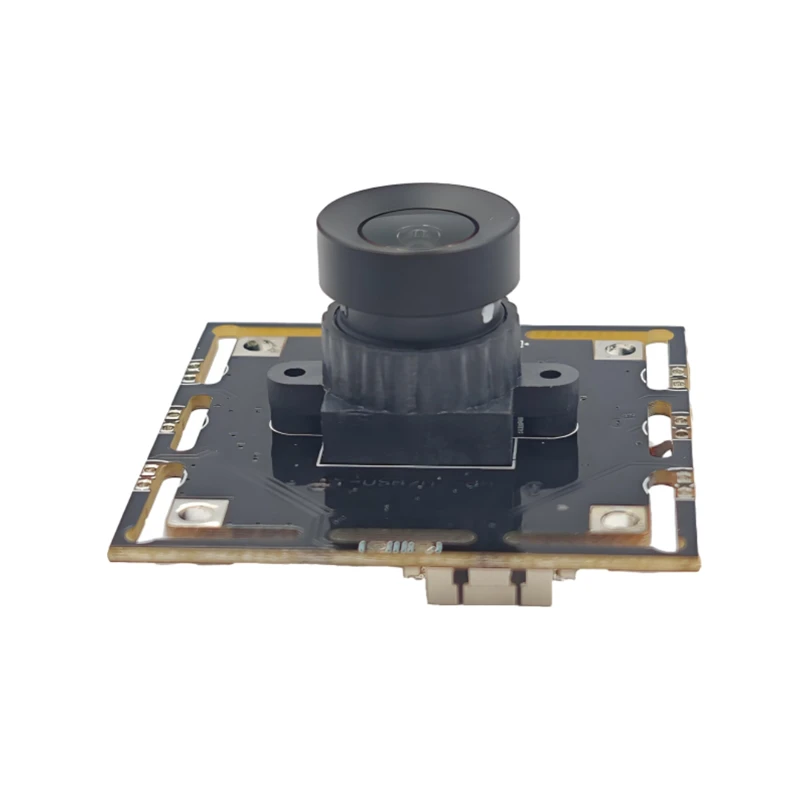
MY-USB1M818A Global Exposure Usb Camera Module With 1mp Hd Video
-
-
-
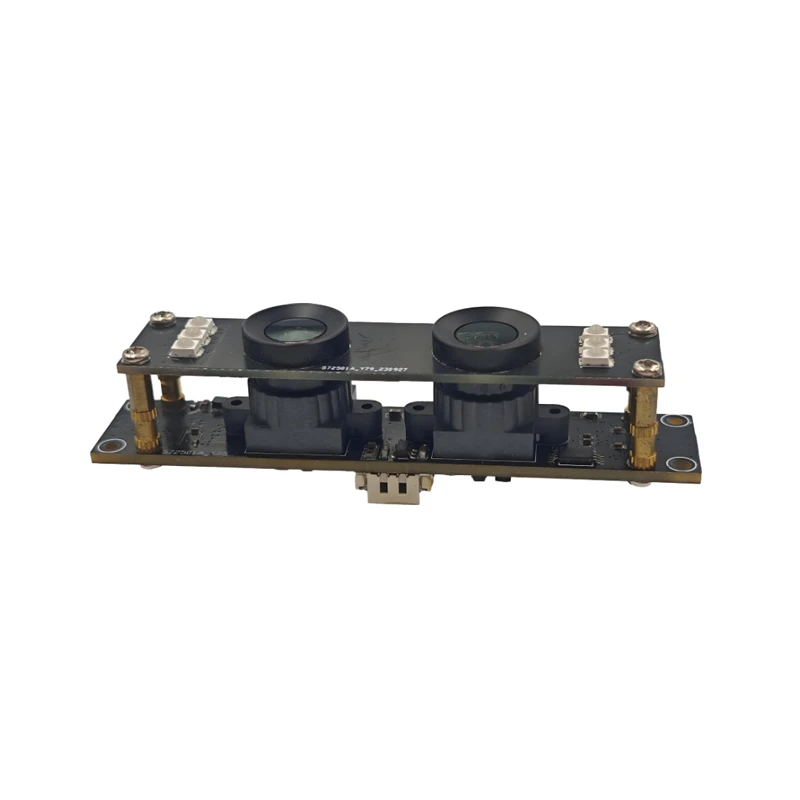
MY-DC52M-A1 Dual Lens Wide Dynamic Range Usb2.0 Camera Module With HD Video 5mp+2mp
-
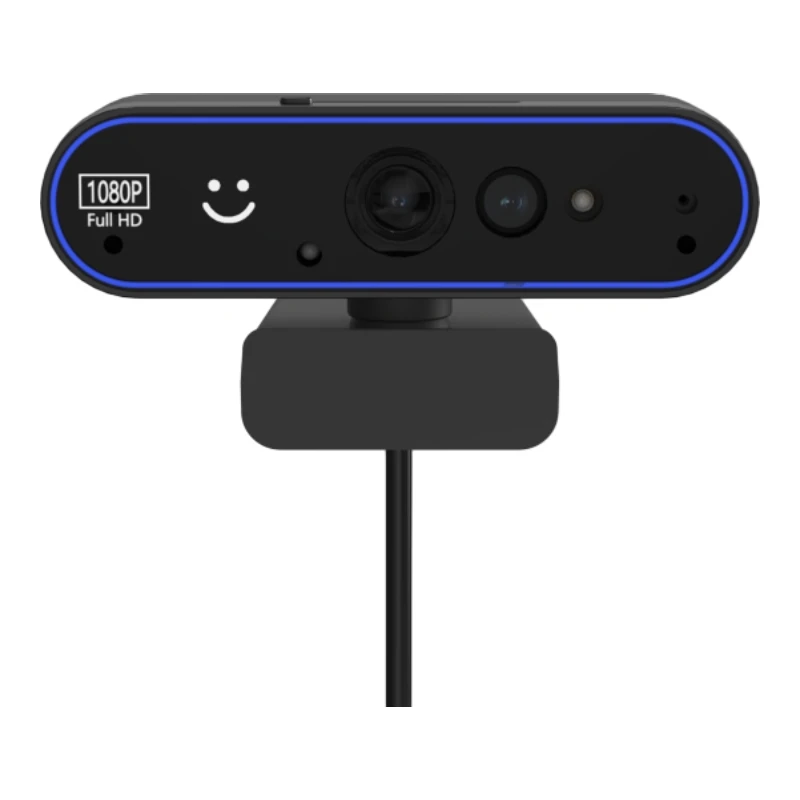
MY-WHC700 Windows Hello Face Recognition Binocular USB Camera
-

MY-DC-260-A1 Dual Lens Usb2.0 Web Camera With High-definition Video 2mp+2mp
-
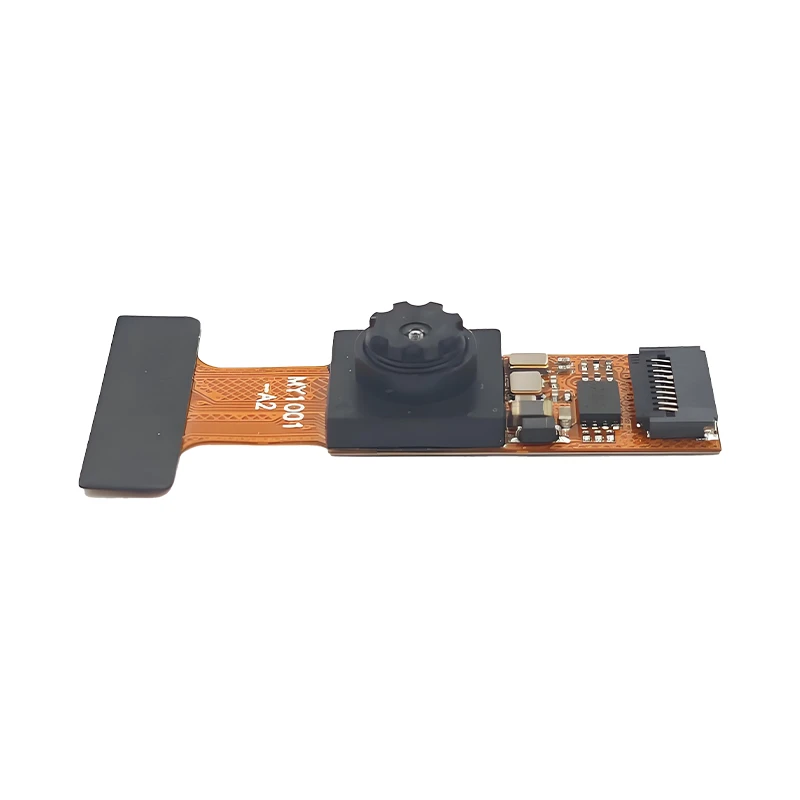
MY-1001-A2 AI Tracking, Gesture Recognition, Sitting Posture Detection Smart Camera Module
-
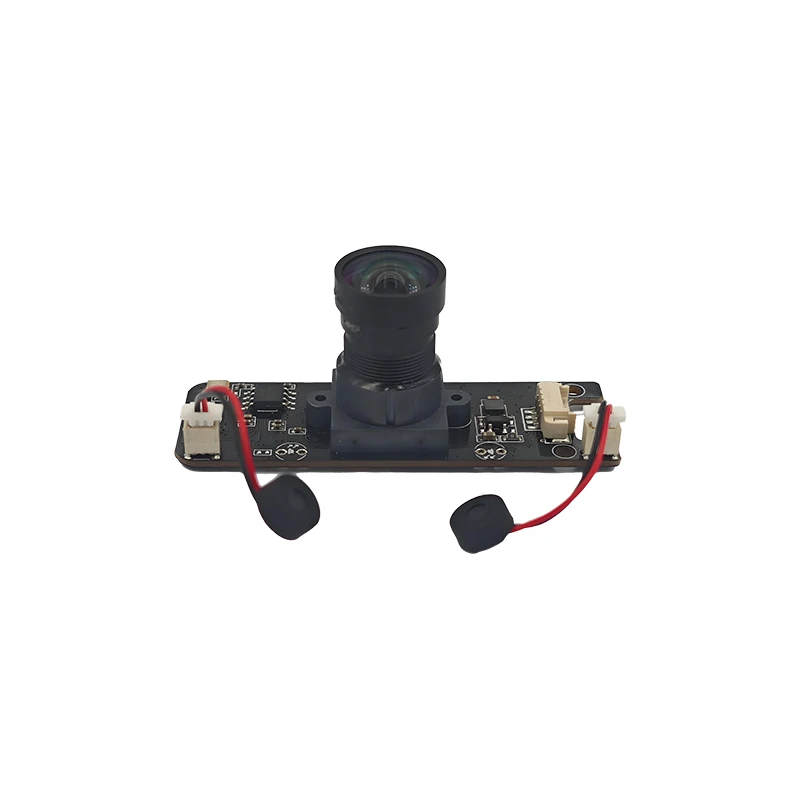
MY-USB8M158A 4K Resolution HD Video Driver-Free USB Camera Module With Microphone
