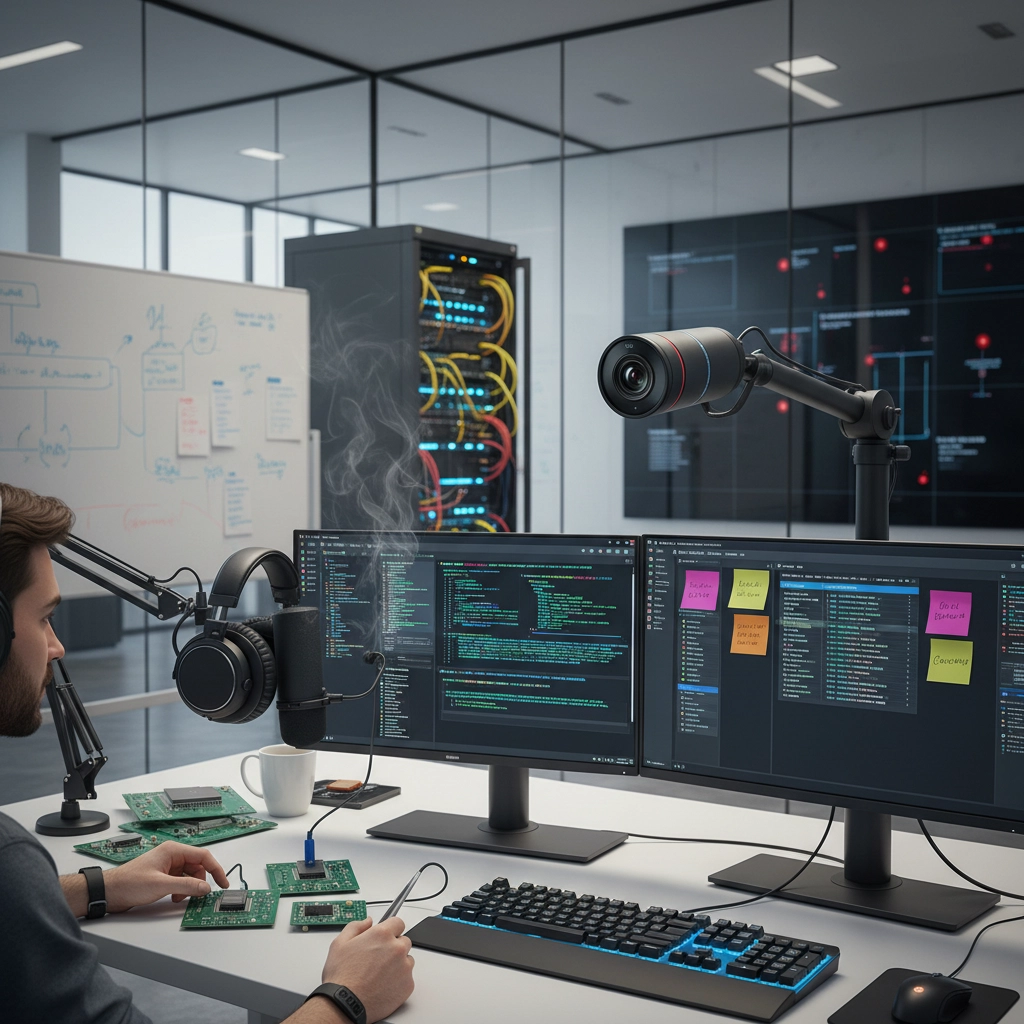
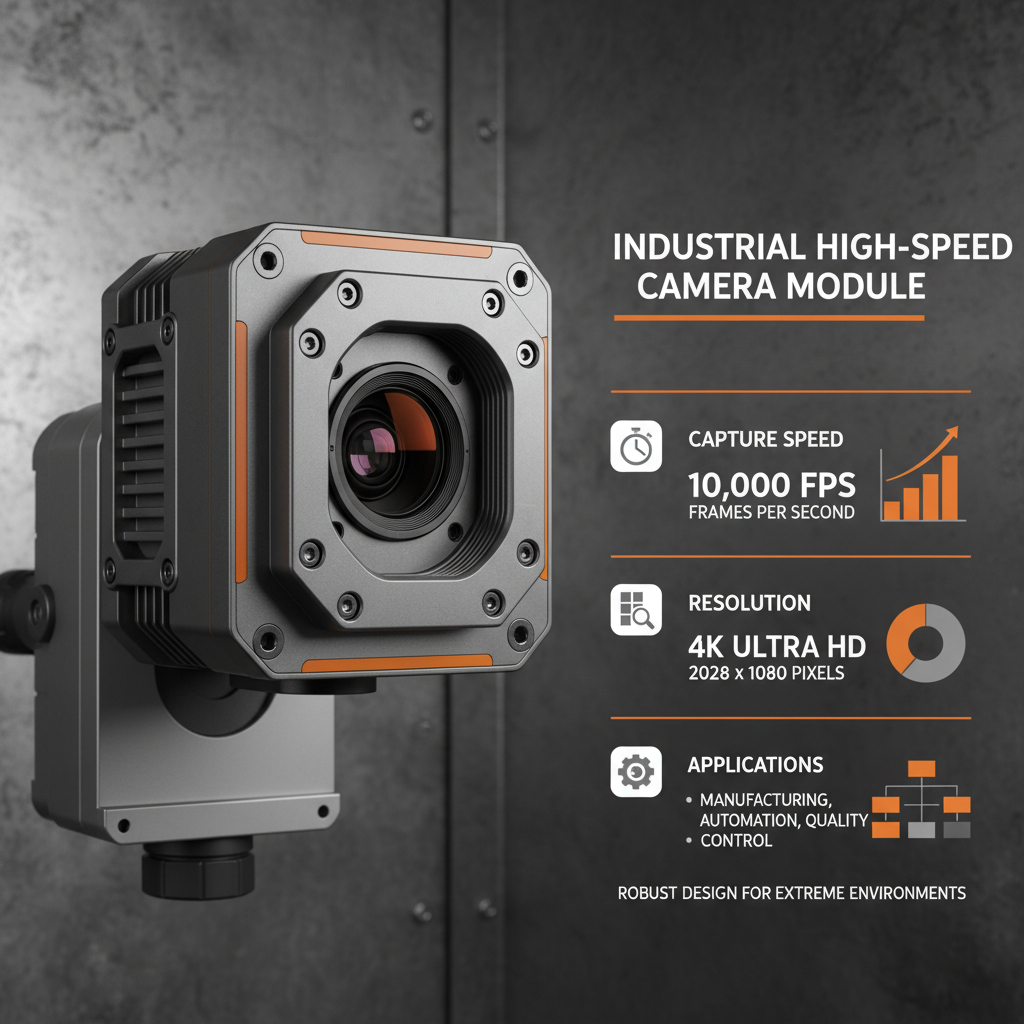
In the modern era of digital connectivity, the integration of a high-quality usb camera and microphone has become the cornerstone of seamless communication. Whether it is for corporate teleconferencing, remote medical consultations, or advanced industrial monitoring, the ability to capture crystal-clear visuals paired with crisp audio is no longer a luxury but a technical necessity for global productivity.
The shift toward hybrid work environments and the proliferation of AI-driven vision systems have accelerated the demand for modular imaging solutions. By combining a USB camera and microphone into a single, plug-and-play ecosystem, businesses can eliminate the friction of complex hardware setups, ensuring that data transmission is fluid and real-time interactions are natural and effective.
Understanding the technical synergy between image sensors and audio capture is essential for any organization looking to optimize its digital interface. From 1080P AF modules to 4K ultra-high-definition systems, the right usb camera and microphone configuration can significantly enhance user experience, improve security through biometric verification, and drive innovation in automated software services.
Global Context of USB Camera and Microphone Integration
On a global scale, the adoption of the usb camera and microphone standard has mirrored the rapid expansion of the internet of things (IoT). According to industry trends aligned with ISO standards for electronic equipment, there has been a measurable surge in the deployment of integrated AV modules in emerging markets. This growth is driven by the necessity for low-cost, high-efficiency communication tools that can be deployed rapidly in diverse environments, from urban offices to remote field clinics.
However, the industry faces a persistent challenge: the "quality gap" between consumer-grade peripherals and industrial-grade requirements. Many organizations struggle with latency, poor low-light performance, and audio interference, which can compromise the integrity of critical data. This has led to a renewed focus on developing specialized USB modules—such as Global Exposure and AI-enhanced cameras—that bridge the gap between simple connectivity and professional-grade reliability.
Defining the USB Camera and Microphone Ecosystem
At its core, a usb camera and microphone system is an integrated hardware solution that converts light and sound waves into digital data packets transmitted via a Universal Serial Bus interface. Unlike complex AV setups that require separate sound cards and capture cards, these modules encapsulate the image sensor, lens, and microphone transducer into a single streamlined pipeline. This simplifies the architecture for software developers and hardware engineers alike.
In the context of modern software and information technology services, this ecosystem represents the "eyes and ears" of the machine. Whether it is a Windows-Hello compatible module for secure biometric access or a 4K 8MP module for high-precision inspection, the goal is to provide a standardized way for computers to perceive their surroundings. The versatility of the USB protocol ensures that these devices remain compatible across Windows, Linux, and Android platforms.
Furthermore, this technology addresses humanitarian and industrial needs by enabling remote expertise. For instance, in telemedicine, a high-definition usb camera and microphone allows a specialist in one city to diagnose a patient in another with visual and auditory clarity that mimics an in-person visit, thereby democratizing access to healthcare globally.
Core Components for High-Performance Capture
To achieve professional results, a usb camera and microphone must balance several critical technical factors. First is Image Resolution and Clarity; moving from 0.3MP to 4K modules allows for significantly more detail, which is vital for AI recognition and quality control. The choice between Fixed Focus and Auto Focus (AF) determines how the device handles varying distances, affecting the overall usability of the module.
Another pivotal aspect is Signal Integrity and Bandwidth. The transition from USB 2.0 to USB 3.0 has been transformative for the usb camera and microphone landscape, enabling higher frame rates and uncompressed audio streams. This reduces the lag often associated with digital communication, ensuring that the audio and video remain perfectly synchronized, which is essential for human psychological comfort during conversations.
Finally, Environmental Durability and Form Factor play a massive role in practical application. FPC (Flexible Printed Circuit) camera modules allow for integration into tight spaces, while Global Exposure sensors are critical for capturing fast-moving objects without motion blur. When paired with noise-canceling microphones, these components create a robust system capable of operating in noisy industrial zones or sterile medical environments.
Practical Applications Across Global Industries
The application of usb camera and microphone technology extends far beyond the home office. In the industrial sector, these modules are integrated into kiosks and HMI (Human Machine Interface) panels to allow operators to communicate with central command centers in real-time. In remote industrial zones, such as offshore oil rigs or mining sites, these devices provide a vital link for technical support, allowing engineers to see and hear exactly what a field technician is experiencing.
In the realm of public safety and disaster relief, modular USB AV systems are deployed in mobile command units. For example, in post-disaster relief operations, rapid-deployment tablets equipped with high-gain microphones and wide-angle cameras allow NGOs to document damage and coordinate rescue efforts with extreme efficiency. The plug-and-play nature of the USB interface ensures that equipment can be replaced or upgraded in seconds, even in high-stress environments.
Efficiency Comparison of USB Camera and Microphone Configurations
Long-Term Value and Operational Advantages
Investing in a high-tier usb camera and microphone solution offers significant long-term economic and operational value. From a cost perspective, the modular nature of these devices reduces the need for expensive, proprietary hardware. Companies can scale their infrastructure by simply adding more modules as their team grows, rather than replacing entire systems. This scalability ensures that the initial investment remains viable as technology evolves.
Beyond the numbers, there is a profound impact on human trust and dignity. In remote education or telehealth, a high-quality audio-visual link reduces the "digital divide," making the interaction feel personal and respectful. When a patient can clearly see their doctor's expression and hear their voice without distortion, the level of trust increases, leading to better outcomes. In this sense, the usb camera and microphone is not just a tool, but a bridge for human connection.
Future Trends in Imaging and Audio Fusion
The future of the usb camera and microphone landscape is inextricably linked to the advancement of Artificial Intelligence. We are seeing a shift toward "Edge AI," where the camera module itself processes data before it even reaches the computer. This allows for real-time background noise cancellation, automatic framing (where the camera follows the speaker), and instant object recognition, all without taxing the host system's CPU.
Sustainability is also becoming a primary driver of innovation. Manufacturers are moving toward lead-free soldering and recyclable polymers for the housing of usb camera and microphone modules. By increasing the energy efficiency of the image sensors, these devices are reducing the overall power consumption of the hardware they are embedded in, aligning with global green energy goals and digital transformation policies.
Additionally, we expect a surge in the adoption of multi-sensor arrays. Dual-lens modules (such as the 5MP + 2MP combinations) are allowing for depth perception and 3D mapping, which will revolutionize everything from secure facial recognition (Windows-Hello) to augmented reality (AR) for industrial training. This evolution ensures that the USB interface remains the gold standard for versatile, high-bandwidth data capture.
Overcoming Technical Challenges in Deployment
Despite the advantages, deploying a usb camera and microphone system is not without its hurdles. One of the most common issues is "USB bus saturation," where too many high-bandwidth devices on a single controller lead to dropped frames or audio stuttering. The professional solution is to implement dedicated USB controllers or migrate to USB 3.0/3.1 standards to ensure there is ample headroom for 4K video streams.
Another challenge is environmental interference. In industrial settings, electromagnetic interference (EMI) can introduce "noise" into the audio signal or "snow" into the video feed. Expert integration involves using shielded cables and ferrite beads to isolate the usb camera and microphone from the surrounding electrical noise, ensuring that the signal remains pristine regardless of the location.
Lastly, software compatibility can vary across different OS kernels. To solve this, the industry has leaned heavily on UVC (USB Video Class) and UAC (USB Audio Class) standards. By adhering to these universal drivers, manufacturers ensure that their hardware works instantly upon connection, removing the need for cumbersome third-party drivers and reducing the burden on IT support teams.
Comparative Analysis of USB Camera and Microphone Specifications
|
Module Tier
|
Visual Performance
|
Audio Fidelity
|
Best Use Case
|
| Entry-Level (0.3MP) |
Basic (Score: 3/10) |
Standard (Score: 4/10) |
Basic Monitoring |
| HD Standard (1080P) |
Clear (Score: 7/10) |
Good (Score: 7/10) |
Corporate Meetings |
| Professional (2K/4K) |
Sharp (Score: 9/10) |
High-Fidelity (Score: 9/10) |
Medical/Industrial |
| AI Integrated |
Adaptive (Score: 10/10) |
Noise-Canceling (Score: 10/10) |
Smart Kiosks |
| Global Exposure |
Fast Motion (Score: 9/10) |
Balanced (Score: 7/10) |
Production Line |
| Dual-Lens Sync |
Depth-Aware (Score: 8/10) |
Stereo (Score: 8/10) |
Biometric Security |
FAQS
The primary difference lies in pixel density and detail. A 1080P module provides a resolution of 1920x1080, which is sufficient for most video calls and basic monitoring. A 4K module (approximately 3840x2160) offers four times the detail, allowing for digital zooming without losing clarity. For a usb camera and microphone system, 4K is recommended for medical imaging, high-end security, or any application where fine detail is critical for decision-making.
Most modern professional modules follow UVC (USB Video Class) and UAC (USB Audio Class) standards. This means they are "plug-and-play" and will work automatically with Windows, macOS, and Linux without requiring manual driver installation. This standardization is what makes the usb camera and microphone so versatile for rapid deployment in diverse industrial environments.
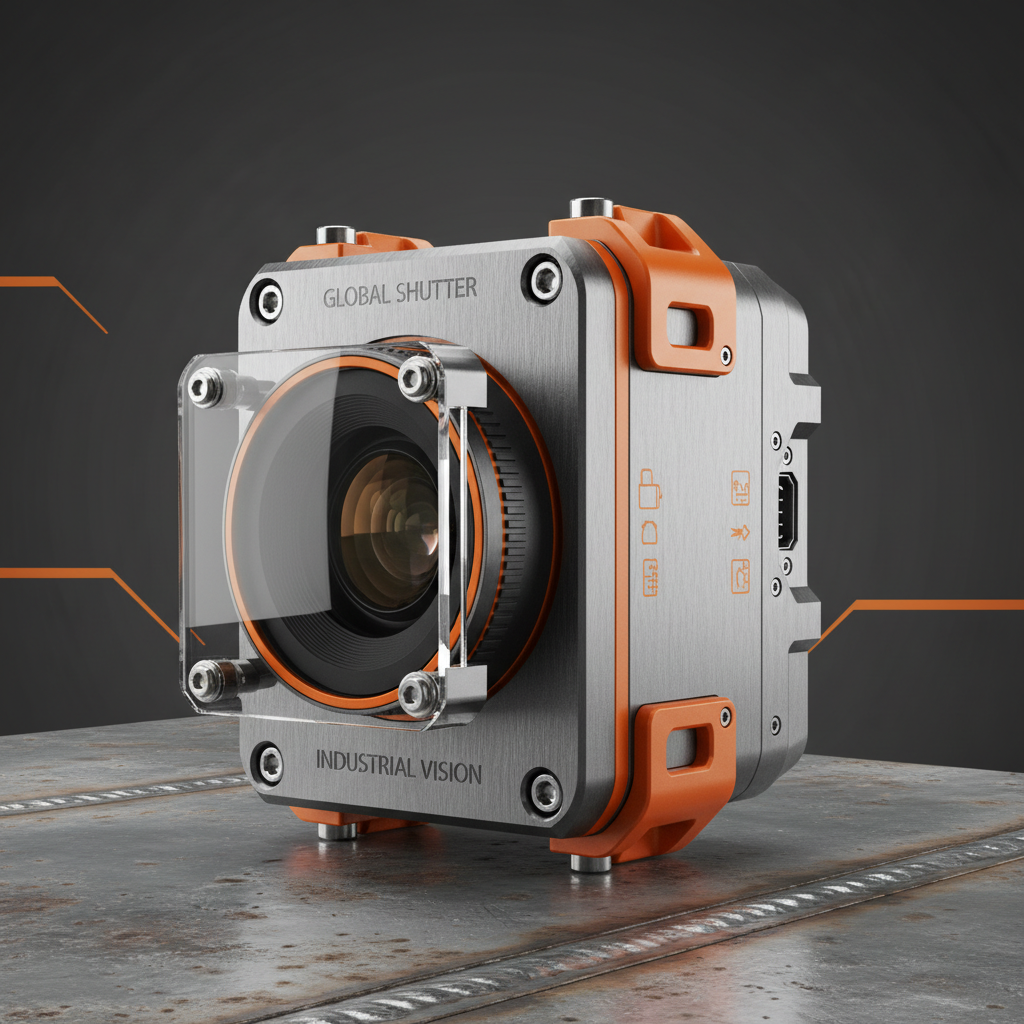
Traditional "Rolling Shutter" cameras capture the image line-by-line, which causes warping (the jello effect) when capturing fast-moving objects. A Global Exposure usb camera and microphone system captures the entire frame at once. This is essential for industrial automation, where the camera must accurately track parts moving on a high-speed conveyor belt without distortion.
Yes, provided the device is designed as an integrated module. These devices use a composite USB device descriptor that allows both the video and audio streams to share a single physical port. To prevent lag or stuttering, it is highly recommended to use a USB 3.0 port, as it provides significantly higher bandwidth to handle the combined data throughput of a usb camera and microphone setup.
No, Windows-Hello requires specific hardware, typically an Infrared (IR) camera alongside a standard RGB sensor. This allows the system to perform depth mapping and heat detection to ensure the user is a real person and not a photo. When selecting a usb camera and microphone for security, ensure the module explicitly lists IR sensor support for biometric authentication.
To reduce noise, first ensure you are using a module with an integrated noise-canceling microphone. Second, implement software-level filters (like DSP) to strip out constant low-frequency hums. Finally, using shielded USB cables prevents electromagnetic interference from heavy machinery from leaking into the audio signal of your usb camera and microphone system.
Conclusion
In summary, the strategic integration of a usb camera and microphone serves as a fundamental pillar for the modern digital workplace and industrial landscape. By balancing resolution, bandwidth, and environmental durability, these modules enable seamless communication, enhance security through biometrics, and drive operational efficiency across a multitude of sectors. From the simplicity of 1080P modules to the sophistication of AI-driven 4K systems, the value lies in the ability to capture high-fidelity data with minimal friction.
As we move toward a future defined by Edge AI and sustainable electronics, the role of integrated AV modules will only grow in importance. Organizations are encouraged to move away from fragmented hardware and embrace standardized, modular USB solutions to ensure scalability and reliability. Whether you are upgrading a corporate boardroom or deploying a remote monitoring station, prioritizing a high-performance usb camera and microphone is a critical step toward digital maturity. Visit our website for more professional solutions: www.szmyccm.com