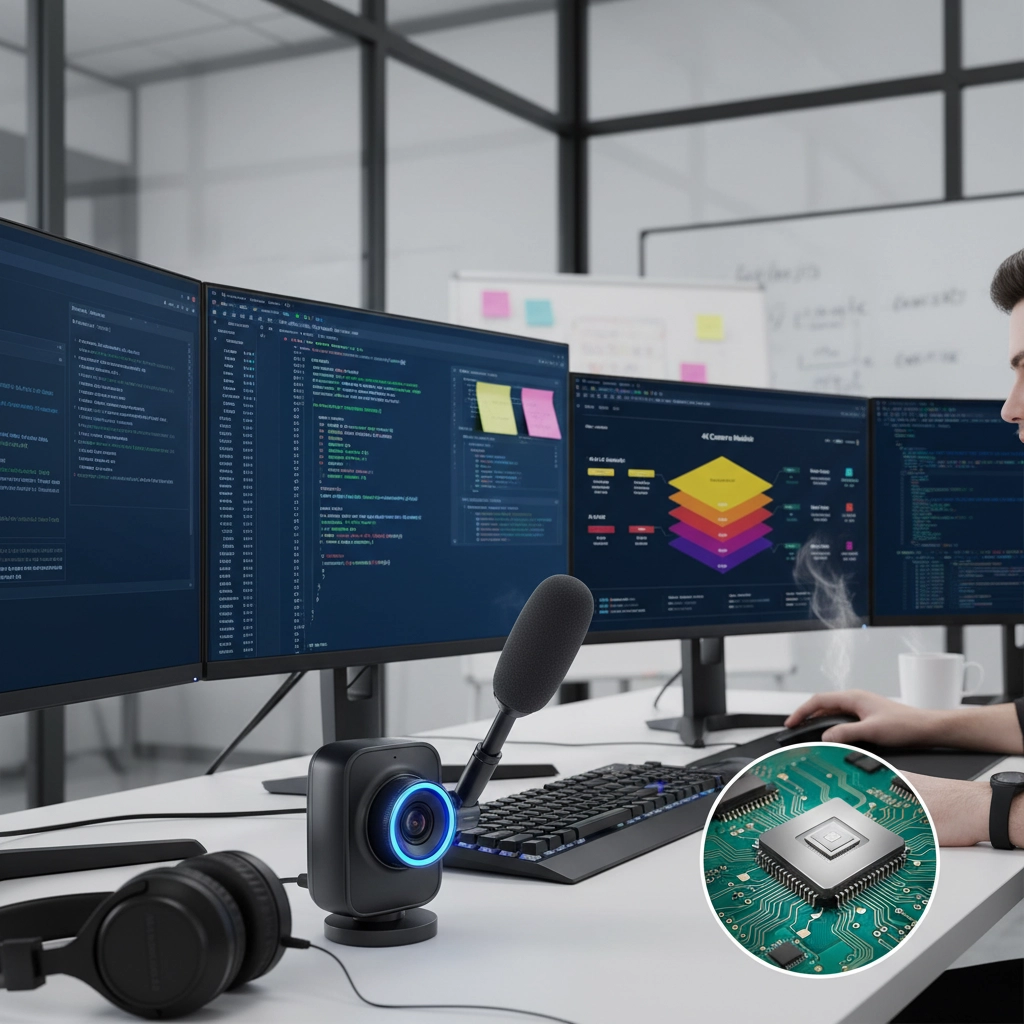
In the contemporary era of digital transformation, the demand for a high-quality usb camera and microphone for pc has transitioned from a luxury to a fundamental necessity. Whether it is for corporate boardrooms, educational institutions, or the burgeoning creator economy, the synergy between crisp visual input and clear audio capture defines the quality of remote interaction. Understanding the nuances of these peripherals allows users to optimize their communication workflows and ensure professional presence in a virtual environment.
Globally, the shift toward hybrid work models—accelerated by international health crises and the push for digital inclusivity—has placed immense pressure on hardware standards. According to trends aligned with ISO standards for audiovisual systems, the integration of plug-and-play USB interfaces has democratized access to high-definition imaging and sonic clarity. However, the challenge remains in finding a balance between resolution, frame rate, and microphone sensitivity that caters to diverse environmental acoustics.
By focusing on the technical integration of an optimized usb camera and microphone for pc, businesses and individuals can eliminate the friction of "technical difficulties" that often plague virtual meetings. This guide explores the technical specifications, global applications, and future trajectories of these essential tools, providing a comprehensive roadmap for selecting hardware that enhances productivity and fosters genuine human connection across borders.
Global Relevance of USB Camera and Microphone Integration
The global adoption of a usb camera and microphone for pc is no longer just about convenience; it is about economic resilience. In regions where infrastructure for physical travel is limited or costly, high-definition USB peripherals enable telemedicine, remote judicial hearings, and cross-border education. This technological bridge reduces the carbon footprint associated with corporate travel and allows talent to contribute from any geographical location.
From an industry perspective, the manufacturing of these devices has evolved to meet rigorous demands for stability and compatibility. The shift toward USB 3.0 and USB-C interfaces ensures that high-bandwidth 4K video streams and lossless audio can be transmitted without latency, which is critical for real-time synchronization in professional broadcasting and collaborative engineering environments.
Defining the Modern USB Camera and Microphone for PC
At its core, a usb camera and microphone for pc is an integrated peripheral system that converts light and sound waves into digital data via a Universal Serial Bus interface. Unlike built-in laptop hardware, these external modules offer superior sensor sizes and acoustic diaphragms, providing the clarity needed for professional-grade communication. They are designed to be "plug-and-play," meaning they utilize UVC (USB Video Class) and UAC (USB Audio Class) protocols to work across Windows, macOS, and Linux without complex driver installations.
In a broader humanitarian and industrial context, these devices serve as the "eyes and ears" for remote monitoring. Whether it is an AI-powered camera module monitoring a production line or a high-fidelity microphone capturing environmental data in a laboratory, the USB standard provides a reliable, standardized method for data ingestion. This universality ensures that hardware from different manufacturers can be swapped or upgraded without replacing the entire computing infrastructure.
Modern iterations often blend various technologies, such as Auto-Focus (AF) for dynamic depth of field and noise-canceling microphones for chaotic environments. By combining these elements into a single USB-driven ecosystem, the usb camera and microphone for pc becomes a powerful tool for accessibility, allowing individuals with disabilities to utilize voice-to-text and gesture-recognition software with high precision.
Core Technical Components for Superior Performance
When evaluating a usb camera and microphone for pc, the first critical factor is the CMOS sensor quality. The resolution—ranging from 0.3MP for basic monitoring to 4K 8MP for high-end production—determines the level of detail. A larger pixel size allows for better low-light performance, reducing the "graininess" often seen in home offices with poor lighting.
Equally important is the audio capture mechanism. A professional usb camera and microphone for pc typically employs omnidirectional or cardioid microphone arrays. These are paired with Digital Signal Processing (DSP) chips that filter out background hums and echo, ensuring that the human voice remains the focal point of the transmission, regardless of the room's acoustics.
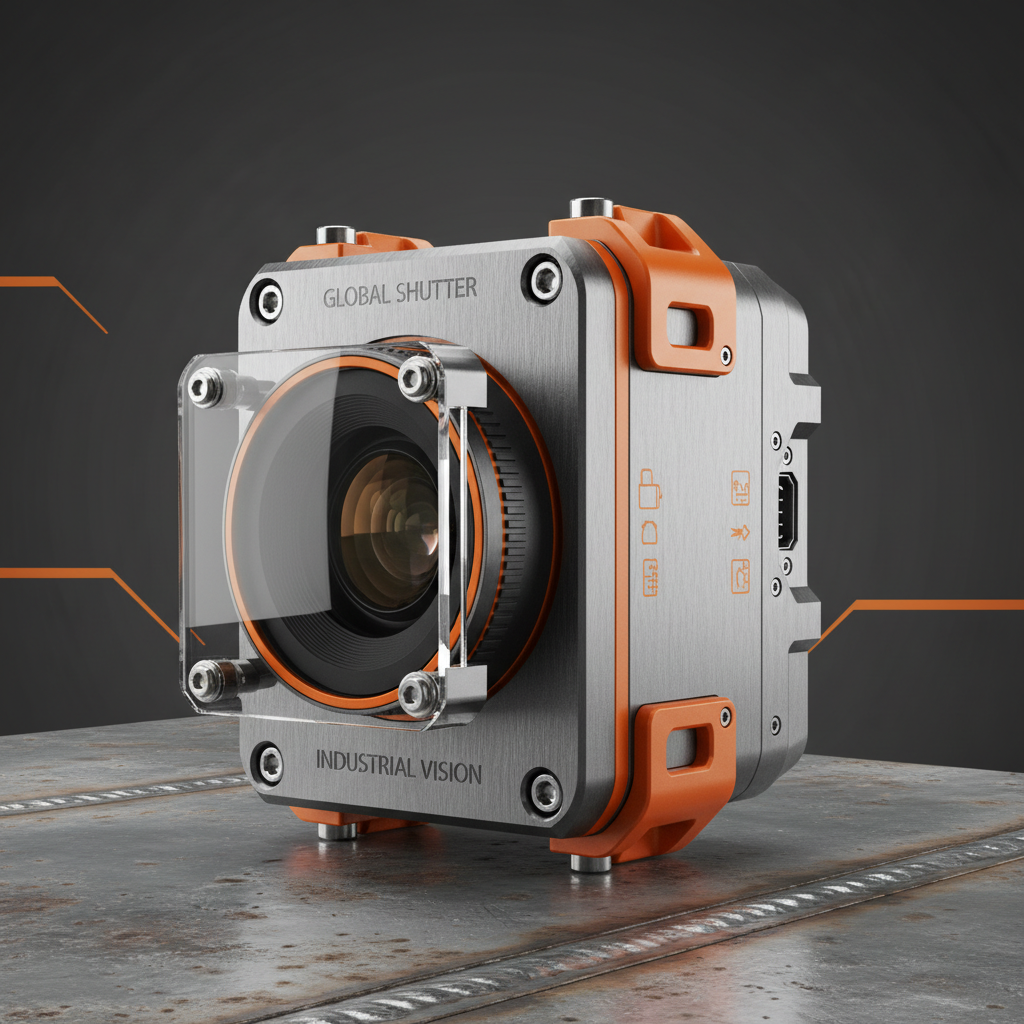
Lastly, the interface and bandwidth management play a pivotal role. USB 2.0 is sufficient for 720p or 1080p streams, but for 2K or 4K modules, USB 3.0 is essential to prevent frame drops. The integration of Global Exposure sensors in specialized modules further ensures that fast-moving objects are captured without the "rolling shutter" effect, which is vital for industrial inspection.
Global Applications and Industrial Use Cases
The versatility of a usb camera and microphone for pc extends far beyond simple video calls. In the medical field, these devices are integrated into tele-health kiosks in rural Africa and Asia, allowing local clinics to send high-resolution imagery and audio reports to specialists in urban centers. This application saves countless lives by enabling early diagnosis without the need for arduous travel.
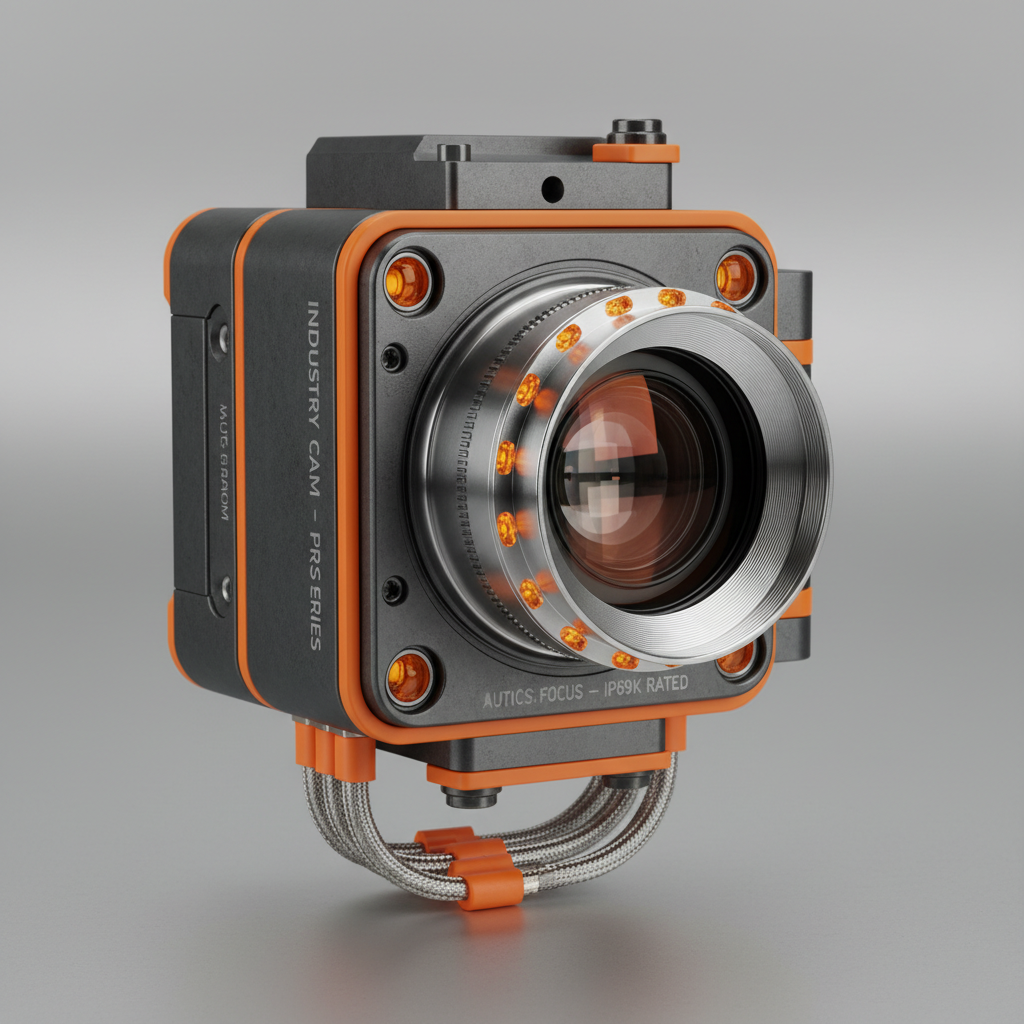
In industrial zones, specifically within the electronics and automotive sectors, USB camera modules are used for automated optical inspection (AOI). When paired with a microphone for acoustic emission testing, the system can detect both visual defects in a circuit board and the subtle sound of a failing bearing in a motor, all through a single PC interface.
Performance Efficiency of USB Camera and Microphone for PC Variants
Tangible Advantages and Long-Term Value
Investing in a high-quality usb camera and microphone for pc yields immediate logical benefits in terms of professional image and communication efficiency. When audio is crisp and video is sharp, the cognitive load on the participants is reduced, leading to shorter, more effective meetings and a reduction in misunderstandings. This reliability builds trust between partners and clients, which is the currency of the digital economy.
From a sustainability perspective, the modular nature of USB peripherals means that users can upgrade their camera or microphone independently of their computer. This prevents the premature disposal of entire laptops just to get a better webcam, significantly reducing e-waste. Furthermore, the shift toward energy-efficient CMOS sensors ensures that these devices have a minimal power draw, aligning with global green energy initiatives for corporate offices.
Future Trends in Imaging and Audio Capture
The next frontier for the usb camera and microphone for pc is the deep integration of Edge AI. We are seeing a shift toward modules that perform noise cancellation and image stabilization on the device itself, rather than relying on the PC's CPU. This reduces latency and allows for features like real-time gaze correction and automatic speaker framing, where the camera physically or digitally follows the person talking.
Another significant trend is the move toward "Invisible Integration." Future USB modules will be smaller and more powerful, allowing them to be embedded into furniture, walls, and wearable tech without sacrificing quality. This will facilitate a truly ambient computing environment where the technology disappears, leaving only the seamless interaction between humans.
Additionally, the rise of Windows-Hello and other biometric authentication standards is pushing USB cameras toward infrared (IR) integration. The combination of a standard RGB sensor and an IR sensor within one USB housing allows for secure, face-based login, merging the functions of communication and security into a single, elegant hardware solution.
Overcoming Common Hardware Challenges
One of the most persistent challenges with a usb camera and microphone for pc is the "echo loop" caused by sound leaking from speakers back into the microphone. The professional solution involves implementing Acoustic Echo Cancellation (AEC) at the hardware level. By utilizing dual-microphone arrays, the device can identify the source of the sound and digitally subtract the speaker's output from the recording.
Another common hurdle is lighting inconsistency. Many users struggle with backlight or dim environments. The innovation here is the adoption of Wide Dynamic Range (WDR) and Auto-Exposure algorithms. These allow the camera to balance extremely bright and dark areas of a frame in real-time, ensuring the subject is always visible and professional, regardless of the room's window placement.
Finally, bandwidth congestion can lead to stuttering video. The solution lies in choosing the right compression codec. While MJPEG is common, moving toward H.264 or H.265 hardware encoding within the USB module itself significantly reduces the amount of data sent over the cable, allowing 4K quality even on moderately loaded USB buses.
Technical Analysis of USB Peripheral Solutions across Different Use-Cases
| Application Scenario |
Recommended Resolution |
Audio Requirement |
Priority Feature |
| Executive Boardroom |
4K Ultra HD |
Multi-mic Array |
Auto-Framing AI |
| Industrial AOI |
2MP / 5MP |
High-gain Mono |
Global Shutter |
| Remote Education |
1080P Full HD |
Noise Reduction |
Auto-Focus (AF) |
| Telemedicine |
2K / 4K |
Studio Quality |
Color Accuracy |
| Home Office |
1080P |
Integrated Stereo |
Plug-and-Play |
| Security Kiosks |
0.3MP to 2MP |
Basic Voice |
IR Night Vision |
FAQS
Most modern devices are UVC and UAC compliant, meaning they are "Plug-and-Play." You typically do not need to install separate drivers for basic operation on Windows or macOS. However, some professional-grade modules offer optional software for advanced settings like manual exposure or microphone gain control.
The primary difference is pixel density. A 4K module has four times the resolution of 1080P, allowing for digital zooming without significant loss of clarity. This is ideal for presentations where you need to show a whiteboard or a detailed document. However, 4K requires more bandwidth, making a USB 3.0 port highly recommended.
To reduce noise, look for a usb camera and microphone for pc that features built-in DSP (Digital Signal Processing) or noise-canceling technology. Additionally, positioning the microphone closer to your mouth and using "cardioid" pickup patterns can help isolate your voice from ambient room noise.
It will likely work, but you will experience limitations. To save bandwidth, the camera may lower the frame rate (FPS) or use heavy compression, which results in a "choppy" video. For a smooth 30fps or 60fps 4K experience, a USB 3.0 or USB-C port is essential.
Global exposure (or Global Shutter) captures the entire frame at once, whereas standard "Rolling Shutters" capture line by line. This prevents the "jello effect" or distortion when capturing fast-moving objects, making it critical for industrial automation and high-speed sports recording.
Yes, provided the module supports the necessary resolution and, for high security, an IR sensor (as seen in Windows-Hello modules). AI software processes the video stream from the USB camera to identify landmarks on the face for authentication or emotion analysis.
Conclusion
In summary, the integration of a high-performance usb camera and microphone for pc is a strategic investment that bridges the gap between physical presence and digital interaction. From the technical necessity of CMOS sensors and DSP audio to the practical applications in telemedicine and industrial AOI, these tools are the bedrock of modern remote connectivity. By prioritizing bandwidth, resolution, and noise cancellation, users can ensure a professional and seamless experience that transcends geographical boundaries.
Looking forward, the fusion of Edge AI and biometric security will continue to evolve these peripherals from simple input devices into intelligent assistants. Whether you are upgrading a corporate office or designing an industrial monitoring system, focusing on modularity and standardization will ensure your hardware remains relevant in a rapidly changing technological landscape. To explore our full range of professional imaging and audio solutions, visit our website: www.szmyccm.com