
engaged in camera related products' R&D, design and production

High-Performance usb 3.0 camera module Solutions for Bahrain's Digital Infrastructure

Empowering Bahrain's industrial automation and smart city initiatives with precision imaging technology and high-speed data transmission.

Imaging Technology Landscape in Bahrain

Analyzing the intersection of high-tech vision systems and the Gulf's unique environmental challenges.

In Bahrain, the demand for a robust camera module is driven by the Kingdom's "Vision 2030" digital transformation. The rapid growth of smart ports and logistics hubs requires vision systems that can withstand high ambient temperatures and humidity while maintaining pinpoint accuracy.

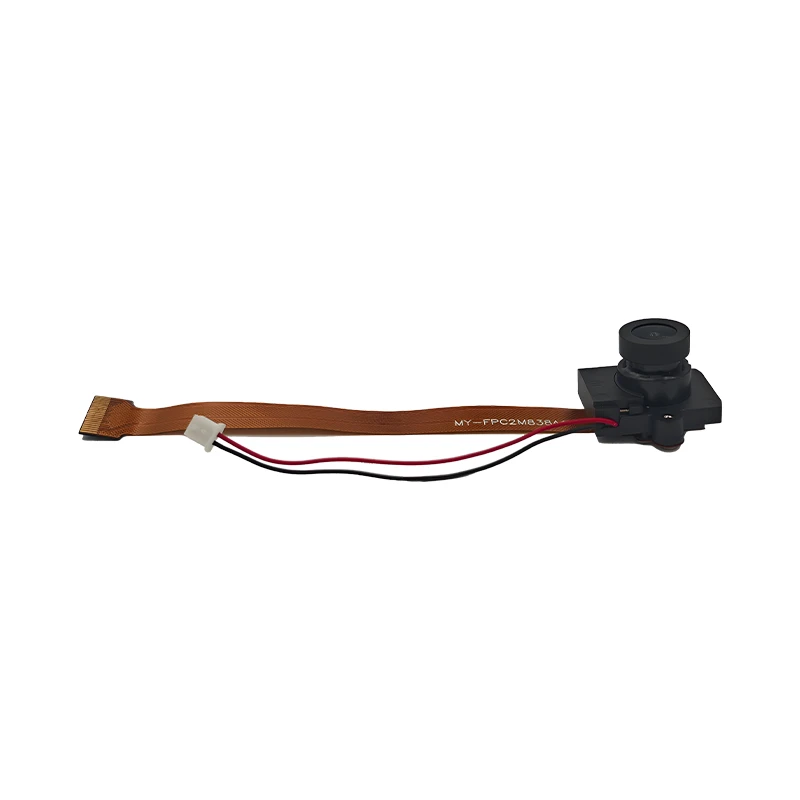
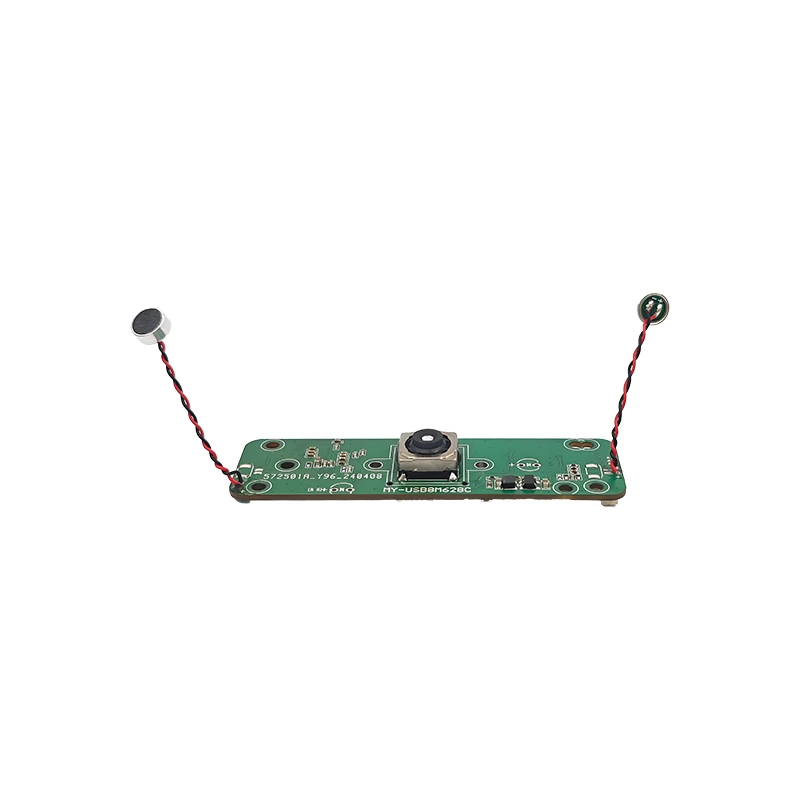
The local market is shifting from basic surveillance to complex industrial inspection. There is a growing preference for the fpc camera module due to its flexibility in compact device integration, essential for the specialized electronics manufacturing emerging in the region.

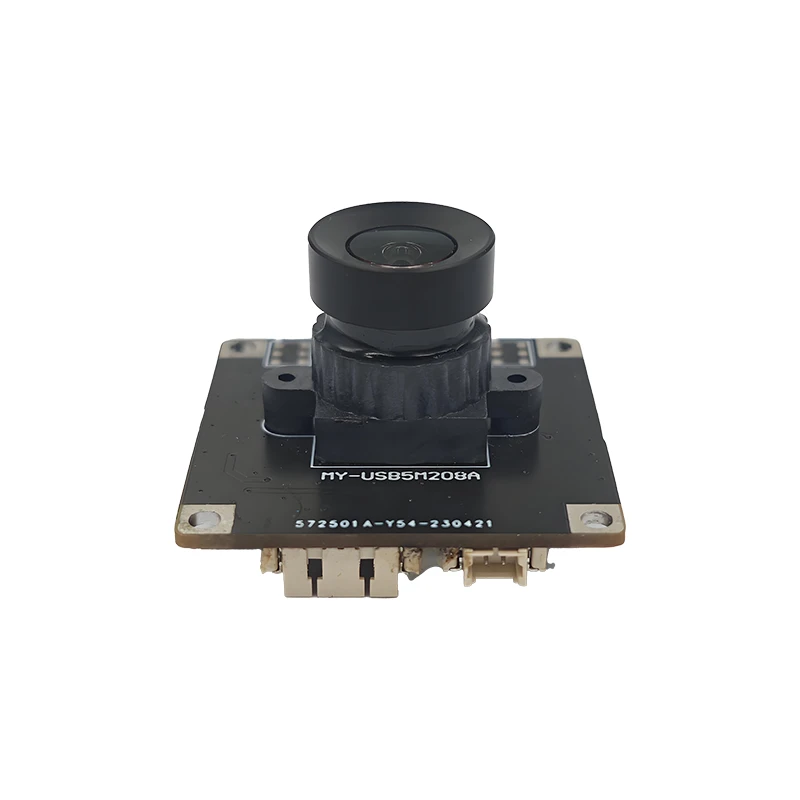
Furthermore, Bahrain's focus on Fintech and E-government has increased the need for secure, high-resolution biometric verification systems. This has led to a surge in the adoption of the 12mp usb camera module to ensure high-fidelity image capture for identity management.
Evolution of Vision Modules in the Middle East

From analog capture to high-speed digital USB interfaces.

Market Development History

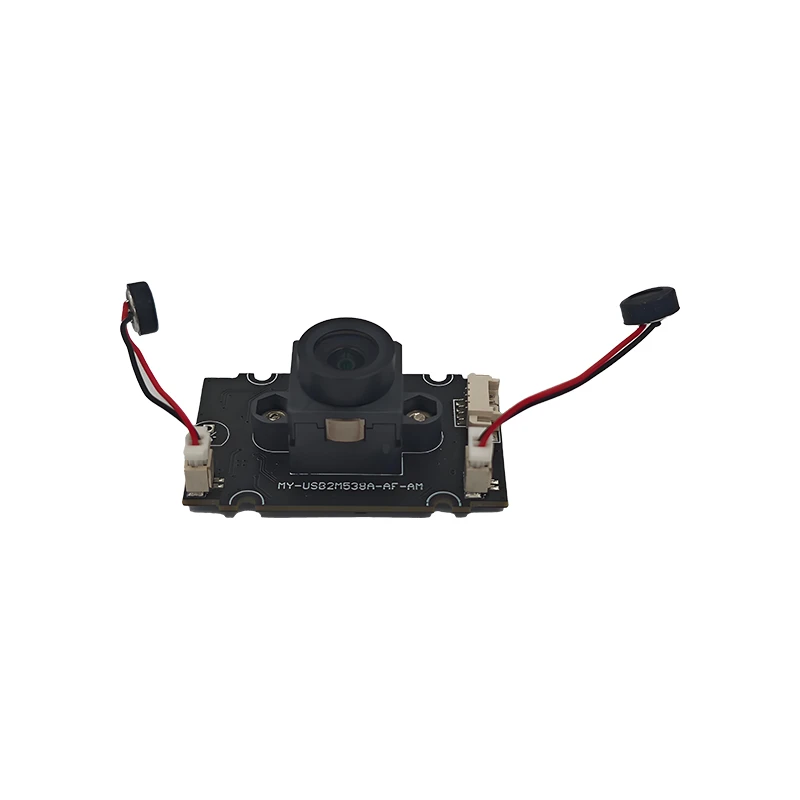
Between 2010 and 2015, the region relied heavily on analog CCTV systems. The transition to the first generation of module camera usb began as businesses sought easier integration with PC-based management software.

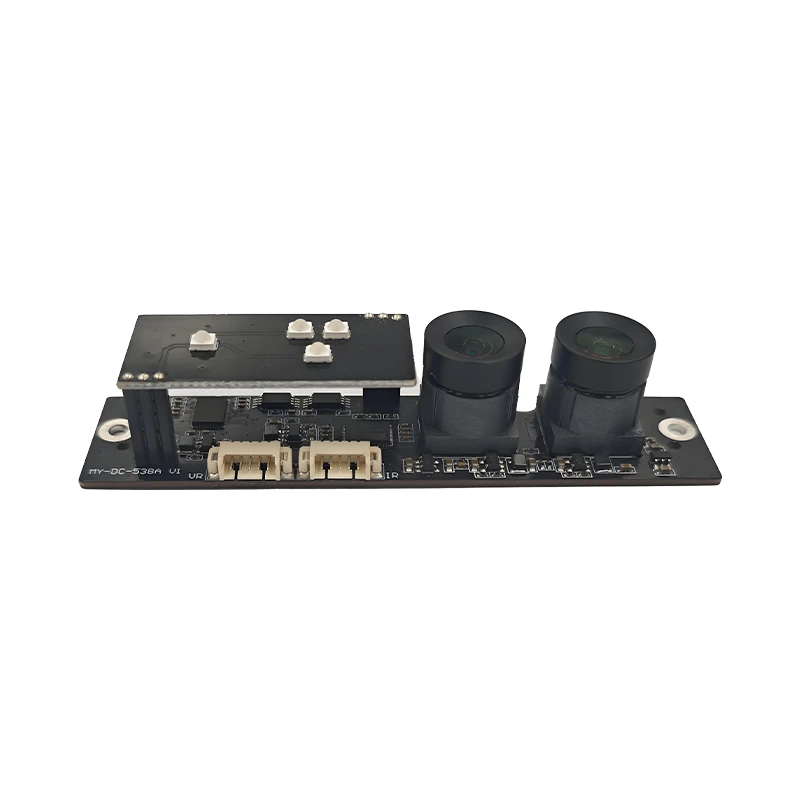
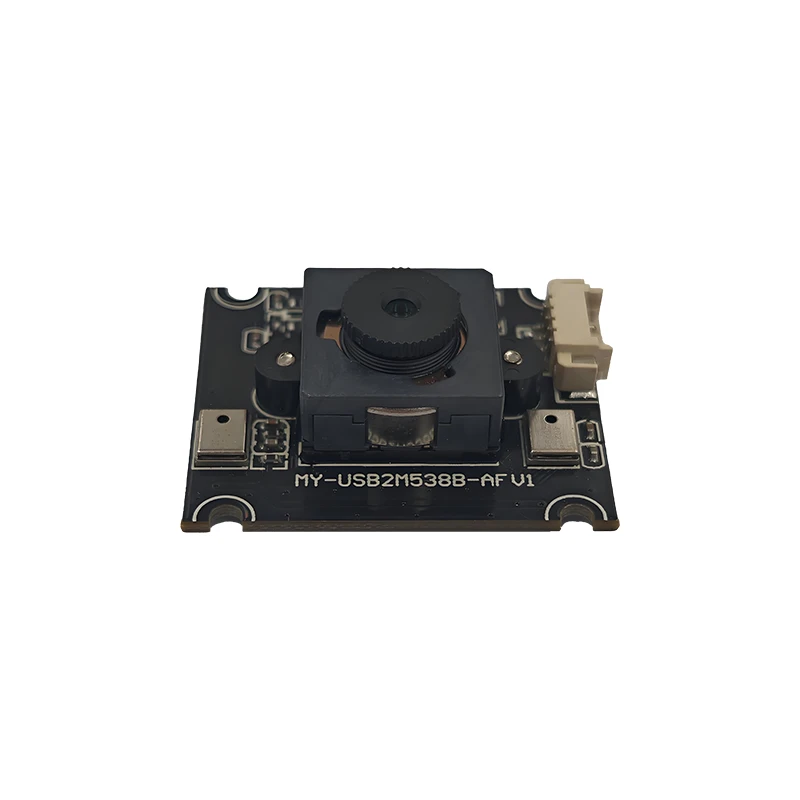
From 2016 to 2020, the industry witnessed a leap in resolution and bandwidth. The introduction of USB 3.0 protocols allowed for real-time HD streaming, making the usb 3.0 camera module the gold standard for industrial automation in Bahrain's aluminum and oil sectors.

Since 2021, the focus has shifted toward miniaturization and extreme resolution. The adoption of FPC (Flexible Printed Circuit) technology has allowed manufacturers to embed imaging sensors into non-traditional form factors, optimizing space in medical and handheld devices.

Future Development Trends

Edge AI Integration

We expect vision modules to move beyond simple capture to on-device processing, reducing latency for Bahrain's autonomous logistics projects.

Hyperspectral Imaging

Moving toward specialized sensors that can detect chemical compositions, crucial for environmental monitoring in the Arabian Gulf.

Ultra-Low Power Consumption

Development of modules optimized for solar-powered remote monitoring stations across the desert landscape.

Industry Trends and Future Outlook

Strategizing the next decade of optical sensing and data transmission.

Bandwidth Expansion
The transition toward USB 3.1 and beyond to support 4K uncompressed video feeds in real-time.
Miniaturization
Reducing the footprint of the FPC interface to allow integration into wearable health tech.
Thermal Resilience
Advanced heat dissipation materials to prevent sensor noise in desert environments.
AI-Driven Autofocus
Integrating neural networks for faster target acquisition in dynamic industrial scenes.

Industry Outlook

Google Search trends indicate a rising interest in "industrial IoT" and "AI vision" within the GCC region. This suggests that the future of the camera module market will be dominated by smart, integrated systems rather than standalone sensors.

As Bahrain continues to diversify its economy away from oil, we anticipate a surge in demand for high-precision imaging in the medical technology and aerospace sectors, where the 12mp usb camera module provides the necessary detail for diagnostic and inspection tasks.

Localized Application Scenarios in Bahrain

Practical implementations of advanced imaging modules in the Kingdom's key sectors.

01. Smart Port Automation (Khalifa Bin Salman Port)

Deploying the usb 3.0 camera module for high-speed container tracking and automated OCR plate recognition to optimize logistics flow.

02. Medical Diagnostics in Manama

Utilizing the 12mp usb camera module in digital dermatology and endoscopic equipment for high-resolution medical imaging.

03. Aluminum Plant Quality Control

Integrating the module camera usb into smelting line inspection systems to detect surface defects in real-time at high temperatures.

04. Security for Government Infrastructure

Using the fpc camera module for covert, low-profile security integration in sensitive government installations.

05. Environmental Monitoring of the Coastline

Implementing ruggedized camera module arrays to monitor coastal erosion and marine life health in the Arabian Gulf.

Brand Story

Global Development History of Shenzhen Minyou Digital Technology Co., Ltd.

Founding and Core Focus

Established with a mission to bridge the gap between complex optical physics and practical software integration, focusing on the most challenging industrial imaging pain points.

Technological Breakthroughs

Pioneered the integration of high-resolution sensors with USB 3.0 interfaces, reducing data latency by 60% for industrial users globally.

Global Market Expansion

Expanded operations into the Middle East and Asia, adapting product specifications to survive extreme climates and high-interference environments.

Quality Certification

Achieved international standards for electronic manufacturing, ensuring every module meets rigorous stability and longevity tests.

The Future Vision

Moving towards "Intelligence at the Edge," where our modules don't just see, but understand the world through integrated AI.

Bahrain Local Technical FAQ

Solving common implementation challenges for regional engineers.

How does the usb 3.0 camera module handle high-temperature environments in Bahrain?

Our modules utilize industrial-grade thermally conductive adhesives and high-TG PCBs to ensure stability even when ambient temperatures exceed 50°C.

What are the advantages of using a 12mp usb camera module for biometric security?

The 12MP resolution provides sufficient pixel density for high-accuracy facial recognition and iris scanning, reducing false negatives in security checkpoints.

Can the fpc camera module be integrated into custom-built medical devices?

Yes, the flexible printed circuit (FPC) allows the sensor to be placed in tight spaces and curved housings, making it ideal for specialized medical instrumentation.

Is the module camera usb compatible with standard Linux-based industrial controllers?

Our modules follow the UVC (USB Video Class) standard, ensuring plug-and-play compatibility with Linux, Windows, and Android systems without custom drivers.

What is the maximum cable length for a usb 3.0 camera module before signal degradation?

Standard passive cables support up to 3 meters; for longer distances in Bahrain's large-scale warehouses, we recommend using active USB 3.0 extenders.

How does the camera module protect against dust in industrial settings?

We offer customizable housing options and sealing gaskets that provide IP67-rated protection against the fine desert dust common in the region.

Consult Our Vision Experts

Ready to upgrade your imaging infrastructure in Bahrain? Our engineering team is available for technical consultation and custom module design.

Contact Us Now

If you are interested in our products, you can choose to leave your information here, and we will be in touch with you shortly.