

Nov . 11, 2026 00:42 Back to list
ov2640 camera module price: checks for choosing a 2MP MIPI module
A useful ov2640 camera module price comparison starts with the sensor, resolution, host interface, data format, control bus, infrared filtering, and power profile. The MY-FPC2M838-A1 uses a GC2083 1920 × 1080 sensor with MIPI and DVP interfaces, RAW8 and RAW10 output, a two-wire serial control interface, an integrated IR-CUT filter, and low power consumption. These points help you judge whether this module fits a sports camera, car DVR, or compact mobile design.

Sensor and image target: GC2083 with a 1920H × 1080V, 2MP pixel array, matched to the host image pipeline.
Integration requirements: MIPI or DVP interface, RAW10 or RAW8 format, two-wire serial control with I2C configuration, integrated IR-CUT filter, low power consumption, and FPC camera module construction.
Start with the sensor and image requirement
The MY-FPC2M838-A1 uses a GC2083 CMOS image sensor with a 1920H × 1080V pixel array, which places it in the 2MP, 1080P class. That is the first check to make when an ov2640 camera module price search is being used to identify a replacement or a new camera module. Match the sensor and resolution in your host design before comparing a quoted price or a catalog label.
This module suits products that need 1080P capture in a compact FPC camera module. We supply it for sports cameras, car DVRs, and various mobile applications. In a sports camera, the 1920 × 1080 array gives the host a defined 2MP image target while the compact module format supports a small camera assembly. In a car DVR, the same resolution and sensor choice give the design team a clear starting point for checking the processor pipeline and storage requirements.
The sensor model also matters for software and image tuning. The GC2083 includes an on-chip 10-bit ADC image signal processor. Choose this module when your image pipeline is designed around the GC2083 and its supported controls. An OV2640 search term does not establish that two modules use the same sensor or share the same register configuration.
Check how the host will connect
The MY-FPC2M838-A1 supports both MIPI and DVP interfaces. This dual-interface arrangement suits a product team that needs to match the camera module to different host processor architectures. Before selection, check which interface your processor board accepts and which connector and FPC layout your enclosure can accommodate.
MIPI is relevant to compact products where the camera data path is built around a MIPI host input. DVP gives the design another connection option for a compatible processor architecture. The module does not turn a MIPI camera into a USB camera by itself, so a USB product design needs a host-side bridge or processor arrangement that supports that conversion. Select the module around the complete camera path, from the sensor interface to the final host connection.
A practical integration check is to place the module's FPC connection in the same mechanical and electrical review as the processor board. For a mobile device, confirm the FPC route, camera position, host interface, and available space before ordering. For a car DVR, review the cable path and processor connection together so the selected MIPI or DVP route matches the planned recording board.
Match the output format and control method
The module supports RAW10 and RAW8 data formats. RAW10 provides the higher bit-depth option, while RAW8 can be used when the host data path is designed around an 8-bit raw format. The choice affects how the host receives and processes sensor data, so it belongs in the interface review rather than in a price-only comparison.
The two-wire serial interface gives the host control over the sensor's operation and parameters, including exposure and gain through I2C configuration. This makes the control bus an important selection point for a camera design that needs software control over image settings.
Confirm three items in your electronics review: the processor's MIPI or DVP input, the intended RAW8 or RAW10 path, and the software plan for the two-wire serial interface. These checks help prevent a module from being selected solely because its headline resolution matches the project.
Consider IR-CUT and portable power needs
An integrated IR-CUT filter makes the MY-FPC2M838-A1 suitable for designs that need infrared filtering as part of the camera module. The filter blocks infrared light during the day to reduce color distortion and support natural color reproduction across changing lighting conditions. This is relevant to a car DVR or another camera that works through daylight changes and needs the optical filtering function included in the module.
The module is also specified for low power consumption. That fits battery-powered mobile products, including portable cameras, where the camera's power profile affects operating time. We supply the module for applications where low-power operation and 1080P imaging need to be considered together.
Picture a battery-powered camera using the module during repeated recording sessions. The host team should review the camera's low-power requirement alongside the processor, storage, display, and wireless loads. The module's low power profile supports that design direction, while the complete product power budget still belongs to the system design review.
Use a balanced selection checklist
A suitable choice should satisfy the whole camera path:
- Sensor and resolution: GC2083 with a 1920H × 1080V, 2MP pixel array.
- Host connection: MIPI or DVP, selected to match the processor board.
- Raw data path: RAW10 or RAW8, selected to match the host bandwidth and processing design.
- Control: Two-wire serial interface, including I2C configuration for sensor operation and image settings.
- Optical filtering: Integrated IR-CUT for infrared filtering and more natural daytime color.
- Power direction: Low power consumption for compact and battery-powered equipment.
- Mechanical integration: FPC camera module construction for compact device assembly.
These criteria point to the MY-FPC2M838-A1 for sports cameras, car DVRs, and mobile applications built around a GC2083 2MP module. The selection depends on a compatible MIPI or DVP host, a matching RAW8 or RAW10 processing path, and software that can control the sensor through its two-wire serial interface. Complete those checks before treating a catalog price as a usable comparison.
Questions to settle before selection
Is the MY-FPC2M838-A1 a 2MP module?
Yes. The module uses a 1920H × 1080V pixel array, which is a 2MP, 1080P image configuration. This resolution suits sports cameras, car DVRs, and mobile applications that require a defined Full HD image target. Confirm that your processor, storage path, and display workflow are designed for 1920 × 1080 capture before you place the module into a product design.
Can the host use DVP instead of MIPI?
Yes. The module supports both MIPI and DVP interfaces, so the host design can use the compatible interface provided by its processor architecture. This is useful when a project has more than one board configuration. Check the processor input, FPC routing, and board layout together, then select the interface that matches the actual camera connection in your device.
Which raw formats can the module send?
The module supports RAW10 and RAW8. Select between them according to the host processor's raw-data path, bandwidth design, and image-processing workflow. RAW10 provides the higher bit-depth output option, while RAW8 suits a host path designed for 8-bit raw data. Include the selected format in the electronics and software integration review.
What controls does the two-wire serial interface provide?
The two-wire serial interface lets the host control the sensor's operation and parameters, including exposure and gain through I2C configuration. This suits designs where the processor needs to adjust image behavior through software. Confirm the host's two-wire serial support and the planned configuration method during integration.
Send the right details for a quote
Choose the MY-FPC2M838-A1 when your design needs a GC2083 2MP module with MIPI or DVP, RAW8 or RAW10, an integrated IR-CUT filter, and a low-power direction for sports cameras, car DVRs, or mobile equipment. Send us the target resolution, host interface, raw format, FPC layout, application, and required quantity so we can review the fit with you.

About the author
The company
Shenzhen Minyou Digital Technology Co.,Ltd
Established in 2013, our company Shenzhen Minyou Digital Technology Co.,Ltd is the professional OEM&ODM manufacturer of AI cameras, usb camera modules, FPC camera modules including MIPI camera modules, camera sensor modules and cameras for PC/TV/Web/facial recognition and other intelligent use.…
About Us ↗Visit company website ↗-
5MP USB Camera Module Comparison: Single-Lens or Dual-Lens Design?
NewsNov.02,2026
-
MY-DC52M-A1 Dual Lens Wide Dynamic Range Usb2.0 Camera Module With HD Video 5mp+2mp FAQ
NewsOct.31,2026
-
Choosing MY-USB-2-4M898A V2: Application Fit and Specification Checks
NewsOct.22,2026
-
High Resolution Imaging with raspberry pi camera module v2 1
NewsJul.01,2026
-
Guide to Using the Raspberry Pi Camera Module v2 for AI Projects
NewsJun.29,2026
-
MY-USB1M818A Global Exposure Usb Camera Module With 1mp Hd Video
-
-
-
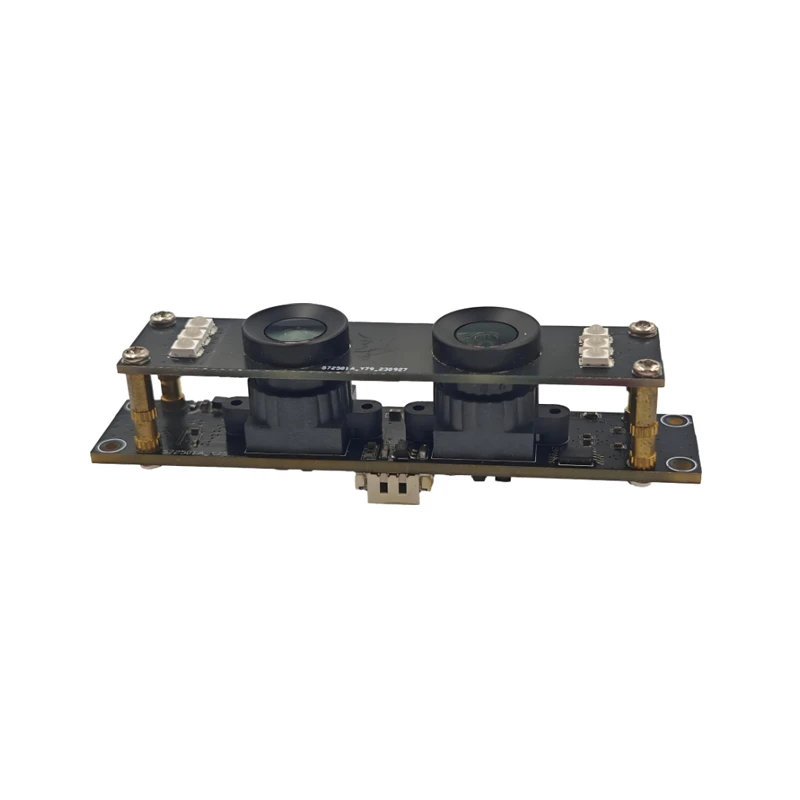
MY-DC52M-A1 Dual Lens Wide Dynamic Range Usb2.0 Camera Module With HD Video 5mp+2mp
-
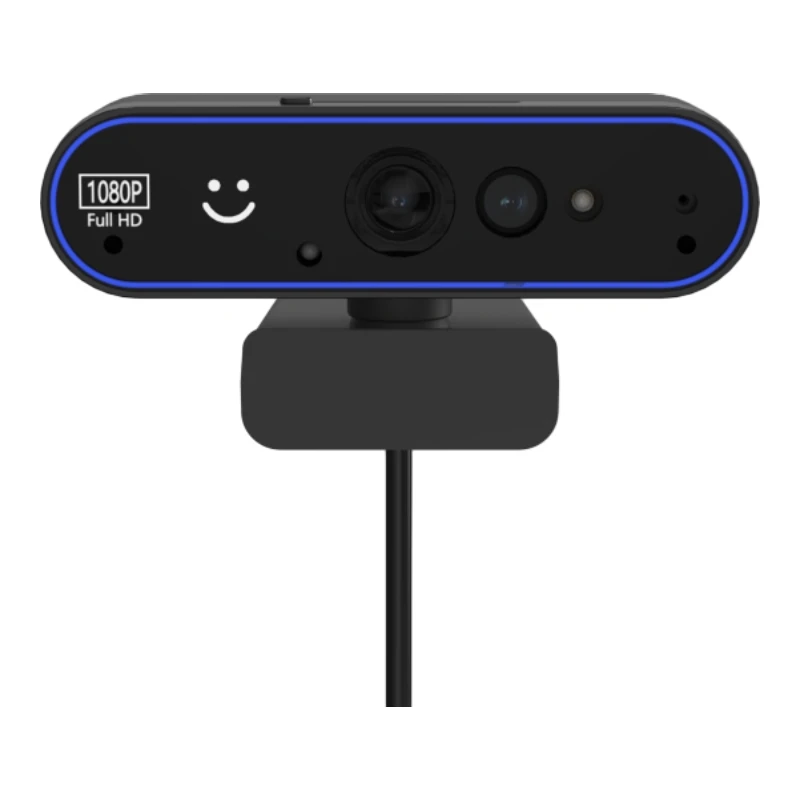
MY-WHC700 Windows Hello Face Recognition Binocular USB Camera
-
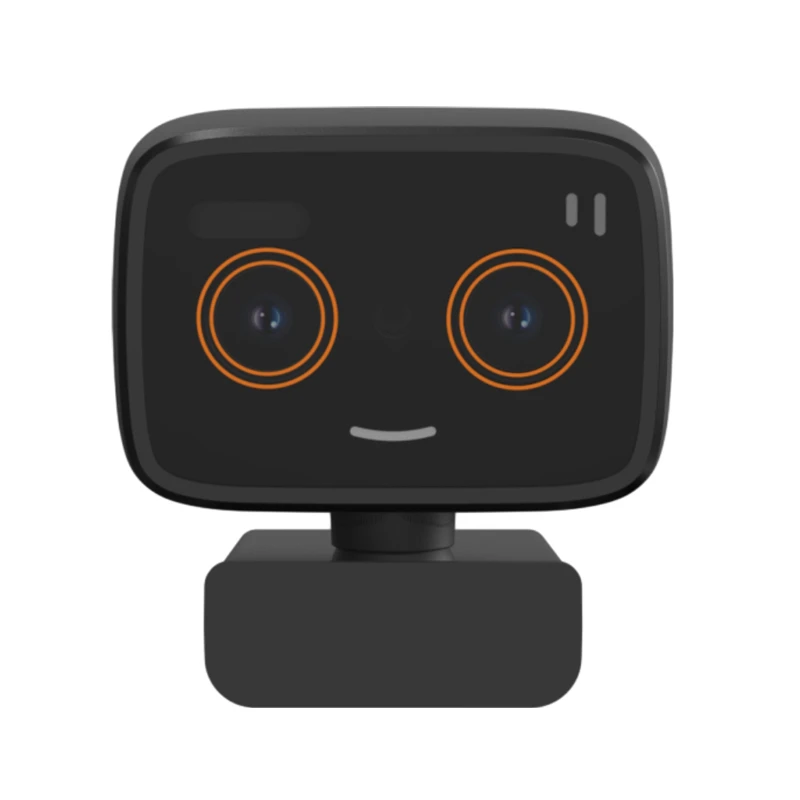
MY-DC-260-A1 Dual Lens Usb2.0 Web Camera With High-definition Video 2mp+2mp
-
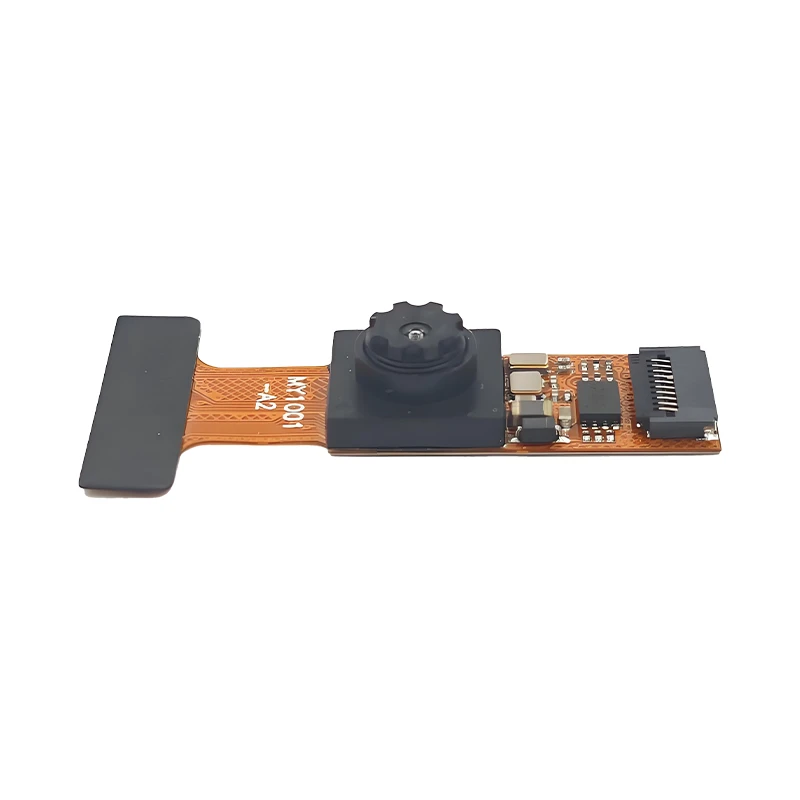
MY-1001-A2 AI Tracking, Gesture Recognition, Sitting Posture Detection Smart Camera Module
-
MY-USB8M158A 4K Resolution HD Video Driver-Free USB Camera Module With Microphone
