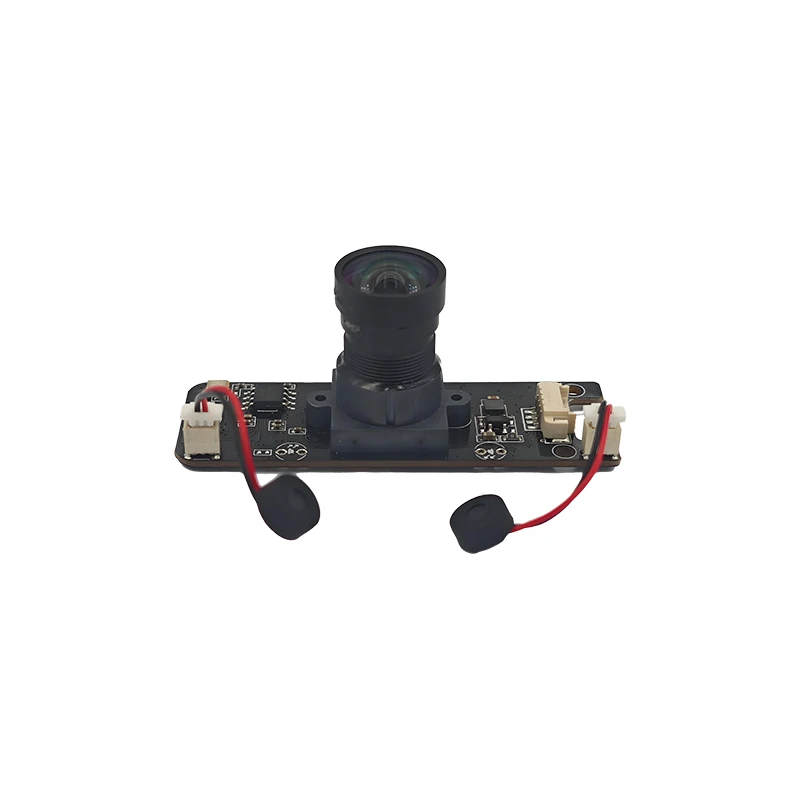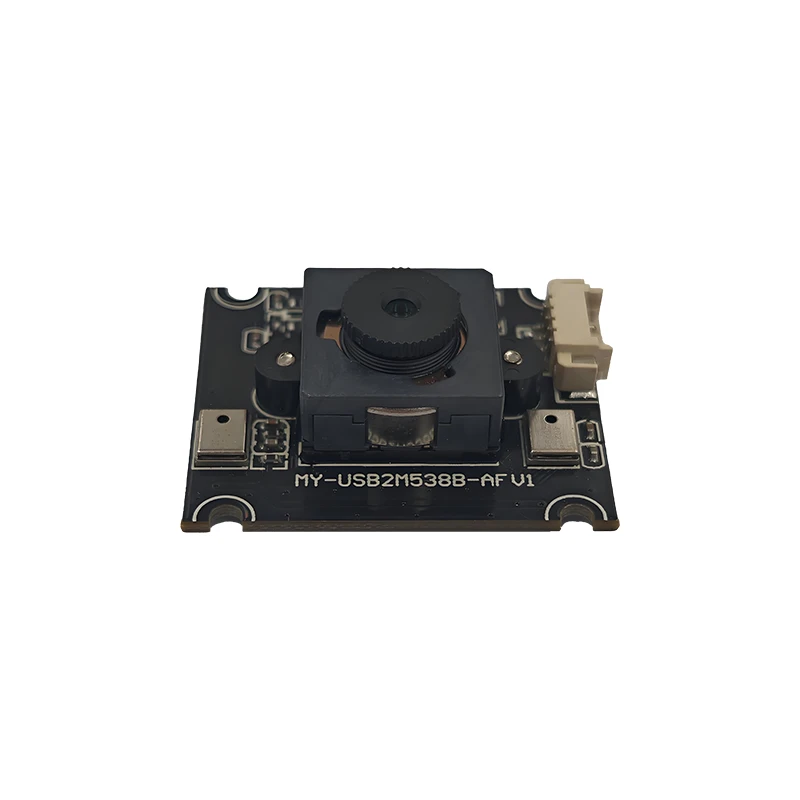
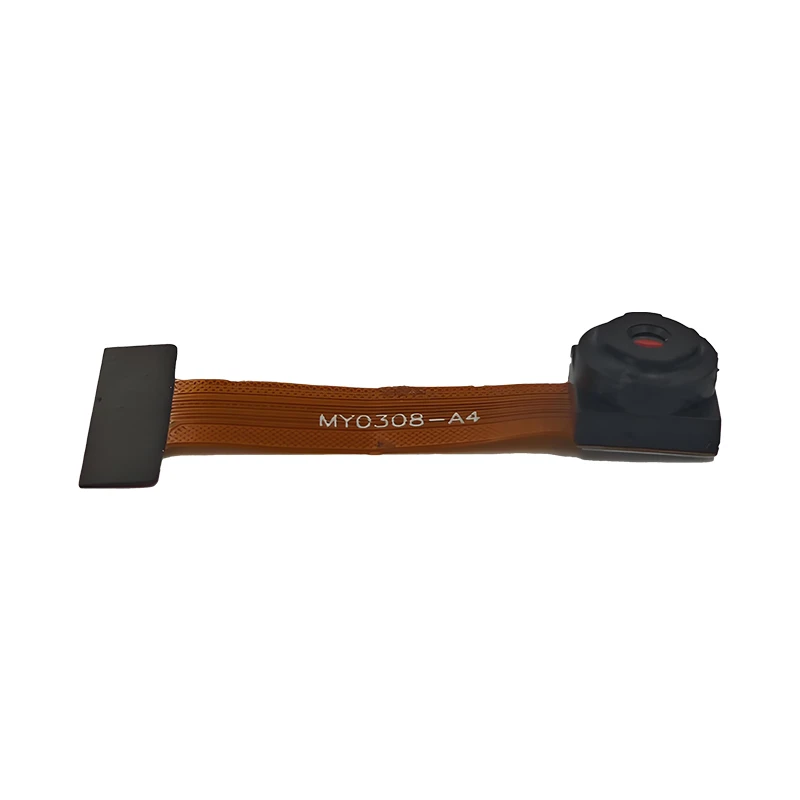
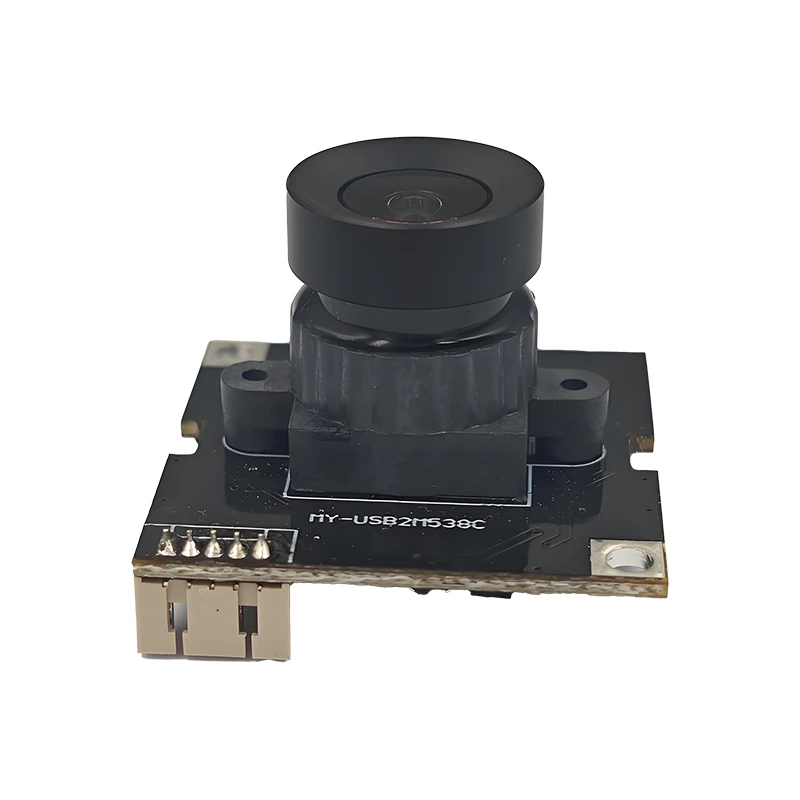
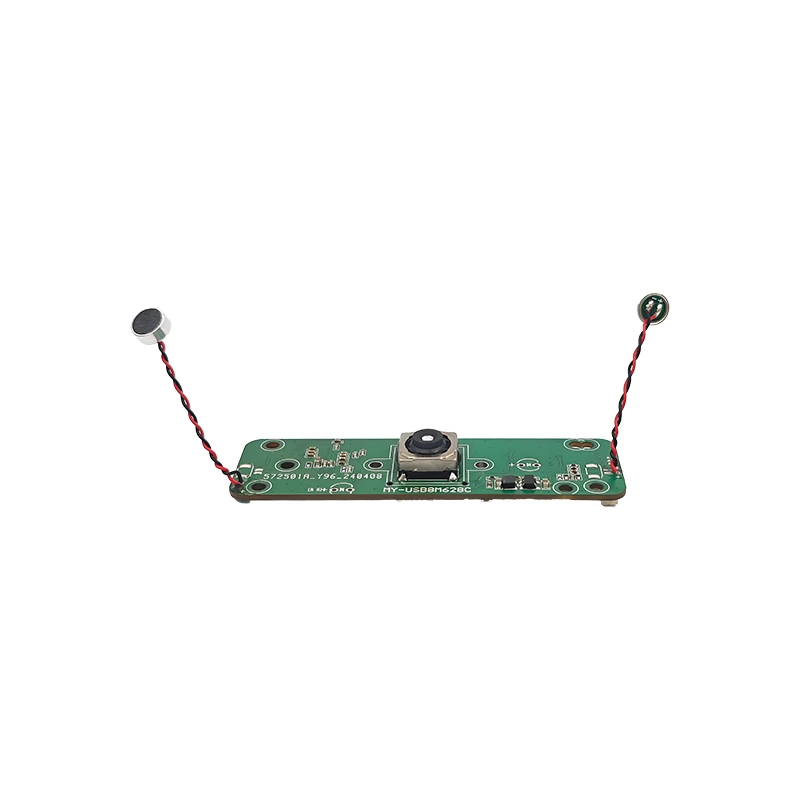
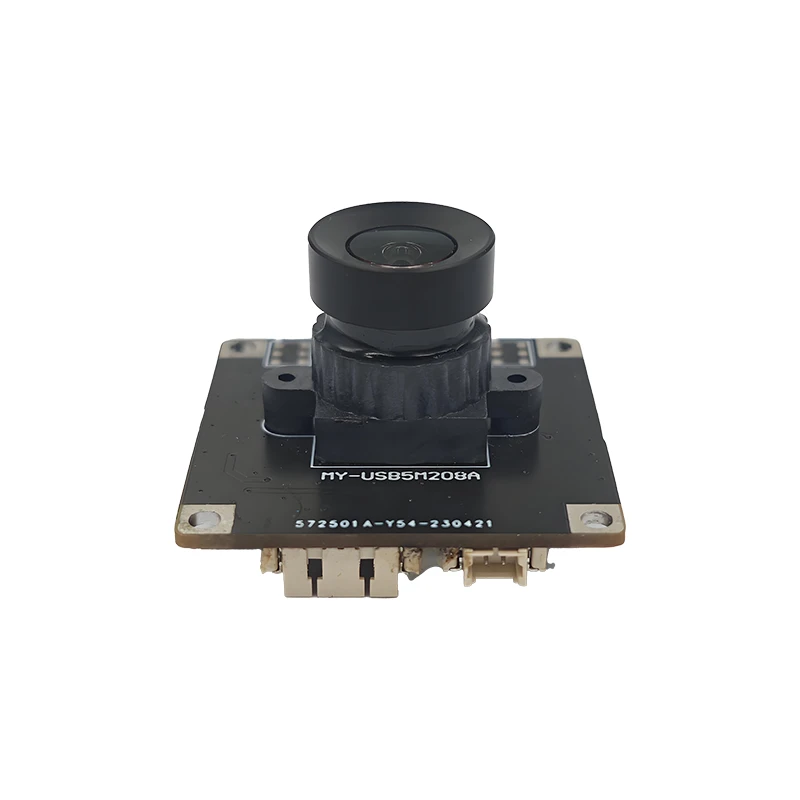
engaged in camera related products' R&D, design and production

High-Performance usb 3.0 camera module Solutions for Swedish Industrial Innovation

Empowering Sweden's automation and vision systems with precision-engineered imaging components and ultra-fast data transmission.

The Landscape of Imaging Technology in Sweden

Analyzing the intersection of Swedish engineering precision and modern optical sensors.

Sweden's industrial environment is characterized by a strong emphasis on sustainability and high-precision engineering. In the realm of electronic equipment manufacturing, there is a surging demand for a reliable module camera usb that can withstand varied northern climates while maintaining extreme data accuracy for automated quality control.

The Swedish market is currently transitioning towards "Industry 4.0," where the integration of high-resolution imaging is no longer optional. Companies are increasingly adopting the 12mp usb camera module to achieve the pixel density required for microscopic inspection in the medical device and automotive sectors prevalent in Gothenburg and Stockholm.

Furthermore, the unique Swedish focus on lean manufacturing requires components that are compact yet powerful. This has led to a significant uptick in the adoption of the fpc camera module, which allows for flexible placement in tight mechanical enclosures without sacrificing signal integrity.
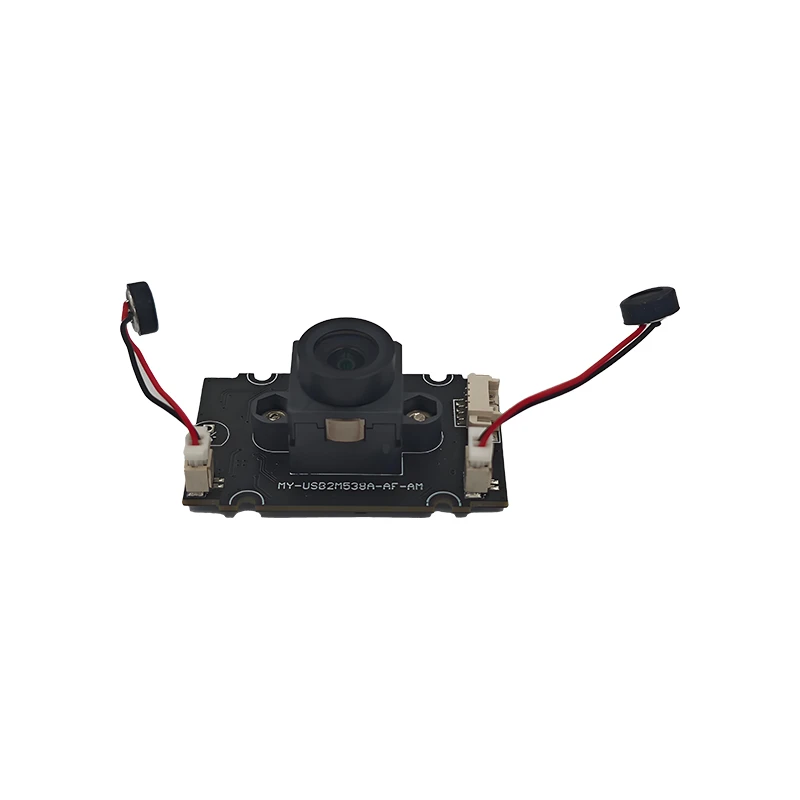
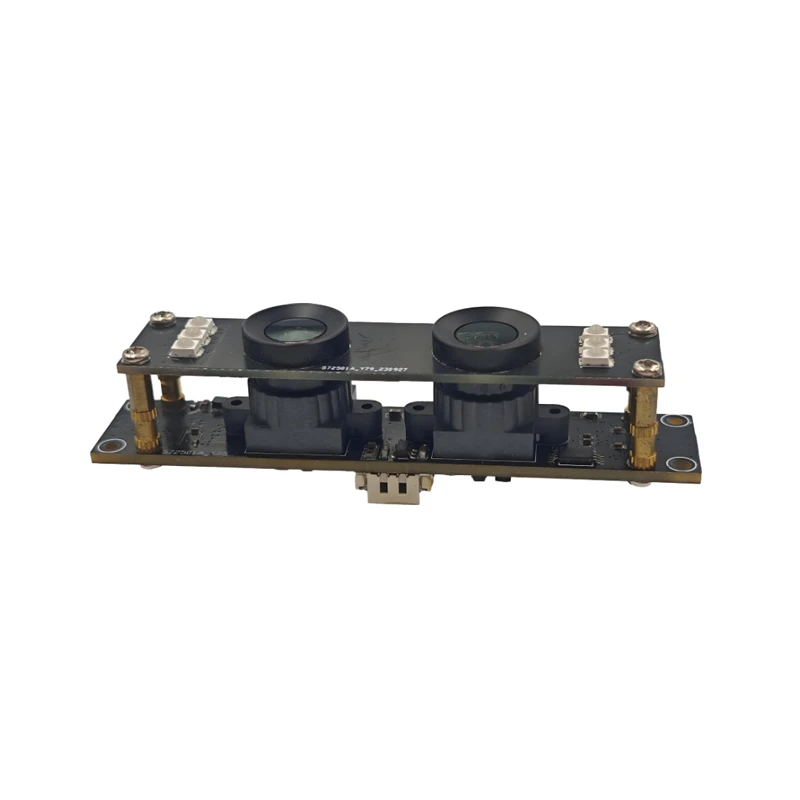
Evolution and Trajectory of Vision Systems

From analog sensors to high-speed USB 3.0 digital interfaces.

Market Development History

In the early 2010s, the Swedish market relied heavily on standard analog interfaces and low-resolution sensors. The initial shift toward digitalization saw the introduction of basic USB 2.0 modules, which provided convenience but lacked the bandwidth for real-time high-definition processing.

Between 2015 and 2020, the industry witnessed a paradigm shift with the widespread adoption of the usb 3.0 camera module. This leap allowed for the transmission of uncompressed raw data, enabling Swedish software developers to implement complex computer vision algorithms with minimal latency.

Today, the evolution has moved toward extreme miniaturization and specialization. The current era is defined by the synergy between high-megapixel sensors and flexible circuitry, making the fpc camera module the gold standard for integrated embedded systems.

Future Development Trends

AI-Integrated Edge Processing

We predict a shift toward "Smart Sensors" where the camera module performs initial data filtering on the chip, reducing the load on the central CPU.

Ultra-High Resolution Standards

The demand for resolutions beyond 12MP will grow as Swedish aerospace and defense industries require higher detail for long-range surveillance.

Hyper-Flexible Interconnects

Next-generation FPC designs will focus on increased durability and resistance to electromagnetic interference in harsh industrial environments.

Future Outlook for Imaging Hardware

Anticipating the next wave of technological breakthroughs in the Nordic region.

Bandwidth Expansion
Transitioning toward USB 3.2 and USB4 to handle 4K raw streams effortlessly.
Sensor Miniaturization
Reducing the footprint of the sensor assembly for wearable medical devices.
Spectral Imaging
Integration of multi-spectral sensors for agricultural monitoring in Sweden.
Automated Calibration
AI-driven auto-calibration for modules operating in variable lighting.

Industry Outlook

Based on Google search trends in Northern Europe, there is a clear migration toward "low-power high-bandwidth" solutions. The Swedish market is increasingly prioritizing energy efficiency in alignment with national carbon-neutral goals, pushing camera module manufacturers to optimize power consumption.

We expect the convergence of 5G and high-resolution USB modules to enable real-time remote diagnostic services across Sweden's vast geography, allowing experts in Stockholm to analyze high-def feeds from remote industrial sites in Kiruna.

Localized Application Scenarios in Sweden

Practical implementations of our imaging technology across Swedish industries.

01. Automotive Quality Control in Gothenburg

Integration of 12mp usb camera module systems into assembly line robots to detect paint imperfections and structural gaps with sub-millimeter precision.

02. Telemedicine Hubs in Rural Lapland

Using a high-definition module camera usb in diagnostic kiosks to provide remote healthcare access to residents in sparsely populated northern regions.

03. Precision Forestry Automation

Mounting a ruggedized usb 3.0 camera module on harvesting machinery to analyze tree diameter and health in real-time via computer vision.

04. Smart City Infrastructure in Stockholm

Deploying compact fpc camera module units within traffic management sensors to monitor pedestrian flow and optimize urban mobility.

05. Advanced Robotics Research at KTH

Providing a versatile camera module for academic research in autonomous navigation and humanoid robotics development.

Brand Story

Global Development Journey of Shenzhen Minyou Digital Technology Co., Ltd.

The Foundation of Precision

Founded with a mission to bridge the gap between complex optical sensors and user-friendly interfaces, focusing on high-stability digital modules.

Technological Breakthroughs

Pioneered the integration of high-speed USB 3.0 interfaces into ultra-compact form factors for the industrial market.

Global Expansion

Expanded operations into the European market, tailoring products to meet strict CE standards and Nordic environmental requirements.

Innovation Partnership

Collaborated with leading software firms to optimize driver compatibility for specialized vision OS.

Future Vision

Committed to leading the transition toward AI-integrated imaging modules that redefine industrial automation.

Frequently Asked Questions in Sweden

Expert answers to common technical queries regarding our vision modules.

How does the usb 3.0 camera module improve data throughput in industrial apps?

USB 3.0 provides significantly higher bandwidth compared to USB 2.0, allowing for high-resolution, uncompressed video streams in real-time, which is critical for high-speed inspection lines in Swedish factories.

Is the 12mp usb camera module compatible with Linux-based systems?

Yes, our 12MP modules are UVC compliant, ensuring plug-and-play functionality with most Linux distributions, which are widely used in Swedish embedded software development.

What are the main advantages of using an fpc camera module over standard cables?

FPC (Flexible Printed Circuit) modules offer a drastically smaller footprint and can be bent to fit into complex geometries, reducing overall device size and improving reliability in vibrating environments.

Can the module camera usb operate in low-light Nordic winter conditions?

Our modules feature high-sensitivity sensors and adjustable exposure settings, making them ideal for low-light environments typical of Swedish winters.

How do I integrate a camera module into a custom PCB design?

We provide detailed pin-out diagrams and technical datasheets for our FPC and USB interfaces to ensure seamless integration with your hardware engineering team.

What is the typical lead time for bulk orders to Sweden?

Depending on the customization level of the module, lead times typically range from 2 to 4 weeks, with optimized logistics to ensure fast delivery to Swedish ports.

Ready to Elevate Your Vision System?

Our technical experts are available to help you choose the perfect imaging solution for your projects in Sweden.

Contact Us Now

If you are interested in our products, you can choose to leave your information here, and we will be in touch with you shortly.