


Sep . 04, 2025 16:04 Back to list
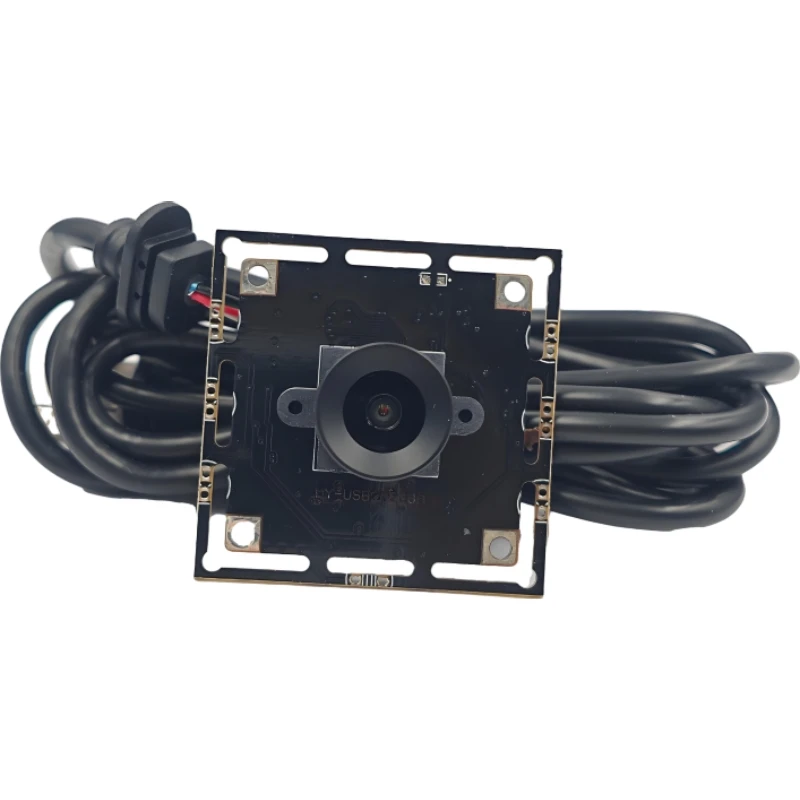
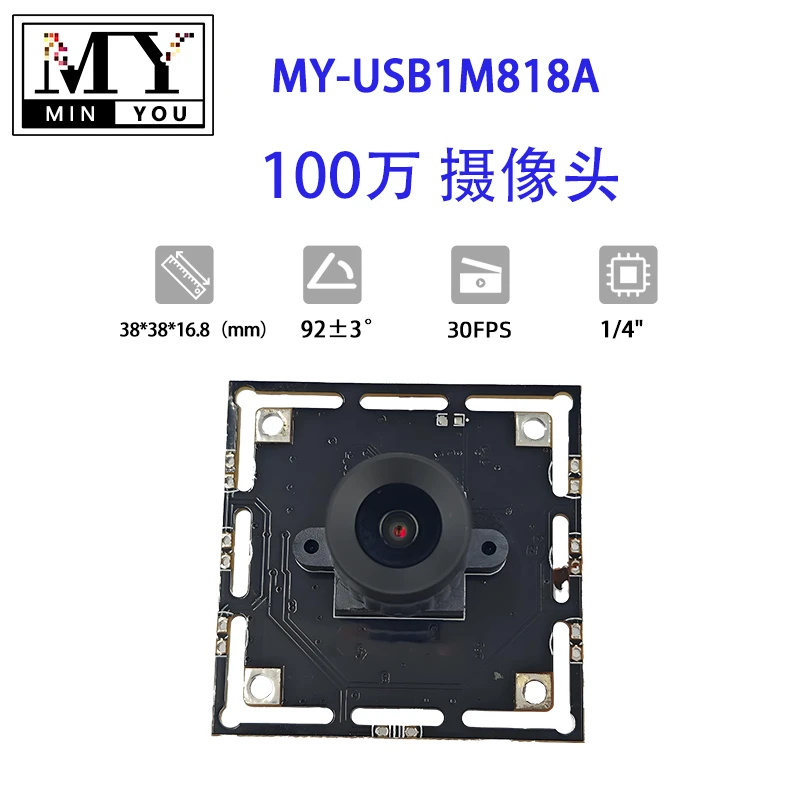
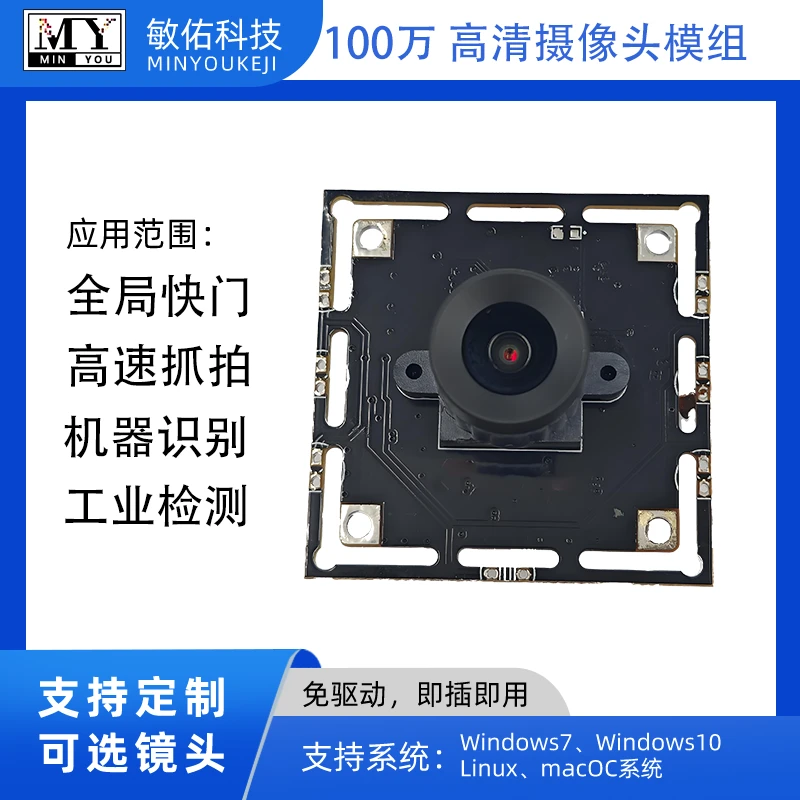
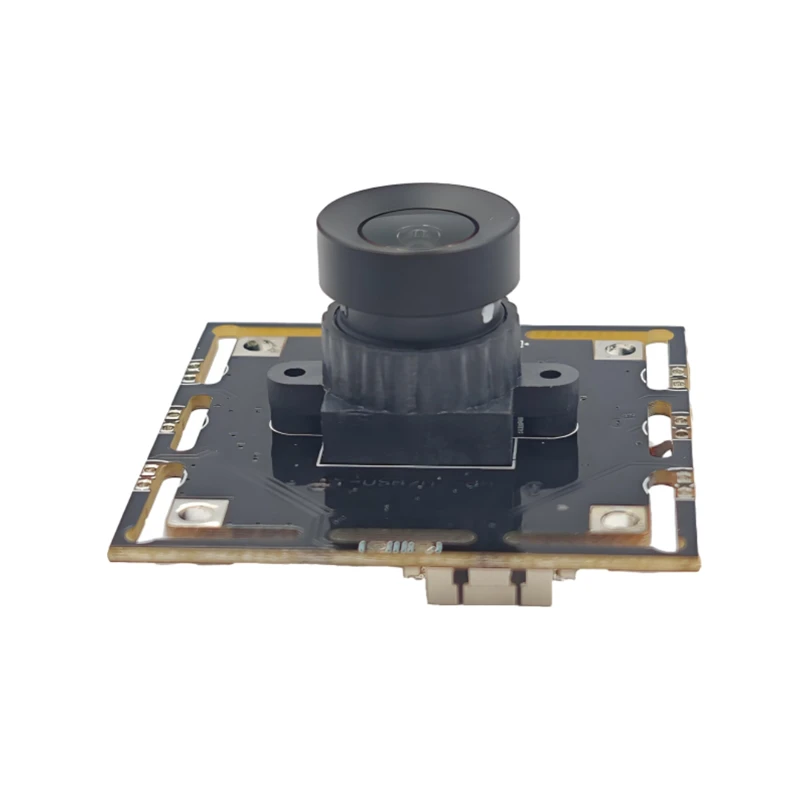
MY-USB1M818A Global Exposure 1MP HD USB Camera Module
Industry Trends in USB Camera Modules with Global Exposure
The industrial imaging landscape is rapidly evolving, driven by an escalating demand for high-precision, real-time visual data in sophisticated B2B applications. Key trends shaping this sector include component miniaturization, enhanced edge computing capabilities for data processing, and an unwavering need for robust performance in challenging environmental conditions. Global exposure technology, a fundamental requirement for capturing fast-moving objects without motion blur, is now a standard feature in high-performance modules. This technological advancement ensures image integrity in dynamic settings, providing invaluable data for advanced analytics and automation.
Furthermore, the widespread adoption of USB interfaces simplifies connectivity and deployment, rendering advanced imaging solutions more accessible across diverse industrial sectors. This plug-and-play functionality significantly reduces implementation time and associated costs, while comprehensive drivers and Software Development Kits (SDKs) facilitate seamless integration into existing operational systems. The persistent demand for compact, efficient, and highly reliable vision systems continues its upward trajectory, particularly in critical sectors such as robotics, industrial automation, medical diagnostics, and security, where precise visual feedback is an absolute necessity.
Innovations in sensor technology are also continuously pushing the boundaries of what's possible, with advancements in signal-to-noise ratio (SNR), dynamic range, and pixel efficiency leading to superior image quality even under suboptimal lighting conditions. These collective trends highlight the market's progression towards more sophisticated, yet inherently user-friendly, imaging components such as the MY-USB1M818A Global Exposure Usb Camera Module With 1mp Hd Video, which are crucial for developing the next generation of automated and intelligent industrial systems.
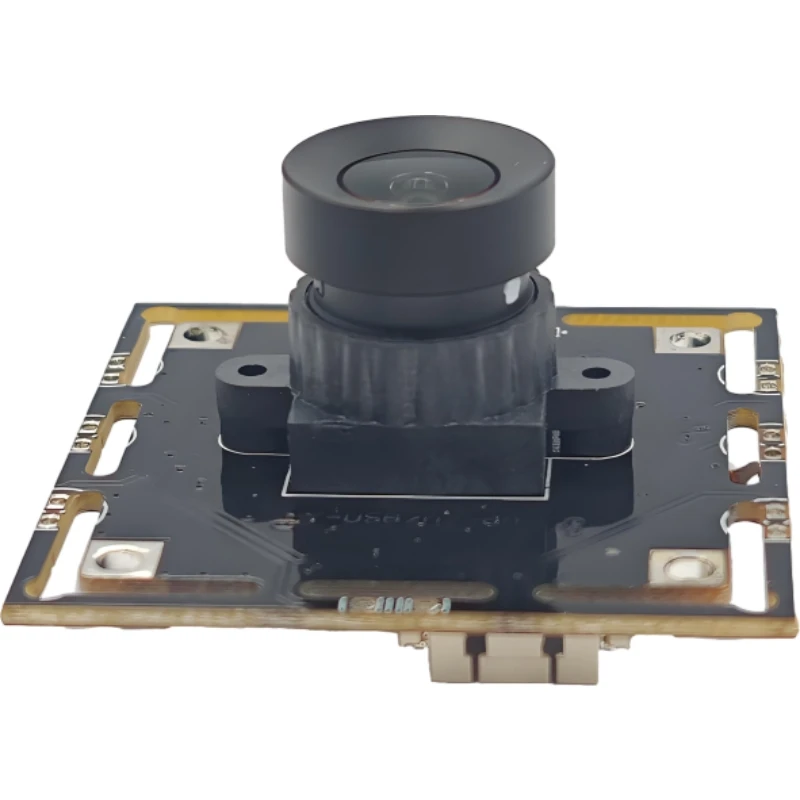
Technical Specifications and Parameters
The MY-USB1M818A Global Exposure Usb Camera Module With 1mp Hd Video is distinguished by its meticulously engineered specifications, specifically designed for demanding industrial applications. Its global exposure shutter mechanism ensures that every pixel initiates and concludes its exposure simultaneously. This critical feature effectively eliminates distortion artifacts, which are frequently observed with rolling shutter sensors when capturing high-speed events, making it indispensable for applications like quality control on production lines or robotic guidance where precise spatial and temporal information is paramount.
| Parameter | Value/Description |
|---|---|
| Sensor Type | CMOS Global Shutter |
| Resolution | 1 Megapixel (1280 x 800) |
| Video Format | MJPEG, YUY2 |
| Frame Rate | 1280x800 @ 60fps (MJPEG), 1280x800 @ 5fps (YUY2) |
| Pixel Size | 3.0 µm x 3.0 µm |
| Optical Format | 1/4 inch |
| Sensitivity | 3.7 V/lux-sec |
| Dynamic Range | Up to 70 dB |
| Interface | USB 2.0 High Speed |
| Power Supply | DC 5V from USB |
| Operating Temperature | -20°C to 70°C |
| Dimensions | 32mm x 32mm (Customizable) |
| Lens Mount | M12 (Optional customizable lenses) |
The 1MP resolution (1280x800) is strategically optimized for applications that demand a precise balance between image detail and data bandwidth, ensuring efficient processing without compromising essential visual information. Its robust operating temperature range, spanning from -20°C to 70°C, underscores its exceptional suitability for deployment in harsh industrial settings. Furthermore, the widely compatible USB 2.0 interface facilitates universal connectivity and effortless integration, establishing this camera module as a highly versatile component for diverse embedded vision systems.
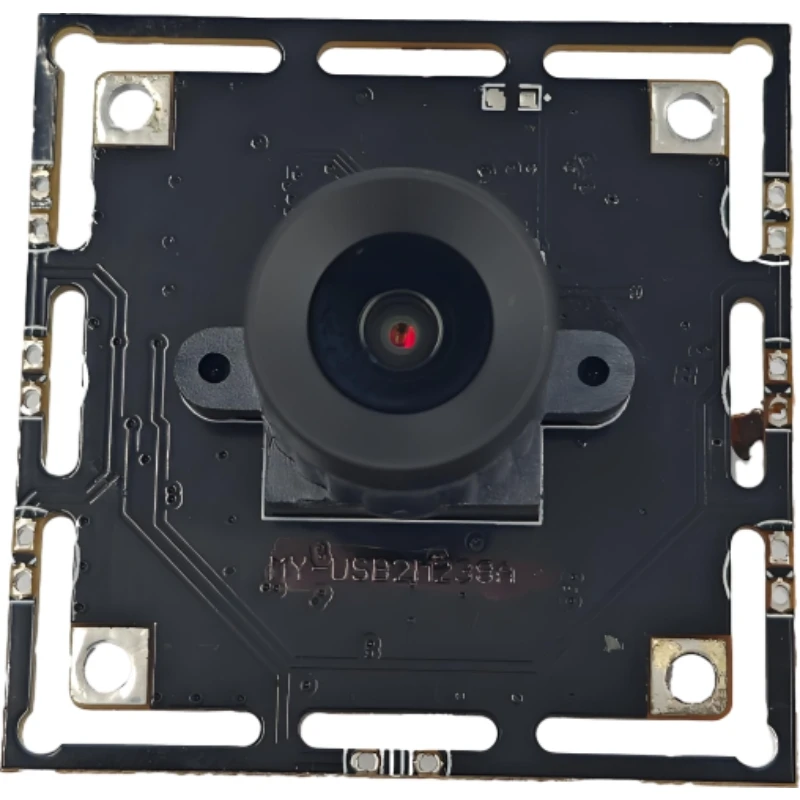
Manufacturing Process Flow
The production of the MY-USB1M818A Global Exposure Usb Camera Module With 1mp Hd Video adheres to a rigorous, multi-stage manufacturing process, meticulously designed to ensure superior quality, unwavering reliability, and consistent performance. This process integrates advanced automation with precise manual inspection protocols, strictly conforming to international quality management standards such as ISO 9001.
- Sensor Wafer Fabrication & Dicing: High-grade silicon wafers, sourced exclusively from reputable, certified manufacturers, undergo a sophisticated photolithography and etching process to precisely define and create individual global shutter CMOS sensor dies. These wafers are then subjected to precision dicing, separating them into discrete sensor chips.
- Die Bonding & Wire Bonding: Each individual sensor die is meticulously bonded onto a specialized Printed Circuit Board (PCB) utilizing advanced automated die-bonding equipment. Subsequently, fine gold wires are bonded to connect the sensor's electrical pads to the PCB's conductive traces, forming the foundational electronic circuit. Comprehensive optical inspection is performed to verify bond integrity and prevent defects.
- Component SMT Assembly: Other essential components, including the USB controller Integrated Circuit (IC), sophisticated power management circuits, and various passive components (resistors, capacitors), are then precisely mounted onto the PCB using high-accuracy Surface Mount Technology (SMT) lines. A controlled reflow soldering process ensures robust and reliable electrical interconnections.
- Lens Assembly & Focusing: The pre-selected optical lens assembly (e.g., M12 mount or a custom optical solution) is meticulously integrated with the sensor module. This critical stage involves precise optical alignment and fine focusing procedures, often performed with automated optical test benches, to achieve optimal image clarity, minimal distortion, and accurate depth of field.
- Module Integration & Housing: The fully assembled sensor and lens unit is carefully integrated into its final physical form factor. This configuration may include a robust protective housing or a bare board design, contingent upon specific customer requirements. This stage also incorporates the addition of necessary electrical connectors and defined mechanical mounting points.
- Firmware Flashing & Calibration: The embedded firmware, critical for the USB controller and the Image Signal Processor (ISP), is accurately flashed onto the module's memory. Following this, extensive calibration procedures are executed to finely adjust image parameters such as white balance, gamma correction, and color reproduction, ensuring consistent and high-fidelity image quality across all manufactured units.
-
Rigorous Testing & Quality Control: Each module undergoes an exhaustive series of functional and environmental tests. This comprehensive testing regimen includes:
- Image Quality Tests: Verification of resolution, optical distortion, color accuracy, signal-to-noise ratio, and critical global shutter performance against stringent internal and industry standards.
- Environmental Stress Tests: Modules are subjected to accelerated temperature cycling and controlled humidity tests to ensure long-term performance stability across the specified wide operating temperature range (-20°C to 70°C).
- Electrical & USB Interface Tests: Thorough examination of power consumption, data transfer rates, and strict adherence to USB compliance standards (e.g., ANSI standards for USB 2.0).
- Vibration & Shock Tests: Simulation of typical transport and operational mechanical stresses to confirm the structural and functional robustness of the module.
- Final Inspection & Packaging: A final, detailed visual inspection confirms superior cosmetic quality and correct product labeling. Modules are then carefully packaged following strict ESD (Electrostatic Discharge) sensitive handling protocols, ensuring they are protected and prepared for secure shipment.
The estimated service life of this camera module, under typical industrial operating conditions, is engineered to exceed 50,000 hours, which translates to over five years of continuous, reliable operation. This extensive service life significantly reduces the total cost of ownership for our discerning B2B clientele.
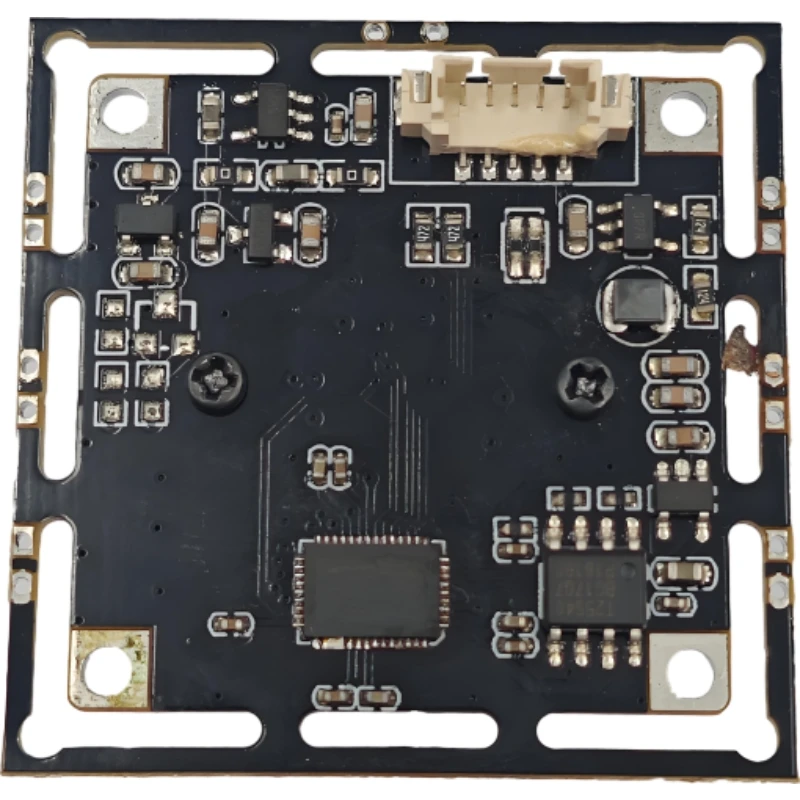
Application Scenarios and Target Industries
The inherent versatility and high-performance capabilities of the MY-USB1M818A Global Exposure Usb Camera Module With 1mp Hd Video position it as an ideal imaging solution for a vast array of industrial and commercial applications that demand precise and unfailingly reliable machine vision. Its global exposure capability provides a distinct and critical advantage in dynamic environments where rapid object movement is a common operational characteristic.
- Industrial Automation & Robotics: Deployed in advanced pick-and-place robotics, sophisticated automated inspection systems, and high-speed assembly lines for critical tasks such as defect detection, accurate object recognition, and ultra-precise component positioning. The absolute absence of motion blur ensures unparalleled real-time feedback accuracy.
- Medical Devices & Diagnostics: Seamlessly integrated into digital microscopes for advanced pathology, automated laboratory systems for precise sample analysis, and state-of-the-art surgical navigation systems, where crystal-clear, artifact-free images are paramount for diagnostic accuracy and procedural safety.
- Logistics & Supply Chain: Utilized for high-speed barcode reading, automated package sorting, and comprehensive inventory management, thereby ensuring high throughput efficiency and significant error reduction. Its capacity to capture sharp images of moving items is absolutely essential for these applications.
- Security & Surveillance: Employed in high-speed object tracking systems, advanced access control, and specialized surveillance networks where capturing unambiguous images of subjects in motion is vital for accurate identification and robust event logging.
- Automotive Manufacturing: Instrumental for stringent quality inspection of critical components, precise robotic guidance in complex assembly processes, and advanced paint defect detection, all contributing to significantly enhanced product quality and operational efficiency.
- Scientific & Research: Indispensable in laboratory setups for capturing transient phenomena, high-speed imaging applications, and precise experimental data acquisition where absolute temporal synchronization is a non-negotiable requirement.
In a representative application scenario within an automated quality control system for electronic components, this module significantly enhances both efficiency and accuracy. For instance, on a rapidly moving conveyor belt tasked with inspecting circuit boards, its global shutter allows for the acquisition of exceptionally sharp images of individual components, completely devoid of motion blur. This enables highly reliable solder joint inspection and component placement verification at speeds far exceeding the capabilities of rolling shutter alternatives. This capability directly translates into substantial energy savings through reduced re-work and material waste, while its robust industrial-grade design and selected components offer enhanced resilience, implicitly improving corrosion resistance to challenges like corrosive fumes in specific manufacturing processes, though direct contact with corrosive substances should always be avoided for optimal longevity.
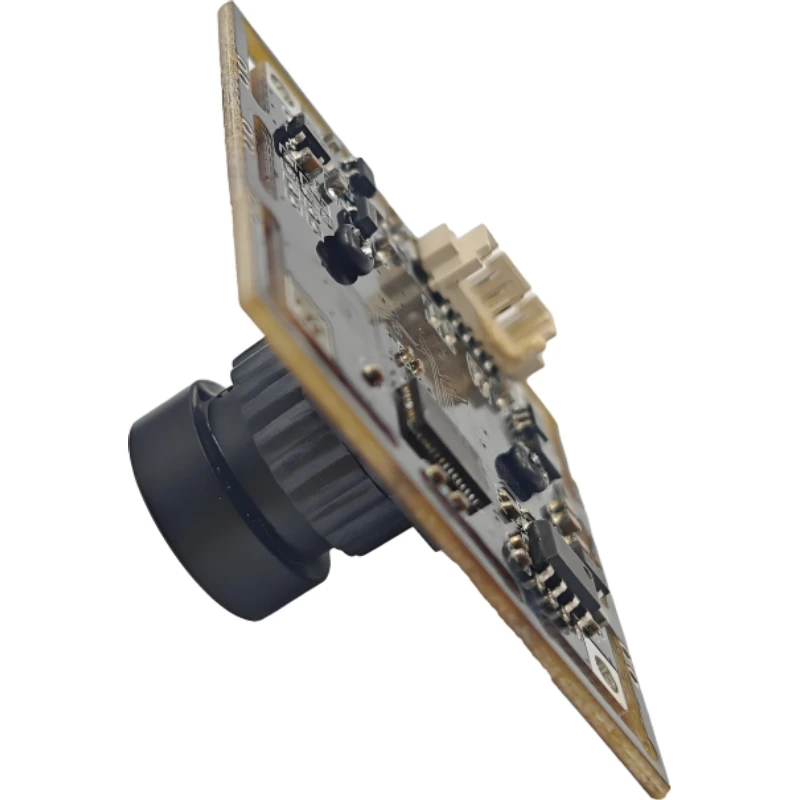
Technical Advantages and Competitive Edge
The compelling competitive advantages of the MY-USB1M818A Global Exposure Usb Camera Module With 1mp Hd Video are rooted in its superior technical design and uncompromising build quality. These attributes collectively position it as a premier choice for the most demanding B2B vision applications across various industries.
- Global Shutter Technology: Fundamentally eliminates motion artifacts and distortions, a feature that is absolutely crucial for highly accurate measurement, inspection, and analysis of fast-moving objects. This provides a distinct and undeniable advantage over conventional rolling shutter cameras in any application where object distortion is simply unacceptable.
- High Frame Rate at HD Resolution: Capable of delivering an impressive 60 frames per second at a crisp 1280x800 resolution (when utilizing MJPEG compression). This enables true real-time monitoring and rapid data acquisition, which is an essential requirement for high-throughput automation systems.
- Wide Operating Temperature Range: Certified for robust operation across an expansive temperature spectrum, from a chilling -20°C to a scorching 70°C. This ensures consistent and reliable performance in an exceptionally diverse array of, often harsh, industrial environments—ranging from refrigerated logistics centers to high-temperature manufacturing floors.
- Simplified USB 2.0 Interface: Offers universal compatibility, effortless integration, and convenient power delivery directly over the USB connection. This significantly reduces cabling complexity and overall system costs. The "plug-and-play" nature of this interface dramatically accelerates deployment times.
- Compact and Customizable Design: Featuring a standard 32mm x 32mm footprint and supporting versatile M12 lens mounts, the module is engineered for easy integration into space-constrained applications. It can also be readily customized to meet highly specific optical requirements.
- Low Power Consumption: Designed with an inherent focus on energy efficiency, the module minimizes heat generation, thereby extending its operational lifespan and simultaneously reducing the recurring energy costs for embedded systems.
- Robust Build Quality: Subjected to stringent quality control protocols and exhaustive environmental testing, guaranteeing long-term durability and consistently high performance in the most demanding industrial settings. This robust construction effectively reduces system downtime and ongoing maintenance efforts.
In direct comparison to standard rolling shutter cameras, the advanced global shutter mechanism of this module provides unparalleled accuracy for motion capture—a critical capability for precise measurements and sophisticated robotic guidance. Its optimized design for rigorous industrial environments ensures a lower total cost of ownership, attributable to an extended service life and minimal maintenance requirements. This potent combination of precision, durability, and ease of integration delivers a compelling competitive advantage for both system integrators and Original Equipment Manufacturers (OEMs).
Vendor Comparison: MY-USB1M818A vs. Alternatives
When evaluating industrial camera modules, a detailed comparative analysis is essential to fully understand the nuanced value proposition each offers. The table presented below provides a direct comparison of the MY-USB1M818A Global Exposure Usb Camera Module With 1mp Hd Video against typical alternative offerings within the 1-megapixel global shutter USB camera module market, underscoring its distinctive and advantageous features.
| Feature | MY-USB1M818A | Competitor A (Entry-Level) | Competitor B (Premium) |
|---|---|---|---|
| Sensor Type | CMOS Global Shutter | CMOS Global Shutter | CMOS Global Shutter |
| Resolution | 1280x800 (1MP) | 1280x720 (0.9MP) | 1280x1024 (1.3MP) |
| Max Frame Rate (MJPEG) | 60 fps | 30 fps | 75 fps |
| Interface | USB 2.0 | USB 2.0 | USB 3.0 |
| Operating Temp. | -20°C to 70°C | 0°C to 50°C | -30°C to 80°C |
| Pixel Size | 3.0 µm | 3.75 µm | 2.2 µm |
| Dynamic Range | ~70 dB | ~60 dB | ~75 dB |
| Cost Efficiency | Excellent | Good | High |
This comparative analysis elucidates that while Competitor A may present a lower initial price point, it often entails compromises in crucial aspects such as frame rate and environmental resilience. Competitor B, conversely, may offer slightly superior resolution and dynamic range, typically at a significantly elevated cost and with a USB 3.0 interface which may not be strictly necessary for all target applications or may necessitate costly system upgrades. The MY-USB1M818A strikes an optimal and compelling balance, delivering robust industrial-grade performance, high frame rates, and wide operating temperature capabilities at a highly competitive price point for its specific feature set. Its USB 2.0 interface, while not the fastest available, offers extensive compatibility and is perfectly sufficient for 1MP resolution at 60fps in MJPEG, positioning it as an exceptionally cost-effective choice for numerous embedded systems without sacrificing the critical global shutter functionality.
Customized Solutions and Partner Clients
Recognizing that standardized, off-the-shelf solutions may not always comprehensively address the unique and intricate requirements of specialized industrial applications, we are proud to offer extensive customization options for the MY-USB1M818A Global Exposure Usb Camera Module With 1mp Hd Video. Our dedicated team of expert engineers collaborates in close partnership with clients to meticulously tailor modules for their specific applications, thereby ensuring seamless integration and optimal, peak performance in every deployment. Our robust customization capabilities encompass:
- Lens Optimization: This involves the precise selection and integration of specific M12 or CS/C-mount lenses to achieve the desired field of view, focal length, or aperture characteristics. This also includes specialized lenses engineered for exceptionally low-light conditions or other optically challenging environments.
- PCB Form Factor Design: We offer comprehensive modification of the module's physical dimensions or strategic rearrangement of connector placements to facilitate integration into highly constrained spatial envelopes or to precisely match existing mounting points within a system.
- Firmware Modifications: This includes the customization of the embedded firmware to support highly specific image processing pipelines, advanced exposure control algorithms, or seamless integration with proprietary host software environments.
- Filter Integration: We provide options for the direct addition of various optical filters, such as IR-cut filters, specialized bandpass filters, or other bespoke spectral filters, directly onto the sensor or within the lens assembly for highly specialized spectral sensitivity requirements.
- Housing & Environmental Protection: Our capabilities extend to the development of custom-designed enclosures to provide enhanced resistance against dust, water ingress, or mechanical shock (e.g., IP-rated solutions) for deployment in particularly extreme and challenging operating environments.
With over 15 years of dedicated service in the industrial imaging sector, we have cultivated strategic partnerships with numerous global leaders spanning automation, medical technology, and logistics. Our esteemed client portfolio includes enterprises within the Fortune 500, all of whom consistently rely on our deep expertise to deliver robust, reliable, and high-performance vision solutions. We take immense pride in fostering enduring relationships built upon mutual trust, unwavering quality, and proactive responsiveness. Our steadfast adherence to ISO 9001:2015 certification rigorously underpins our entire quality management system, thereby ensuring that every customized solution we deliver, including those based on this module, consistently meets the most stringent international standards. Furthermore, we maintain unwavering compliance with crucial environmental directives such as RoHS and REACH, unequivocally demonstrating our profound commitment to responsible and sustainable manufacturing practices.
Application Case Studies
Our advanced global exposure camera modules have been successfully deployed in a diverse array of demanding industrial environments. The following case studies offer tangible examples illustrating the significant impact and proven effectiveness of our solutions.
Case Study 1: High-Speed Electronic Component Inspection
Client: Leading Electronics Manufacturer
Challenge: The client required high-precision inspection of small surface-mount devices (SMDs) on rapidly moving Printed Circuit Boards (PCBs), with production rates exceeding 100 units per minute. Existing rolling shutter cameras produced unacceptable levels of motion blur, leading to frequent false rejects and critical missed defects, severely impacting manufacturing efficiency.
Solution: We successfully integrated custom units of the MY-USB1M818A Global Exposure Usb Camera Module With 1mp Hd Video, configured with specific lens setups, directly into the client's automated optical inspection (AOI) machines. The inherent global shutter functionality of the module ensured the capture of consistently crisp, distortion-free images of every component, even at the highest conveyor speeds.
Outcome: The client reported a substantial 40% reduction in false reject rates and a significant 25% improvement in overall defect detection accuracy. Production throughput experienced a notable increase of 15% due to reliable, real-time inspection capabilities. Furthermore, the system demonstrated exceptional stability over two years of continuous operation, far surpassing the performance of previous solutions and resulting in substantial operational cost savings.
Case Study 2: Robotic Arm Guidance in Automotive Assembly
Client: Major Automotive Tier 1 Supplier
Challenge: The client faced difficulties in precisely guiding robotic arms for intricate part placement and welding operations on fast-moving automotive chassis. Traditional camera systems introduced unacceptable levels of latency and image artifacts, which severely compromised robotic accuracy and operational speed.
Solution: We deployed a strategically configured network of our camera modules on robotic arm end-effectors and at various stationary inspection points throughout the assembly line. These modules consistently provided high-resolution, global shutter imagery to the robot's integrated vision system, enabling sub-millimeter precision in real-time robotic operations.
Outcome: Robotic assembly accuracy saw an impressive 30% improvement, leading directly to a significant reduction in material waste and an overall increase in production quality. The robust design of the modules ensured consistent, reliable performance despite the inherent temperature fluctuations and vibrations characteristic of the automotive assembly environment, contributing to an impressive Mean Time Between Failures (MTBF) exceeding 60,000 hours.
These compelling case studies exemplify how the advanced technical advantages of our global exposure modules directly translate into tangible and substantial operational benefits for our valued clients, unequivocally underscoring our unwavering commitment to delivering practical, high-impact vision solutions.
Frequently Asked Questions (FAQ)
Q: What is global exposure, and why is it important for industrial applications?
A: Global exposure, also known as global shutter, signifies that all pixels in the sensor array commence and conclude their exposure period simultaneously. This feature is critically important for industrial applications involving fast-moving objects because it entirely eliminates the "jello effect" or motion distortion (such as skew or wobble) that is commonly observed with rolling shutter sensors. For stringent quality control, precise robotic guidance, and highly accurate measurement tasks, global exposure ensures the capture of accurate, artifact-free images, which provides the reliable data essential for advanced automated systems.
Q: Is the camera module compatible with various operating systems?
A: Yes, the module supports standard UVC (USB Video Class) drivers, which provides out-of-the-box compatibility with widely used operating systems including Windows, Linux (kernel version 2.6.26 and above), and macOS. Furthermore, we provide comprehensive SDKs and dedicated development support to facilitate deeper and more specialized integration into industrial operating systems or custom software platforms.
Q: What kind of lenses can be used with this camera module?
A: The module typically features an M12 lens mount, which offers considerable flexibility to select from a broad spectrum of compact, high-quality industrial lenses. We also provide customization services to integrate specific lens types or fixed-focus lenses, tailored precisely to your application's unique field of view and working distance requirements.
Q: What is the typical lead time for orders, especially for customized solutions?
A: For standard configurations, the typical lead time for small to medium orders (ranging from 100 to 500 units) is generally 3-4 weeks, contingent upon current component availability. For larger volume orders or highly customized solutions, lead times are determined on a specific project-by-project basis, often ranging from 6-12 weeks for initial prototyping and subsequent mass production following design freezes. We maintain a robust and resilient supply chain management system to minimize potential delays and provide transparent, clear timelines upfront.
Q: What kind of warranty and after-sales support do you provide for your modules?
A: We offer a standard 2-year limited warranty on our modules, which comprehensively covers manufacturing defects and material failures occurring under normal operating conditions. Our extensive after-sales support includes access to detailed technical documentation, consistent driver updates, and direct access to our dedicated engineering support team for any troubleshooting or integration assistance. Extended warranty options and comprehensive service level agreements (SLAs) are readily available for our large-volume clients and for applications with critical operational demands. Our unwavering commitment to client satisfaction ensures the prompt and effective resolution of any issues that may arise.
Authoritative References
- ISO 9001:2015 Quality Management Systems - Requirements. International Organization for Standardization.
- ANSI/ESD S20.20-2021: Standard for the Development of an Electrostatic Discharge Control Program for the Protection of Electrical and Electronic Parts, Assemblies and Equipment (Excluding Electrically Initiated Explosive Devices). Electrostatic Discharge Association.
- USB 2.0 Specification, Revision 2.0. USB Implementers Forum.
- UVC (USB Video Class) 1.5 Specification. USB Implementers Forum.
- JEDEC Standard JESD47K: Stress-Test-Driven Qualification of Integrated Circuits. JEDEC Solid State Technology Association.
-
Guide to Raspberry Pi Camera Module v3 with Powered Autofocus
NewsApr.16,2026
-
Guide to Using the raspberry pi camera module v1 3 for IoT Projects
NewsApr.09,2026
-
Exploring the Capabilities of the Raspberry Pi Camera Module 3 Noir for Diverse Applications
NewsApr.07,2026
-
Unlocking Visual Potential with the Raspberry Pi Camera Module 3 for Advanced Projects
NewsApr.04,2026
-
Raspberry Pi Noir Camera Module V2 8MP 1080p30 A Comprehensive Guide for Projects
NewsMar.31,2026
-
Comprehensive Guide to the Raspberry Pi 3 B+ Camera Module and Its Applications
NewsMar.28,2026
-
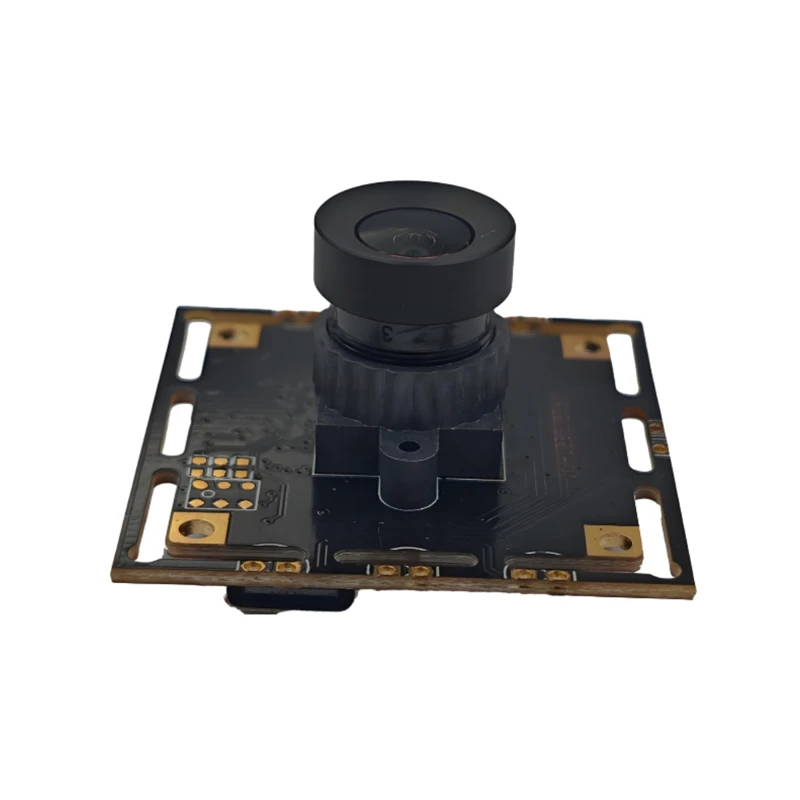
MY-USB1M818A Global Exposure Usb Camera Module With 1mp Hd Video
-
-
-
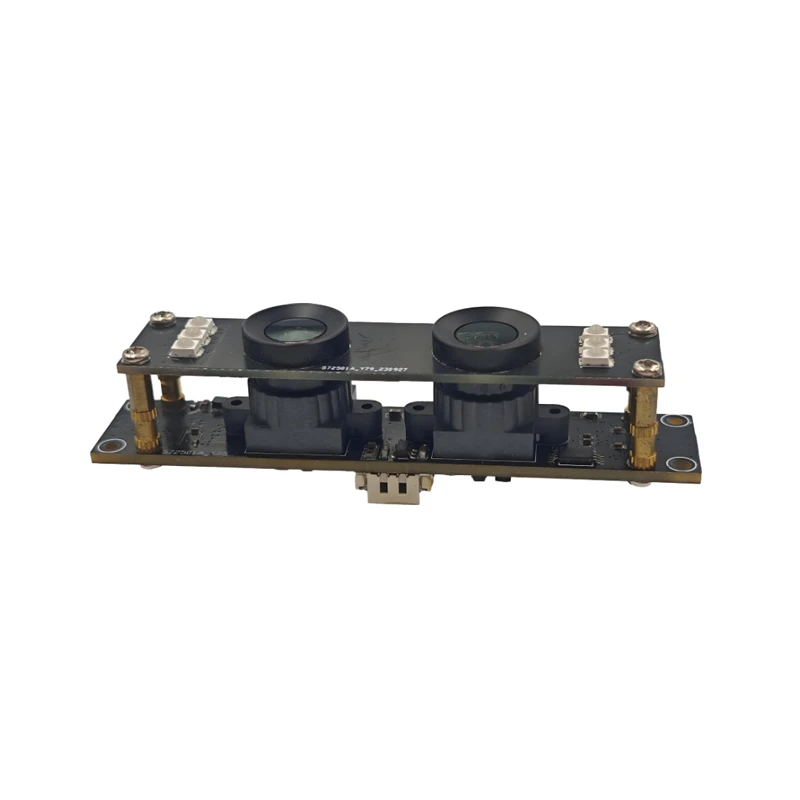
MY-DC52M-A1 Dual Lens Wide Dynamic Range Usb2.0 Camera Module With HD Video 5mp+2mp
-
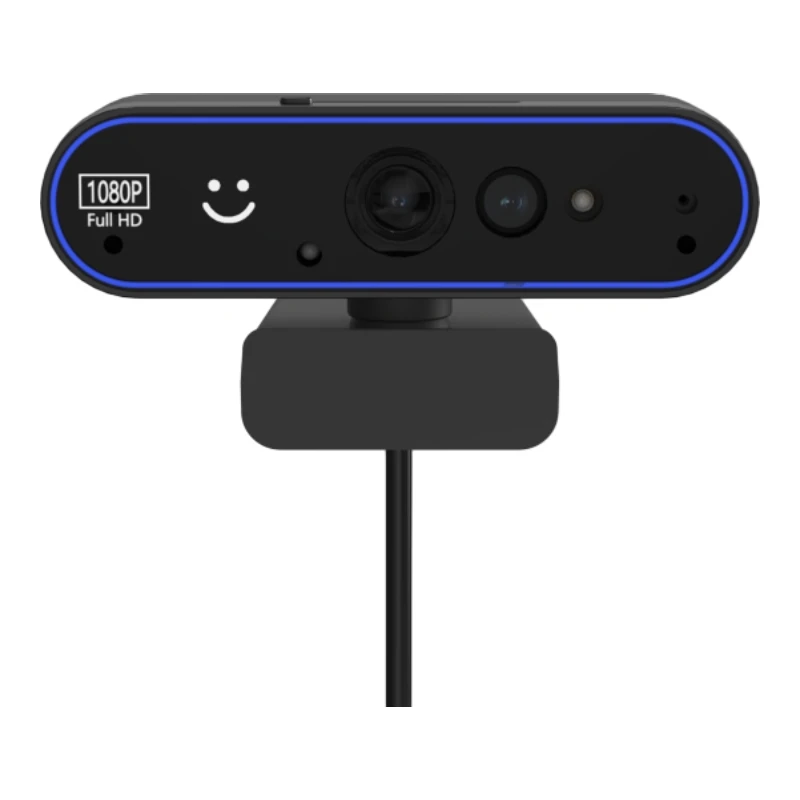
MY-WHC700 Windows Hello Face Recognition Binocular USB Camera
-

MY-DC-260-A1 Dual Lens Usb2.0 Web Camera With High-definition Video 2mp+2mp
-
MY-1001-A2 AI Tracking, Gesture Recognition, Sitting Posture Detection Smart Camera Module
-
MY-USB8M158A 4K Resolution HD Video Driver-Free USB Camera Module With Microphone
