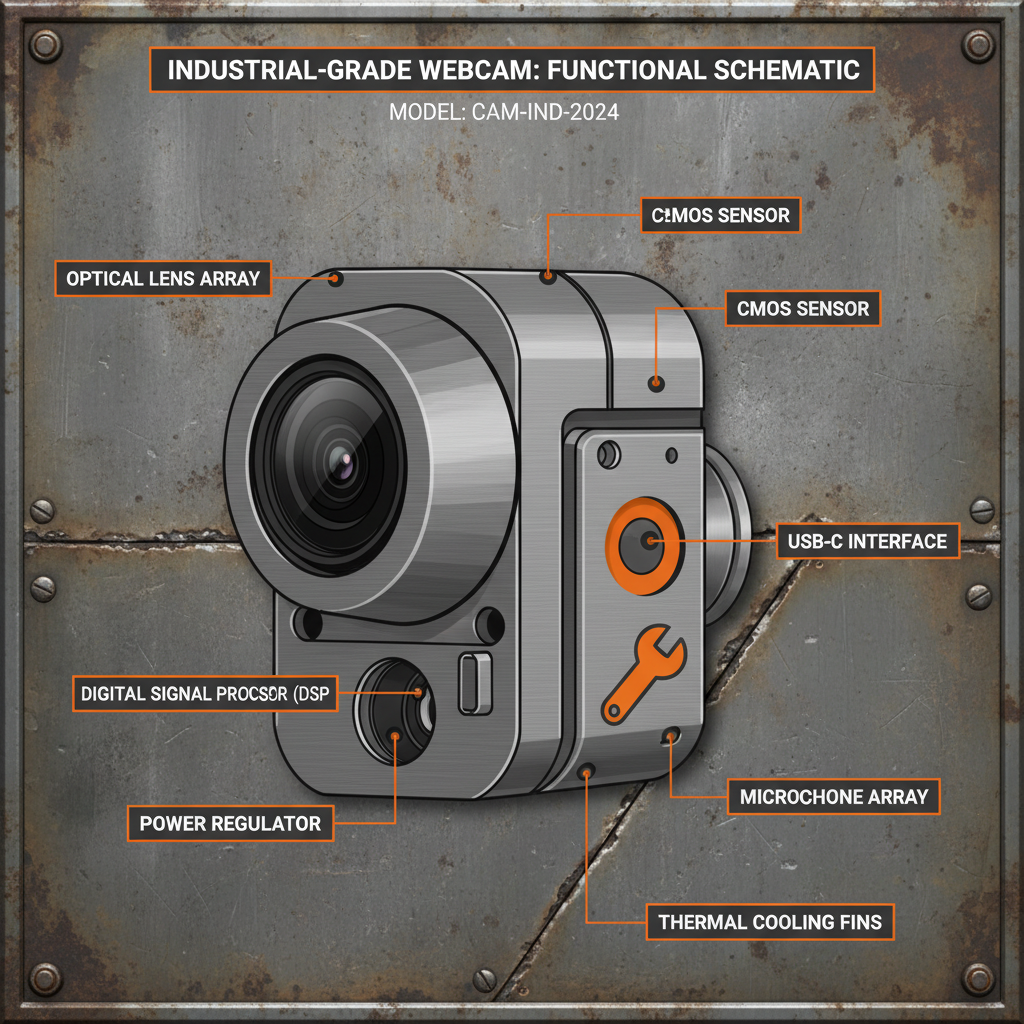
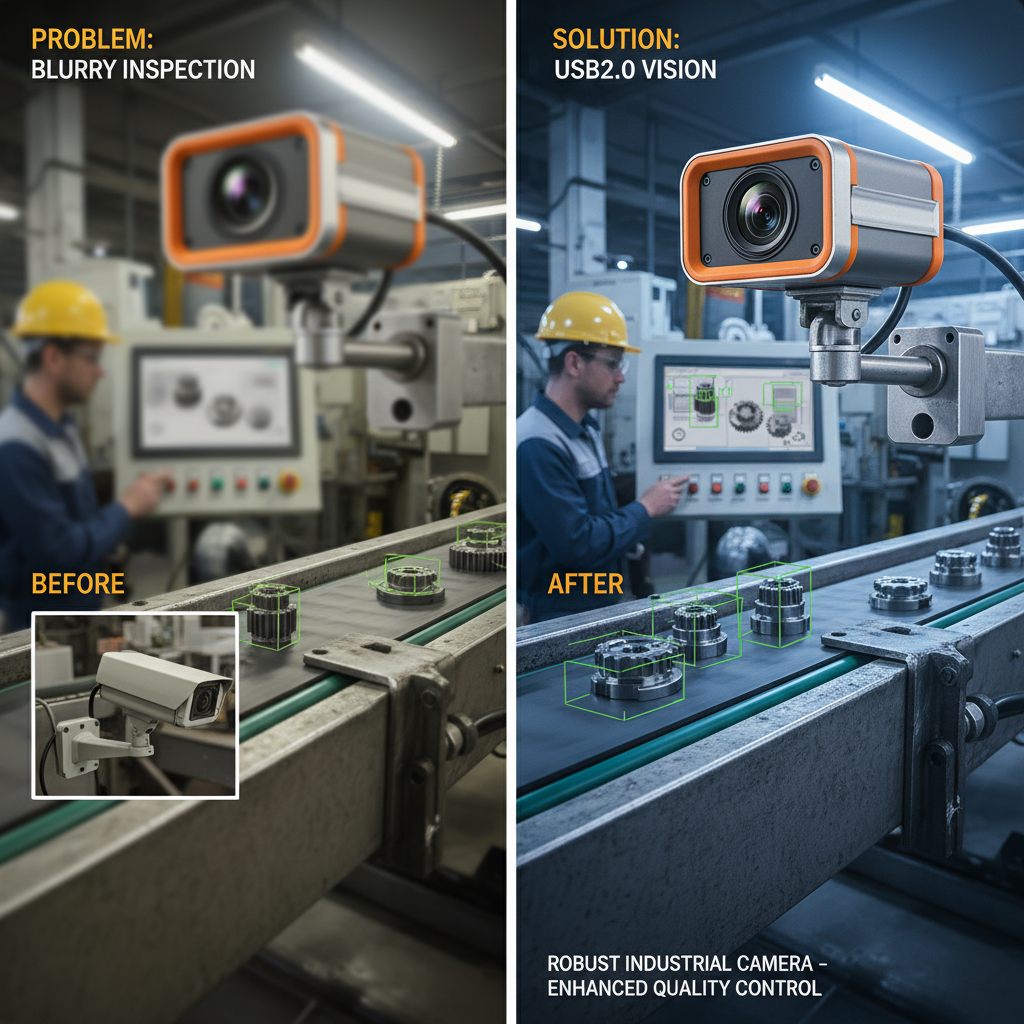
To be honest, the whole china camera module scene’s been shifting lately. Everyone’s chasing higher resolution, smaller sizes… it’s a race, really. But you spend enough time on construction sites, in the dust and heat, and you realize a lot of that fancy stuff doesn’t matter if it can’t survive a dropped wrench. I’ve seen prototypes with incredible specs just… shatter. And that’s before you even think about mass production.
The big trend now, and it’s finally catching on, is ruggedization. Folks are finally realizing that “water resistant” isn’t the same as “can survive a monsoon”. It's about practical durability, not just lab results. I encountered this at a factory in Dongguan last time, they were bragging about their IP68 rating, but the seals were just… flimsy. Completely useless if you actually tried to submerge it. Anyway, I think focusing on real-world reliability is what separates the good modules from the ones that end up in the scrap heap.
The Evolving Landscape of china camera module
Have you noticed how everyone's going for these tiny, tiny modules? It’s crazy. They want to fit them into everything – drones, industrial robots, even those little inspection cameras for pipes. The demand is definitely there, but shrinking things down isn’t always the answer. Strangely, sometimes a slightly larger, more robust design ends up being more reliable in the long run. It's about finding that sweet spot.
The biggest shift I'm seeing is the move towards integrated solutions. Clients don’t just want a module; they want a module with the lens, with the cable, with everything pre-assembled and tested. It saves them time, reduces errors, and honestly, it reduces the headaches for everyone involved. It's a bigger up-front investment, sure, but it pays off.
Design Pitfalls and Common Mistakes
A lot of designers, they get caught up in the specs and forget about the assembly process. It's a classic mistake. They design something beautiful on paper, but it's a nightmare to actually put together on the production line. I’ve seen connectors that are impossible to reach with a standard screwdriver, housings that crack under the slightest pressure… you name it.
Another big one is thermal management. These modules generate heat, especially the high-resolution ones. If you don't design for proper heat dissipation, you're asking for trouble. I once saw a module overheat and literally melt the surrounding plastic.
And don’t even get me started on cable routing. It seems simple, but if you don’t plan it out properly, you’ll end up with a tangled mess that’s prone to failure. The key is to think about the whole system, not just the module itself.
Materials: The Feel, the Smell, and the Real Deal
The materials… that's a whole other story. You learn to tell the good stuff from the cheap stuff just by the smell and the feel. The ABS plastic, if it's good quality, has a certain density to it. The cheaper stuff feels… flimsy, almost brittle. I encountered a shipment last year where they'd substituted the aluminum alloy with a lower grade, and the heat sinks were practically useless.
The glass for the lens, that's critical. You want something that's scratch-resistant and transmits light effectively. And the epoxy resin they use for sealing – that has to be high-quality, too. If it cracks, you’re letting in moisture, dust… everything.
I’m a big fan of using silicone rubber for gaskets and seals. It's durable, flexible, and doesn't degrade over time like some of the other materials. But it's also more expensive, so a lot of manufacturers try to cut corners. You can always tell.
Testing: Beyond the Lab Coat
Lab tests are okay, I guess, but they don't tell you the whole story. You need to test these things in the real world. Drop tests, vibration tests, temperature cycling… you need to simulate the conditions they’ll actually be used in. I once saw a module pass all the lab tests with flying colors, but it failed miserably when we mounted it on a drone and flew it around.
We've started doing a lot more on-site testing. We'll take a prototype to a construction site, a factory, a farm… wherever it's going to be used, and just let the workers use it. That's where you find the real problems. It's not about what can break, it’s about what will break.
china camera module Performance Metrics
Real-World Usage: It's Not Always What You Expect
People use these modules in ways you’d never imagine. We had one client who was using them to monitor the growth of mushrooms in a dark, humid cave. Another was using them to inspect the inside of oil pipelines. You have to design for the unexpected.
Often, the biggest problem isn't the module itself, but how people treat it. They'll mount it backwards, they'll cover the lens with dirt, they’ll expose it to extreme temperatures... it’s amazing.
Advantages and the Honest Truth About Disadvantages
The biggest advantage, of course, is cost. china camera module can get you a lot of functionality for a relatively low price. But you get what you pay for. The cheaper modules often have lower image quality, less durability, and shorter lifespans.
Another advantage is flexibility. You can customize them to meet your specific needs. But that customization comes at a cost. The more you change, the more expensive it becomes.
Honestly, the biggest disadvantage is the sheer number of suppliers. It's a crowded market, and it can be hard to find a reliable partner. I’ve been burned a few times, let me tell you.
Customization and a Shenzhen Story
We do a lot of customization. Clients will come to us and say, “I need a module with a specific lens, a specific sensor, and a specific connector.” And we can usually make it happen.
Last month, this small boss in Shenzhen who makes smart home devices insisted on changing the interface to . He said it was “more modern.” I told him it was a terrible idea – connectors are more delicate and more prone to failure. He wouldn't listen. Three weeks later, he was back, complaining that half of his modules were failing because of the connector. He ended up switching back to Micro-USB.
Anyway, I think customization is great, as long as it’s done for the right reasons. It's not about making something fancy; it's about making something that solves a specific problem.
Key Characteristics of china camera module Materials
| Material Type |
Durability Rating (1-10) |
Cost Factor (Low/Medium/High) |
On-Site Handling Notes |
| ABS Plastic |
6 |
Low |
Prone to scratching; avoid dropping. |
| Aluminum Alloy |
9 |
Medium |
Good heat dissipation; handle with gloves to avoid fingerprints. |
| Glass (Lens) |
7 |
Medium |
Fragile; protect from impacts and scratches. |
| Silicone Rubber |
8 |
High |
Excellent sealing; avoid contact with solvents. |
| Epoxy Resin |
5 |
Low |
Ensure proper curing; susceptible to cracking under stress. |
| Polycarbonate |
8 |
Medium |
High impact resistance, UV stable. |
FAQS
It really depends on the quality of the materials and the level of protection. A well-sealed, ruggedized module should last at least 5 years, but we've seen cheaper ones fail within a year. Factors like UV exposure, temperature swings, and humidity all play a role. Basically, if it's exposed to the elements, you want to invest in something that's built to handle it. A lot of clients underestimate how harsh the outdoors can be.
Most of the time, yes. We usually offer a range of interfaces – CSI, USB, MIPI – to make integration easier. However, compatibility can be an issue, especially with older systems. It’s important to check the specifications and make sure everything is compatible before you start. We always recommend doing a small-scale test before deploying a large number of modules.
Moisture ingress is a big one. If water gets inside, it can corrode the electronics and cause the module to fail. Overheating is another common issue, especially in high-resolution modules. Poor connections and faulty cables can also cause problems. And, surprisingly often, it's just physical damage – someone drops it or bumps into it.
We can customize pretty much everything – the lens, the sensor, the connector, the housing, the software. The extent of the customization depends on the volume and your budget. Small changes are relatively easy and inexpensive, but major modifications can be costly and time-consuming. We always try to find a balance between customization and cost-effectiveness.
We have a pretty rigorous quality control process. We start with incoming inspection of all materials, then we do in-process testing throughout the assembly process, and finally, we do a final inspection before shipment. We also use a lot of automated testing equipment to ensure consistency. Honestly, a lot of it comes down to experience – knowing what to look for and catching problems before they become major issues.
That's a tough one. They contain a lot of materials that aren't particularly eco-friendly, like plastics and metals. However, we're working with our suppliers to use more sustainable materials and to improve our recycling processes. We’re also focusing on designing modules that are more durable and have a longer lifespan, which reduces the need for replacements. It's an ongoing effort.
Conclusion
So, ultimately, china camera module are more than just specs on a datasheet. They’re about finding the right balance between cost, performance, and durability. It's about understanding how they’ll actually be used in the real world and designing them to withstand the rigors of that environment.
And remember, whether this thing works or not, the worker will know the moment he tightens the screw. They’ll know if it feels solid, if it’s easy to install, if it’s going to last. That's the real test. If you’re looking for reliable china camera module, get in touch. Visit our website: www.szmyccm.com.