engaged in camera related products' R&D, design and production



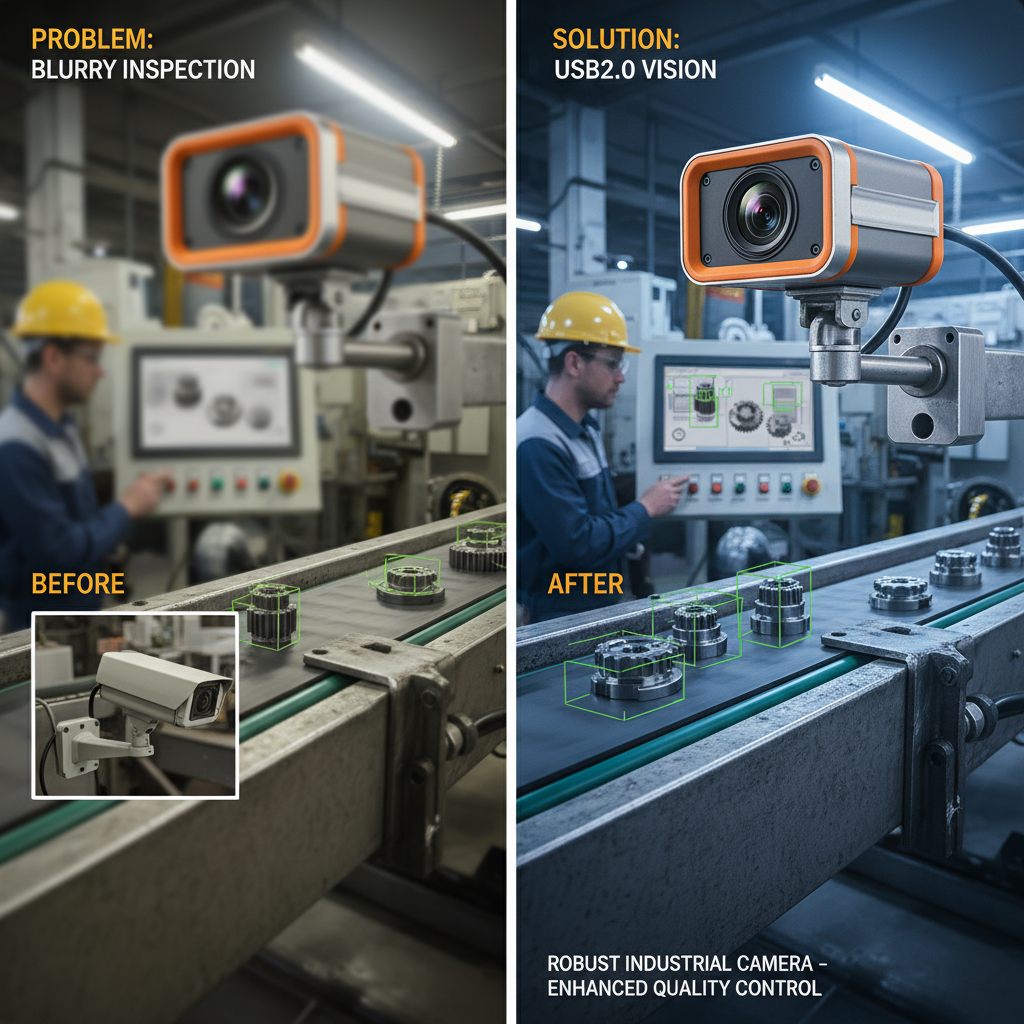
To be honest, the camera module industry… it’s been wild lately. Everyone's chasing higher resolution, smaller sizes, and lower power consumption, right? It’s the usual song and dance. But what’s really been trending is the demand for modules that can handle harsh environments. You wouldn’t believe the places these things end up – agricultural drones, industrial inspection robots… Even underwater stuff! That's where things get tricky.
Have you noticed how everyone focuses on specs? Megapixels, frame rates… it’s all important, sure, but so many designs fall apart when you actually try to build them. For example, everyone loves a super-thin module, but try getting decent heat dissipation in that form factor. It's a nightmare. I encountered this at a factory in Dongguan last time, they had to completely redesign the heatsink three times. Three times!
And the materials… don’t even get me started. It's not just about finding something that works on a datasheet. It's about what it feels like to work with. The glass for the lens, for instance – you want something that’s clear, obviously, but also doesn’t shatter the moment you look at it wrong. And the PCB substrate… gotta be robust enough to withstand vibration and temperature swings. The FR4 we've been using from Shengyi is decent, smells a bit like burnt toast when you solder, but it holds up. The cheaper stuff? Forget about it. Total garbage.
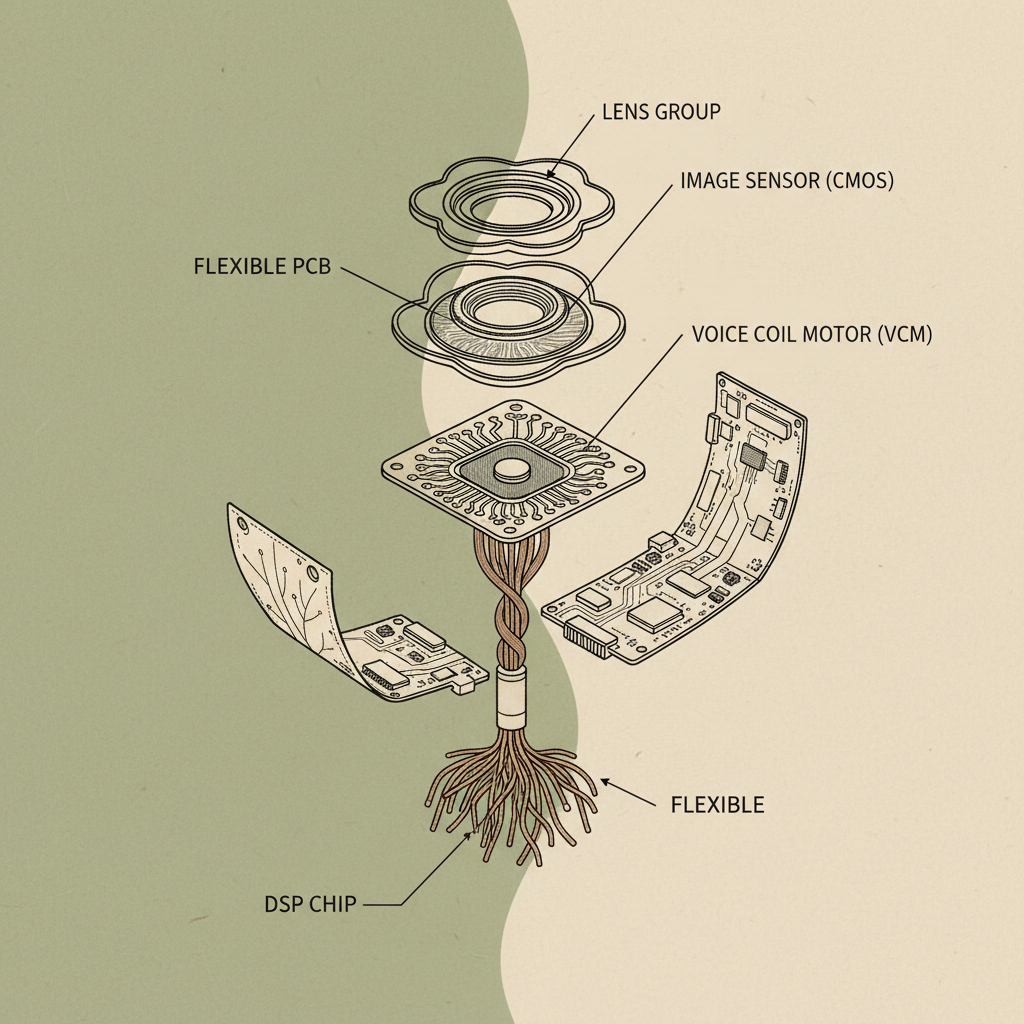
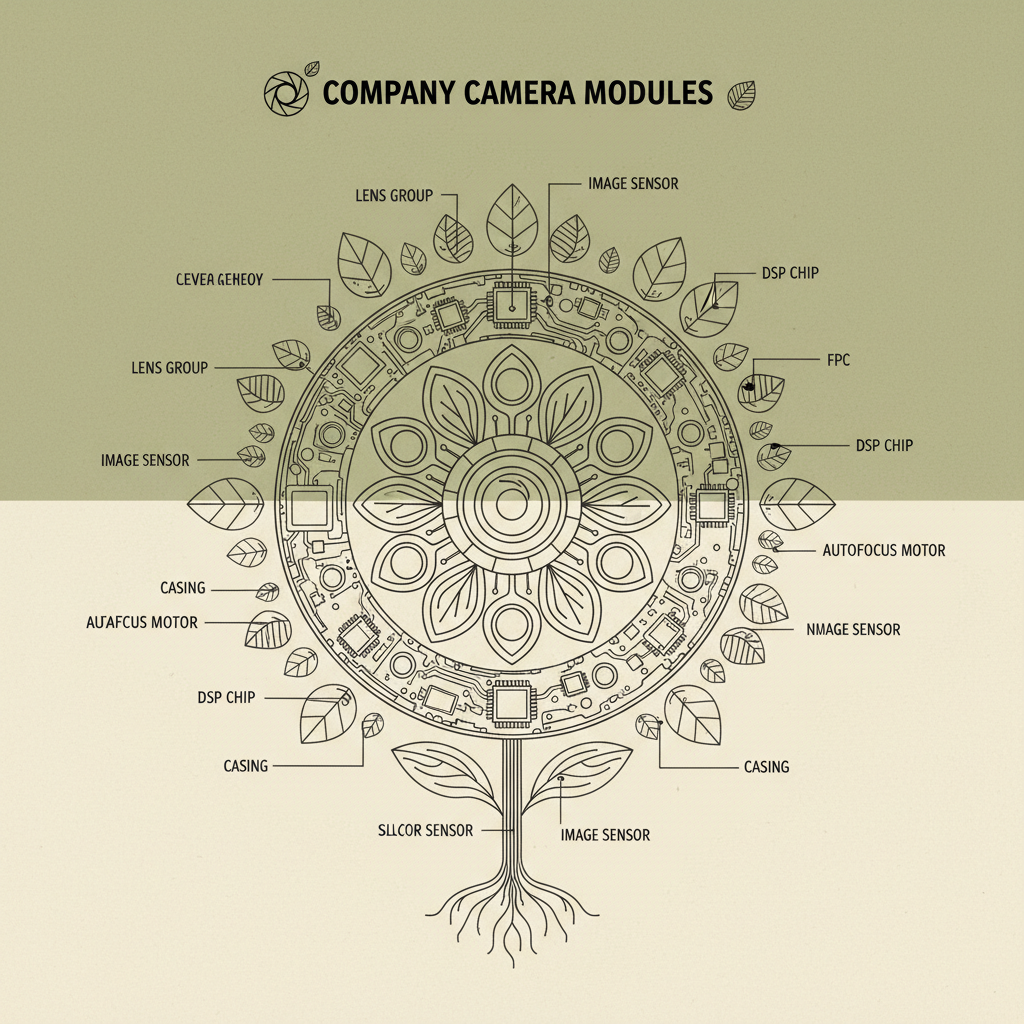
It’s not just about making them smaller; it's about making them smarter. Integrated image signal processors (ISPs) are becoming standard, and we're seeing more and more demand for modules with built-in AI capabilities. Edge computing, you know? Process the image at the camera, not send it back to the cloud. It saves bandwidth, reduces latency, and improves privacy. Strangely, a lot of customers don't fully grasp the power consumption implications of that.
And don't underestimate the demand for low-light performance. Everyone wants a crystal-clear image even in the darkest conditions. That means larger sensors, more sensitive pixels, and a lot of clever software algorithms. It's a tough balancing act, though. Bigger sensor means bigger module, and that conflicts with the whole miniaturization trend.
That really depends. Simple tweaks, like changing the connector, can be done in a couple of weeks. A full-blown redesign, with a new sensor and optics... that could take months. Honestly, it's always longer than you think. Supply chain issues are a killer these days. We try to be upfront about timelines, but things change. Always factor in some buffer time.
It varies depending on the module. For standard modules, we can usually do fairly small runs—like 100 pieces. But for customized modules, the minimum is typically higher – around 500 to 1000 units. It’s just not economically feasible to set up the production line for smaller quantities. Plus, there’s the whole tooling cost to consider.
We have a pretty rigorous quality control process. We test every module at multiple stages of production—incoming inspection of components, in-process testing, and final functional testing. We also do a sample audit before shipping each batch. But, honestly, the best quality control is a skilled assembly team. If the guys on the line are paying attention, they’ll catch most of the problems before they even get to testing.
Most of our modules are designed to be compatible with a wide range of operating systems—Windows, Linux, Android, macOS. We provide drivers and SDKs to help you integrate the modules into your applications. But it’s always a good idea to test compatibility early in the development process. Sometimes, there are unexpected issues with specific drivers or libraries.
We offer a range of technical support services, including email support, phone support, and on-site support. We also have a library of documentation, including datasheets, application notes, and sample code. Strangely, the simplest problems are always the hardest to diagnose remotely. That’s why we sometimes have to send someone out to the customer's site.
It depends on the module. Some of our modules are specifically designed for outdoor use, with ruggedized housings and waterproof connectors. Others are more sensitive to environmental factors. We can also offer custom enclosures to protect the modules from the elements. It's all about choosing the right module for the application.
So, there you have it. The camera module industry is a complex beast, full of trade-offs and hidden pitfalls. It's not just about the specs on the datasheet; it's about the materials, the manufacturing process, the testing, and the real-world application. It’s about understanding what actually works and what doesn’t.
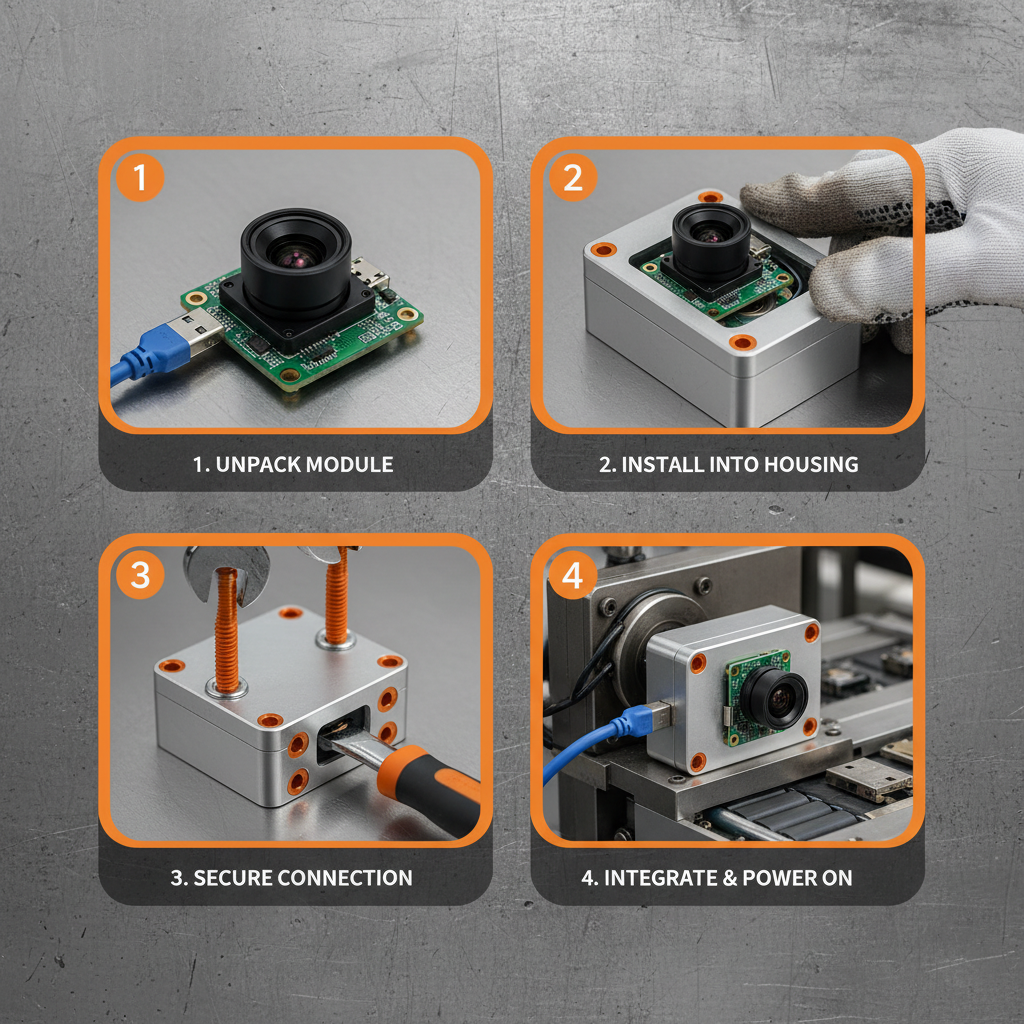
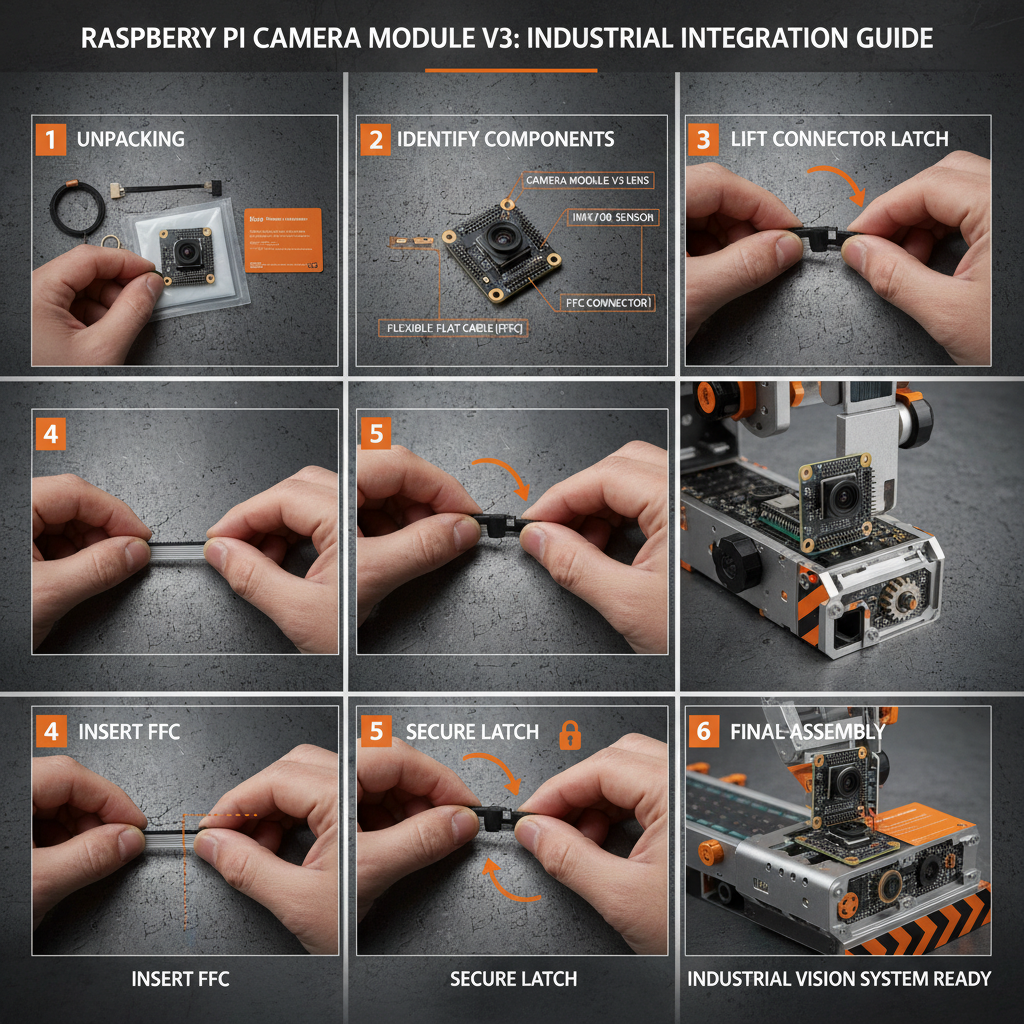
Ultimately, whether this thing works or not, the worker will know the moment he tightens the screw. You can have the fanciest designs and the most advanced sensors, but if the module is a pain to assemble, or it keeps failing in the field, it's all for nothing. So, focus on robustness, reliability, and manufacturability. And don't be afraid to get your hands dirty.