The landscape of modern visual computing is fundamentally driven by the innovation of usb camera module manufacturers, who bridge the gap between raw optical sensors and usable digital data. As industries shift toward automation and remote monitoring, the demand for versatile, plug-and-play imaging solutions has skyrocketed, making the selection of a reliable manufacturing partner a critical strategic decision for hardware engineers and product designers.
Understanding the technical nuances provided by leading usb camera module manufacturers allows businesses to optimize their hardware for specific environments, whether it be the high-precision requirements of medical imaging or the rugged durability needed for industrial robotics. By integrating specialized modules—ranging from 0.3MP basic sensors to advanced 4K 8MP resolutions—companies can achieve a perfect balance between power consumption, data throughput, and image clarity.
Globally, the role of these manufacturers has evolved from simple component supply to comprehensive solution architecture. Today, the focus is not just on the lens and sensor, but on the seamless integration of AI capabilities, Windows-Hello compatibility, and Global Exposure technology, ensuring that the end-product meets the rigorous E-E-A-T standards of modern industrial reliability and performance.
The Global Impact of USB Camera Module Manufacturers
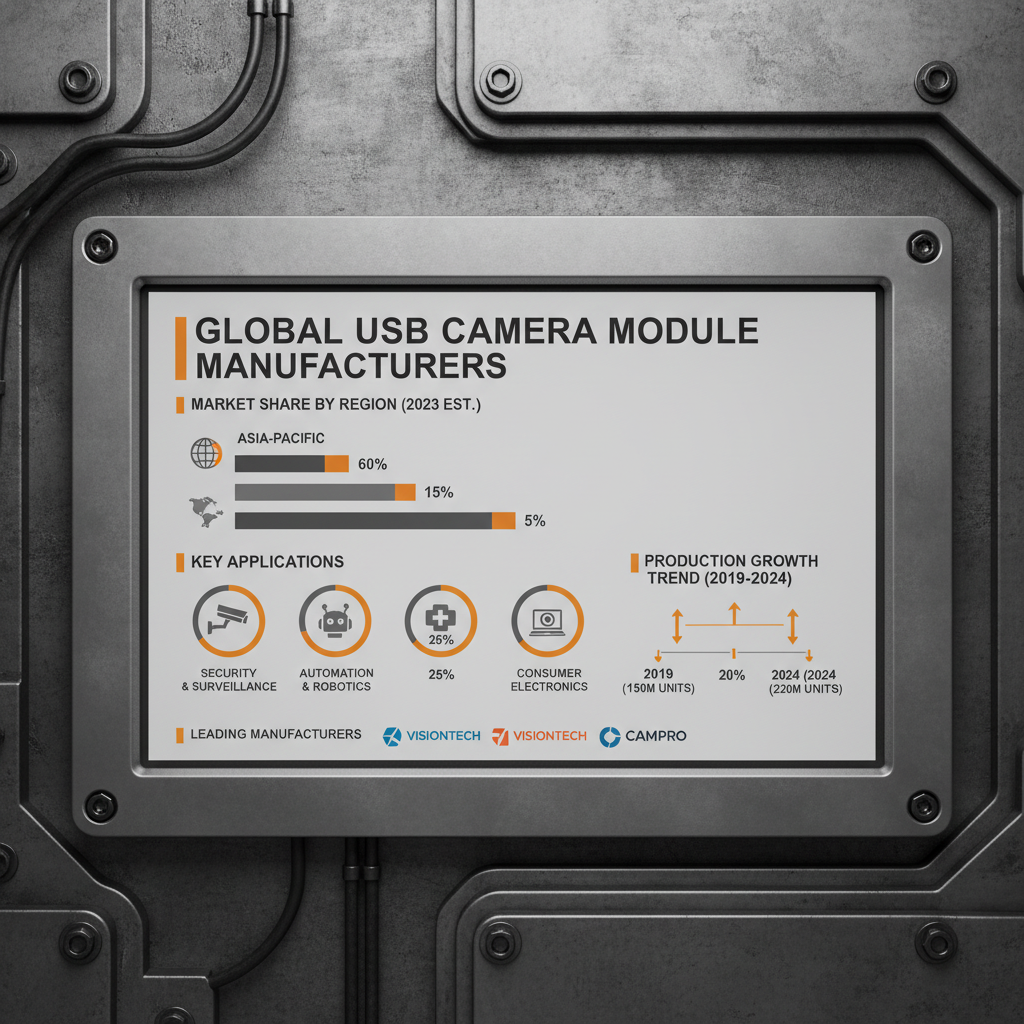
The global electronics supply chain relies heavily on the precision of usb camera module manufacturers to fuel the growth of the IoT (Internet of Things) ecosystem. With the proliferation of smart cities and remote healthcare, these manufacturers provide the "eyes" for millions of devices, adhering to international standards such as ISO to ensure interchangeability and quality across borders.
Current market data indicates a surge in the adoption of AI-integrated modules, where the manufacturer's ability to implement edge computing directly onto the PCB determines the device's efficiency. This shift has moved the industry away from generic components toward highly specialized, application-specific integrated circuits (ASICs) that reduce latency and bandwidth overhead.
Defining the Role of Modern Camera Module Production
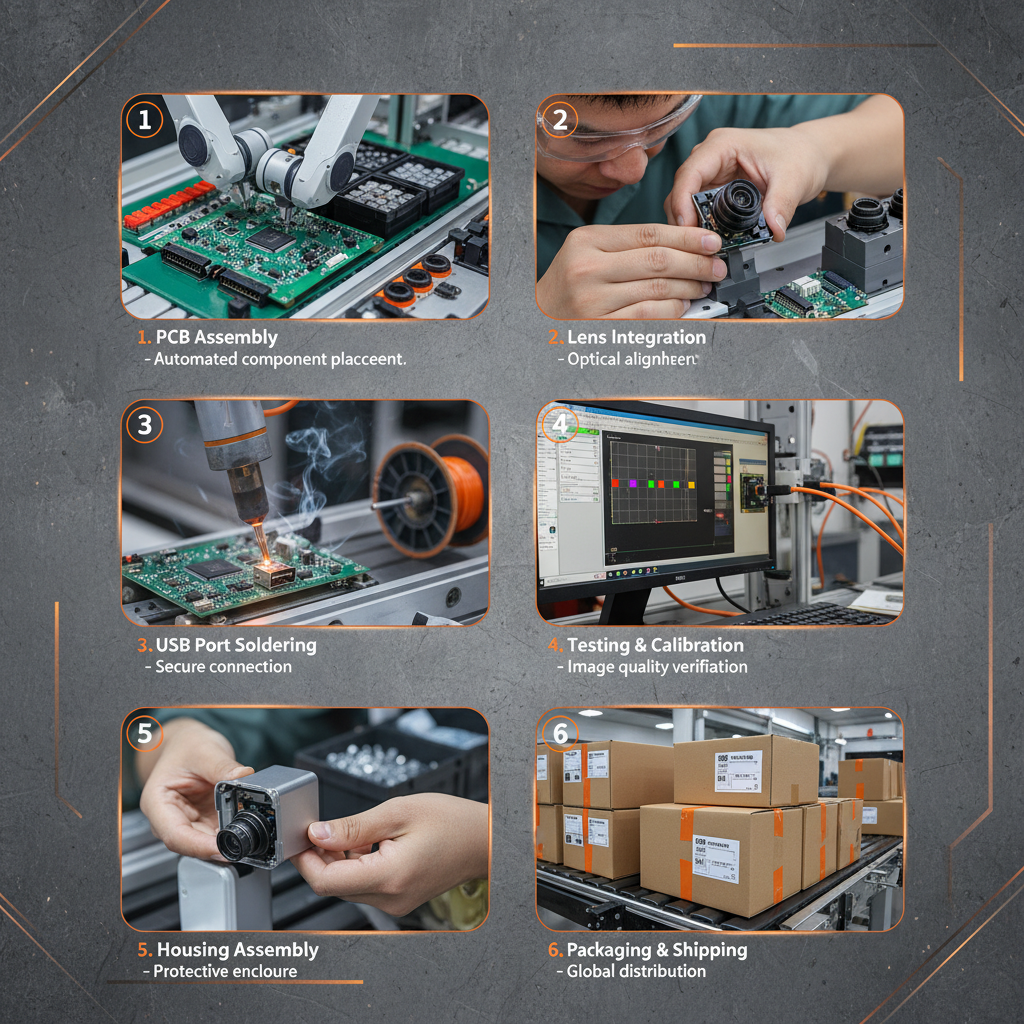
At its core, the work of usb camera module manufacturers involves the complex orchestration of optical engineering, semiconductor integration, and firmware development. They don't merely assemble parts; they synchronize the CMOS sensor, the lens assembly, and the USB controller to ensure that light is converted into data with minimal noise and maximum fidelity.
This production process is vital for humanitarian and industrial needs alike. For instance, in telemedicine, a high-resolution 2K AF Camera Module can be the difference between an accurate remote diagnosis and a missed symptom, highlighting how manufacturing precision translates directly into real-world societal benefits.
Furthermore, the distinction between a standard supplier and a professional manufacturer lies in the ability to customize FPC (Flexible Printed Circuit) lengths and lens apertures, allowing the module to fit into incredibly tight chassis designs without compromising the signal integrity of the USB 2.0 or 3.0 interface.
Core Technical Factors in Module Selection
When evaluating usb camera module manufacturers, the first critical factor is Optical Fidelity. This encompasses the sensor's ability to handle dynamic range and color accuracy, which is essential for products like the 4K Camera Module used in high-end security or professional streaming equipment.
Another pivotal element is Interface Scalability. Leading usb camera module manufacturers offer a spectrum of connectivity, from USB 2.0 for low-bandwidth 0.3MP sensors to USB 3.0 for data-heavy 4K 8MP streams, ensuring that the hardware does not become a bottleneck for the system's overall processing speed.
Finally, Environmental Durability cannot be overlooked. Whether it's the thermal management of a Global Exposure module in an industrial plant or the compact design of a Windows-Hello infrared camera, the manufacturer's choice of materials and potting compounds ensures longevity in harsh operating conditions.
Strategic Applications Across Global Industries
The versatility of components from usb camera module manufacturers allows them to penetrate diverse sectors. In the automotive industry, 1080P Dual Lens Camera Modules are employed for driver assistance systems (ADAS), providing stereoscopic vision to detect obstacles and prevent collisions in real-time.
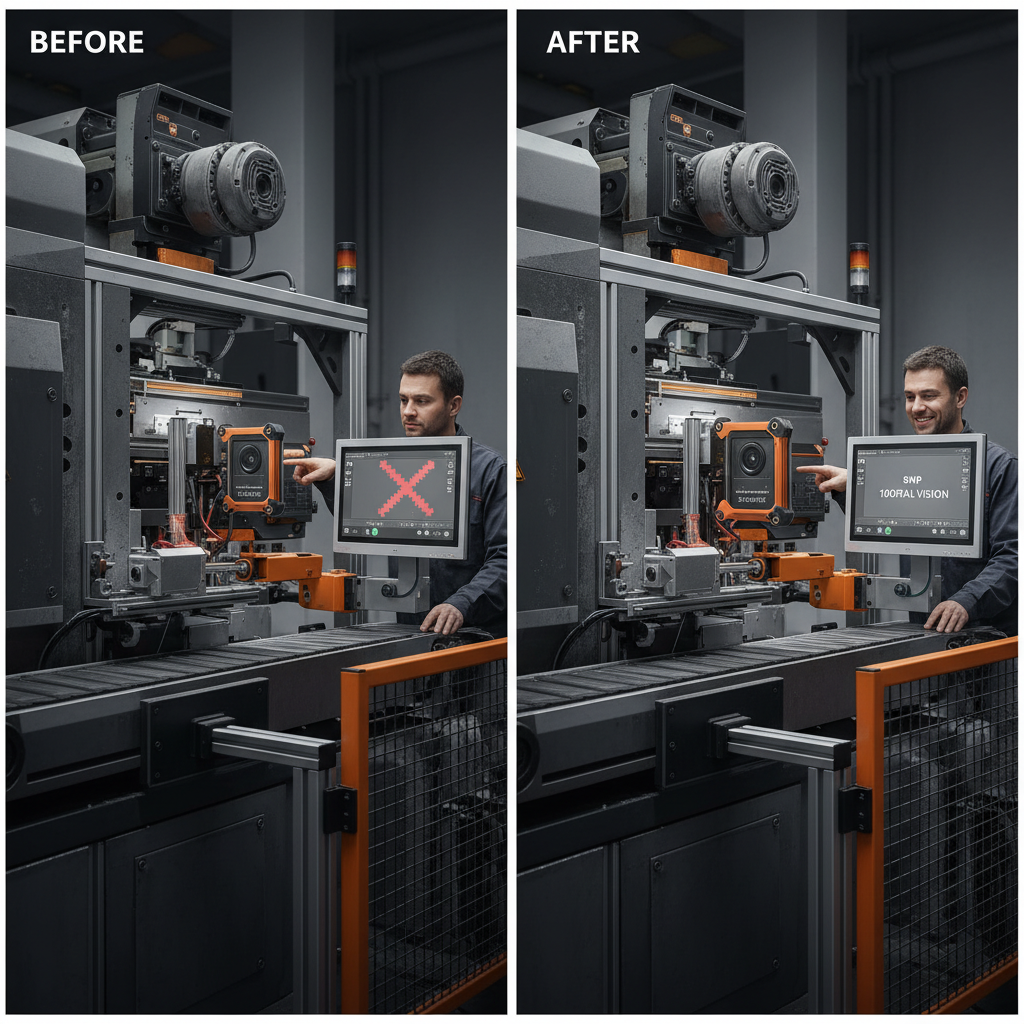
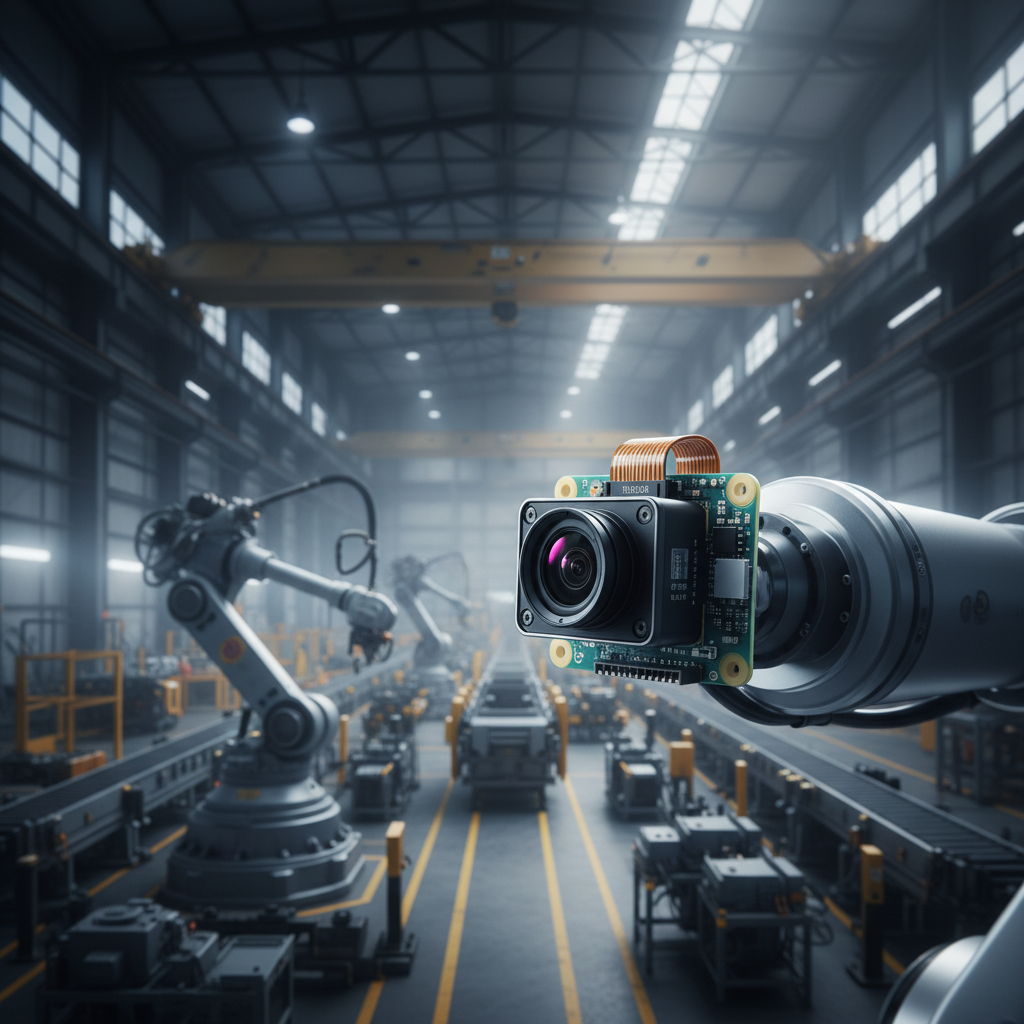
In remote industrial zones, Global Exposure USB Camera Modules are utilized for high-speed conveyor belt inspections, where motion blur must be eliminated to ensure quality control. Similarly, in the security sector, the deployment of AI Camera Modules allows for edge-based facial recognition, reducing the need for massive data uploads to central servers.
Performance Metrics of Diverse usb camera module manufacturers Solutions
Long-term Value of High-Quality Imaging Components
Investing in premium usb camera module manufacturers yields significant long-term dividends in the form of reduced maintenance costs and extended product lifecycles. When a module is engineered with high-grade optics and stable circuitry, the risk of "pixel death" or signal degradation over thousands of hours of operation is drastically minimized.
Beyond the technical specs, there is an emotional value in reliability. For a company providing medical devices or security systems, the trust of the end-user depends entirely on the consistency of the image. A flicker-free, sharp image provided by a professional manufacturer fosters a sense of safety and professionalism that generic components simply cannot replicate.
Future Innovations in USB Vision Technology
The trajectory of usb camera module manufacturers is currently leaning toward "intelligent vision." We are seeing a transition from passive image capture to active scene understanding, where 5MP + 2MP Dual Lens combinations allow for depth perception and augmented reality (AR) integration directly within the hardware layer.
Sustainability is also becoming a core pillar. Manufacturers are now focusing on low-power CMOS sensors that reduce the energy footprint of large-scale deployments, aligning with global green energy goals. The shift toward lead-free soldering and recyclable polymer housings reflects a commitment to eco-friendly digital transformation.
Moreover, the integration of ToF (Time-of-Flight) sensors alongside standard USB modules is expected to revolutionize how devices interact with 3D space, enabling more intuitive Windows-Hello biometric security and precise robotic navigation.
Overcoming Integration Challenges in Imaging
One of the most common hurdles when working with usb camera module manufacturers is the "driver gap"—where the hardware is capable, but the software implementation is clunky. Expert manufacturers solve this by providing UVC (USB Video Class) compliant modules that ensure plug-and-play functionality across Windows, Linux, and Android without requiring proprietary drivers.
Another challenge is light interference and noise in low-light environments. To combat this, innovative manufacturers are implementing advanced ISP (Image Signal Processor) tuning and oversized sensors (such as the 2K AF Camera Module) to capture more photons, ensuring clarity even in dimly lit industrial warehouses.
Lastly, thermal throttling in compact enclosures can degrade image quality. The solution lies in the strategic use of heat-dissipating substrates and optimized firmware that manages the frame rate dynamically based on the module's temperature, ensuring a stable stream without overheating.
Technical Comparison of usb camera module manufacturers' Product Specifications
| Module Category |
Typical Resolution |
Primary Use Case |
Reliability Score (1-10) |
| Entry Level |
0.3MP / 720P |
Basic Monitoring |
8.5 |
| Standard HD |
1080P AF |
Webcam / Video Call |
9.0 |
| High Definition |
2K / 5MP |
Industrial Inspection |
9.2 |
| Ultra HD |
4K 8MP |
Medical Imaging |
9.5 |
| AI Specialized |
Variable |
Edge Computing |
8.8 |
| Security/Bio |
IR / RGB Dual |
Windows-Hello |
9.7 |
FAQS
The choice depends primarily on your required resolution and frame rate. USB 2.0 is sufficient for 0.3MP to 1080P modules at standard frame rates. However, if you are utilizing 4K 8MP modules or high-speed Global Exposure sensors, USB 3.0 is essential to provide the necessary bandwidth to prevent frame dropping and compression artifacts.
A Rolling Shutter captures the image line-by-line, which can cause "jello effect" or distortion in fast-moving objects. Global Exposure (Global Shutter) modules capture the entire frame simultaneously, making them the preferred choice for usb camera module manufacturers serving the industrial automation and high-speed robotics markets.
Yes, most professional manufacturers offer FPC (Flexible Printed Circuit) options. By adjusting the FPC length and the lens mounting flange, these modules can be integrated into diverse form factors, from slim laptops to ruggedized outdoor kiosks, provided the thermal environment is managed.
Most AI Camera Modules are designed as UVC compliant for the image stream, meaning they work with standard drivers. However, the "AI" features (like object detection) often require a specific SDK (Software Development Kit) provided by the manufacturer to access the metadata generated by the onboard processor.
Industrial-grade modules from reputable usb camera module manufacturers are typically rated for 30,000 to 50,000 hours of continuous operation. Lifespan is largely determined by the quality of the CMOS sensor and the thermal management of the PCB.
Windows-Hello certification means the module includes a specialized Infrared (IR) sensor and meets Microsoft's stringent requirements for biometric security, ensuring that the facial recognition is spoof-proof and operates reliably across different lighting conditions.
Conclusion
The strategic selection of usb camera module manufacturers is more than a procurement task; it is an engineering decision that defines the capability of the final product. From the entry-level 0.3MP sensors to the sophisticated 4K and AI-driven modules, the quality of the imaging chain directly impacts user trust, system reliability, and operational efficiency across global industries.
Looking forward, the synergy between high-resolution optics and edge AI will continue to redefine what is possible in machine vision. For businesses aiming to remain competitive, partnering with a manufacturer that emphasizes E-E-A-T principles—Expertise, Experience, Authoritativeness, and Trustworthiness—is the only way to ensure sustainable growth in the digital era. Visit our website for more professional solutions: www.szmyccm.com