The integration of a camera module for raspberry pi 3 has revolutionized the way hobbyists and professional engineers approach rapid prototyping in the field of computer vision. By bridging the gap between high-level software processing and physical optical sensing, these modules enable the creation of everything from simple security monitors to complex AI-driven autonomous systems. Understanding how to leverage this hardware is essential for anyone looking to implement edge computing solutions without the overhead of industrial-grade PLC systems.
Globally, the demand for accessible imaging hardware has spiked as the Internet of Things (IoT) expands into agriculture, healthcare, and urban infrastructure. The camera module for raspberry pi 3 serves as a critical gateway, allowing developers to experiment with image recognition and real-time data analysis at a fraction of the cost of traditional embedded vision systems. This democratization of technology ensures that innovation is not limited to well-funded laboratories but is available to makers worldwide.
However, selecting the right imaging hardware involves more than just plugging in a ribbon cable. From managing light sensitivity and focal length to ensuring compatibility with various OS kernels, the nuances of hardware selection can determine the success of a project. This guide explores the technical depth, application breadth, and future trajectory of the camera module for raspberry pi 3 to help you optimize your vision-based deployments.
Global Relevance of Camera Modules for Pi 3
The global shift toward Industry 4.0 has placed a premium on "eyes" for machines. The camera module for raspberry pi 3 has become a standard in the educational and prototyping sectors because it adheres to an open-ecosystem philosophy. By providing a low-barrier entry point for CSI (Camera Serial Interface) connectivity, it allows researchers in developing nations to build sophisticated monitoring systems for crop health or water quality without needing million-dollar budgets.
From a statistical perspective, the rise of the "Maker Movement" has seen an exponential increase in the deployment of these modules in smart-city pilots. Whether it is tracking traffic patterns in Southeast Asia or monitoring wildlife in the Amazon, the versatility of the camera module for raspberry pi 3 ensures that high-quality visual data can be captured and processed at the edge, reducing the reliance on expensive cloud bandwidth.
Defining the Pi 3 Camera Interface Architecture
At its core, a camera module for raspberry pi 3 is an integrated circuit board consisting of an image sensor, a lens assembly, and a controller that translates light into digital signals via the CSI port. Unlike USB cameras, which use a generic protocol that can introduce latency and CPU overhead, the CSI interface provides a direct pipeline to the Raspberry Pi's GPU, allowing for significantly faster frame rates and more efficient image processing.
This architectural advantage is what makes the camera module for raspberry pi 3 indispensable for time-critical applications. In the context of humanitarian aid, for instance, these modules are used in low-cost drones for rapid damage assessment after natural disasters. The ability to stream high-definition video with minimal lag allows operators to identify survivors or blocked roads in real-time, directly impacting the speed of emergency response.
Beyond the hardware, the synergy between the sensor and the Linux-based Raspberry Pi OS means that developers have access to powerful libraries like OpenCV and TensorFlow. This transforms a simple camera module for raspberry pi 3 from a passive recording device into an active perceptual organ capable of face detection, object tracking, and gesture recognition.
Core Components and Technical Factors
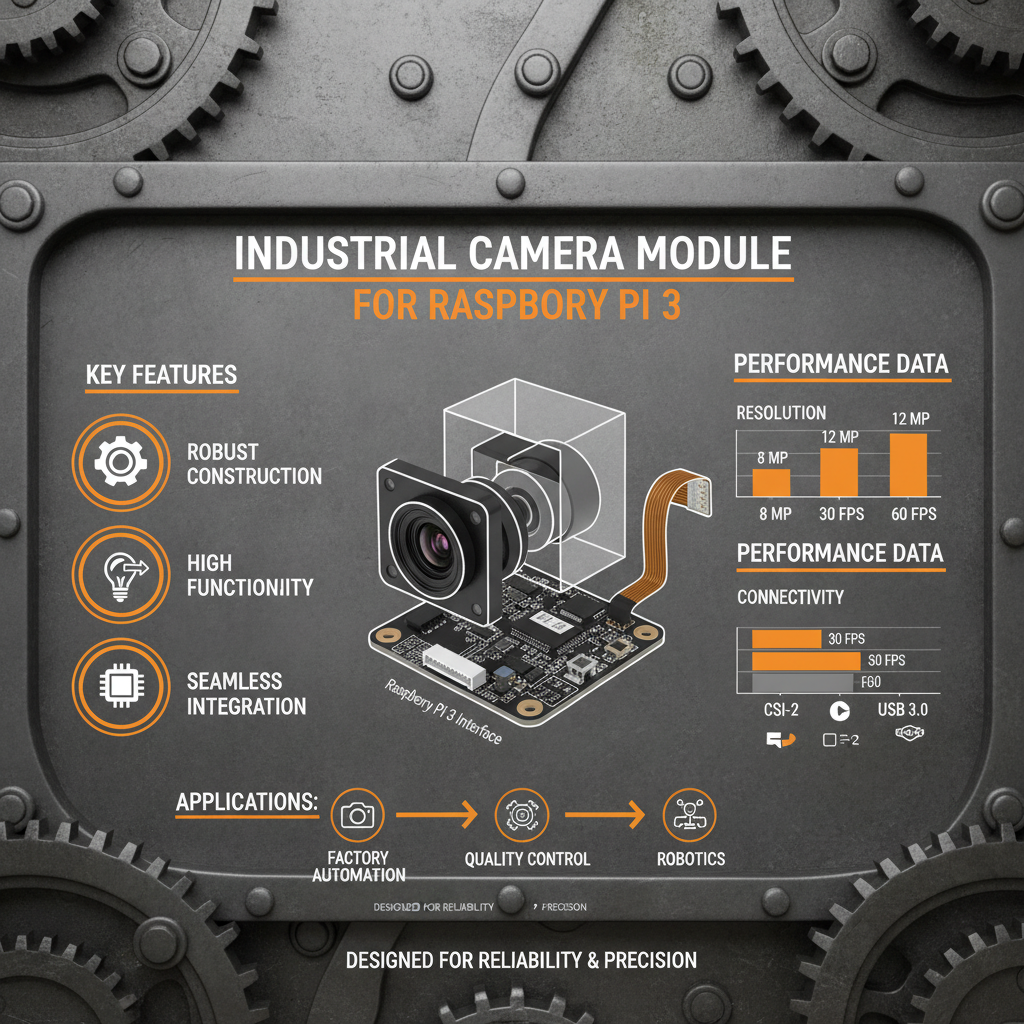
When evaluating a camera module for raspberry pi 3, the first critical factor is the Image Sensor Resolution. Whether you are using a 5MP standard module or a high-resolution 8MP 4K variant, the pixel density determines the level of detail available for analysis. For industrial inspection, high resolution is paramount; however, for simple motion detection, lower resolutions are often preferred to reduce the computational load on the Pi 3's processor.
Another pivotal aspect is Optical Versatility. A high-quality camera module for raspberry pi 3 often features interchangeable lenses or adjustable focal lengths. This flexibility allows the user to switch between a wide-angle view for security surveillance and a macro-focus for reading small barcodes or inspecting circuit board solder joints, making the module scalable across different project requirements.
Finally, Light Sensitivity and Dynamic Range cannot be overlooked. Many advanced versions of the camera module for raspberry pi 3 incorporate "NoIR" (No Infrared filter) capabilities. This allows the camera to see in the dark when paired with an IR illuminator, which is essential for nocturnal wildlife monitoring or high-security night-watch systems where visible light is unavailable.
Performance Comparison of Vision Modules
Comparing different iterations of the camera module for raspberry pi 3 reveals a clear trade-off between resolution, frame rate, and power consumption. For instance, while a 4K module provides stunning detail, it requires more memory and processing power, which can lead to thermal throttling on a Raspberry Pi 3 if not properly cooled.
Conversely, 1080p AF (Auto Focus) modules offer a middle ground, providing sufficient clarity for most commercial applications while maintaining a snappy response time. The following chart illustrates the performance ratings across various module types based on industry-standard benchmarks for stability, image quality, and ease of integration.
Comparative Performance Analysis of Camera Modules for Pi 3
Real-World Global Applications
In remote industrial zones, the camera module for raspberry pi 3 is frequently deployed for predictive maintenance. By installing these modules on vibration-heavy machinery, engineers can use edge-AI to detect microscopic cracks or leaks in pipes before they lead to catastrophic failures. This proactive approach saves millions in downtime and prevents environmental disasters in oil and gas sectors.
Furthermore, in the field of telemedicine, these modules are being used to create low-cost diagnostic tools for rural clinics in Africa and South Asia. By attaching a macro-lens to a camera module for raspberry pi 3, health workers can capture high-resolution images of skin lesions or eye pathologies and transmit them via satellite to specialists in urban centers, bringing life-saving expertise to underserved populations.
Long-Term Value and Innovation Impact
The long-term value of integrating a camera module for raspberry pi 3 lies in its ability to foster sustainable innovation. Because these components are energy-efficient and compatible with solar-powered battery banks, they are ideal for long-term ecological research. For example, biologists use them to create "camera traps" that trigger only when movement is detected, minimizing power draw and reducing the human footprint in protected wilderness areas.
Logically, the cost-to-performance ratio of the camera module for raspberry pi 3 allows startups to iterate their products rapidly. Instead of investing in expensive proprietary imaging hardware during the MVP (Minimum Viable Product) stage, companies can prove their concept using Pi-based vision systems and then scale to custom PCB designs once the logic is validated.
Emotionally, this technology empowers the "citizen scientist." It gives individuals the tools to contribute to global datasets—such as bird migration patterns or urban air quality monitoring—creating a sense of collective ownership over planetary health. The trust built through open-source hardware ensures that the data collected is transparent and verifiable.
Future Trends in Embedded Imaging
Looking ahead, the evolution of the camera module for raspberry pi 3 is moving toward deeper AI integration at the hardware level. We are seeing the emergence of "Smart Sensors" that perform initial image filtering—such as noise reduction and edge detection—on the module itself before the data even reaches the CPU. This shift toward "On-Sensor Processing" will drastically reduce latency for autonomous robotics.
Another significant trend is the move toward sustainable materials and "Green Electronics." Future iterations of the camera module for raspberry pi 3 are expected to utilize biodegradable substrates and lead-free soldering processes to mitigate the growing problem of e-waste. As digital transformation accelerates, the focus is shifting from raw power to ecological efficiency.
Lastly, the integration of Global Shutter technology into these modules will solve the "rolling shutter" effect, which currently blurs fast-moving objects. This will unlock new possibilities in high-speed industrial sorting and sports analytics, making the camera module for raspberry pi 3 a viable tool for professional-grade high-speed cinematography and precision engineering.
Technical Analysis of Raspberry Pi 3 Camera Module Variants
|
Module Variant
|
Primary Use Case
|
Integration Complexity
|
Reliability Score (1-10)
|
| Standard 5MP |
General Education |
Very Low |
9 |
| 8MP HQ Module |
Professional Photography |
Medium |
8 |
| NoIR Module |
Night Surveillance |
Low |
9 |
| Wide-Angle Fisheye |
Panoramic Monitoring |
Low |
7 |
| Global Shutter |
High-Speed Industrial |
High |
8 |
| Auto-Focus 1080p |
Document Scanning |
Medium |
9 |
FAQS
Yes, most camera modules designed for the Pi 3 are physically compatible with the Pi 4. However, for the Raspberry Pi 5, a different adapter cable is required because the CSI connector size has changed. Always verify the ribbon cable width before purchase to ensure a secure connection.
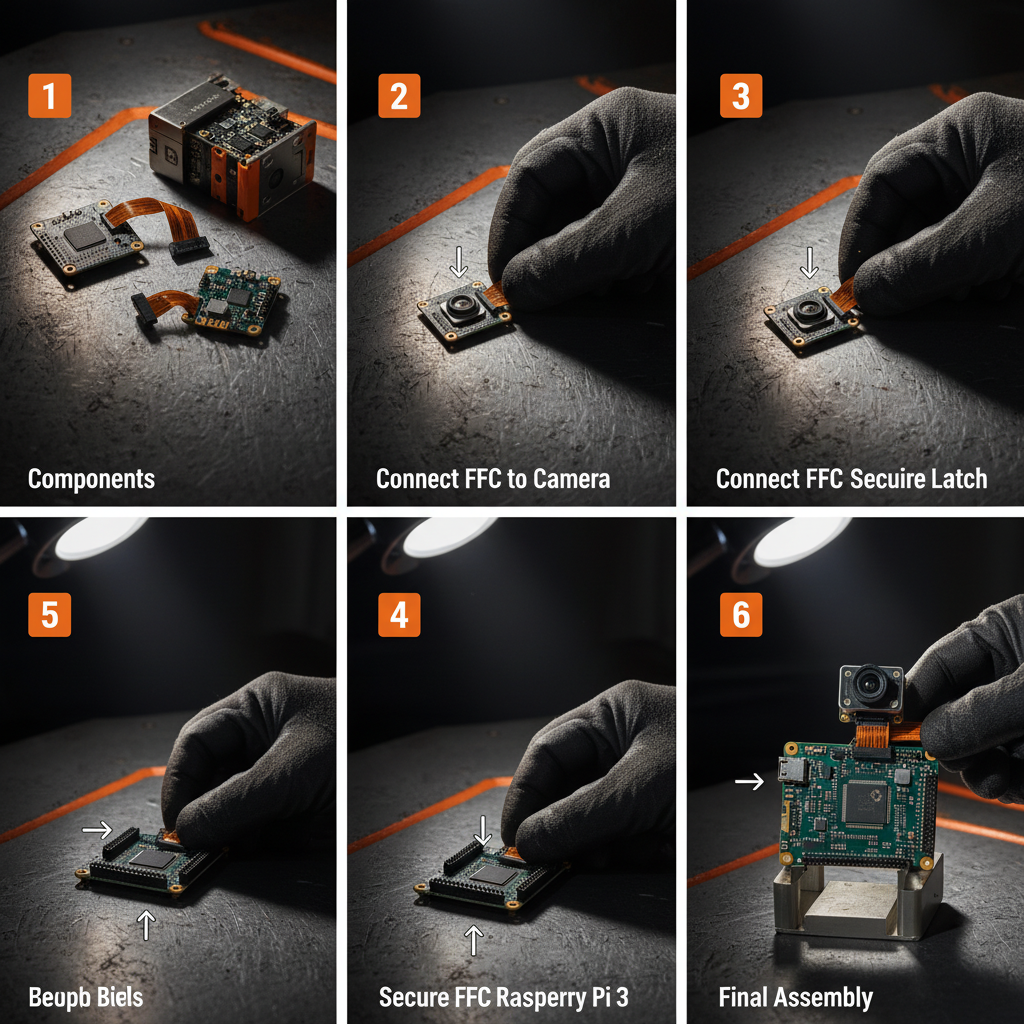
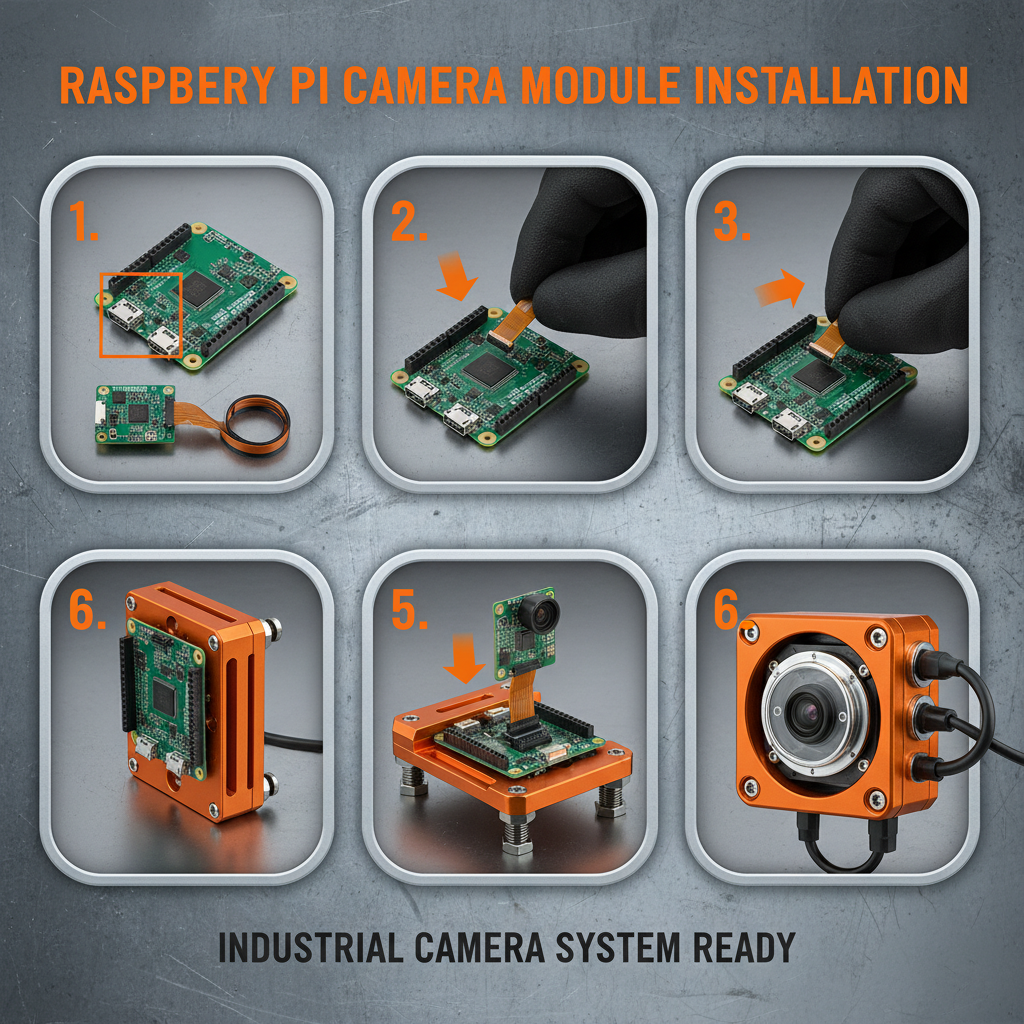
This is usually caused by the camera interface being disabled in the system settings. Run 'sudo raspi-config', navigate to 'Interface Options', and enable the 'Camera'. After rebooting, check the ribbon cable connection—ensure it is seated firmly and facing the correct direction in the CSI port.
A standard camera module has an Infrared (IR) filter that blocks IR light to produce natural colors. A NoIR (No Infrared) module lacks this filter, allowing it to capture IR light. This makes it ideal for night vision applications when used with an IR LED illuminator, though daytime images will appear with a pinkish tint.
Absolutely. With a high-quality 8MP module and a sturdy tripod, you can script the Pi to take photos at specific intervals. By utilizing the 'raspistill' command and post-processing software, you can create professional-grade 4K time-lapses for environmental or construction monitoring projects.
While the camera itself draws very little power, the image processing (especially 4K or AI tasks) puts a heavy load on the CPU/GPU. It is highly recommended to use an official 5V 2.5A power supply to avoid "under-voltage" warnings, which can cause the camera stream to crash or stutter.
OpenCV (Open Source Computer Vision Library) is the industry standard. It provides a comprehensive set of tools for image manipulation and analysis. For those focusing on Deep Learning, pairing OpenCV with TensorFlow Lite allows you to run pre-trained models for object detection with impressive efficiency on the Pi 3 hardware.
Conclusion
The camera module for raspberry pi 3 is far more than a simple accessory; it is a powerful tool for digital empowerment and technical innovation. By integrating high-resolution sensors with a flexible CSI interface, it enables a vast array of applications from industrial automation to humanitarian diagnostics. We have seen that the choice of module—whether Standard, NoIR, or High-Res—depends entirely on the environmental constraints and the specific data requirements of the project.
As we move toward a future defined by edge AI and sustainable electronics, the role of accessible imaging hardware will only grow. For developers and engineers, the key to success lies in selecting a module that balances resolution with computational overhead while staying mindful of power efficiency. To explore the full range of professional-grade imaging solutions and find the perfect match for your next project, visit our website: www.szmyccm.com.