


Jan . 06, 2026 03:35 Back to list
Understanding Video Camera With Audio Line Input: Benefits for B2B Industries
Video Camera With Audio Line Input is a key solution in the industry, specifically within professional video and audio capture sectors. This article explores how https://www.szmyccm.com supports professionals with durable, high-performance products, and explains why this product is an ideal choice for businesses in these sectors.
Table of Contents
- Video Camera With Audio Line Input Overview
- Benefits & Use Cases of Video Camera With Audio Line Input
- Cost, Maintenance & User Experience
- Sustainability & Market Trends
Video Camera With Audio Line Input Overview
To start simply, a Video Camera With Audio Line Input is a specialized video recording device that integrates the ability to input line-level audio signals directly. This means instead of relying solely on embedded microphones, it can accept high-quality external audio feeds—perfect for industries needing clear, synchronized sound. It’s not just about capturing footage; it's about merging sound and visuals seamlessly, which frankly ups the production bar.
- Generally, these cameras support analog or digital line audio inputs, commonly via RCA, XLR, or 3.5mm jacks.
- Typical specs include Full HD or 4K video resolutions, built-in noise reduction circuits for audio, and sync options to ensure audio and video match perfectly.
| Specification | Typical Feature |
|---|---|
| Video Resolution | 1920×1080 (Full HD) up to 3840×2160 (4K UHD) |
| Audio Input | Supports analog line-in (XLR, RCA) and digital inputs (AES/EBU) |
| Frame Rate | Up to 60fps |
| Audio Sync | Hardware timecode synchronization |
| Storage | SD/SDHC/SDXC cards or SSD |
Benefits & Use Cases of Video Camera With Audio Line Input
When it comes to actual use, the benefits of a video camera equipped with audio line input are quite practical. Industries like event production, corporate training, broadcast news gathering, and live streaming all gain from crisp, clean audio alongside vivid video — no fuzz, no mismatch.
- Direct audio input gives sound engineers more control: they can feed in balanced signals from mixers or professional mics, eliminating background noise interference typical with built-in microphones.
- This type of device shines in real-time applications where latency or sync issues cause headaches—like interviews, conferences with remote participants, or multi-source live streams.
For businesses choosing between options, the ability to connect and mix external audio sources without extra adapters or converters really sets these cameras apart. At https://www.szmyccm.com, the units come ruggedized for demanding setups – think corporate events or harsh outdoor shoots — plus a configurable interface that advanced users appreciate.
| Vendor | Audio Input Options | Video Quality | Typical Price Range | Notable Feature |
|---|---|---|---|---|
| SZMYCCM | XLR, RCA, 3.5mm line input | Up to 4K UHD | $1200 - $2500 | Rugged housing, customizable audio channels |
| Competitor A | 3.5mm input only | Full HD | $800 - $1500 | Lower price, simpler interface |
| Competitor B | XLR only | 4K UHD | $1500 - $3000 | Advanced audio processing |
Cost, Maintenance & User Experience
Frankly, any B2B decision maker looking at these devices will weigh cost versus the total value delivered. With SZMYCCM’s cameras, the initial investment is balanced by durability and lower long-term maintenance costs. Many users mention how robust the build quality is — these aren’t the cameras you need to baby in the field.
- Rugged metal chassis and weatherproof seals reduce likelihood of damage, protecting your ROI.
- Battery life and modular components also add to ease of use; users can swap batteries or upgrade storage cards on the fly.
According to industry feedback, the customizable audio inputs and on-device settings streamline workflows, minimizing time spent fiddling with sync problems later in post-production. It’s the kind of practical refinement that shows real experience behind the design — not just bells and whistles.
Sustainability & Market Trends
There’s a growing awareness about sustainability in technology purchases. SZMYCCM, for instance, integrates eco-conscious materials and energy-efficient components where possible — though in the world of video cameras, balancing cutting-edge tech and green materials is a bit of a tightrope walk.
- Many manufacturers are now working toward modular designs to extend product lifespan.
- Compliance with evolving regulations, like Europe’s RoHS and WEEE directives, is standard and expected in international trade.
Market-wise, the need for high-definition video cameras with integrated professional audio has been rising, thanks to increasing remote work, virtual events, and content creation demands. So, the timing for investing in reliable, feature-rich units like these is quite spot-on.
Frequently Asked Questions about Video Camera With Audio Line Input
- What is Video Camera With Audio Line Input and how does it work?
- It’s essentially a video camera that allows external line-level audio signals, from mixers or microphones, to be connected directly. This means better control over sound quality and synchronization with video recordings.
- What are the main benefits of using Video Camera With Audio Line Input in industrial applications?
- The key benefits include improved audio clarity, durability that supports harsh working environments, and integration flexibility, which all contribute to higher-quality content and operational efficiency.
- How does Video Camera With Audio Line Input compare to traditional alternatives?
- Traditional cameras often rely on built-in mics with limited audio input options. Cameras with audio line input provide vastly superior sound capture, better synchronization, and are more adaptable to professional audio systems.
- What industries can benefit most from Video Camera With Audio Line Input implementation?
- Broadcast media, live event production, corporate training, film-making, and remote learning are among the sectors that gain the most, especially where sound quality paired with video fidelity is mission critical.
Conclusion on Video Camera With Audio Line Input from china
To recap, the Video Camera With Audio Line Input represents a thoughtful fusion of video and audio technology tailored for professionals who won’t settle for anything less than pristine capture quality and operational reliability. If you’re curious about elevating sound integration in your video production, it’s definitely worth a look.
- Recap the value of Video Camera With Audio Line Input.
- - Visit our website: https://www.szmyccm.com
Reflecting on this tech, it feels like the gap between professional audio standards and video equipment is finally narrowing, making content creators’ lives easier and end results sharper. It’ll be interesting to see how further integration evolves as remote and hybrid workflows become the norm.
References:
1. SZMYCCM Product Catalogue, 2024.
2. Broadcast Engineering Trends Report, 2023.
3. Industry Testimonials and Case Studies, SZMYCCM.
-
Guide to Raspberry Pi Camera Module v3 with Powered Autofocus
NewsApr.16,2026
-
Guide to Using the raspberry pi camera module v1 3 for IoT Projects
NewsApr.09,2026
-
Exploring the Capabilities of the Raspberry Pi Camera Module 3 Noir for Diverse Applications
NewsApr.07,2026
-
Unlocking Visual Potential with the Raspberry Pi Camera Module 3 for Advanced Projects
NewsApr.04,2026
-
Raspberry Pi Noir Camera Module V2 8MP 1080p30 A Comprehensive Guide for Projects
NewsMar.31,2026
-
Comprehensive Guide to the Raspberry Pi 3 B+ Camera Module and Its Applications
NewsMar.28,2026
-
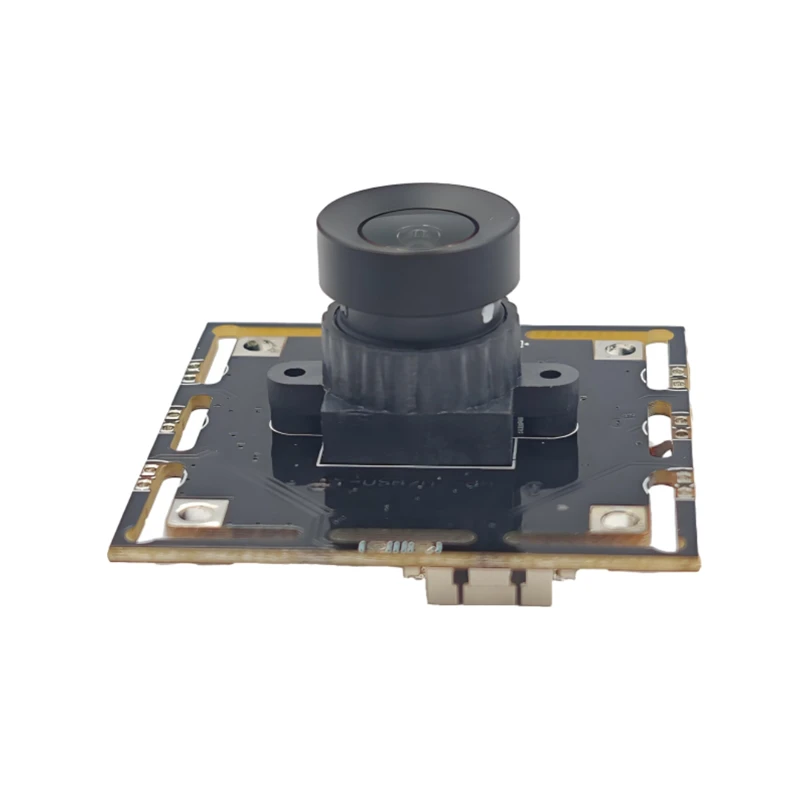
MY-USB1M818A Global Exposure Usb Camera Module With 1mp Hd Video
-
-
-
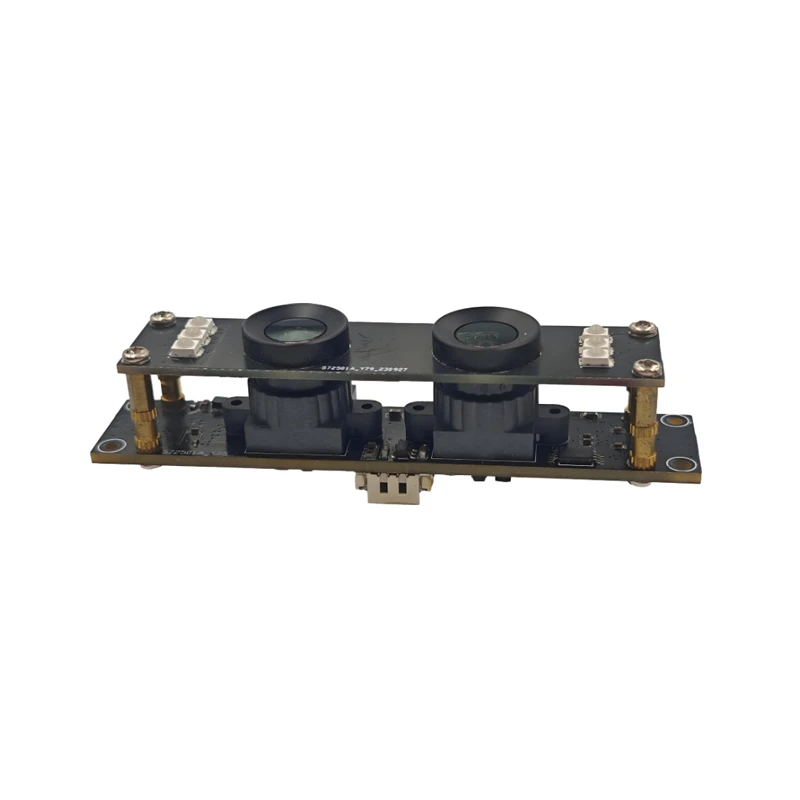
MY-DC52M-A1 Dual Lens Wide Dynamic Range Usb2.0 Camera Module With HD Video 5mp+2mp
-
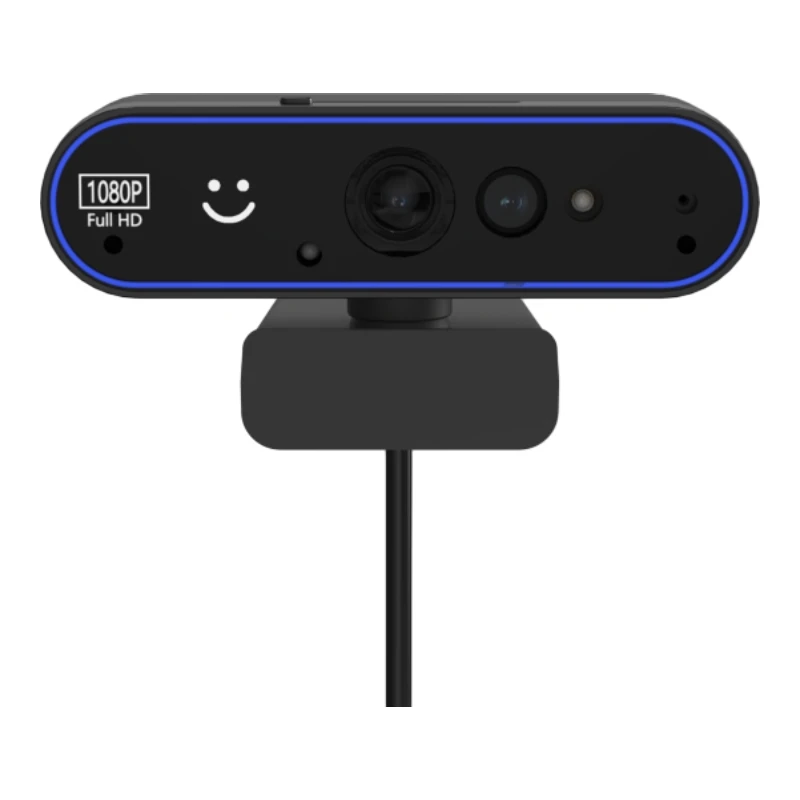
MY-WHC700 Windows Hello Face Recognition Binocular USB Camera
-
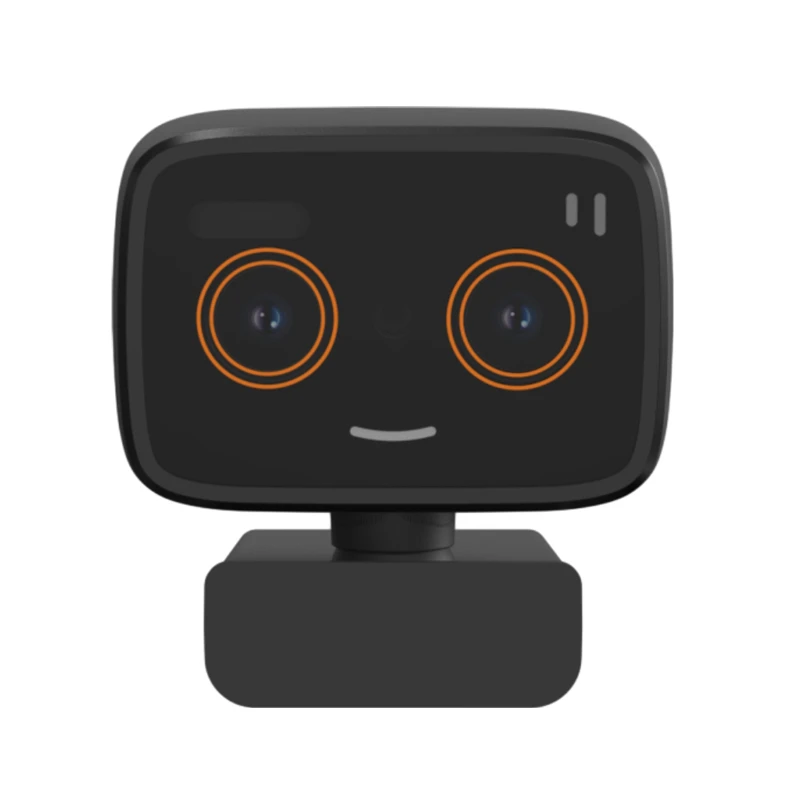
MY-DC-260-A1 Dual Lens Usb2.0 Web Camera With High-definition Video 2mp+2mp
-
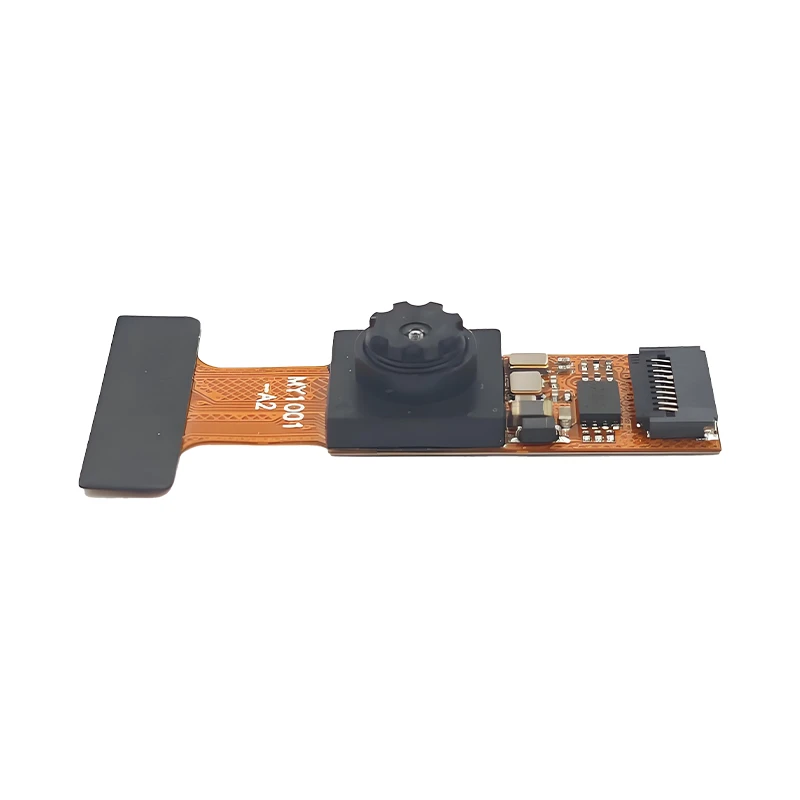
MY-1001-A2 AI Tracking, Gesture Recognition, Sitting Posture Detection Smart Camera Module
-
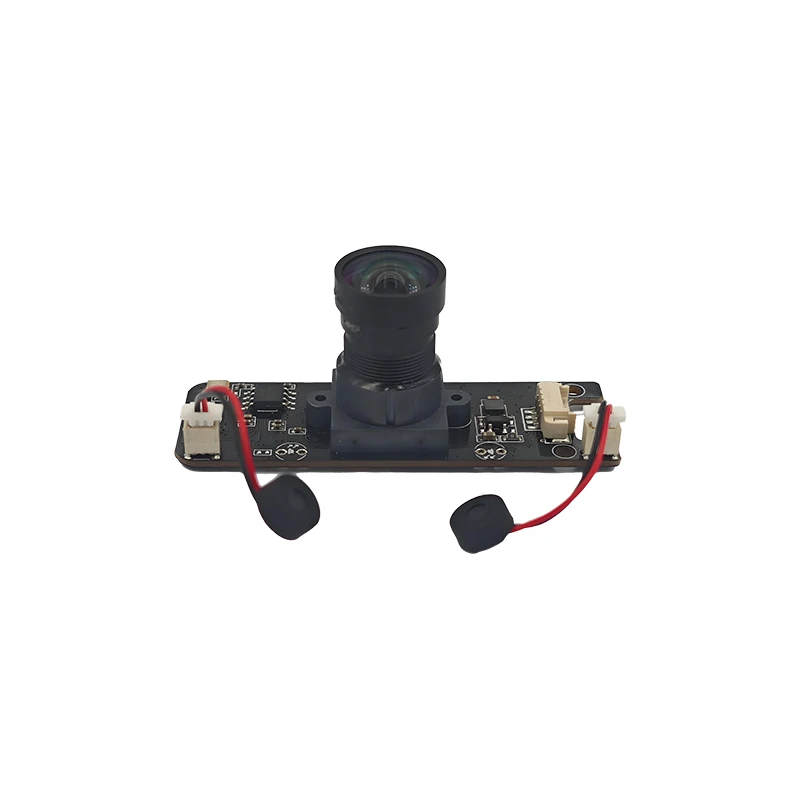
MY-USB8M158A 4K Resolution HD Video Driver-Free USB Camera Module With Microphone
