

Dec . 13, 2025 04:10 Back to list
108MP Camera Module for Industrial Imaging | High-Resolution Insights
108MP Camera Module: A Closer Look from the Industrial Equipment Perspective
Having spent over a decade working closely with industrial imaging systems, I’ve seen quite a few camera technologies come and go, but the 108MP camera module truly stands out these days. Frankly, the move towards ultra-high resolution in such a compact form factor is both fascinating and, in real terms, a game changer for many industrial applications.
You might wonder why anyone in a rugged industrial environment would care about cramming 108 million pixels into a tiny sensor. Well, it’s all about the detail — the kind that can reveal weaknesses, cracks, or inconsistencies invisible to lower-res cameras. It feels like suddenly you’re seeing with a magnifying glass, but from a distance, which, oddly enough, can speed up inspections while reducing human error.
Design and Materials Insights
From a technical standpoint, these 108MP modules are marvels of miniaturization. Typically built on a 1/1.33” sensor size, sensors cram billions of photodiodes into tiny pixels — usually around 0.7μm each. I’ve noticed many manufacturers use stacked CMOS technology with advanced backside illumination (BSI) to maximize light capture despite the small pixels. This combination is critical, especially for industrial setups with varying light conditions.
Most modules come equipped with high-quality color filter arrays and micro-lenses that optimize sharpness. Plus, they often integrate advanced ISP (Image Signal Processor) capabilities internally, reducing the load on your host system. In my experience, this not only lowers latency but also improves image clarity, which is vital when identifying surface defects on metal parts or semiconductor wafers.
Performance and Field Use
Testing these modules, I was frankly impressed with their low noise levels and dynamic range — something many engineers claim is often sacrificed at ultra-high resolution. In one factory setup, a quality assurance team replaced their older 48MP cameras with 108MP modules to inspect automotive engine blocks. They reported spotting tiny surface anomalies that went unnoticed before. So, beyond the specs, the real win is in the application.
Of course, you’ll want to remember that higher resolution means bigger data streams and potentially slower frame rates unless the module and system are optimized. It’s a balancing act: resolution versus speed, cost versus performance. But if your use case involves detailed visual inspections, the tradeoffs often make sense.
Key Specifications Overview
| Specification | Details |
|---|---|
| Sensor Type | 1/1.33" Stacked CMOS BSI |
| Resolution | 108 Megapixels (12000 × 9000 pixels) |
| Pixel Size | 0.7μm |
| Frame Rate | Up to 30 fps (4K @ 60fps interpolation) |
| Interface | MIPI CSI-2 / LVDS options |
| Low Light Sensitivity | Excellent due to BSI tech |
| Dimensions | 38mm × 38mm × 7mm |
Comparing Leading Vendors
Picking the right supplier can feel like a minefield. There’s a handful of key players offering 108MP camera modules in the industrial market. Here’s a quick rundown based on my hands-on experience and industry feedback:
| Vendor | Image Quality | Customization | Support | Cost |
|---|---|---|---|---|
| Brand A | Excellent color fidelity and sharpness | Highly customizable lens and interface options | Responsive, technical engineers on call | Premium pricing |
| Brand B | Good overall, slightly less dynamic range | Moderate customization, standard modules mainly | Average support | Mid-range |
| Brand C | Decent quality, some noise in low light | Limited customization | Basic support only | Budget-friendly |
Final Thoughts
After working with various industrial camera modules, it’s clear 108MP technology is carving out a strong niche. I suppose it’s not just about the megapixels; it’s how those pixels work together with good optics and processing to provide useful information in challenging environments. If your projects demand precise visual details and you have the infrastructure to handle larger image data, it’s well worth investigating further.
For those curious, I often recommend checking out setups from vendors like 108MP camera module suppliers who balance innovation, support, and real-world reliability.
Remember — tech is always evolving, but good engineering and field-tested reliability are what keep us coming back.
References
- Industry reports from Vision Systems Design, 2023
- Technical white papers from major sensor manufacturers
- Case studies from automotive part inspection lines, 2022
-
Guide to Raspberry Pi Camera Module v3 with Powered Autofocus
NewsApr.16,2026
-
Guide to Using the raspberry pi camera module v1 3 for IoT Projects
NewsApr.09,2026
-
Exploring the Capabilities of the Raspberry Pi Camera Module 3 Noir for Diverse Applications
NewsApr.07,2026
-
Unlocking Visual Potential with the Raspberry Pi Camera Module 3 for Advanced Projects
NewsApr.04,2026
-
Raspberry Pi Noir Camera Module V2 8MP 1080p30 A Comprehensive Guide for Projects
NewsMar.31,2026
-
Comprehensive Guide to the Raspberry Pi 3 B+ Camera Module and Its Applications
NewsMar.28,2026
-
MY-USB1M818A Global Exposure Usb Camera Module With 1mp Hd Video
-
-
-
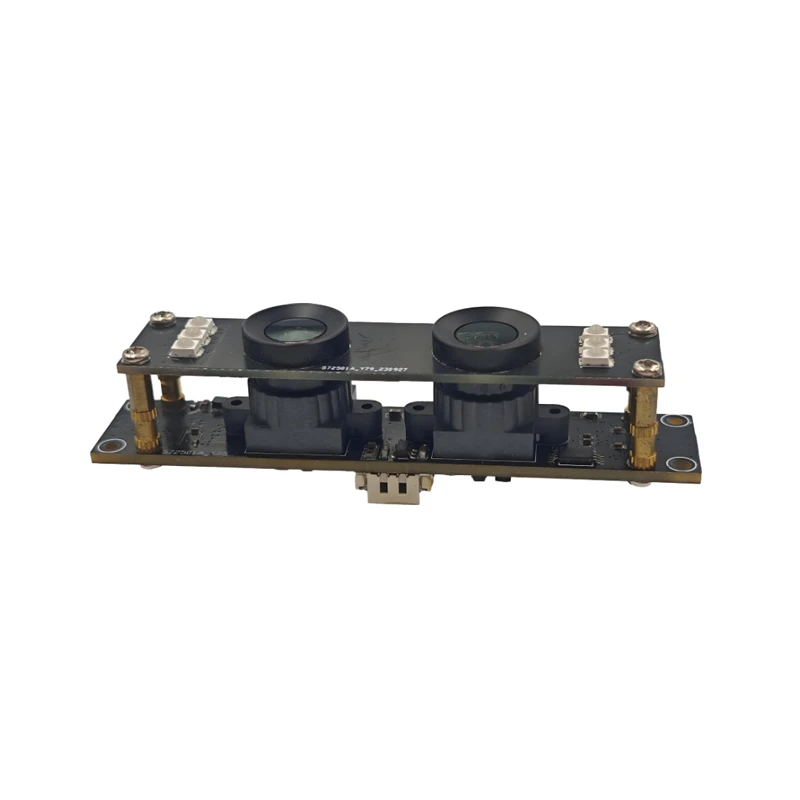
MY-DC52M-A1 Dual Lens Wide Dynamic Range Usb2.0 Camera Module With HD Video 5mp+2mp
-
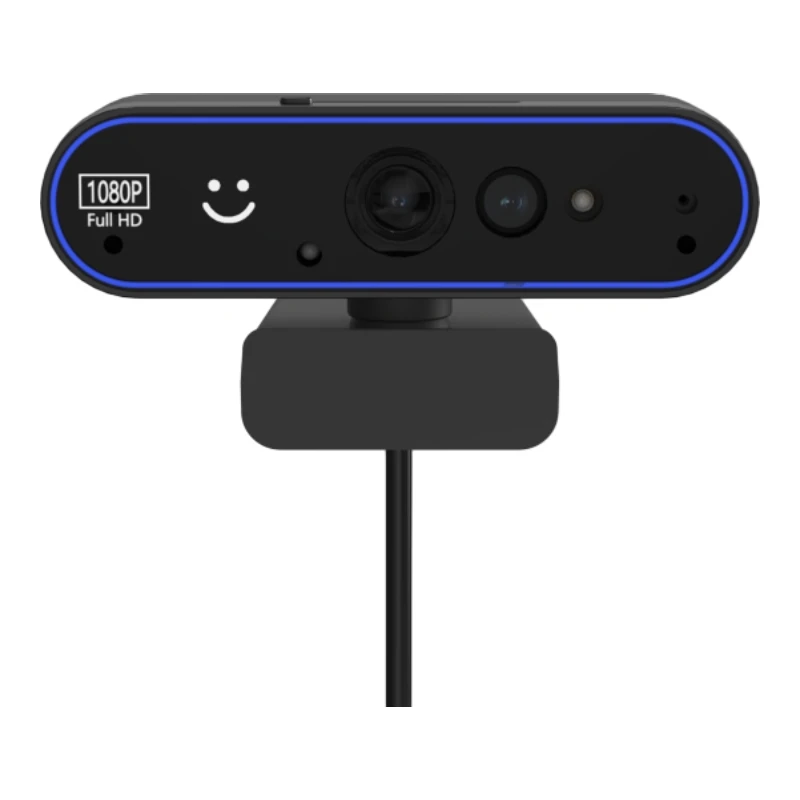
MY-WHC700 Windows Hello Face Recognition Binocular USB Camera
-
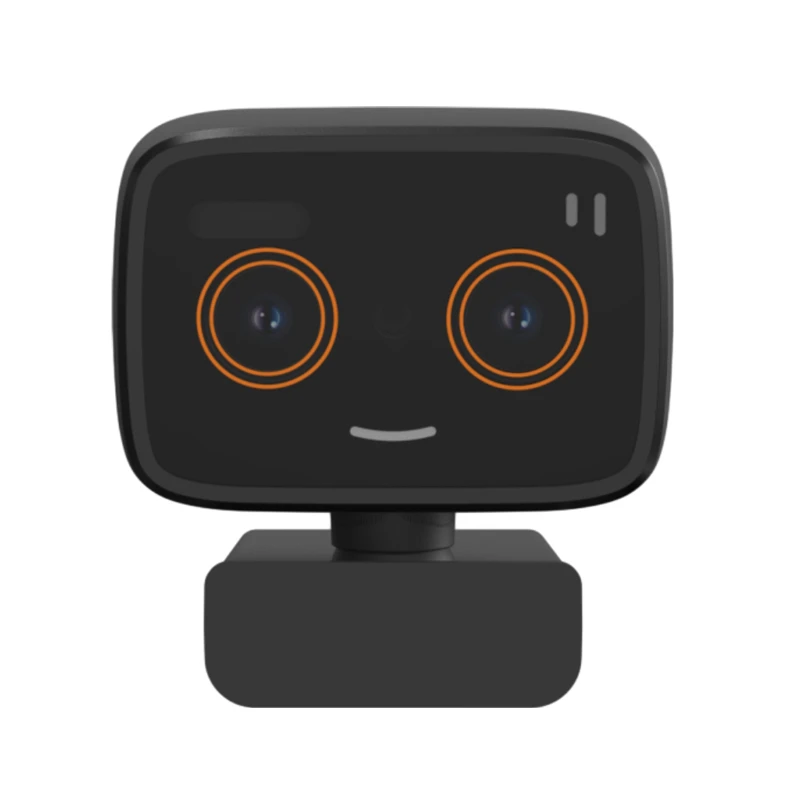
MY-DC-260-A1 Dual Lens Usb2.0 Web Camera With High-definition Video 2mp+2mp
-
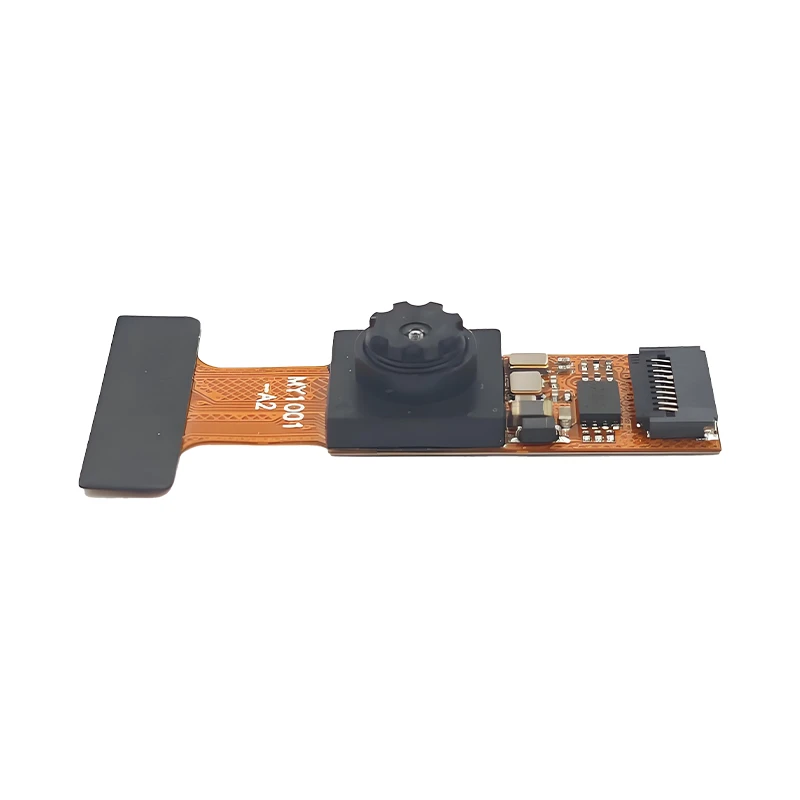
MY-1001-A2 AI Tracking, Gesture Recognition, Sitting Posture Detection Smart Camera Module
-
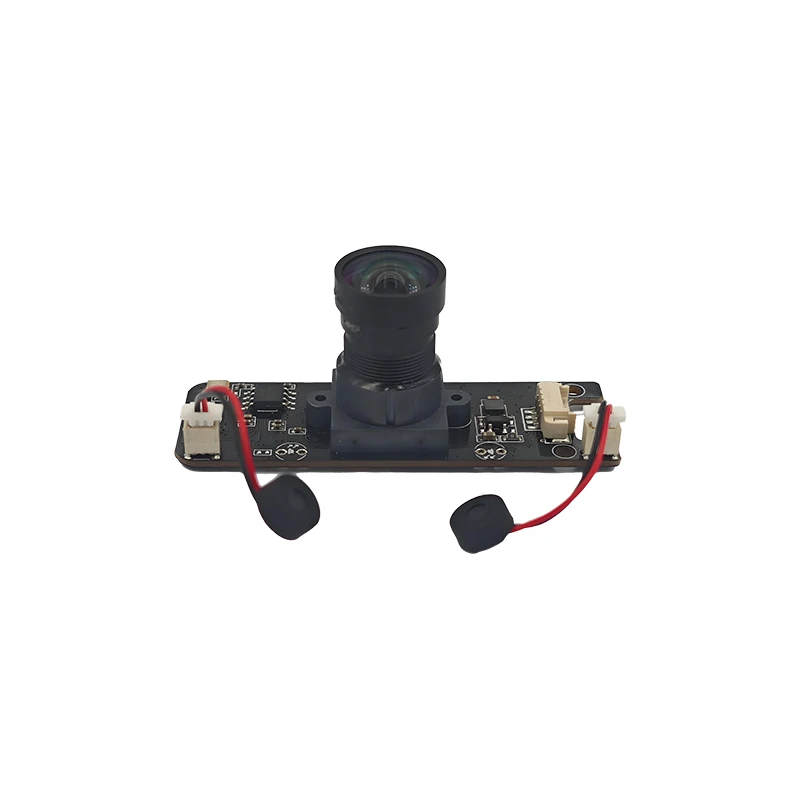
MY-USB8M158A 4K Resolution HD Video Driver-Free USB Camera Module With Microphone
