

Dec . 13, 2025 07:05 Back to list
Usb Cmos Camera Module: High-Performance Industrial Imaging Solutions | SZMYCCM
Usb Cmos Camera Module is a key solution in the industry, specifically within manufacturing, robotics, and industrial automation sectors. This article explores how https://www.szmyccm.com supports professionals with durable, high-performance products, and explains why this product is an ideal choice for businesses in these sectors.
Table of Contents
- Usb Cmos Camera Module Overview
- Benefits & Use Cases of Usb Cmos Camera Module
- Cost, Maintenance & User Experience
- Sustainability & Market Trends
Usb Cmos Camera Module Overview
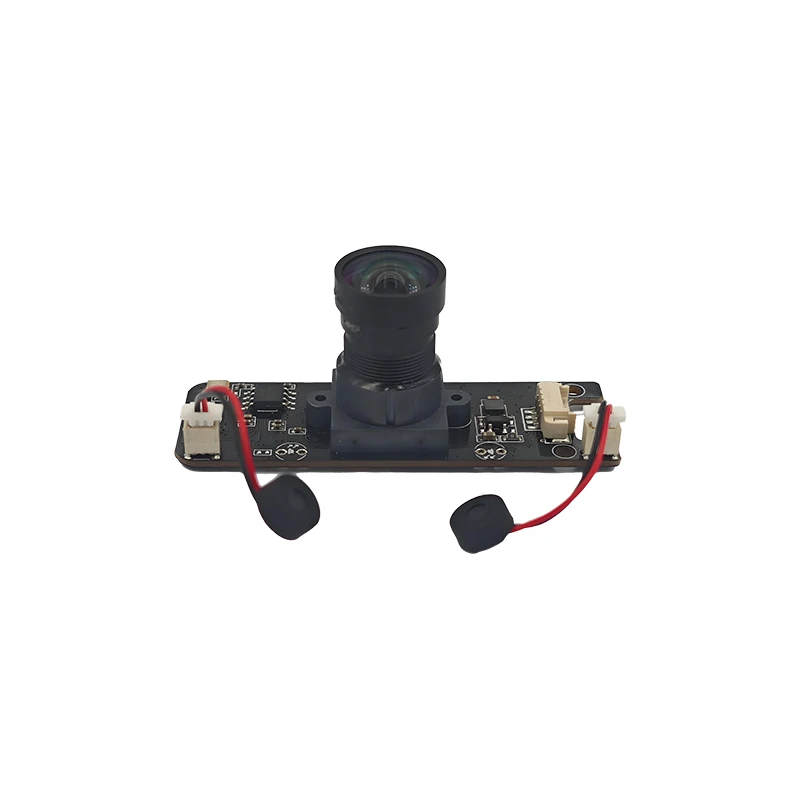
To start, Usb Cmos Camera Module is essentially a compact digital camera unit that uses CMOS (complementary metal-oxide-semiconductor) sensor technology paired with a USB interface. This combo makes it incredibly versatile, especially in industrial settings where plug-and-play simplicity and high-quality imaging are key. Frankly, its small size and high integration mean it fits naturally into automated processes and embedded systems without a fuss.
- CMOS sensors are known for lower power consumption and higher speed compared to CCD sensors – useful in real-time monitoring.
- Typical specs from szmyccm.com include resolutions from 1MP to 5MP, frame rates up to 60fps, and USB 2.0/3.0 compatibility.
- A recent application case involved a packaging line outfitted with these modules for quality control, showing a remarkable drop in error rates.
| Parameter | Value |
|---|---|
| Sensor Type | CMOS |
| Resolution | 2MP / 1920x1080 |
| Frame Rate | 30 fps |
| Interface | USB 3.0 |
| Lens Field of View | 70° |
| Power Consumption | < 300 mW |
Benefits & Use Cases of Usb Cmos Camera Module
In real terms, the beauty of the Usb Cmos Camera Module lies in its adaptability — it finds a home in everything from factory automation and smart agriculture to security and medical imaging. Businesses benefit from its ease of integration, real-time image transmission, and cost-effectiveness. You don’t have to be a rocket scientist to appreciate a camera that hooks up via USB and just works.
- Industrial automation uses include vision-guided robotics and defect detection.
- Medical devices use these modules for endoscope cameras or diagnostic imaging tools.
- Agricultural drones and inspection units rely on their lightweight and low power consumption.
- Compared to traditional cameras, they offer lower latency, simpler setup, and often better durability.
Cost, Maintenance & User Experience
When talking cost, Usb Cmos Camera Modules often represent a lower total cost of ownership than many alternatives — especially if you factor in durability and lower maintenance. For example, many engineers report that these units maintain performance over years without needing complicated calibration. The USB interface also slashes installation costs.
- Durability ratings often exceed IP54, making them resistant to dust and splashes.
- Plug-and-play USB connection reduces downtime from installation or troubleshooting.
- Customers in automation have reported an ROI recoup in under 18 months due to improved throughput.
| Feature | SZMYCCM | Competitor A | Competitor B |
|---|---|---|---|
| Resolution Options | 1MP to 5MP | Up to 3MP | 1MP to 4MP |
| Frame Rate | Up to 60fps | 30fps | 30fps |
| USB Interface | USB 2.0 & 3.0 | USB 2.0 only | USB 3.0 |
| Durability (IP Rating) | IP54 | IP40 | IP50 |
| Customizable Options | Yes | Limited | Yes |
Sustainability & Market Trends
Sustainability might not be the first thing that comes to mind when thinking about camera modules, but it’s oddly important here. The decreased power consumption of CMOS technology contributes to lower energy use, which counts when multiplied over thousands of units in industrial environments. More so, manufacturers like SZMYCCM emphasize recyclable materials and strict quality controls, aligning with tightening regulations globally.
- Increasing demand for automation drives market growth for Usb Cmos Camera Module products.
- Regulations promoting energy efficiency encourage manufacturers to innovate with low-power designs.
- Customization and miniaturization trends mean camera modules are becoming more adaptable to niches.
Frequently Asked Questions about Usb Cmos Camera Module
- What is Usb Cmos Camera Module and how does it work?
- Simply put, it is a camera equipped with a CMOS sensor that captures light and converts it into electrical signals. These signals are then transmitted digitally through a USB connection, allowing for quick, plug-and-play image capture in various devices.
- What are the main benefits of using Usb Cmos Camera Module in industrial applications?
- The main perks include ease of integration, reduced power consumption, high frame rates, and strong reliability in harsh environments. This combination improves quality control, speeds up inspection processes, and generally makes life easier for engineers.
- How does Usb Cmos Camera Module compare to traditional alternatives?
- Compared to older camera types like CCD-based or analog cameras, these CMOS modules offer faster data transfer via USB, better energy efficiency, reduced heat generation, and often a smaller, more flexible form factor.
- What industries can benefit most from Usb Cmos Camera Module implementation?
- Sectors such as manufacturing automation, robotics, medical equipment, agriculture drones, and security systems tend to gain the most. The modules help optimize processes ranging from machine vision to remote inspection and diagnostic imaging.
Conclusion on Usb Cmos Camera Module from china
To wrap this up, the Usb Cmos Camera Module marks a blend of cutting-edge technology and practical design, making it a robust tool for diverse industrial uses. Its flexibility, combined with energy efficiency and ease of use, makes it a worthwhile investment for businesses aiming to stay ahead in automation and quality assurance alike.
- Recap the value of Usb Cmos Camera Module.
- - Visit our website: https://www.szmyccm.com
Reflecting on the evolution of imaging tech, it’s clear that compact yet powerful devices like Usb Cmos Camera Modules are quietly revolutionizing industries. For decision makers, embracing these innovations means not just keeping pace, but shaping the future of manufacturing and automation.
- “CMOS vs CCD image sensors” - Electronics Tutorials
- Industry automation case studies - szmyccm.com
- Market reports on embedded imaging solutions - 2023
-
Guide to Raspberry Pi Camera Module v3 with Powered Autofocus
NewsApr.16,2026
-
Guide to Using the raspberry pi camera module v1 3 for IoT Projects
NewsApr.09,2026
-
Exploring the Capabilities of the Raspberry Pi Camera Module 3 Noir for Diverse Applications
NewsApr.07,2026
-
Unlocking Visual Potential with the Raspberry Pi Camera Module 3 for Advanced Projects
NewsApr.04,2026
-
Raspberry Pi Noir Camera Module V2 8MP 1080p30 A Comprehensive Guide for Projects
NewsMar.31,2026
-
Comprehensive Guide to the Raspberry Pi 3 B+ Camera Module and Its Applications
NewsMar.28,2026
-
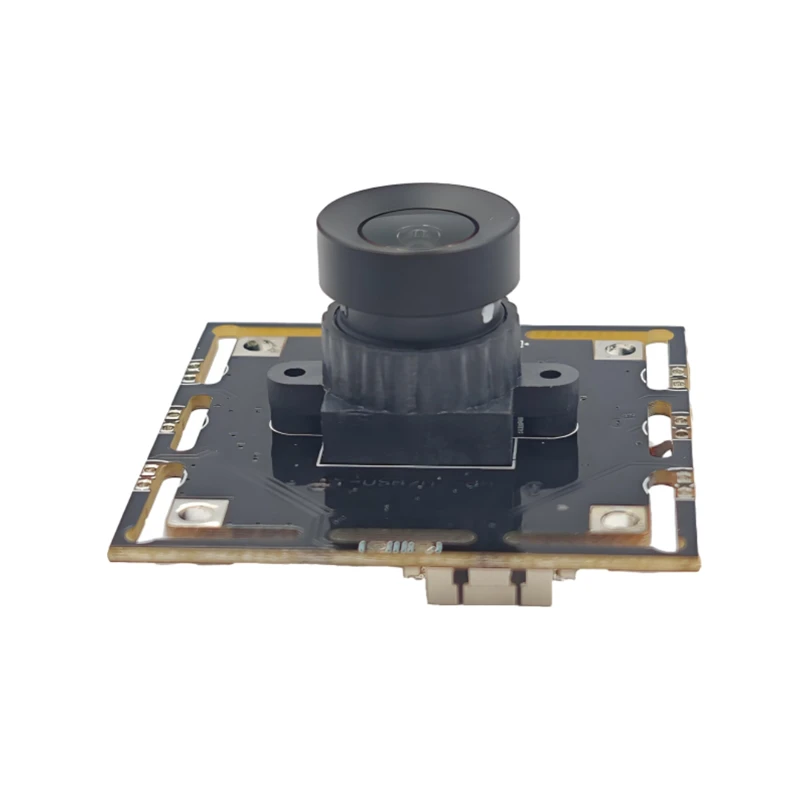
MY-USB1M818A Global Exposure Usb Camera Module With 1mp Hd Video
-
-
-
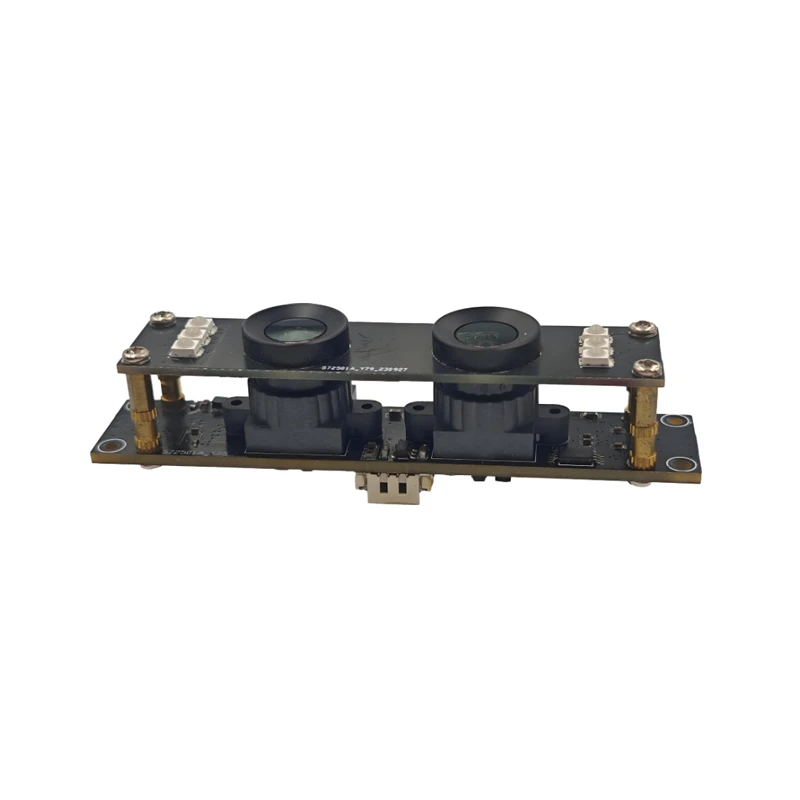
MY-DC52M-A1 Dual Lens Wide Dynamic Range Usb2.0 Camera Module With HD Video 5mp+2mp
-
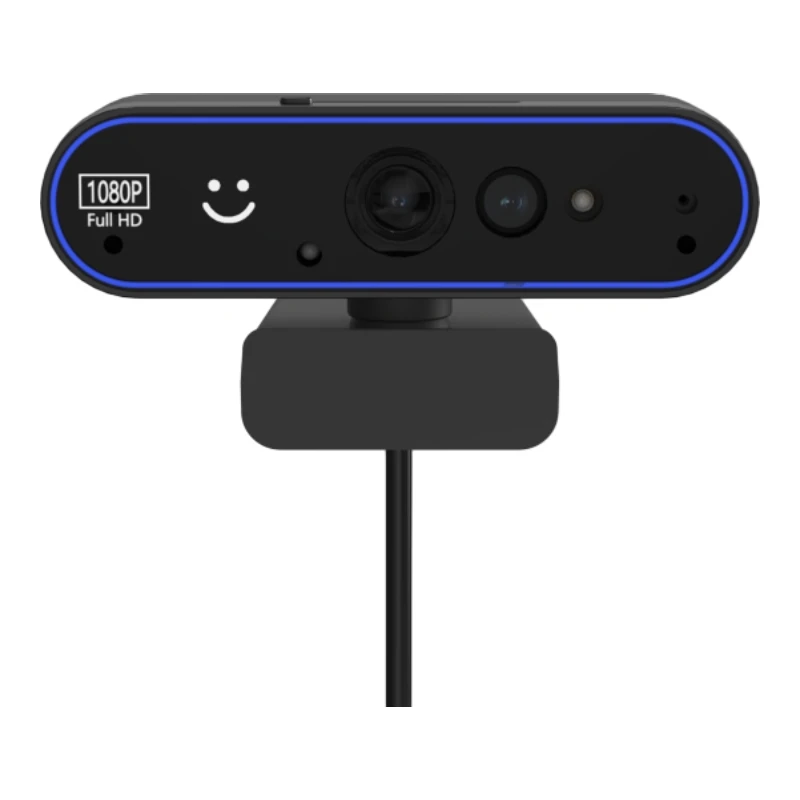
MY-WHC700 Windows Hello Face Recognition Binocular USB Camera
-
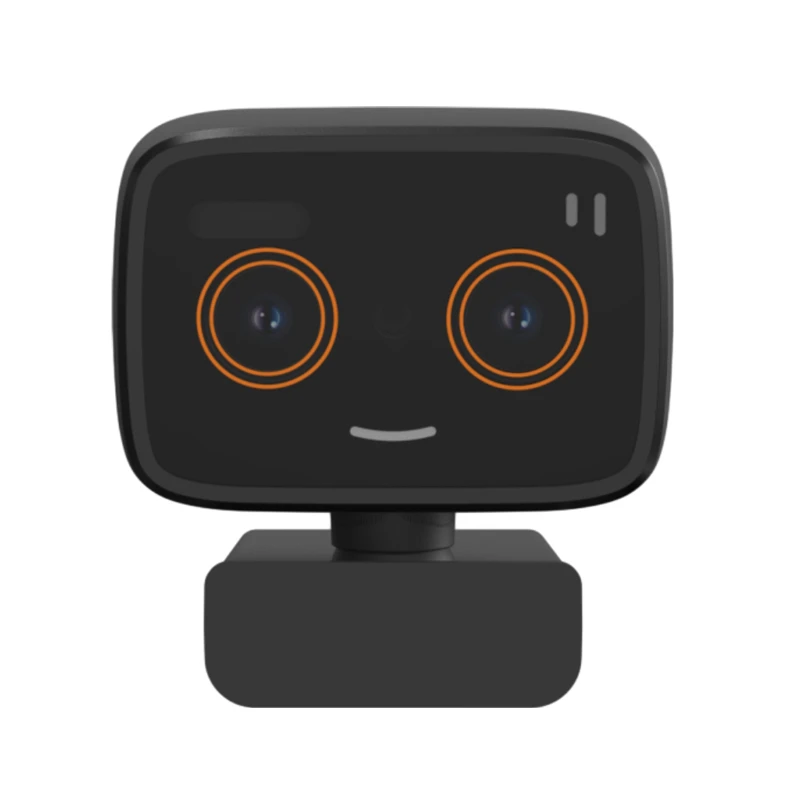
MY-DC-260-A1 Dual Lens Usb2.0 Web Camera With High-definition Video 2mp+2mp
-
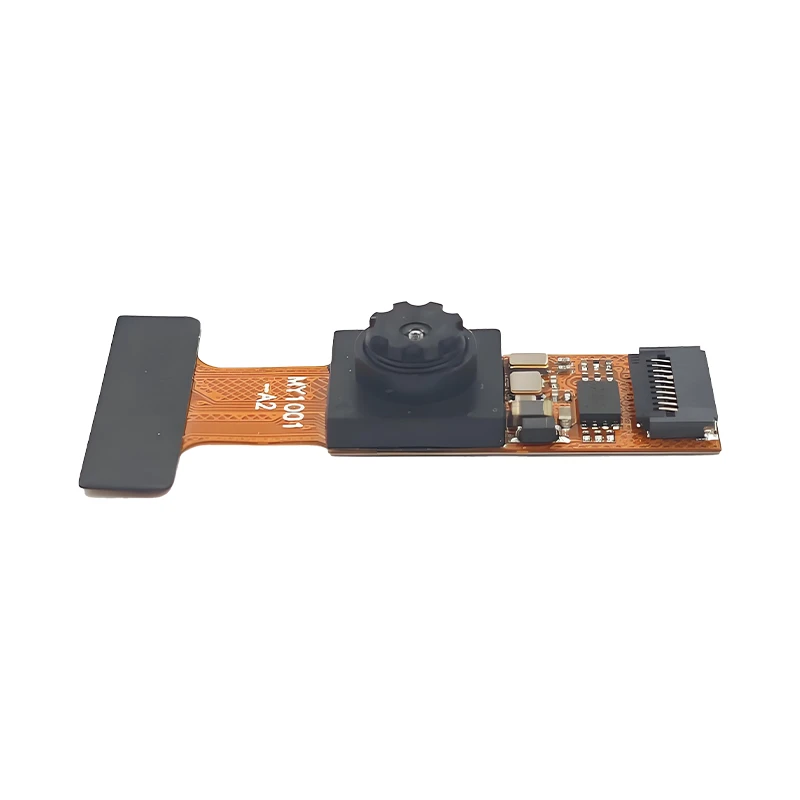
MY-1001-A2 AI Tracking, Gesture Recognition, Sitting Posture Detection Smart Camera Module
-
MY-USB8M158A 4K Resolution HD Video Driver-Free USB Camera Module With Microphone
