


Mar . 08, 2026 02:25 Back to list
Advanced Global Shutter Camera Modules for Machine Vision and Robotics
Understanding Global Shutter Camera Modules
In the rapidly evolving landscape of machine vision, robotics, and advanced imaging, global shutter camera modules are becoming increasingly critical. Unlike rolling shutter cameras, global shutter modules capture an entire image simultaneously, eliminating distortion artifacts in dynamic scenes. This article provides a comprehensive overview of global shutter technology, its applications, key specifications, and why SZMYCCM stands as a leading provider in this field. Choosing the right camera module is crucial for optimizing system performance and ensuring accurate data capture.
How Global Shutter Camera Modules Work
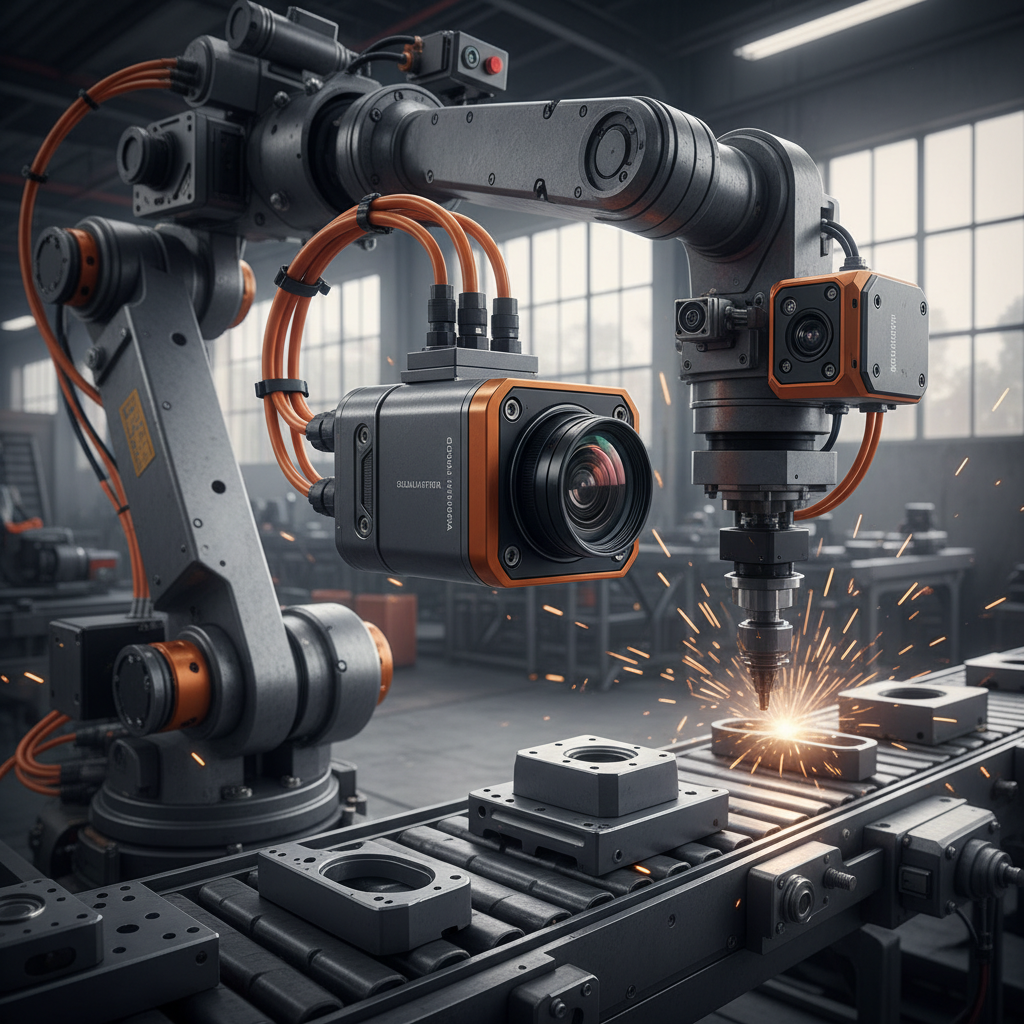
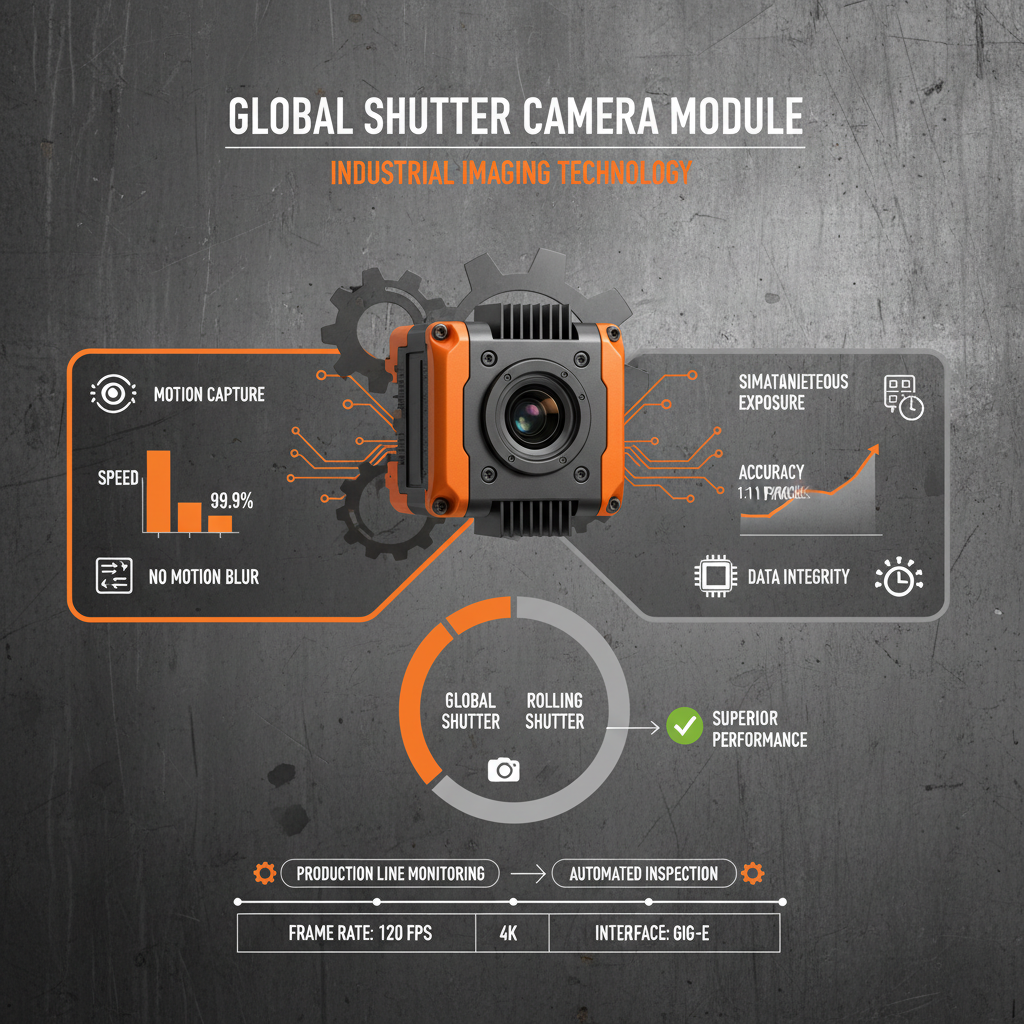
Global shutter technology differs fundamentally from rolling shutter. In a rolling shutter system, each line of the image is captured at a slightly different moment, resulting in distortions when imaging fast-moving objects or scenes with rapid changes. A global shutter camera module, however, uses a different architecture. All pixels are exposed simultaneously, meaning the entire frame is captured at the same instant. This ensures that there is no distortion caused by timing differences, making them ideal for applications where accurate data capture is paramount. This synchronization is achieved through complex circuitry and careful design of the image sensor.
Key Benefit: Eliminates distortion artifacts in dynamic scenes, providing accurate and reliable data capture.
Applications of Global Shutter Camera Modules
The unique capabilities of global shutter camera modules lend themselves to a wide range of applications. These include industrial inspection (detecting defects in fast-moving products), robotics (accurate object recognition and navigation), autonomous vehicles (reliable scene understanding), high-speed photography, and medical imaging. In factory automation, for example, they ensure accurate quality control. In the automotive industry, they are vital for advanced driver-assistance systems (ADAS). The precise timing and lack of distortion make them essential for reliable performance in these demanding environments.
Key Application Areas:
• Industrial Inspection
• Robotics & Automation
• Autonomous Vehicles
• Medical Imaging
Global Shutter vs. Rolling Shutter: A Detailed Comparison
Choosing between global and rolling shutter technology is a critical decision. Rolling shutter cameras are generally less expensive, but they struggle with motion artifacts. Global shutter cameras, while typically more costly, provide superior image quality in dynamic environments. The table below summarizes the key differences. Considering the specific requirements of your application is essential when making this choice.
Key Specifications to Consider when choosing a Global Shutter Camera Module
When selecting a global shutter camera module, several key specifications must be considered. Resolution (measured in megapixels) determines the image detail. Frame rate (frames per second - FPS) dictates how many images can be captured per second. Sensor size impacts light sensitivity and dynamic range. Interface type (USB, MIPI, etc.) affects data transfer speed and compatibility. Finally, consider the lens mount and available lens options. SZMYCCM offers a diverse range of modules with various specifications to meet diverse needs.
Why Choose SZMYCCM for Global Shutter Camera Modules?
SZMYCCM is a leading manufacturer of high-quality global shutter camera modules. We specialize in providing customized solutions tailored to your specific application requirements. Our modules are renowned for their exceptional image quality, reliability, and performance. We offer comprehensive technical support and competitive pricing. With a commitment to innovation and customer satisfaction, SZMYCCM is your trusted partner for advanced imaging solutions.
Conclusion: Investing in Precision with SZMYCCM
Investing in a global shutter camera module from SZMYCCM is a strategic decision for anyone requiring high-performance imaging in dynamic environments. Our commitment to quality, customization, and customer support ensures you receive a solution that meets your exact needs. Contact us today to discuss your project and discover how we can help you achieve your imaging goals.
Frequently Asked Questions (FAQs)
What is the difference between global and rolling shutter in terms of image distortion?
Rolling shutter cameras capture images line by line, leading to distortion when imaging fast-moving objects or scenes with sudden movements. This distortion manifests as skewed or warped images. Global shutter cameras, on the other hand, capture the entire image simultaneously, eliminating this distortion. They are ideal for applications where accurate representation of motion is critical, such as high-speed inspection, robotics, and automotive systems. The difference stems from how the sensor reads light – sequentially in rolling shutter versus concurrently in global shutter.
What factors influence the price of a global shutter camera module?
Several factors contribute to the cost of a global shutter camera module. Resolution is a primary factor, with higher-resolution modules generally being more expensive. Sensor size, frame rate, and interface type also influence price. Additionally, features such as integrated image processing capabilities, lens quality, and customization options can increase the cost. Volume discounts may also be available for larger orders. SZMYCCM offers competitive pricing and customizable solutions to fit various budgets.
What is the typical frame rate achievable with a global shutter camera module?
The frame rate achievable with a global shutter camera module varies depending on the resolution and sensor technology. Generally, frame rates range from 30 FPS to several hundred FPS. Higher resolutions often result in lower frame rates, and vice versa. Specialized high-speed modules can achieve frame rates of thousands of FPS. SZMYCCM offers modules with a wide range of frame rates to suit diverse applications, from standard machine vision to high-speed imaging.
-
Guide to Raspberry Pi Camera Module v3 with Powered Autofocus
NewsApr.16,2026
-
Guide to Using the raspberry pi camera module v1 3 for IoT Projects
NewsApr.09,2026
-
Exploring the Capabilities of the Raspberry Pi Camera Module 3 Noir for Diverse Applications
NewsApr.07,2026
-
Unlocking Visual Potential with the Raspberry Pi Camera Module 3 for Advanced Projects
NewsApr.04,2026
-
Raspberry Pi Noir Camera Module V2 8MP 1080p30 A Comprehensive Guide for Projects
NewsMar.31,2026
-
Comprehensive Guide to the Raspberry Pi 3 B+ Camera Module and Its Applications
NewsMar.28,2026
-
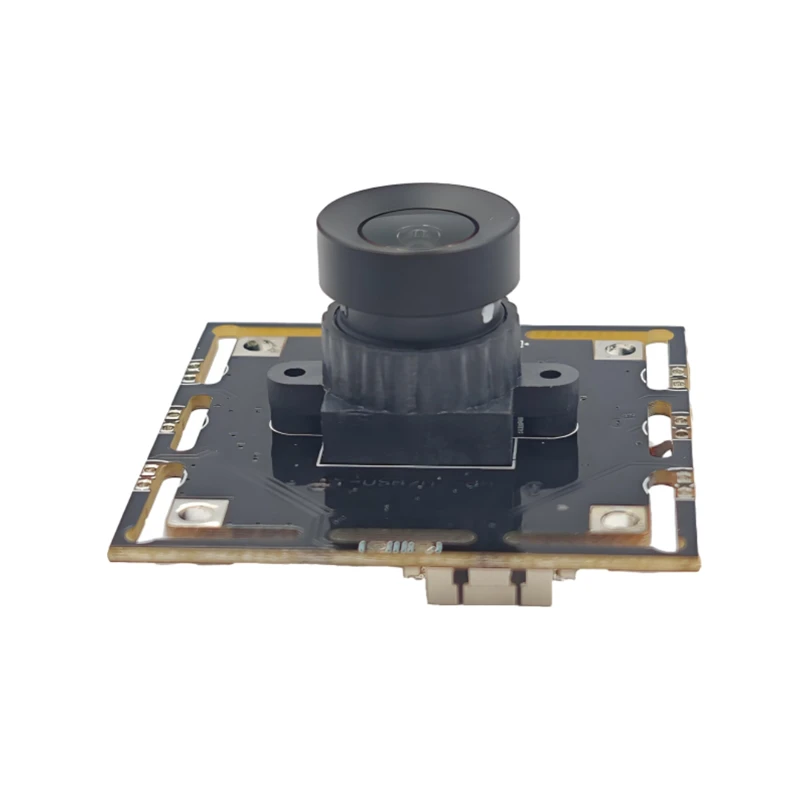
MY-USB1M818A Global Exposure Usb Camera Module With 1mp Hd Video
-
-
-
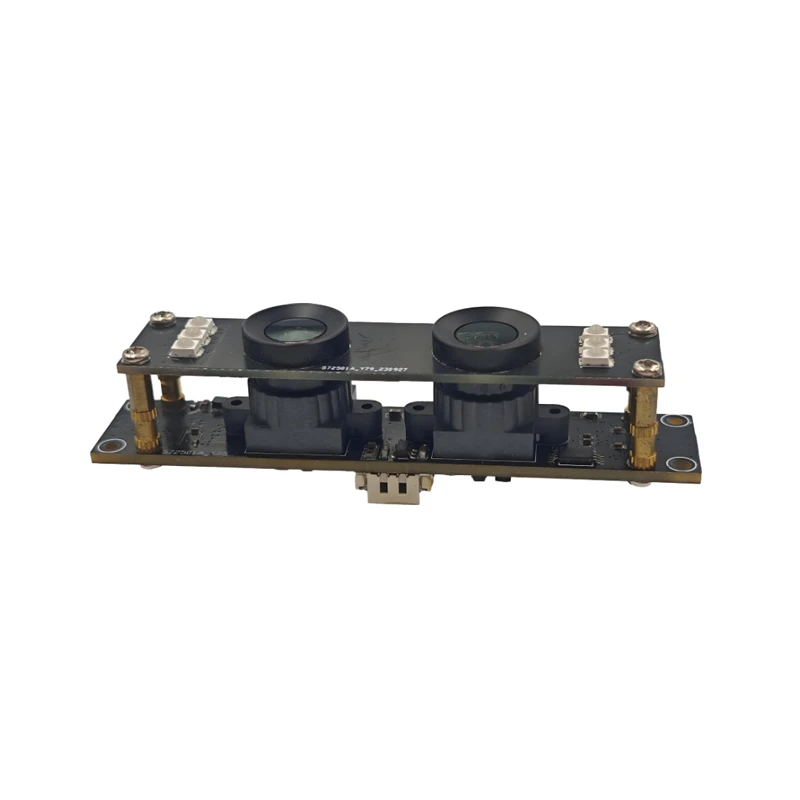
MY-DC52M-A1 Dual Lens Wide Dynamic Range Usb2.0 Camera Module With HD Video 5mp+2mp
-
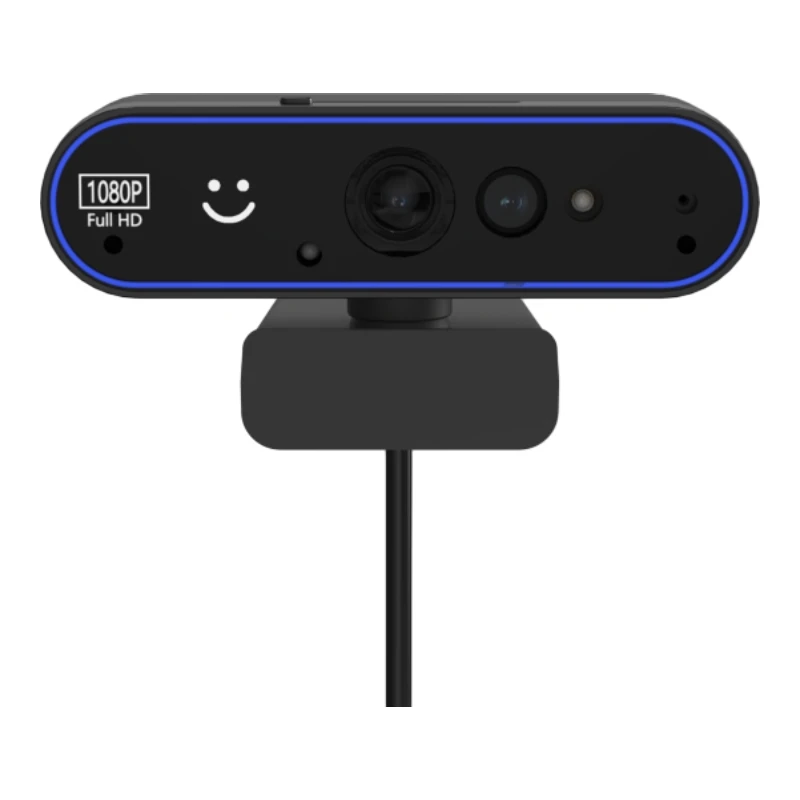
MY-WHC700 Windows Hello Face Recognition Binocular USB Camera
-
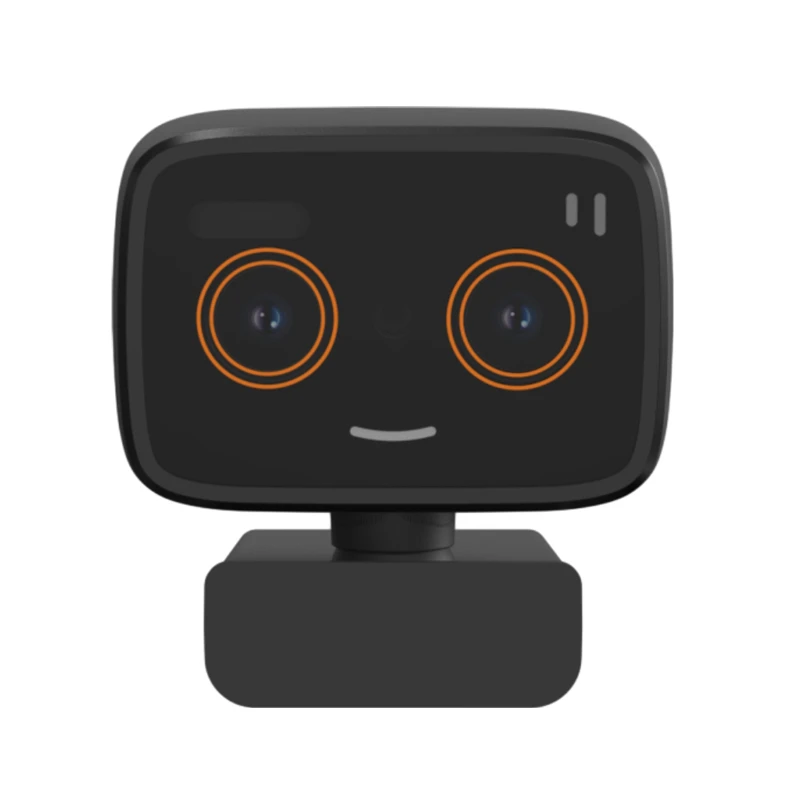
MY-DC-260-A1 Dual Lens Usb2.0 Web Camera With High-definition Video 2mp+2mp
-
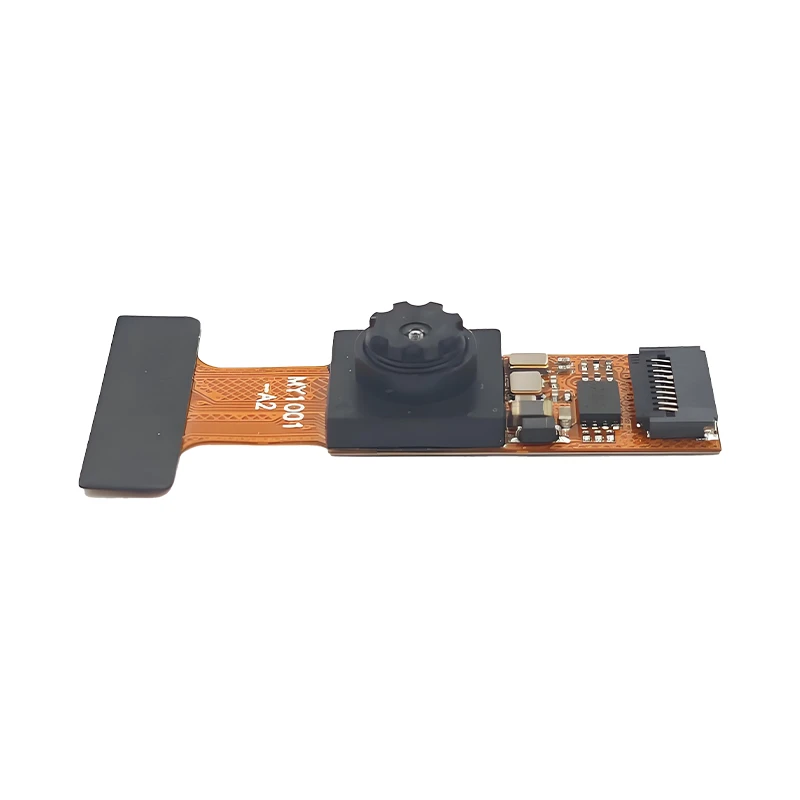
MY-1001-A2 AI Tracking, Gesture Recognition, Sitting Posture Detection Smart Camera Module
-
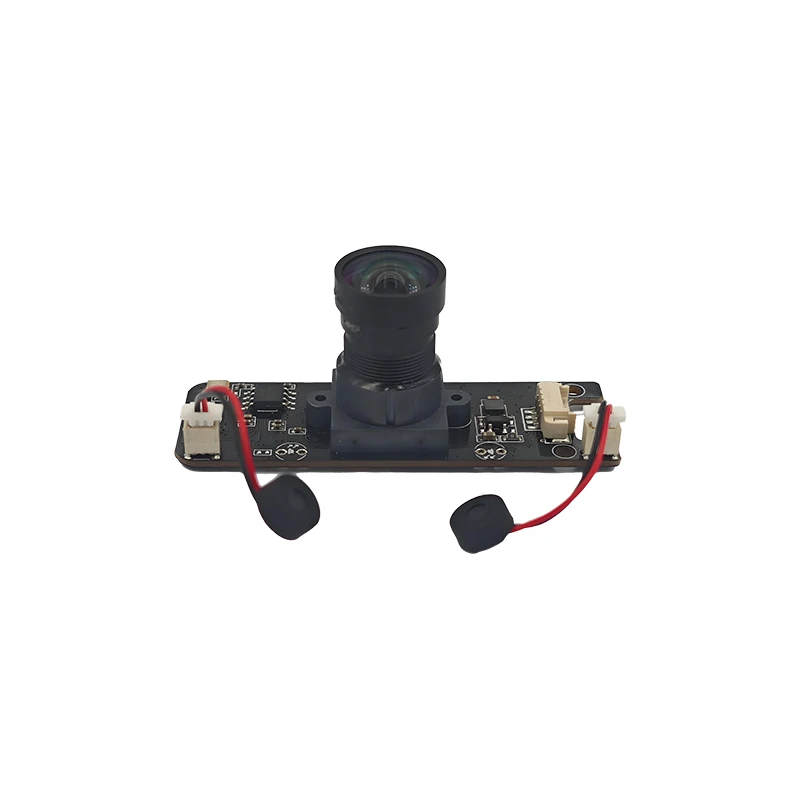
MY-USB8M158A 4K Resolution HD Video Driver-Free USB Camera Module With Microphone
