


Mar . 09, 2026 02:25 Back to list
Comprehensive Guide to High Speed Camera Modules and Their Applications
Understanding High Speed Camera Modules: A Comprehensive Guide
In today's rapidly evolving technological landscape, capturing fast-moving events with precision is crucial across various industries – from robotics and automotive safety testing to sports analysis and scientific research. High speed camera modules are the key to achieving this. This article delves into the world of these specialized cameras, exploring their functionality, applications, key specifications, and how to choose the right module for your needs. We'll also highlight why Shenzhen MYCCM Optoelectronics Co., Ltd. is a leading provider of these cutting-edge solutions.
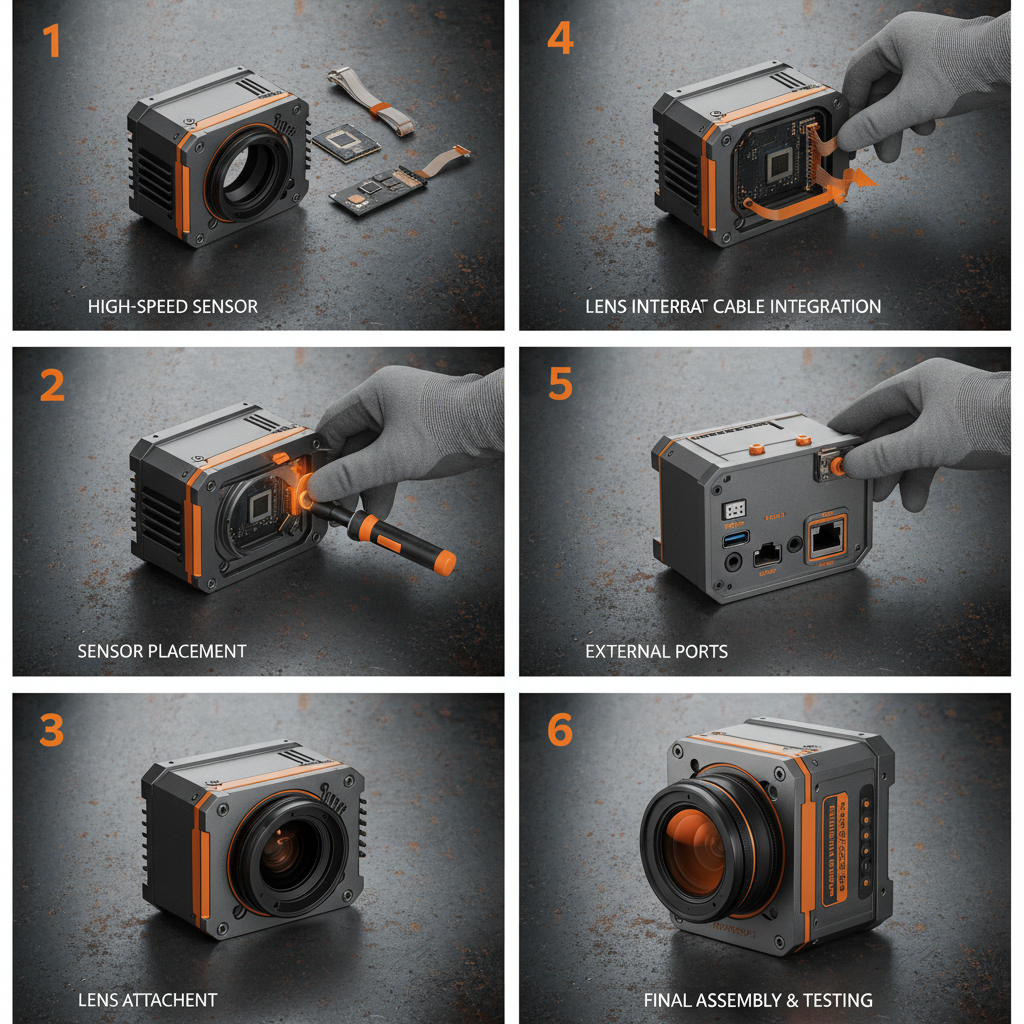
What are High Speed Camera Modules?
A high speed camera module is a specialized imaging system designed to capture images at extremely high frame rates – often exceeding thousands of frames per second (FPS). This is in contrast to conventional cameras which typically operate at 30 or 60 FPS. This ability allows for the visualization and analysis of events that are too fast for the human eye to perceive or for standard cameras to capture effectively. They are built integrating image sensor, lens and processing components, often small in size and easy to integrate into larger systems.
Key Advantages: Capture fleeting events, detailed motion analysis, slow-motion playback, and improved defect detection.
Applications of High Speed Camera Modules
The versatility of high speed camera modules leads to a diverse range of applications. In the automotive industry, they are used for crash testing, airbag deployment analysis, and ADAS (Advanced Driver-Assistance Systems) development. In manufacturing, they aid in quality control by detecting defects at high speeds. Sports analysis utilizes these modules for biomechanical studies and performance evaluation. Scientific research benefits from their ability to capture transient phenomena in physics, chemistry, and biology. Robotics uses these modules for vision-guided control and object recognition.
Key Application Areas:
• Automotive Safety Testing
• Industrial Quality Control
• Sports Biomechanics Analysis
• Scientific Research
• Robotics and Automation
Choosing the Right High Speed Camera Module
Selecting the optimal high speed camera module requires careful consideration of several key specifications. Frame rate (FPS) is paramount – the faster the event, the higher the FPS needed. Resolution dictates the level of detail captured. Sensor size influences light sensitivity and dynamic range. Global shutter versus rolling shutter is a critical decision, with global shutter being preferred for capturing fast-moving objects without distortion. Finally, interface (e.g., Camera Link, GigE Vision, USB3) impacts data transfer speed and compatibility with your system.
Why Choose Shenzhen MYCCM Optoelectronics?
Shenzhen MYCCM Optoelectronics Co., Ltd. is a trusted leader in the design and manufacture of high speed camera modules. We offer a wide range of customizable solutions to meet diverse application requirements. Our commitment to quality, innovation, and customer satisfaction sets us apart. We provide expert technical support and fast turnaround times. Our modules are rigorously tested to ensure optimal performance and reliability.
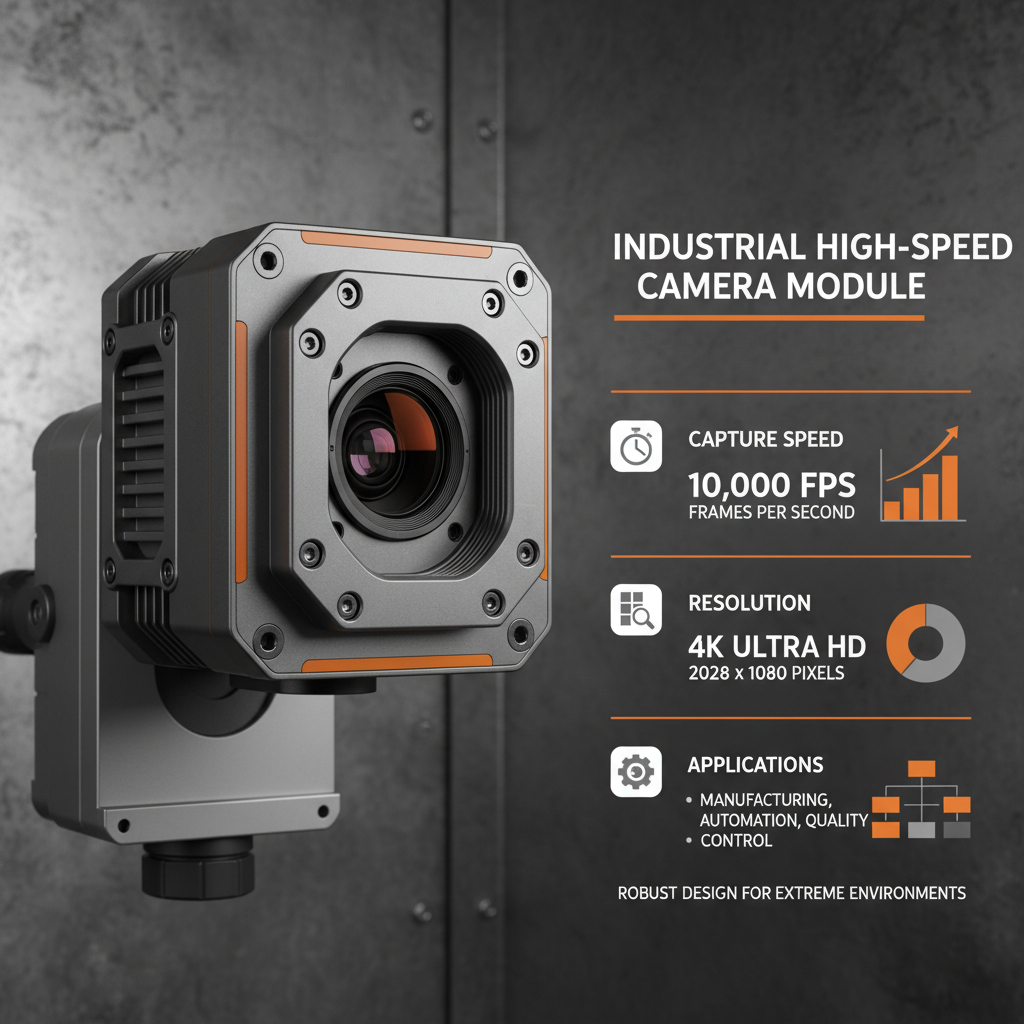
Key Specifications of MYCCM High Speed Camera Modules
Below are some typical specifications of MYCCM’s high speed camera modules. Note that these vary depending on the specific model:
Conclusion: Empowering Innovation with High Speed Imaging
High speed camera modules are essential tools for capturing and analyzing fast-moving events across a wide spectrum of industries. Shenzhen MYCCM Optoelectronics Co., Ltd. is dedicated to providing cutting-edge solutions and exceptional support to help you unlock the power of high speed imaging. Contact us today to discuss your specific application requirements.
Frequently Asked Questions (FAQs)
What is the difference between a global shutter and a rolling shutter?
A global shutter captures all pixels simultaneously, resulting in distortion-free images of fast-moving objects. A rolling shutter, on the other hand, scans the image line by line, which can cause distortion (like a "jello effect") when capturing rapidly changing scenes. Global shutter cameras are generally preferred for high-speed applications where accurate motion representation is critical, while rolling shutter cameras are often more affordable and suitable for slower-moving subjects. The type of shutter significantly impacts the quality of the captured images when dealing with fast-moving objects. Choosing the right shutter type is dependent on your application requirements.
What factors affect the light sensitivity of a high speed camera module?
Several factors influence light sensitivity. Sensor size is crucial – larger sensors generally capture more light. Pixel size also plays a role; larger pixels gather more photons. The type of sensor technology (CMOS, CCD) and the lens quality also contribute. Higher frame rates often require shorter exposure times, reducing the amount of light captured per frame, thus necessitating a more sensitive sensor or brighter illumination. Careful consideration of these factors is essential for optimizing image quality in low-light conditions.
What interface options are available for high speed camera modules?
Common interface options include Camera Link, GigE Vision, and USB3. Camera Link offers high bandwidth and low latency, making it suitable for demanding applications. GigE Vision utilizes standard Ethernet infrastructure for flexible connectivity. USB3 provides a convenient and cost-effective solution for less bandwidth-intensive applications. The choice of interface depends on data transfer requirements, cable length limitations, and compatibility with your existing system. MYCCM offers modules with various interface options.
How can I ensure optimal image quality with a high speed camera module?
Optimal image quality requires careful attention to several factors. Proper lighting is crucial; sufficient illumination ensures a clear signal. Selecting the appropriate lens for your application is also essential. Accurate focus is vital for sharp images. Correctly configuring camera settings, such as gain and exposure time, is paramount. Minimizing noise through proper grounding and shielding can also improve image quality. Finally, calibrating the camera to account for sensor imperfections can further enhance results.
-
Guide to Raspberry Pi Camera Module v3 with Powered Autofocus
NewsApr.16,2026
-
Guide to Using the raspberry pi camera module v1 3 for IoT Projects
NewsApr.09,2026
-
Exploring the Capabilities of the Raspberry Pi Camera Module 3 Noir for Diverse Applications
NewsApr.07,2026
-
Unlocking Visual Potential with the Raspberry Pi Camera Module 3 for Advanced Projects
NewsApr.04,2026
-
Raspberry Pi Noir Camera Module V2 8MP 1080p30 A Comprehensive Guide for Projects
NewsMar.31,2026
-
Comprehensive Guide to the Raspberry Pi 3 B+ Camera Module and Its Applications
NewsMar.28,2026
-
MY-USB1M818A Global Exposure Usb Camera Module With 1mp Hd Video
-
-
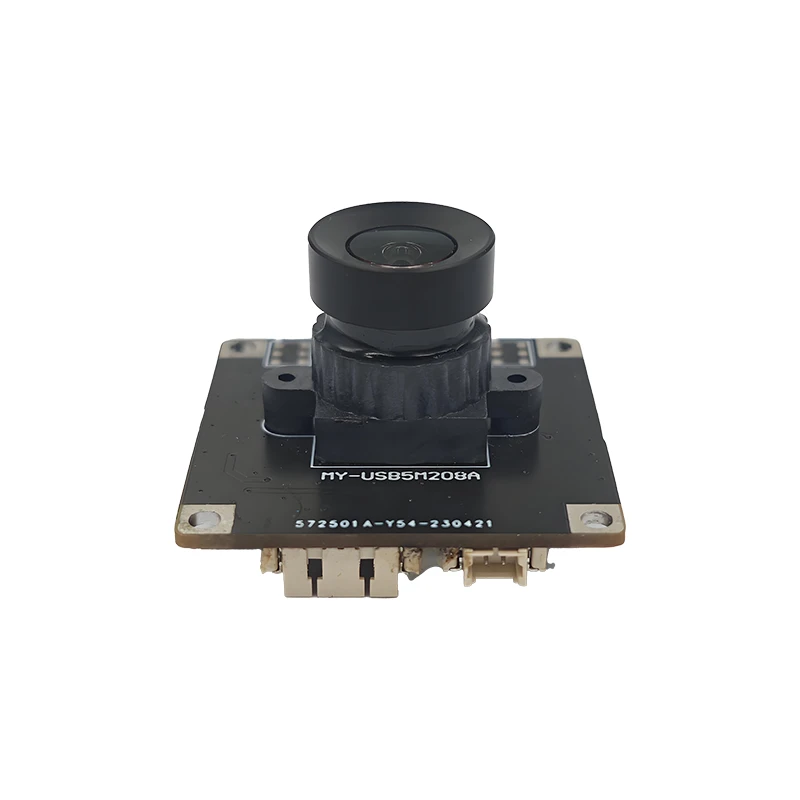
-
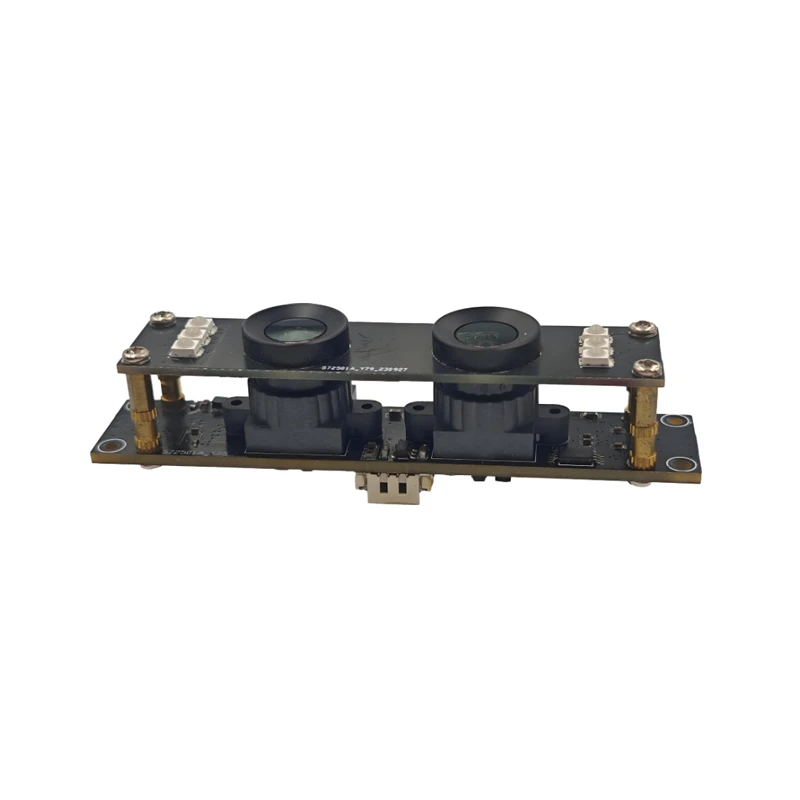
MY-DC52M-A1 Dual Lens Wide Dynamic Range Usb2.0 Camera Module With HD Video 5mp+2mp
-
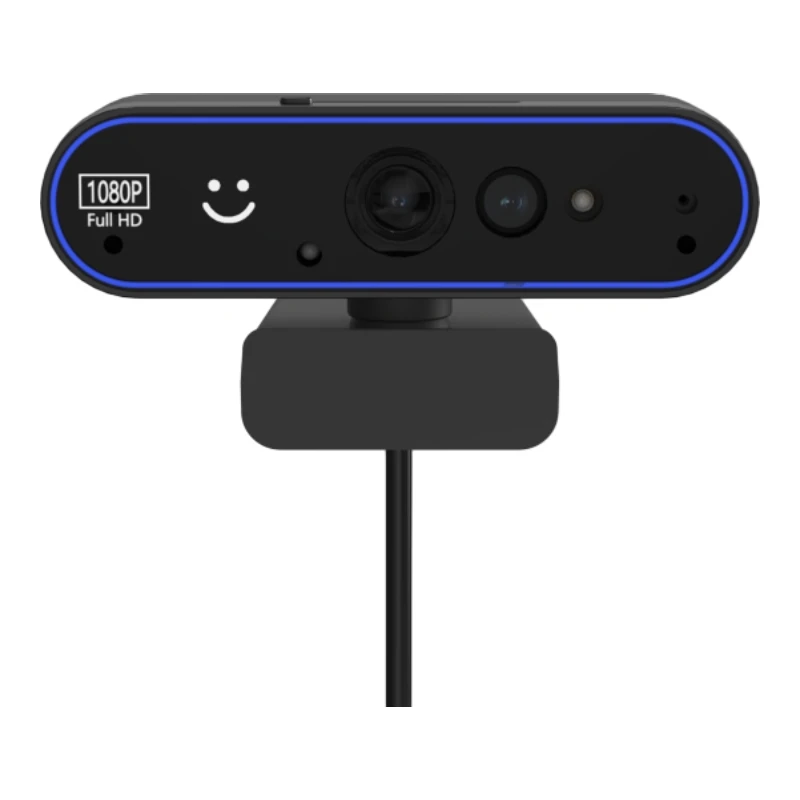
MY-WHC700 Windows Hello Face Recognition Binocular USB Camera
-
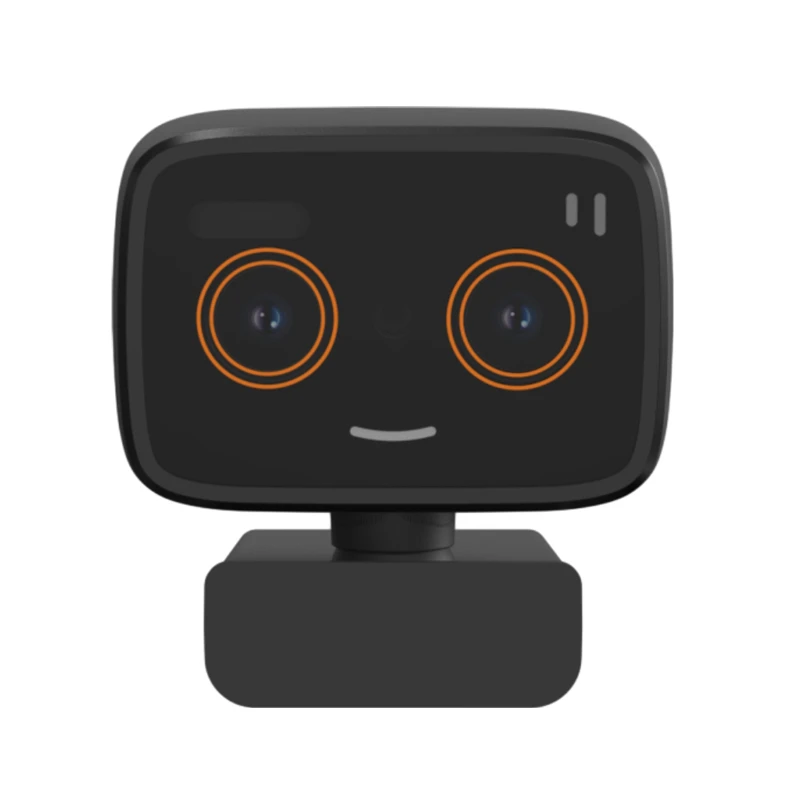
MY-DC-260-A1 Dual Lens Usb2.0 Web Camera With High-definition Video 2mp+2mp
-
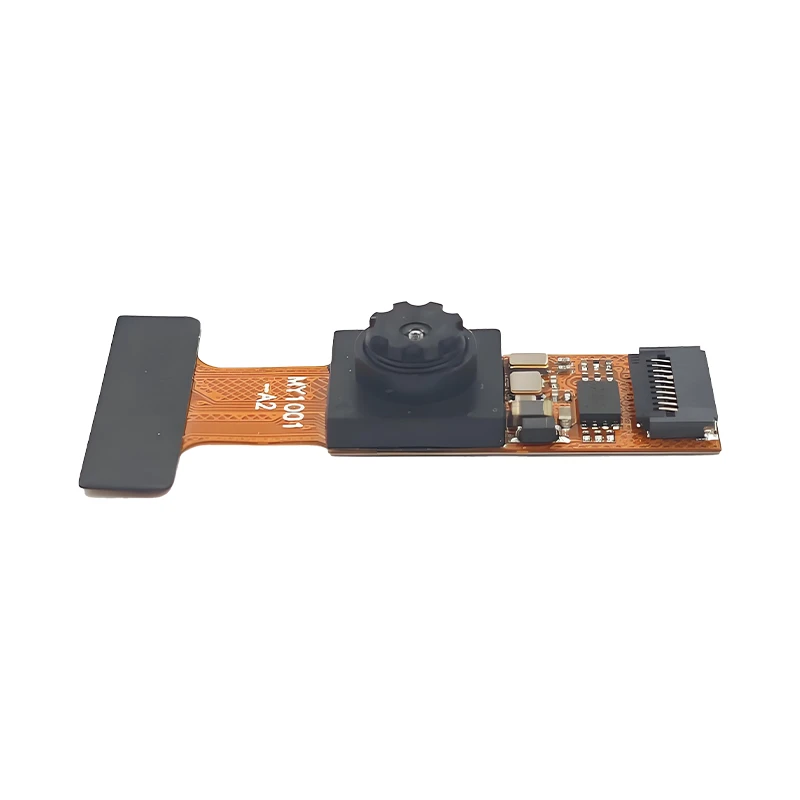
MY-1001-A2 AI Tracking, Gesture Recognition, Sitting Posture Detection Smart Camera Module
-
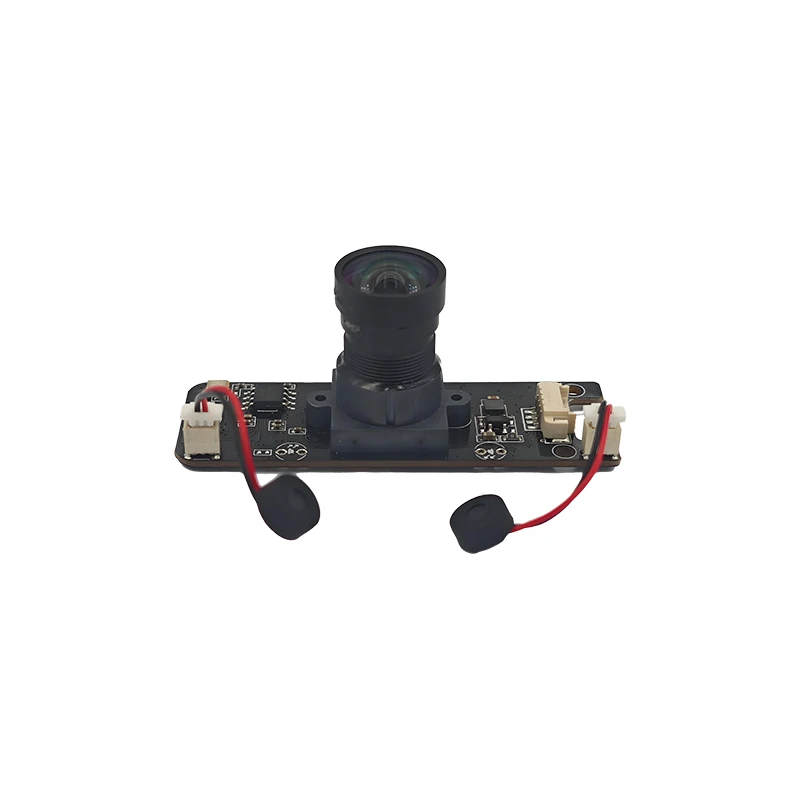
MY-USB8M158A 4K Resolution HD Video Driver-Free USB Camera Module With Microphone
