engaged in camera related products' R&D, design and production



You know, I've been running around construction sites for years, dealing with dust and blueprints, and honestly, the biggest thing I'm seeing lately is everyone chasing smaller, more integrated camera modules. Used to be, everything was bulky, separate lenses, sensors… Now? Everything wants to be crammed into one tiny package. It's a bit of a headache, to be honest.
And it's not just about size. Folks are pushing for higher resolution, better low-light performance, but they often forget the basics. Like, have you noticed how many designs just completely ignore thermal management? It looks great on paper, specs are through the roof, but stick it in direct sunlight and it chokes. I encountered that at a factory in Dongguan last time – engineer swore it was perfect, until it overheated after 10 minutes.
The pressure to miniaturize is relentless, though. It's driving innovation, sure, but also forcing compromises.


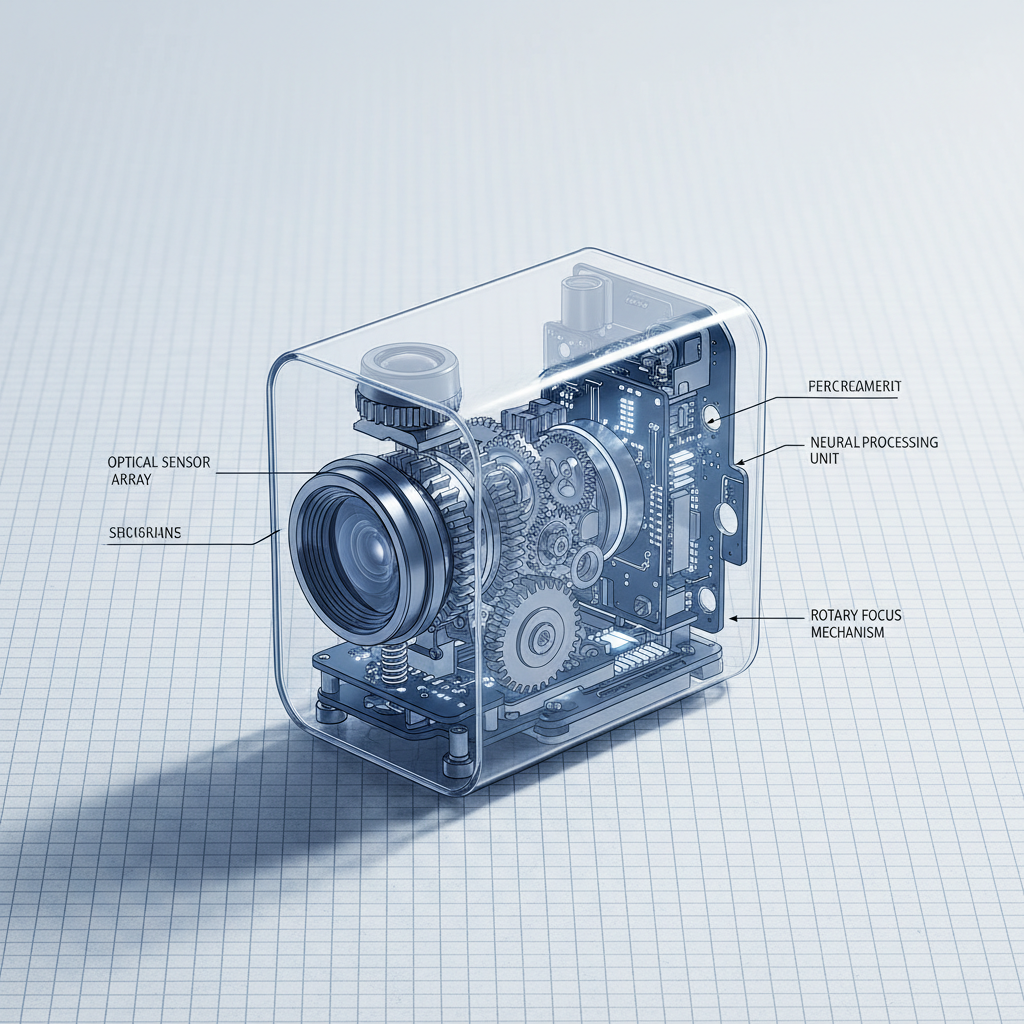
Honestly, the biggest trend is AI integration. Everyone wants modules that can handle image processing on-board. It’s great, less strain on the main processor, but it adds a layer of complexity that's… well, it's a headache. Strangely, a lot of these designs neglect basic vibration resistance. You put a high-speed processor in a tiny module, then bounce it around in a delivery truck, and surprise, surprise, it fails.
Another pitfall? Over-reliance on simulation. Labs are great, but they don't replicate the real world. Dust, humidity, temperature swings… It's a different beast out there.
Lead times vary, but generally, for a fully custom module – meaning a new lens, sensor configuration, and housing – you're looking at around 8-12 weeks. That's assuming we have the parts readily available. If it’s a simple tweak to an existing design, it can be as short as 4 weeks. The biggest bottleneck is usually the sensor procurement, honestly. Everything is supply chain dependent these days.
We provide datasheets, sample code, and basic integration guidance. We can also offer more in-depth support, including on-site assistance, but that comes at an additional cost. Look, we’re not software engineers, so we can’t debug your entire application, but we can help you get the module communicating correctly and optimized for your setup.
Most failures are due to thermal stress, vibration, or moisture ingress. The connectors are often the first point of failure. Also, careless handling during assembly can damage the sensors. We see a surprising number of modules that are fried because someone didn't follow ESD precautions. Static electricity is a sneaky killer.
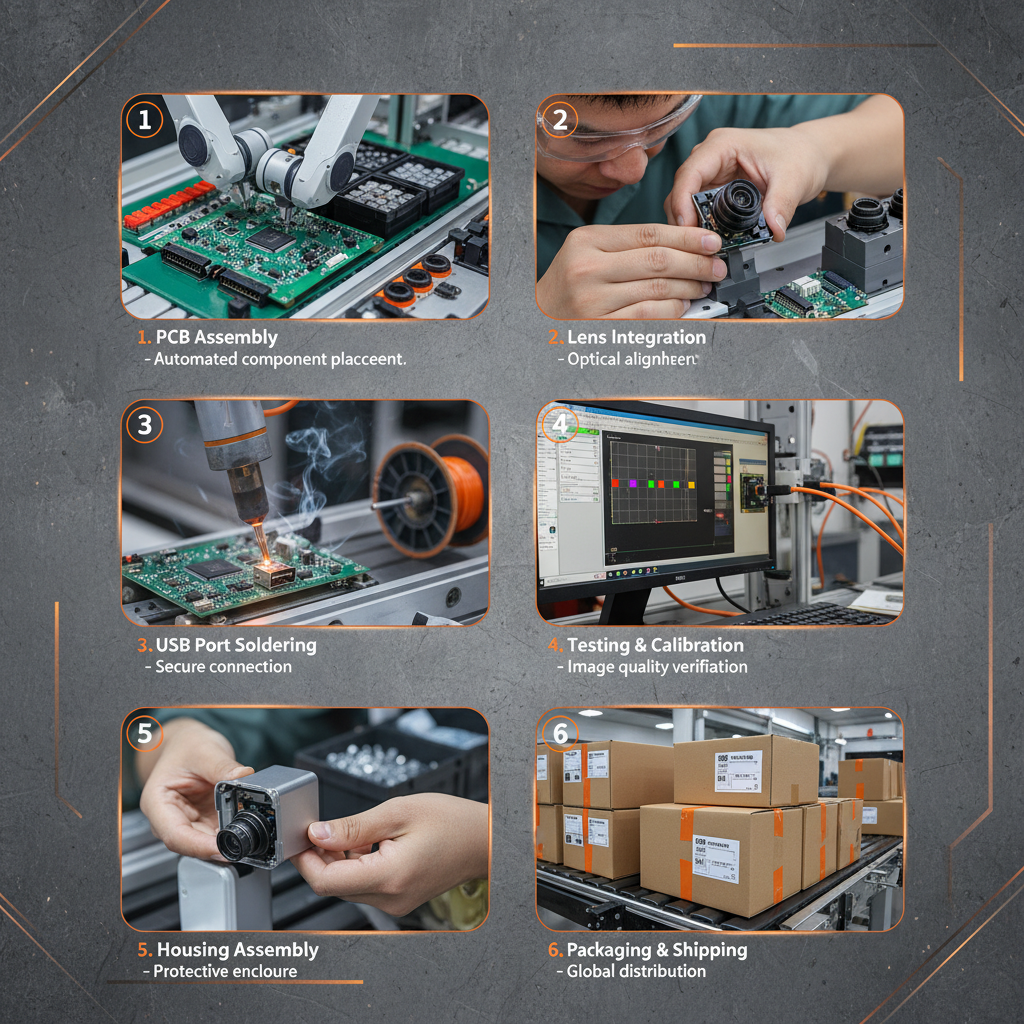
We have a multi-stage quality control process. First, incoming materials are inspected. Then, the modules are tested at various stages of assembly. Finally, we do a 100% functional test before shipping. It’s not foolproof, of course, but it catches most of the major issues. We also keep detailed records of every batch, so we can trace any problems back to their source.
Yes, we can. We offer a range of lens coatings, including anti-reflective, hydrophobic, and scratch-resistant coatings. The choice of coating depends on the application. For example, hydrophobic coatings are ideal for outdoor use, while anti-reflective coatings are better for indoor applications where glare is a concern.
We comply with all major environmental regulations, including RoHS and REACH. We can provide documentation to verify compliance. We also work with customers to meet specific certification requirements for their applications. It’s a pain, honestly, all the paperwork, but it’s necessary.
Ultimately, all the specs and fancy features don't matter if the camera module doesn't work reliably in the real world. It's about choosing the right materials, designing for robustness, and rigorously testing everything. It’s about understanding that a tiny camera module is more than just a collection of chips and glass.
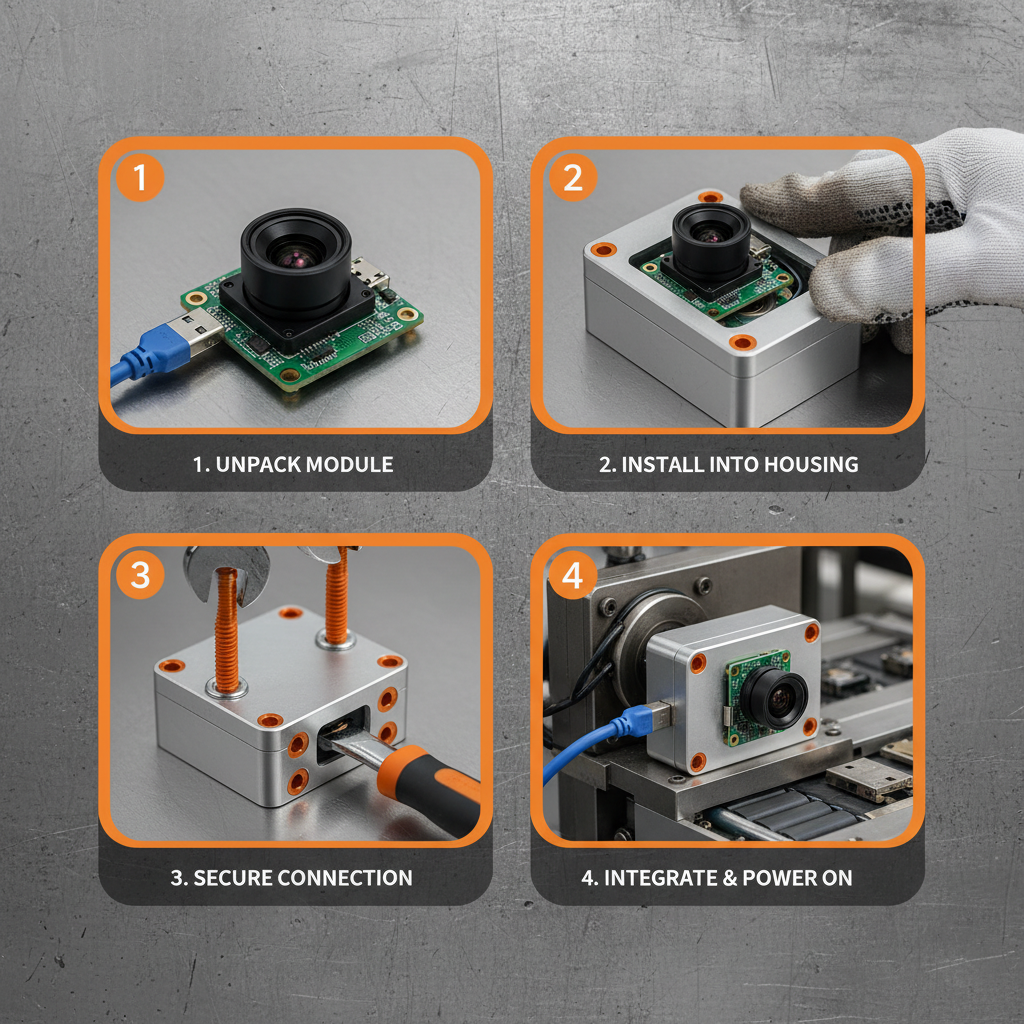
And honestly? Whether this thing works or not, the worker tightening the screws on the assembly line will know the moment he feels it in his hands. That’s the real test. If you’re looking for a camera module manufacturer that understands that, give us a shout.