


Nov . 18, 2025 23:00 Back to list
Dual Camera Module: Unlocking Next-Gen Imaging for Smart Tech & Industry
Dual Camera Module: What It Is and Why It Matters Globally
In today’s tech-driven world, the dual camera module isn’t just a nifty smartphone feature, but a pivotal piece shaping industries from security to automotive. With the surge of digital transformation worldwide, understanding these modules helps us grasp how imaging tech improves everything — from disaster relief to everyday connectivity. It’s fascinating how something so small can have such far-reaching benefits: better image quality, multi-functionality, and smarter AI integration.
Why should we care on a global scale? As the United Nations pushes for smarter, sustainable technology under its 2030 Agenda, dual camera modules are quietly enabling smarter systems that support safer cities, improved healthcare imaging, and even environmental monitoring. Simply put: they're vital building blocks toward a more connected, efficient future.
The Global Context: How Dual Camera Modules Fit into Today’s Tech Landscape
Consider this: according to the International Organization for Standardization (ISO), the worldwide camera module market has been growing by roughly 8% year-over-year. That’s partly due to the rising demand for dual and multi-camera setups in smartphones, drones, and vehicles. The World Bank reports that smart city initiatives, which incorporate enhanced video surveillance systems equipped with dual-camera tech, are expanding in Asia, North America, and Europe. Yet, challenges remain — such as balancing cost and performance in emerging markets, or ensuring durability in harsh environments.
In response, dual camera modules address these challenges by combining functionalities like depth sensing and zoom within a compact form factor. For instance, the automotive sector uses them to support advanced driver-assistance systems (ADAS), contributing significantly to road safety worldwide.
Understanding the Dual Camera Module: A Simple Explanation
At its core, a dual camera module consists of two separate lenses/sensors aligned in a compact unit to capture images from slightly different perspectives. This enables capabilities like depth perception, improved image quality in low light, and optical zoom — all within devices small enough to fit in your hand or on a machine.
It’s like having two eyes working together for depth and clarity — except one is often optimized for color and the other for detail or distance. This synergy makes these modules indispensable in fields ranging from mobile photography to robotics and even humanitarian aid where quick, precise imaging data can make all the difference.
Core Components of a Dual Camera Module
1. Optical Sensors
The heart of any dual camera module is its sensors. Usually, one sensor focuses on capturing high-resolution images (think primary camera), while the other handles secondary tasks such as depth or monochrome imaging. Advances in CMOS image sensors have notably improved performance and reduced power consumption.
2. Lens Systems
Lenses often vary within the module — one may be wide-angle for a broader scene, another telephoto for zoomed-in shots. In industrial uses, lenses are selected based on the required field of view and environmental conditions.
3. Image Signal Processor (ISP)
While the sensors grab raw data, the ISP processes that input into coherent, enhanced images. It blends images captured from both lenses for effects like bokeh or 3D mapping. The smarter the ISP, the better the final output.
4. Synchronization and Alignment Mechanism
It’s crucial that both cameras stay perfectly aligned for accurate image fusion. Manufacturers often use precise mechanical and software calibration to maintain this alignment throughout the module’s lifecycle.
5. Connectivity Interface
To plug into the device (smartphone, drone, or vehicle system), dual camera modules integrate with host platforms via MIPI or LVDS interfaces, facilitating fast data transfer for real-time image rendering.
Global Applications: Where Dual Camera Modules Shine
Off the top of my head, dual camera modules find use almost everywhere — quite literally.
- Smartphones and Consumer Electronics: The most visible application — enabling portrait modes, augmented reality, and superior zoom.
- Automotive Industry: Used in ADAS to provide 3D environmental sensing, lane detection, and pedestrian recognition.
- Security & Surveillance: Dual modules allow for richer scenes and better low-light performance in public spaces.
- Industrial Automation: Robotics and quality control systems use these modules for depth sensing and detailed inspection.
- Humanitarian Relief & Disaster Response: In post-disaster areas, drones equipped with dual camera modules provide detailed surveys, helping aid workers map damage and locate survivors.
Regions like Southeast Asia have witnessed accelerating adoption due to urbanization, while Western countries often push for innovation-driven applications. For emergency responders, integrating drones with dual camera modules has become standard practice in mapping and quick assessments.
Advantages & Long-Term Value of Dual Camera Modules
Picture this: a dual camera module isn’t just about fancy pictures. It’s a leap towards efficiency, sustainability, and safety.
- Cost Efficiency: Combining two cameras into one module lowers overall system costs versus separate camera setups.
- Enhanced Imaging Quality: Improved depth sensing and image clarity lead to better decision-making — whether it's a driver avoiding an obstacle or a city planner monitoring traffic flow.
- Durability & Reliability: Engineered to withstand vibration, temperature changes, and dust — critical for industrial and automotive environments.
- Social Impact: Supports safer vehicles, smarter cities, and improved healthcare diagnostics, enhancing quality of life.
- Innovation & Trust: Enables new tech frontiers such as AR, AI-driven analytics, or autonomous navigation — driving trust in intelligent systems.
On an emotional note, many engineers say it feels rewarding knowing their designs help protect lives — from safer roads to faster emergency responses. It’s not just tech; it’s impact.
Looking Ahead: Emerging Trends & Innovations
The future for dual camera modules is as colorful (and complex) as today's smartphones. Here are some movements to watch:
- Green Manufacturing: Using more eco-friendly materials and energy-efficient production aligns with global sustainability goals.
- AI Integration: Real-time image processing powered by AI will improve automatic scene detection, object classification, and anomaly spotting.
- Miniaturization & Scalability: Modules will shrink further, accommodating wearable devices or tiny drones without sacrificing performance.
- Advanced Materials: New lens materials offering better light transmission with less distortion.
- Automotive Safety Regulations: Stricter laws globally will push wider adoption and robustness of these modules in vehicles.
Challenges and Solutions in Dual Camera Module Deployment
Not everything is smooth sailing, though. Common issues include:
- Alignment Drift: Over time, camera alignment can shift, causing image fusion problems.
- Cost Constraints: For low-budget applications, balancing cost and quality is tricky.
- Environmental Resistance: Modules may fail in extreme conditions without proper sealing.
Solutions? Some vendors invest heavily in auto-calibration tech, protective coatings, and modular designs to simplify repairs. Also, scale manufacturing reduces costs — a win-win. Some say growing firmware flexibility allows older hardware to stay relevant longer, which feels like a smart way to balance innovation and sustainability.
Frequently Asked Questions About Dual Camera Module
- Q1: How do dual camera modules improve smartphone photography?
- A1: They allow devices to capture depth information, enabling portrait modes with blurred backgrounds, as well as achieving optical zoom without losing image sharpness. The synergy between two cameras also enhances low-light performance.
- Q2: Can dual camera modules be customized for industrial applications?
- A2: Absolutely. Vendors often offer customizable lens configurations and sensor types to match specific industrial needs like precision measurement, thermal imaging, or wide-angle scanning.
- Q3: Are dual camera modules energy efficient?
- A3: Recent advancements in CMOS sensors and ISPs have significantly reduced power usage, making them suitable even for battery-powered devices such as drones or wearables.
- Q4: What’s the typical lifespan of a dual camera module in vehicle systems?
- A4: With proper sealing and shock resistance, modules can reliably function for 5–7 years or more under standard automotive conditions, matching vehicle service intervals.
- Q5: How can I source quality dual camera modules internationally?
- A5: Working with established manufacturers who comply with ISO standards and offer after-sales support is key. Platforms like dual camera module suppliers provide detailed catalogs and testing certifications to ease import processes.
Product Specifications of a Typical Dual Camera Module
| Specification | Description |
|---|---|
| Sensor Type | CMOS, 12 MP (RGB) + 8 MP (Monochrome) |
| Lens Configuration | Wide-angle (85°) + Telephoto (45°) |
| Interface | MIPI CSI-2, 4-lane |
| Focus Type | Auto Focus with LED Assist |
| Dimensions | 12 mm x 8 mm x 5 mm |
| Operating Temp. | -20°C to +85°C |
Vendor Comparison: Leading Dual Camera Module Manufacturers
| Vendor | Specialization | Certifications | Custom Options | Average Lead Time |
|---|---|---|---|---|
| MYCCM Tech | Smartphone & industrial modules | ISO 9001, TS16949 | Lens, sensor, interface customization | 4–6 weeks |
| VisionPro Ltd. | Automotive ADAS and robotics | ISO 26262, IATF 16949 | Temperature-tolerant modules | 6–8 weeks |
| CamInnovate | Wearables and AR devices | ISO 13485, CE | Miniaturized lens options | 3–5 weeks |
Wrapping Up: Why the Dual Camera Module Matters More Than Ever
The dual camera module is more than just a technical innovation — it’s a gateway to smarter, safer, and more connected technologies. From smartphones in your pocket to drones surveying disaster zones, these compact wonders enable breakthroughs that improve lives in obvious and subtle ways. For anyone involved in product development or technology integration, understanding the nuances and advantages of dual camera modules opens doors to new possibilities.
If you’re curious to explore reliable options or dive deeper into the specs and customization, a good place to start is with trusted suppliers like dual camera module manufacturers who blend quality with flexibility.
Feel free to take a closer look — who knows what your next project needs until you see what these little giants offer?
-
Guide to Raspberry Pi Camera Module v3 with Powered Autofocus
NewsApr.16,2026
-
Guide to Using the raspberry pi camera module v1 3 for IoT Projects
NewsApr.09,2026
-
Exploring the Capabilities of the Raspberry Pi Camera Module 3 Noir for Diverse Applications
NewsApr.07,2026
-
Unlocking Visual Potential with the Raspberry Pi Camera Module 3 for Advanced Projects
NewsApr.04,2026
-
Raspberry Pi Noir Camera Module V2 8MP 1080p30 A Comprehensive Guide for Projects
NewsMar.31,2026
-
Comprehensive Guide to the Raspberry Pi 3 B+ Camera Module and Its Applications
NewsMar.28,2026
-
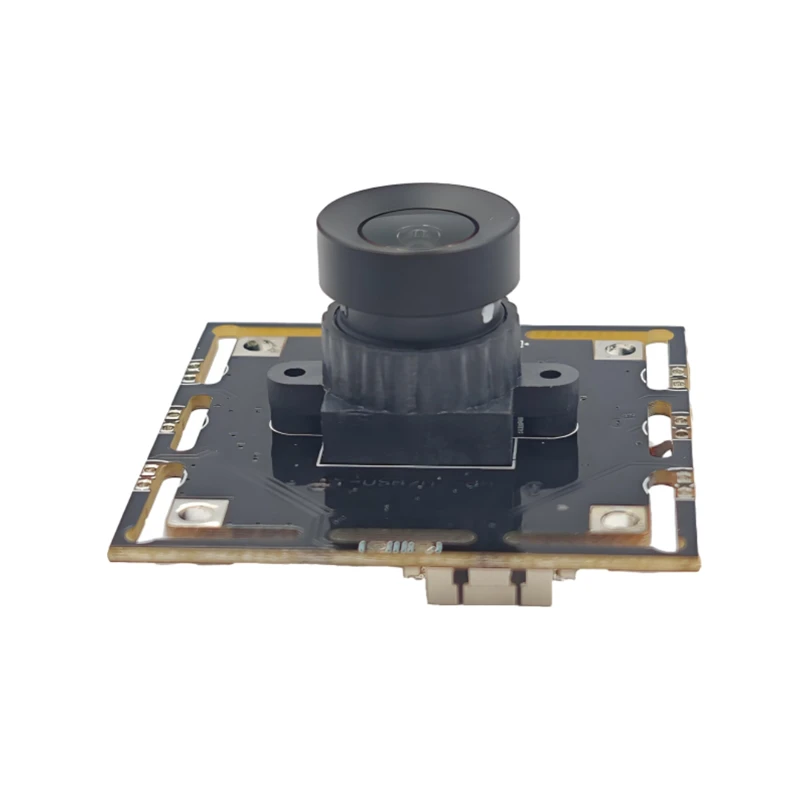
MY-USB1M818A Global Exposure Usb Camera Module With 1mp Hd Video
-
-
-
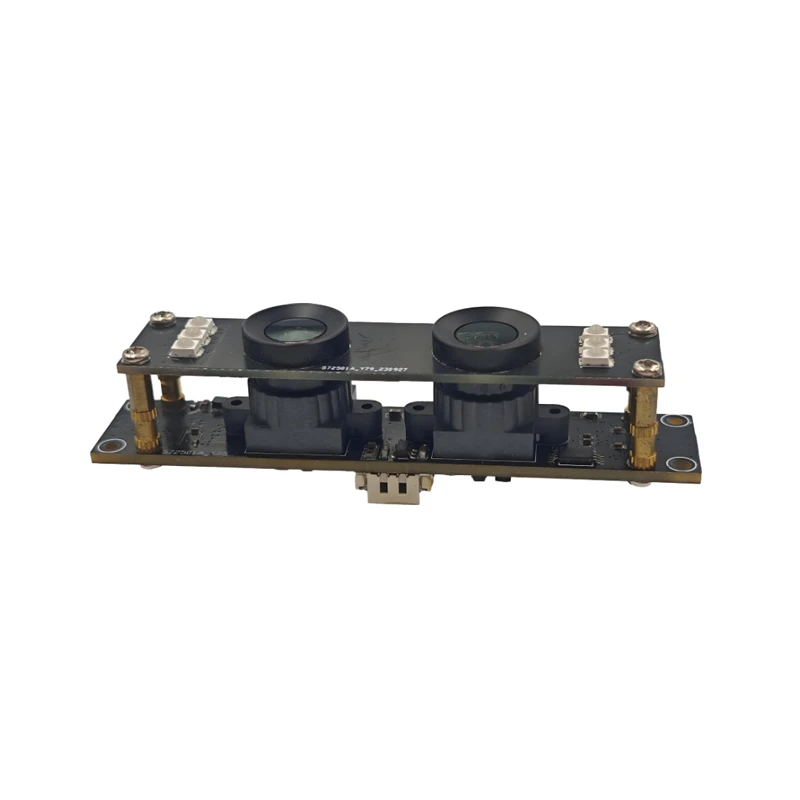
MY-DC52M-A1 Dual Lens Wide Dynamic Range Usb2.0 Camera Module With HD Video 5mp+2mp
-

MY-WHC700 Windows Hello Face Recognition Binocular USB Camera
-

MY-DC-260-A1 Dual Lens Usb2.0 Web Camera With High-definition Video 2mp+2mp
-
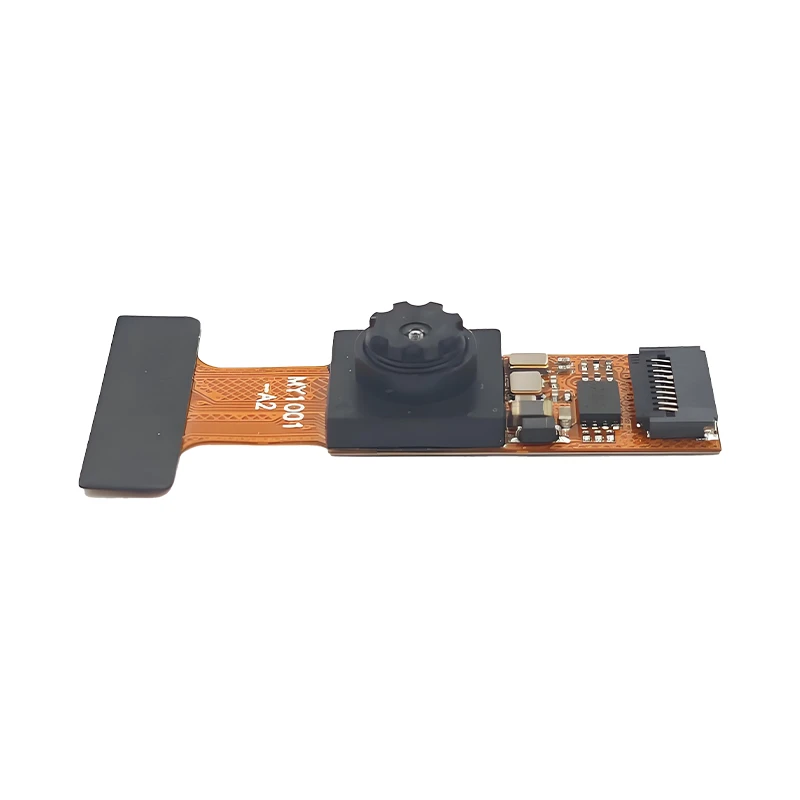
MY-1001-A2 AI Tracking, Gesture Recognition, Sitting Posture Detection Smart Camera Module
-
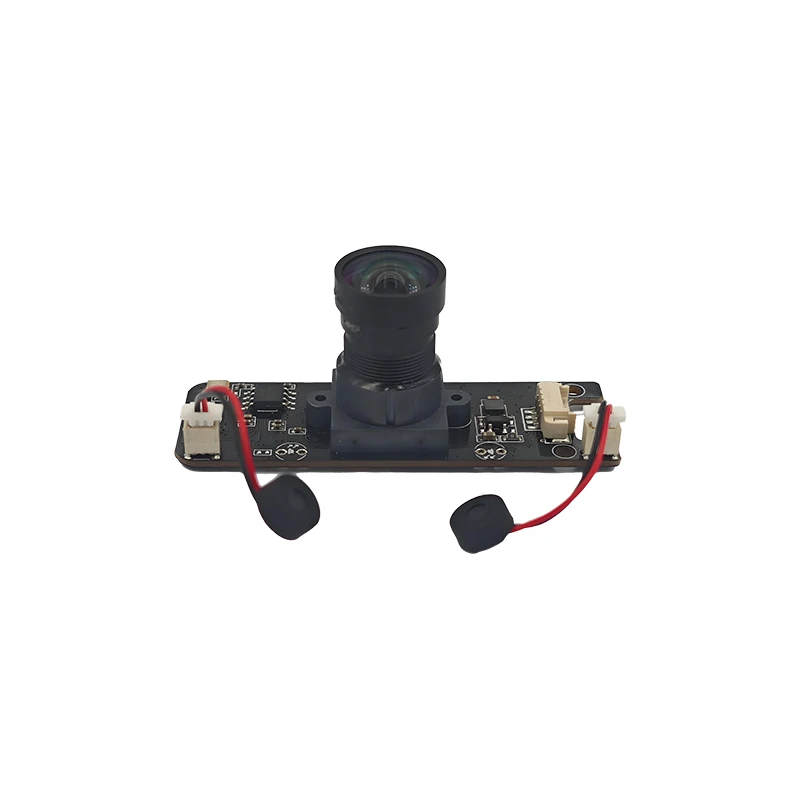
MY-USB8M158A 4K Resolution HD Video Driver-Free USB Camera Module With Microphone
