


Nov . 19, 2025 09:30 Back to list
Double Lens Camera: Versatile Imaging Tech for Industry & Beyond
The Double Lens Camera: A Global Game-Changer You Didn’t Know You Needed
Double lens cameras have steadily shifted from niche tech gadgets to essential tools across various industries worldwide. But why should the average person care? Well, these cameras bring sharper images, richer data, and versatile visual insights that impact everything from everyday photography to cutting-edge humanitarian aid. As the world becomes more interconnected—and visual data more critical—understanding what a double lens camera is, how it works, and where it matters most can open up some pretty exciting doors.
The Worldwide Relevance of Double Lens Cameras
Globally, the imaging technology market is booming, with a projected growth rate of nearly 10% per year according to ISO studies. The double lens camera, a significant player in this sphere, addresses crucial challenges such as low light performance, depth sensing, and multi-angle data capture.
Consider this: in 2023 alone, smartphone shipments featuring multiple camera lenses surpassed 1.3 billion units worldwide. From bustling urban regions in East Asia to remote conservation projects in Africa, these tech marvels have become indispensable.
One key problem they tackle is the limitation of single-lens cameras in capturing complex scenes—leading industries, researchers, and NGOs to adopt double lens solutions to enhance accuracy and reliability.
What Is a Double Lens Camera, Anyway?
Simply put, a double lens camera incorporates two separate lenses and image sensors working simultaneously. This isn't just for taking stylish portrait shots with blurred backgrounds (though that’s a popular use). The dual set-up enables features like depth mapping, wide-angle plus telephoto options, and improved low-light captures.
In industrial and humanitarian contexts, the ability to process stereo imagery can provide critical data for mapping terrain, monitoring structural integrity, or delivering real-time insights during disaster relief.
Mini Takeaway:
Double lens cameras combine two lenses to capture richer, more versatile images — a seemingly simple tech with powerful implications globally.
Core Components Driving Double Lens Camera Performance
1. Optical Quality
Good glass matters. The dual lenses often have different focal lengths or apertures, carefully engineered to complement each other—say, one wide-angle lens and one telephoto lens.
2. Image Sensors
Each lens pairs with a sensor that captures data. Higher resolution and sensitivity translate into more detailed images, especially in tough lighting.
3. Depth Sensing and Processing Algorithms
This is the secret sauce. Software stitches and analyzes inputs to produce 3D models or depth information critical for applications from augmented reality to robotics.
4. Compact Design
Manufacturers balance powerful features with form factor, ensuring the cameras can fit into devices as small as smartphones or drones.
5. Connectivity and Data Transfer
Rapid data sharing via Wi-Fi, Bluetooth, or proprietary connections is essential for live monitoring or remote control in field operations.
Mini Takeaway:
Double lens cameras rely on a synergy of optical hardware and smart software — all packed neatly into compact, versatile units.
Where in the World Double Lens Cameras Shine
From sleek smartphones in Tokyo to rugged drones surveying wildfires in California, double lens cameras have found diverse applications:
- Disaster Relief: Post-earthquake teams use stereo images to map damage for rescue planning.
- Agriculture: Farmers monitor crop health using drones equipped with double lens cameras for multi-spectral analysis.
- Security & Surveillance: Enhanced depth perception helps identify threats more reliably than traditional systems.
- Manufacturing Quality Control: Factories inspect parts via 3D imaging to spot defects.
Regions with challenging environments—like remote parts of Australia or post-conflict zones in the Middle East—benefit enormously from these cameras' adaptability.
Mini Takeaway:
The versatility of double lens cameras makes them essential in high-stakes fields, from agriculture to emergency management worldwide.
The Real Benefits: Why Invest in Double Lens Cameras?
- Cost Efficiency: Combining two lenses reduces the need for bulky, expensive equipment.
- Reliability: Enhanced depth perception leads to fewer errors in measurements and identifications.
- Sustainability: Drones and compact cameras consume less energy than traditional surveying gear.
- Social Impact: Enables faster, safer responses in disaster zones—potentially saving lives.
- Emotional Angle: Provides peace of mind through improved security and data accuracy.
Mini Takeaway:
Double lens cameras deliver both practical and emotional value—from dollars saved to lives protected.
Looking Ahead: Innovation on the Horizon
The future’s looking bright—quite literally—for double lens cameras. Expect advancements such as:
- Integration with AI to automatically interpret complex scenes.
- Use of eco-friendly materials and improved battery tech for greener devices.
- Better scalability for industrial and consumer markets.
- Enhanced wireless capabilities for seamless remote data transfer.
These trends echo broader digital transformation efforts, where smarter imaging plays a critical role in automation and sustainability initiatives.
Common Challenges and How Experts Tackle Them
It’s not perfect — issues like calibration drift, image lag, and higher initial costs crop up. But companies counter these by:
- Developing self-calibrating sensors.
- Leveraging cloud processing to speed up analysis.
- Offering modular upgrades to lengthen product lifespans.
Honestly, as technology matures, many of these hurdles become smaller hiccups rather than roadblocks.
Double Lens Camera FAQ
Q1: How does a double lens camera improve portrait photos?
A: Using one lens for the subject and another for depth, these cameras can blur backgrounds artfully, making portraits pop with professional quality.
Q2: Can double lens cameras work well in low light?
A: Yes! Different lenses may have wider apertures or specialized sensors that collectively enhance illumination and reduce noise.
Q3: Are double lens cameras more expensive than single-lens models?
A: Generally, yes due to added hardware and complexity, but the improved features often justify the investment, especially in professional use.
Q4: How can NGOs benefit from double lens cameras during field missions?
A: They provide reliable, rapid terrain mapping and damage evaluation, crucial for disaster response and resource allocation.
Summary & Next Steps
Double lens cameras may seem like just another tech upgrade, but in reality, they’re quietly reshaping how we see and interact with the world—be it through sharper photos or life-saving data in remote crisis zones. Their fusion of optical innovation, software intelligence, and practical design makes them invaluable across industries and continents.
Curious to explore double lens camera options? Check out double lens camera technologies and see how they can elevate your work or hobby. The future’s already in focus.
| Feature | Specification |
|---|---|
| Lens Setup | Wide-angle & Telephoto, 12MP + 12MP |
| Aperture | f/1.8 (wide), f/2.4 (telephoto) |
| Depth Sensing | Stereo matching with AI enhancement |
| Connectivity | Wi-Fi 6, Bluetooth 5.2 |
| Battery Life | Up to 8 hours continuous use |
| Weight | Approx. 180g |
| Vendor | Price Range | Special Features | Ideal Use Case |
|---|---|---|---|
| OptiVision Inc. | $400 - $700 | AI-powered depth mapping, rugged build | Industrial & Outdoor Surveying |
| CamTwin Tech | $300 - $600 | Compact, smartphone integration | Consumer & Mobile Photography |
| FieldEye Solutions | $500 - $800 | High-res imaging, cloud sync | Disaster Relief & Security |
References
-
Guide to Raspberry Pi Camera Module v3 with Powered Autofocus
NewsApr.16,2026
-
Guide to Using the raspberry pi camera module v1 3 for IoT Projects
NewsApr.09,2026
-
Exploring the Capabilities of the Raspberry Pi Camera Module 3 Noir for Diverse Applications
NewsApr.07,2026
-
Unlocking Visual Potential with the Raspberry Pi Camera Module 3 for Advanced Projects
NewsApr.04,2026
-
Raspberry Pi Noir Camera Module V2 8MP 1080p30 A Comprehensive Guide for Projects
NewsMar.31,2026
-
Comprehensive Guide to the Raspberry Pi 3 B+ Camera Module and Its Applications
NewsMar.28,2026
-
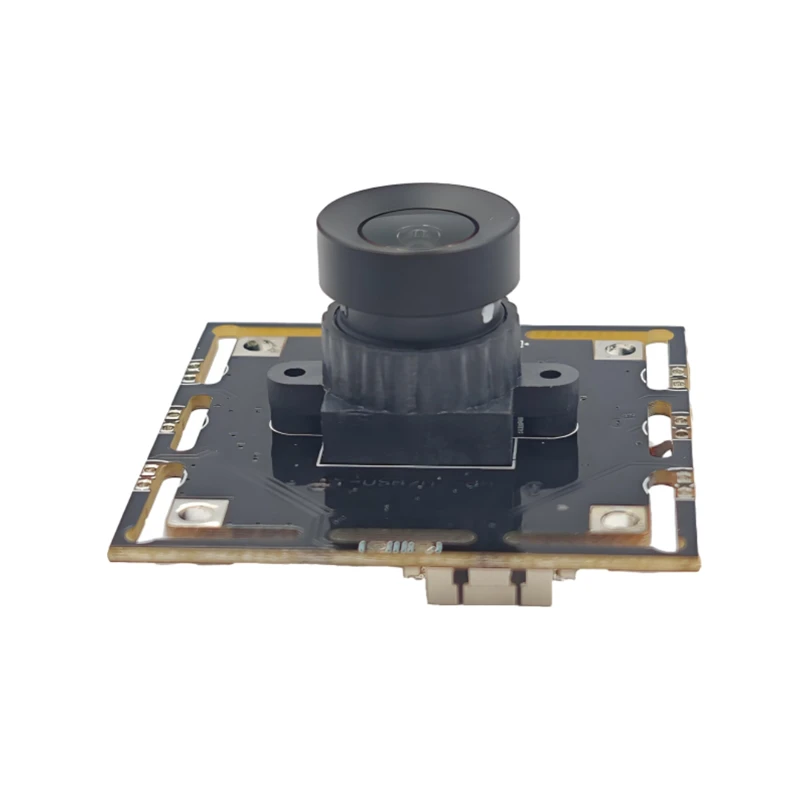
MY-USB1M818A Global Exposure Usb Camera Module With 1mp Hd Video
-
-
-
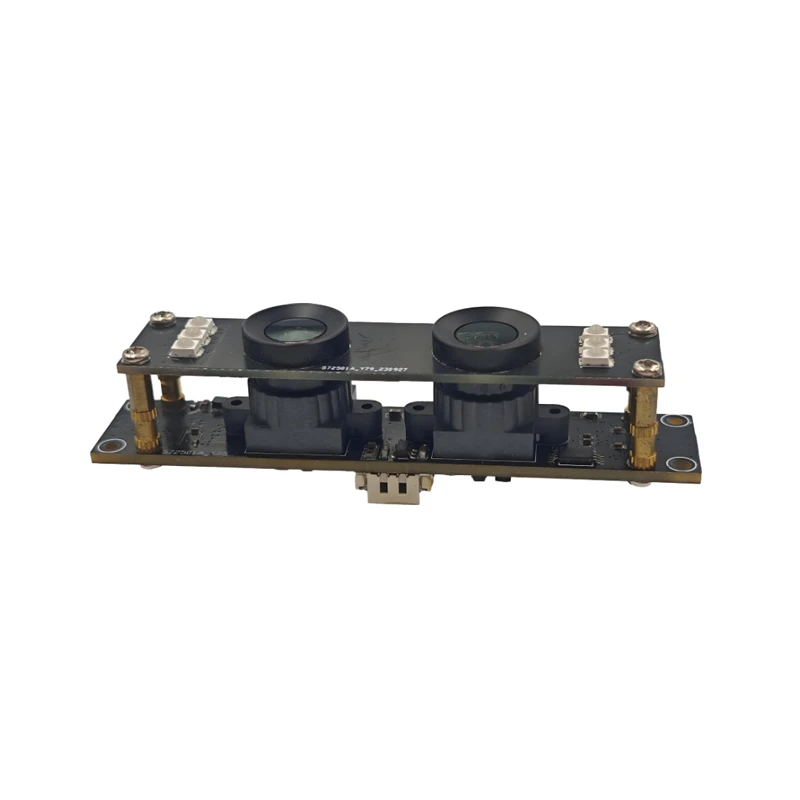
MY-DC52M-A1 Dual Lens Wide Dynamic Range Usb2.0 Camera Module With HD Video 5mp+2mp
-

MY-WHC700 Windows Hello Face Recognition Binocular USB Camera
-

MY-DC-260-A1 Dual Lens Usb2.0 Web Camera With High-definition Video 2mp+2mp
-
MY-1001-A2 AI Tracking, Gesture Recognition, Sitting Posture Detection Smart Camera Module
-
MY-USB8M158A 4K Resolution HD Video Driver-Free USB Camera Module With Microphone
