

Jan . 25, 2026 01:50 Back to list
High-Performance Camera Modules for Industrial Applications
Why You Need to Buy Camera Modules – A B2B Deep Dive
Okay, let’s talk camera modules. It seems simple enough, right? But the demands on these little components – especially in industrial applications – are anything but. We’re not talking about snapping vacation photos; we’re talking about quality control, robotics, machine vision, and frankly, applications where failure isn’t an option. Buy Camera Module from the right supplier can be the difference between a smooth operation and a costly shutdown. It’s a surprisingly critical area, and I suppose, often overlooked until something goes wrong.
Table of Contents
- Buy Camera Module Overview
- Benefits & Use Cases of Buy Camera Module
- Cost, Maintenance & User Experience
- Sustainability & Market Trends
Buy Camera Module Overview
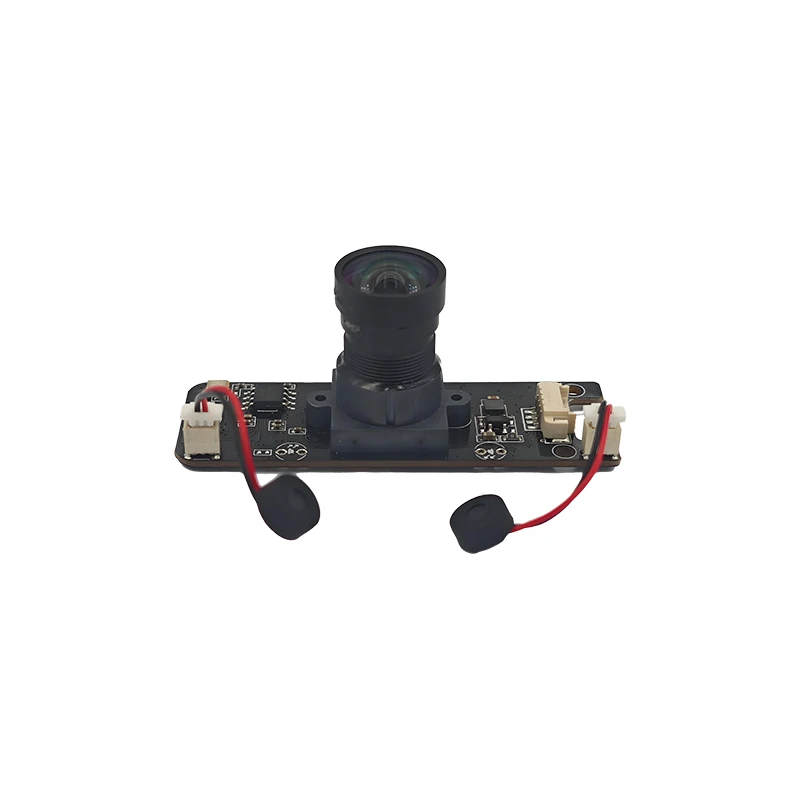
Essentially, a camera module is a complete camera system, miniaturized and pre-assembled. It includes the image sensor (CMOS, usually), a lens, and the necessary processing circuitry. The crucial thing, and where you see huge variation, is in the quality of each component, and the integration. Cheaper modules often skimp on the lens, leading to distorted images, or use sensors with poor low-light performance. I’ve seen it time and time again. Szmyccm focuses on high-resolution sensors and precision optics… it’s a bit of a detail obsession, honestly. Here’s a quick spec breakdown:
| Specification | Value | Notes |
|---|---|---|
| Sensor Type | CMOS | Various resolutions available |
| Resolution | 2MP – 48MP | Customizable |
| Lens Field of View | 60° - 120° | Dependent on lens selection |
| Interface | MIPI, USB | Flexible connectivity |
Benefits & Use Cases of Buy Camera Module
Where do you even start? Think automated inspection in manufacturing – spotting defects that a human eye would miss. Robotics, obviously, for navigation and object recognition. Agricultural monitoring, tracking crop health. Medical imaging… the list goes on. Many engineers I’ve spoken with really value the compact size, which lets them integrate these modules into tight spaces. And oddly enough, the ability to customize parameters like exposure and frame rate is huge. We recently worked with a conveyor system company, and they were able to drastically improve their quality control process by incorporating these modules; the return on investment was, well, substantial.
| Vendor | Price Range | Customization | Support |
|---|---|---|---|
| Szmyccm | $10 - $100+ | High | Excellent |
| Vendor A | $8 - $80 | Limited | Average |
| Vendor B | $12 - $120 | Medium | Good |
Cost, Maintenance & User Experience
The initial cost is obviously a factor, but I always tell people to look at the total cost of ownership. A cheap module that fails frequently, or requires constant recalibration, is a false economy. Szmyccm modules are built to last, with robust housings and components. Maintenance is generally minimal – mostly just keeping the lens clean. User experience… well, that’s where good documentation and support come in. And from what I’ve heard, they do a pretty solid job on both fronts. It feels like they understand the needs of engineers, which is surprisingly rare.
Sustainability & Market Trends
There's a growing push for more sustainable manufacturing, and that extends to components like camera modules. RoHS compliance is a must, of course, and increasingly, companies are looking at the entire lifecycle of a product. The market is expanding rapidly, driven by advancements in AI and machine learning – you know, everything needs to “see” now. And I suppose, this trend isn't slowing down anytime soon.
Frequently Asked Questions about Buy Camera Module
- What is Buy Camera Module and how does it work?
- A Buy Camera Module is a pre-assembled camera system, including a sensor, lens, and processing circuitry, designed for easy integration into various industrial applications. It captures images and transmits data for analysis and control.
- What are the main benefits of using Buy Camera Module in industrial applications?
- Key benefits include improved accuracy, reduced inspection times, increased automation, and enhanced quality control. They offer compact size, customization options, and reliable performance in harsh environments.
- How does Buy Camera Module compare to traditional alternatives?
- Compared to traditional cameras, Buy Camera Modules are typically more compact, easier to integrate, and offer specialized features for industrial use. They often provide better value in terms of performance and cost-effectiveness.
- What industries can benefit most from Buy Camera Module implementation?
- Industries benefiting significantly include manufacturing, robotics, agriculture, healthcare, automotive, and logistics. They are used for quality inspection, machine vision, process control, and security applications.
Conclusion on Buy Camera Module from china
Ultimately, selecting the right camera module is a strategic decision. Don't just focus on the price tag – consider the long-term value, reliability, and support. It’s a component that can genuinely improve your bottom line. Visit our website: https://www.szmyccm.com
- Investing in quality imaging pays off.
-
Guide to Raspberry Pi Camera Module v3 with Powered Autofocus
NewsApr.16,2026
-
Guide to Using the raspberry pi camera module v1 3 for IoT Projects
NewsApr.09,2026
-
Exploring the Capabilities of the Raspberry Pi Camera Module 3 Noir for Diverse Applications
NewsApr.07,2026
-
Unlocking Visual Potential with the Raspberry Pi Camera Module 3 for Advanced Projects
NewsApr.04,2026
-
Raspberry Pi Noir Camera Module V2 8MP 1080p30 A Comprehensive Guide for Projects
NewsMar.31,2026
-
Comprehensive Guide to the Raspberry Pi 3 B+ Camera Module and Its Applications
NewsMar.28,2026
-
MY-USB1M818A Global Exposure Usb Camera Module With 1mp Hd Video
-
-
-
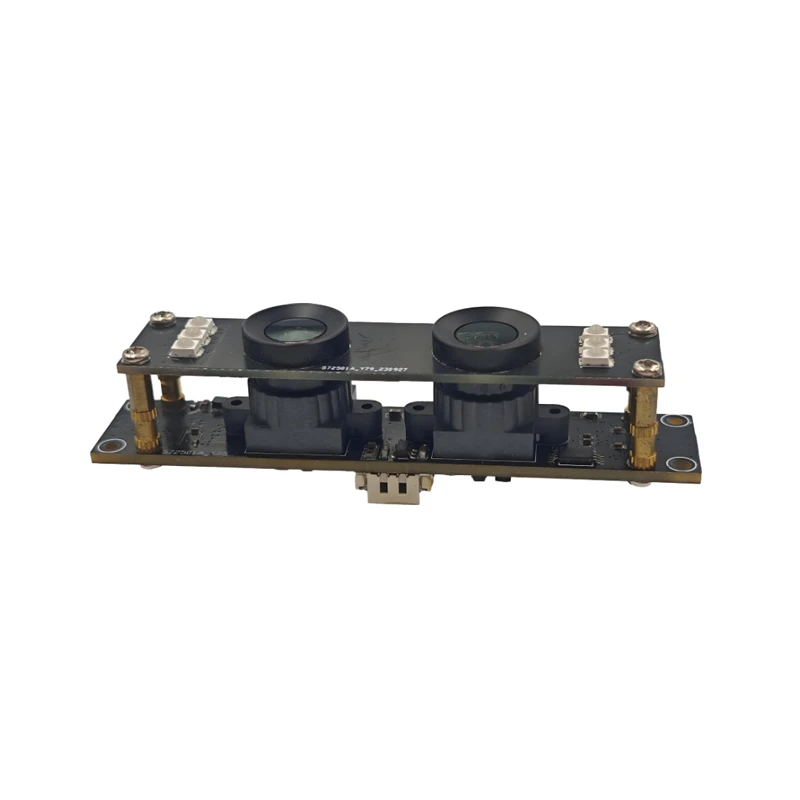
MY-DC52M-A1 Dual Lens Wide Dynamic Range Usb2.0 Camera Module With HD Video 5mp+2mp
-
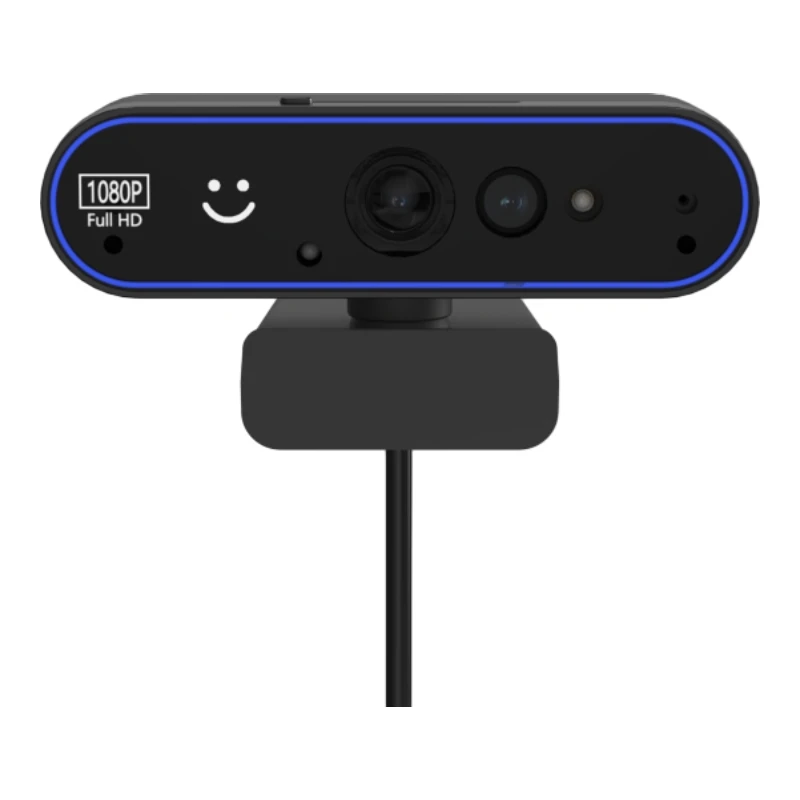
MY-WHC700 Windows Hello Face Recognition Binocular USB Camera
-
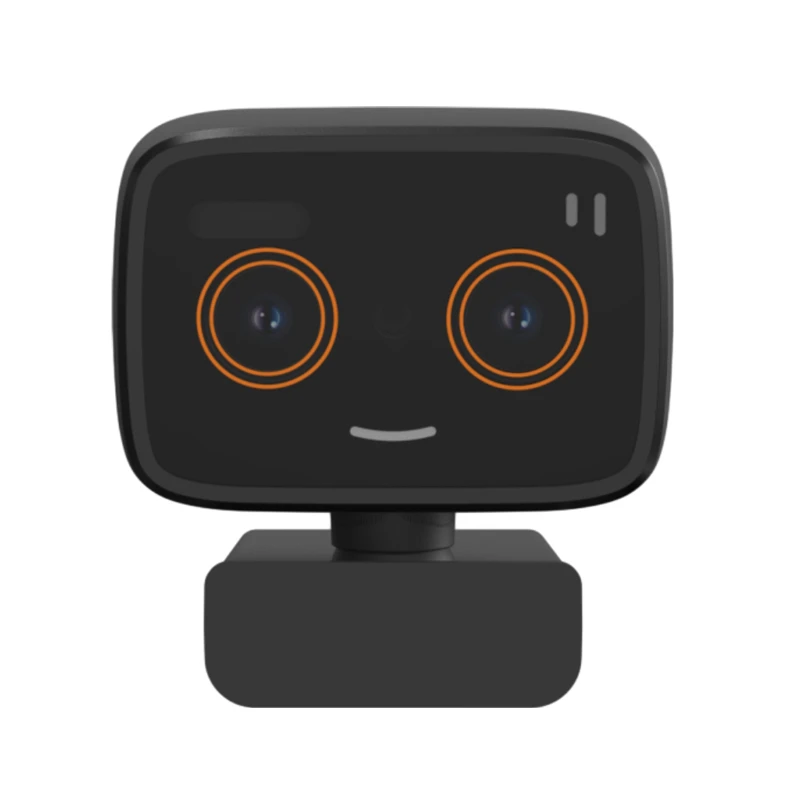
MY-DC-260-A1 Dual Lens Usb2.0 Web Camera With High-definition Video 2mp+2mp
-
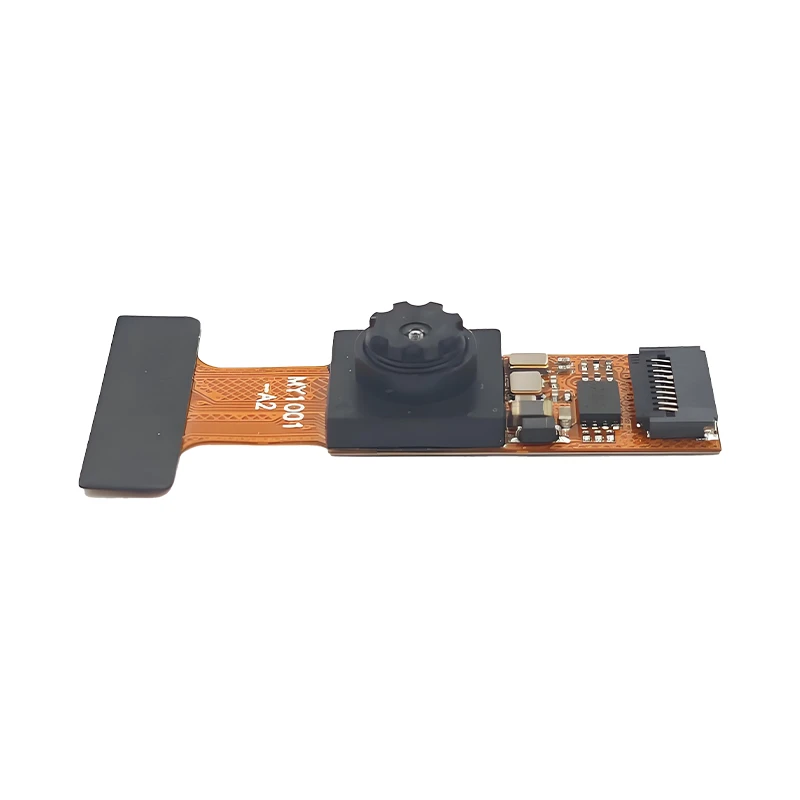
MY-1001-A2 AI Tracking, Gesture Recognition, Sitting Posture Detection Smart Camera Module
-
MY-USB8M158A 4K Resolution HD Video Driver-Free USB Camera Module With Microphone
