


Jan . 07, 2026 04:15 Back to list
Notebook Camera Module Insights from an Industrial Veteran
Notebook Camera Module: A Veteran's Take on This Tiny Tech Marvel
Having spent a fair number of years embedded in the industrial equipment sector, especially dealing with integrated components, I’ve come to appreciate how something as seemingly modest as the notebook camera module can make or break the user experience. It's one of those unsung heroes — small, delicate, but utterly essential.
Let’s face it, these camera modules are often overlooked until they fail or underperform. Yet, the complexity behind them is fascinating. In real terms, this tiny sensor-lens combo is packed with precision-engineered optics, delicate wiring, and firmware tweaks. From my experience, the quality of the sensor and the stabilization technology inside these modules varies considerably depending on design and manufacturer. Oddly enough, some of the biggest differences might even be invisible at first glance — but they reveal themselves during intensive use or in poor lighting conditions.
Manufacturers have upped their game recently. I’ve noticed a shift towards higher resolution modules (think 2MP to 8MP), integrated noise reduction circuitry, and better low-light sensitivity, which frankly makes video calls and security functions much more reliable. It’s not just about megapixels; it’s about how well the module can handle real-world conditions — flicker, motion blur, and even security against spoofing.
| Specification | Typical Notebook Camera Module |
|---|---|
| Resolution | 2MP - 8MP |
| Lens Type | Fixed focus, glass or plastic lens |
| Interface | MIPI / USB 2.0 |
| Size | Approx. 8mm x 8mm x 5mm |
| Operating Voltage | 3.3V |
| Frame Rate | 30fps (1080p) |
Something I’ve always admired is the level of customization offered by vendors. In one project, a client needed a camera module with specifically tweaked firmware that optimized facial detection in low-light factory settings — pretty niche, but achievable with flexible ODM partners. It’s not just plug-and-play anymore; these modules often come with customizable drivers, lens options, and mounting mechanisms tailored to exact notebook models.
And then there’s testing — never underestimate the importance of rigorous quality control in this field. I recall a case where a supplier ran a comprehensive 72-hour burn-in test plus environmental stress screening to ensure performance stability under fluctuating temperature and humidity. Trust me, consistency here means fewer customer complaints down the line.
| Vendor | Customization | Quality Control | Typical Pricing |
|---|---|---|---|
| Vendor A (MyCCM) | High (firmware, lens, driver tweaks) | 72-hour burn-in, stress tests | $$$ |
| Vendor B | Moderate | 48-hour burn-in | $$ |
| Vendor C | Low (standard parts) | Basic QC | $ |
Funny enough, I remember a client who switched to a highly customized notebook camera module and noticed a sharp drop in customer returns related to camera faults. They said it felt like the camera suddenly "just worked," which frankly, is what all users expect but few mention until it’s gone wrong.
In the end, selecting the right notebook camera module boils down to balancing quality, customization, and price. And knowing what manufacturing standards vendors follow is critical — don’t just settle for the cheapest. For those of us who've been around, nothing beats a module that’s tested and tailored to the job. It’s these nuanced touches that keep notebooks reliable and users happy for longer.
For anyone diving into this space, keep an eye on sensor tech updates and integration flexibility. The industry moves fast, and the bar keeps rising.
So yes, a notebook camera module is small tech, but it’s a quintessential example of how intricate components quietly power our daily digital lives.
References:
- Industry reports on CMOS sensor trends, 2023
- Field experience with ODM camera manufacturers, 2017-2023
- Customer case studies from industrial notebook suppliers
-
Guide to Raspberry Pi Camera Module v3 with Powered Autofocus
NewsApr.16,2026
-
Guide to Using the raspberry pi camera module v1 3 for IoT Projects
NewsApr.09,2026
-
Exploring the Capabilities of the Raspberry Pi Camera Module 3 Noir for Diverse Applications
NewsApr.07,2026
-
Unlocking Visual Potential with the Raspberry Pi Camera Module 3 for Advanced Projects
NewsApr.04,2026
-
Raspberry Pi Noir Camera Module V2 8MP 1080p30 A Comprehensive Guide for Projects
NewsMar.31,2026
-
Comprehensive Guide to the Raspberry Pi 3 B+ Camera Module and Its Applications
NewsMar.28,2026
-
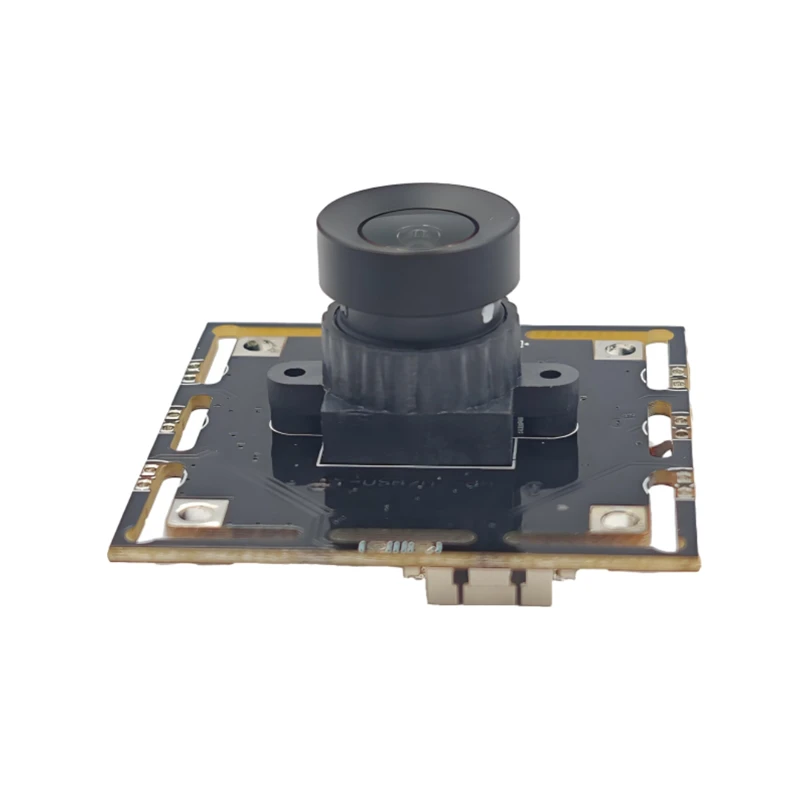
MY-USB1M818A Global Exposure Usb Camera Module With 1mp Hd Video
-
-
-
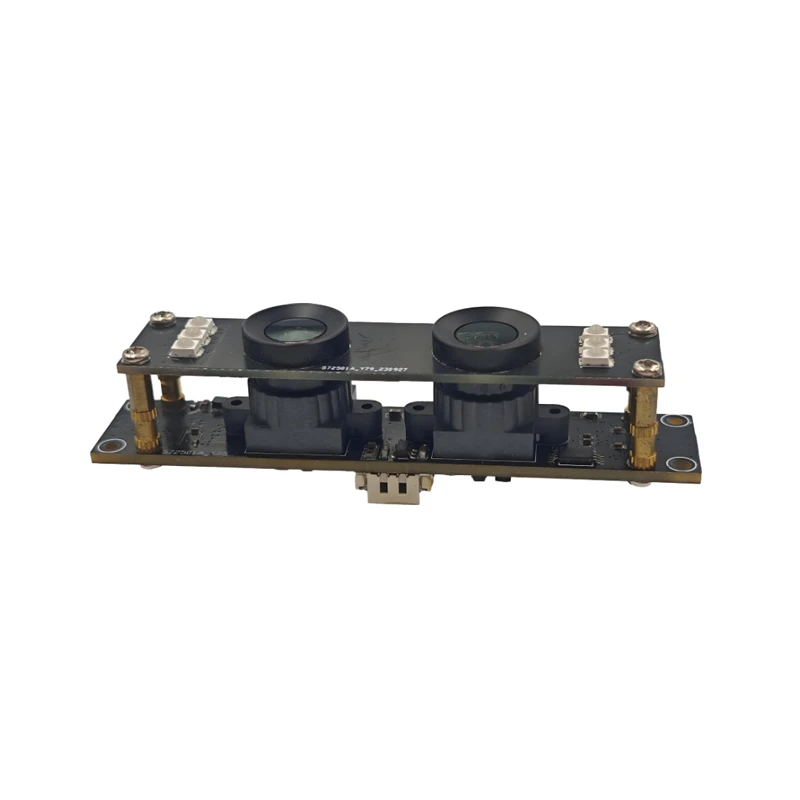
MY-DC52M-A1 Dual Lens Wide Dynamic Range Usb2.0 Camera Module With HD Video 5mp+2mp
-
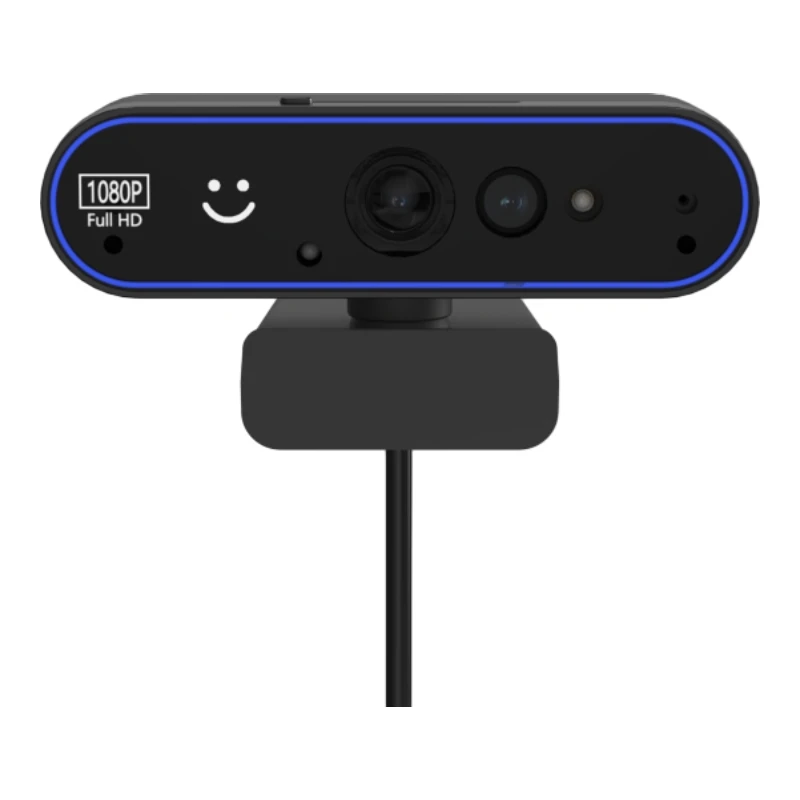
MY-WHC700 Windows Hello Face Recognition Binocular USB Camera
-
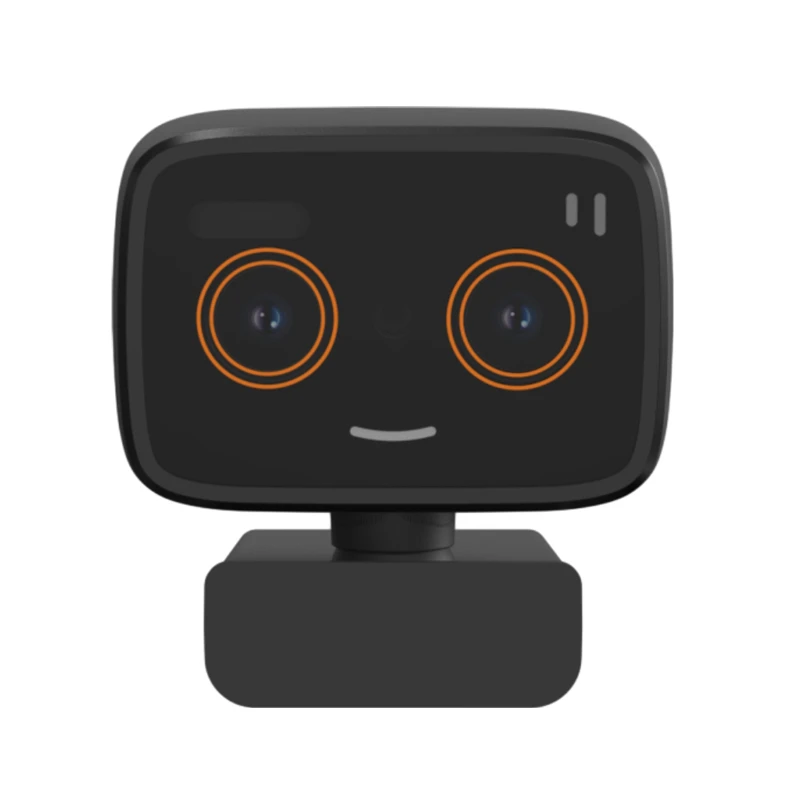
MY-DC-260-A1 Dual Lens Usb2.0 Web Camera With High-definition Video 2mp+2mp
-
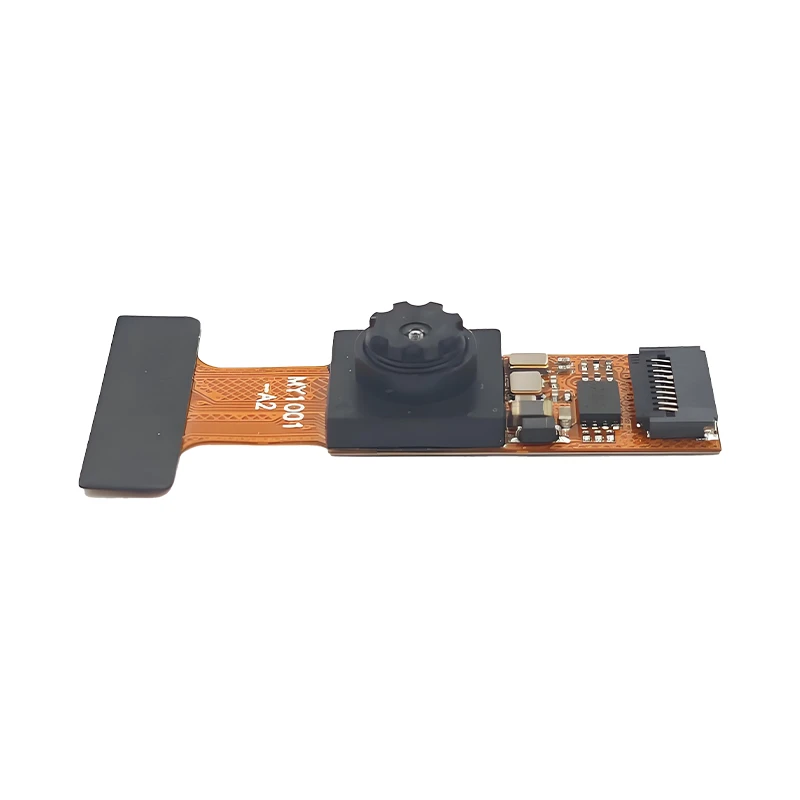
MY-1001-A2 AI Tracking, Gesture Recognition, Sitting Posture Detection Smart Camera Module
-
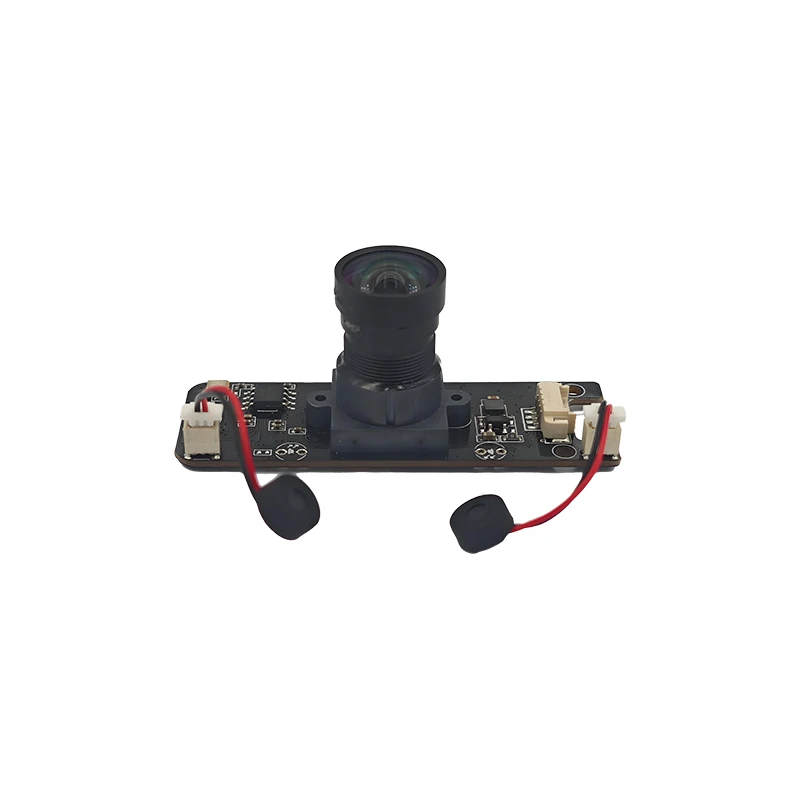
MY-USB8M158A 4K Resolution HD Video Driver-Free USB Camera Module With Microphone
