engaged in camera related products' R&D, design and production


Understanding the technical nuances of the raspberry pi camera module v1 3 is essential for anyone looking to integrate visual intelligence into their hardware. Its ability to interface seamlessly with the Raspberry Pi ecosystem allows for rapid prototyping, making it a staple in educational institutions and industrial R&D labs where cost-effectiveness and flexibility are paramount.
As the world shifts toward an era of ubiquitous sensing and the Internet of Things (IoT), the raspberry pi camera module v1 3 serves as a fundamental building block. It addresses the critical need for affordable, scalable imaging solutions that can be deployed in diverse environments, bridging the gap between professional-grade optics and consumer-level accessibility.
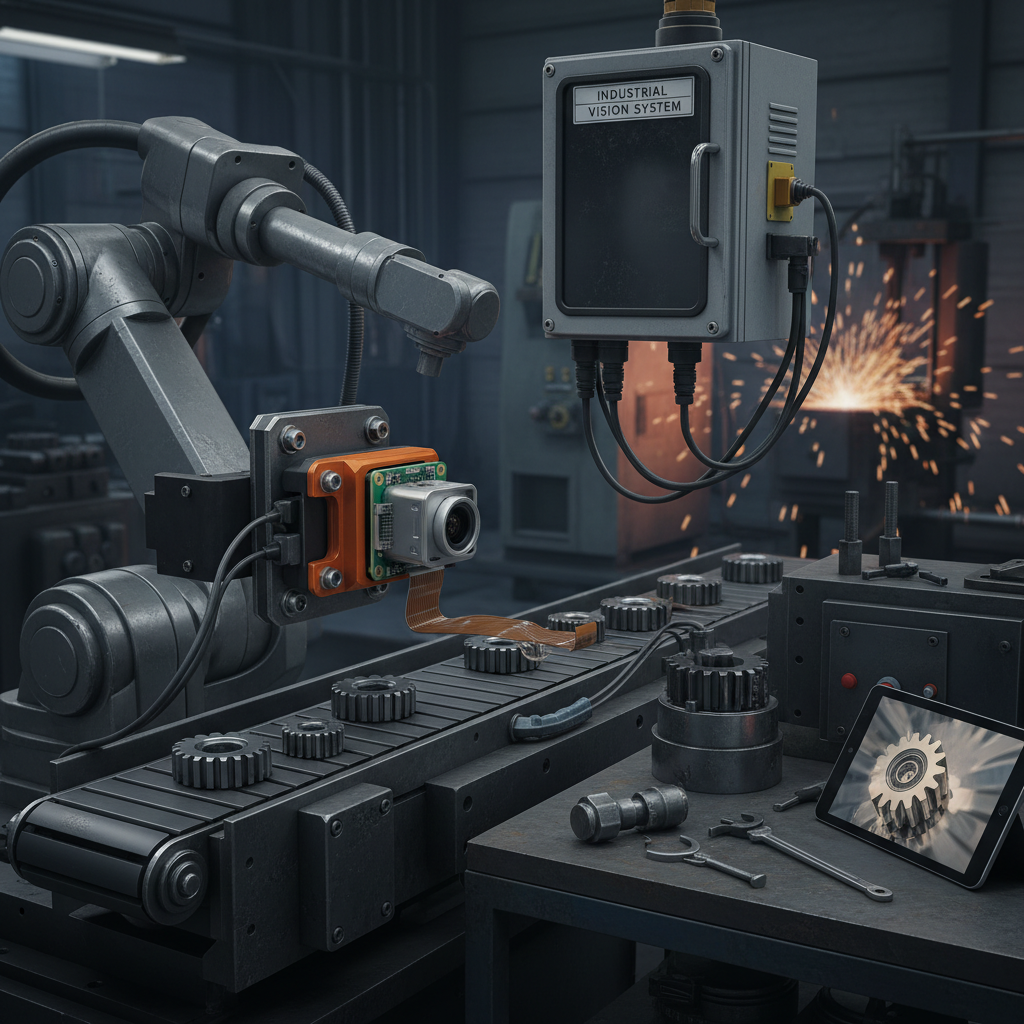
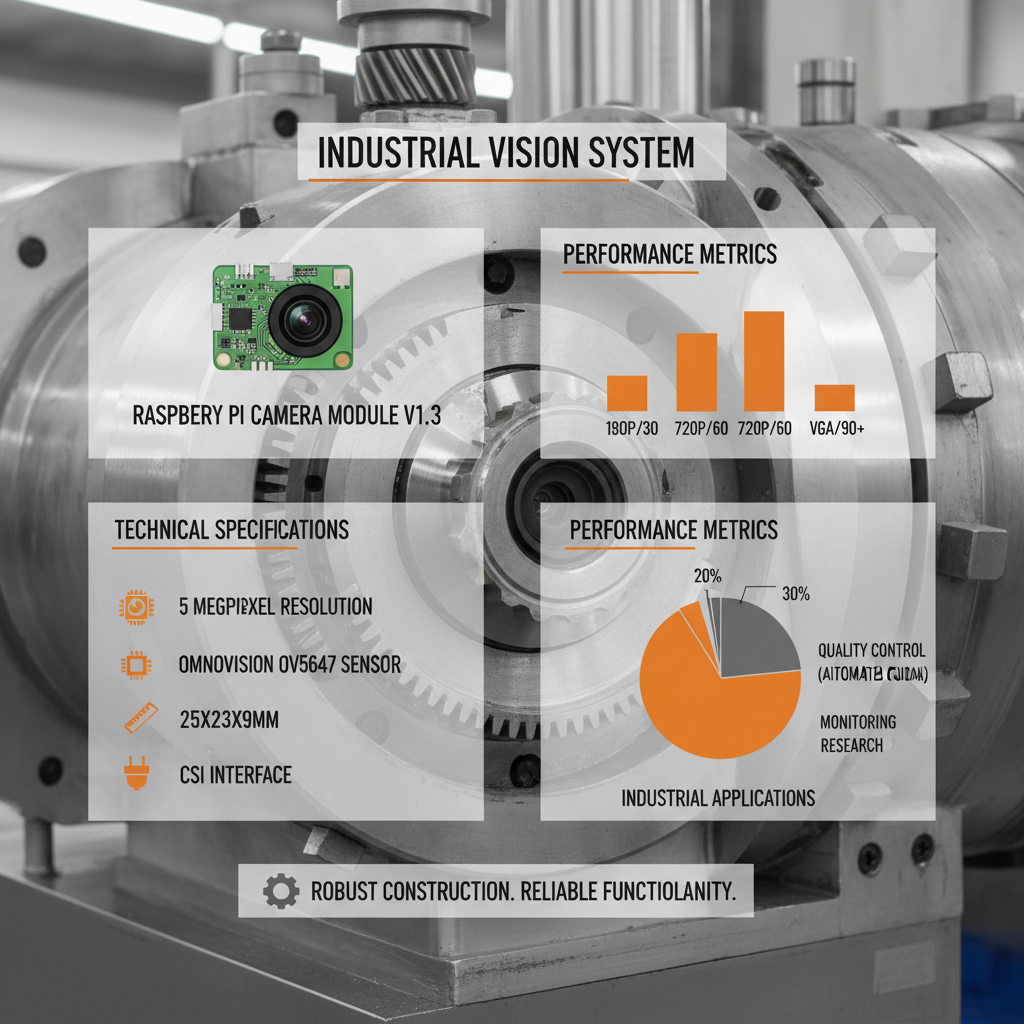
In the current landscape of global digital transformation, the raspberry pi camera module v1 3 plays a critical role in expanding the reach of edge computing. According to trends observed in the growth of the global IoT market, there is an increasing demand for low-cost visual sensors that can operate independently of heavy cloud infrastructure, allowing for real-time processing in remote locations.
This module addresses the challenge of "visual blindness" in low-budget automation. By providing a standardized interface and reliable image capture, it enables NGOs, researchers, and small-scale entrepreneurs in developing regions to implement sophisticated monitoring systems without the prohibitive costs associated with industrial-grade machine vision cameras.
The primary advantage is the CSI interface. Unlike USB webcams, the raspberry pi camera module v1 3 communicates directly with the GPU, which drastically reduces CPU load and latency. This makes it far superior for real-time applications like autonomous robotics or high-speed motion detection where every millisecond counts.
Yes, it is generally compatible with most Raspberry Pi boards that feature a CSI camera port. However, for smaller boards like the Pi Zero, you will need a specific adapter cable because the connector size on the board is smaller than the one found on the standard Model B boards.
The standard version is designed for visible light. To achieve night vision, you would need the "NoIR" (No Infrared filter) version of the module. When paired with an external IR LED light source, the NoIR version can "see" in total darkness by capturing infrared light reflected off objects.
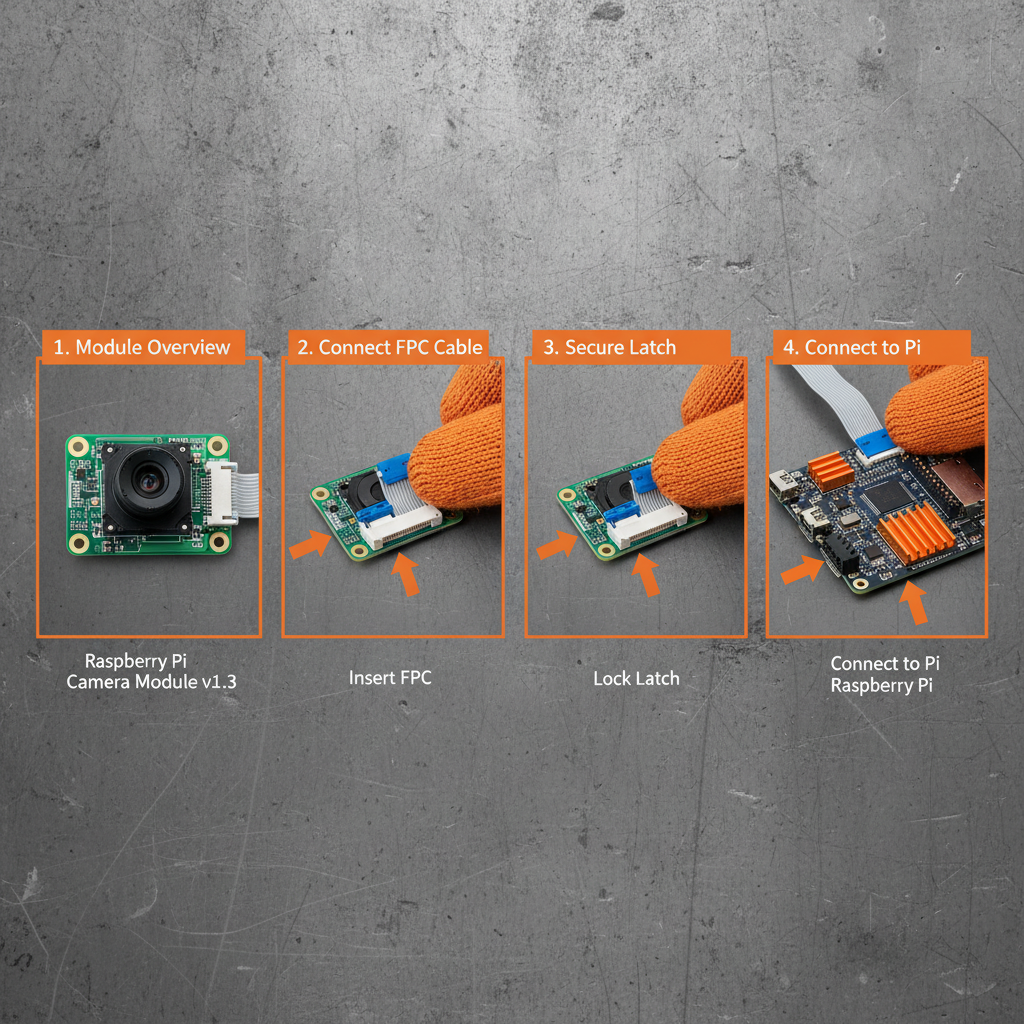
First, ensure the ribbon cable is inserted correctly with the blue side facing the locking tab. Second, verify that the camera interface is enabled in the 'raspi-config' settings. Finally, check that the cable isn't pinched or torn, as the FPC cables are delicate and prone to micro-fractures if bent too sharply.
The v1.3 module typically uses a fixed-focus lens. While you can manually adjust the focus by carefully rotating the lens housing (sometimes requiring a small plastic tool), it does not have an electronic autofocus mechanism. For projects requiring dynamic focus, you may need to explore the AF-specific camera modules.
Standard Raspberry Pi boards have only one CSI port. To use multiple cameras, you would need a specialized "Camera Multiplexer" board or a Compute Module (CM4) which provides multiple CSI lanes. Using a multiplexer allows you to switch between cameras, though not usually to capture simultaneous streams from all.
As we move toward a more automated and visually aware future, the integration of such modules will only increase. For developers and businesses, the key is to leverage this hardware not just as a camera, but as a data gateway for intelligence. We encourage you to explore the full potential of imaging integration by visiting our website: www.szmyccm.com.