The emergence of the raspberry pi camera module v3 represents a pivotal leap in the democratization of computer vision and embedded imaging. For developers, hobbyists, and industrial engineers, this module is not merely a hardware upgrade but a gateway to implementing sophisticated autofocus capabilities and high-resolution imaging in compact, low-power environments. By bridging the gap between professional optical equipment and accessible single-board computing, it enables the creation of smarter, more responsive visual systems.
Globally, the shift toward automation and the "Internet of Things" (IoT) has increased the demand for versatile imaging sensors that can operate autonomously. The raspberry pi camera module v3 addresses the critical need for precision focusing in variable environments, solving a long-standing pain point where fixed-focus lenses limited the utility of Pi-based cameras in macro photography or dynamic surveillance.
Understanding the technical nuances of the raspberry pi camera module v3 allows organizations to reduce R&D costs while increasing the reliability of their visual data collection. Whether it is used for environmental monitoring, AI-driven quality control, or educational robotics, the module provides a scalable foundation for innovation across the software and information technology service sectors.
Global Industry Context of Raspberry Pi Camera Module v3
In the current global landscape of electronic specialized equipment manufacturing, the integration of high-performance sensors into small-form-factor devices has become a priority. The raspberry pi camera module v3 arrives at a time when the ISO standards for image quality and the industry's push toward "Edge AI" are converging. By providing a standardized interface for high-resolution capture, it enables rapid prototyping for companies worldwide.
The challenge has always been the trade-off between cost and functionality. Traditionally, powered autofocus required bulky hardware or expensive industrial modules. The raspberry pi camera module v3 disrupts this by offering a professional-grade autofocus system that is compatible with a low-cost ecosystem, effectively lowering the barrier to entry for advanced machine vision projects.
Definition and Technical Meaning of the Module
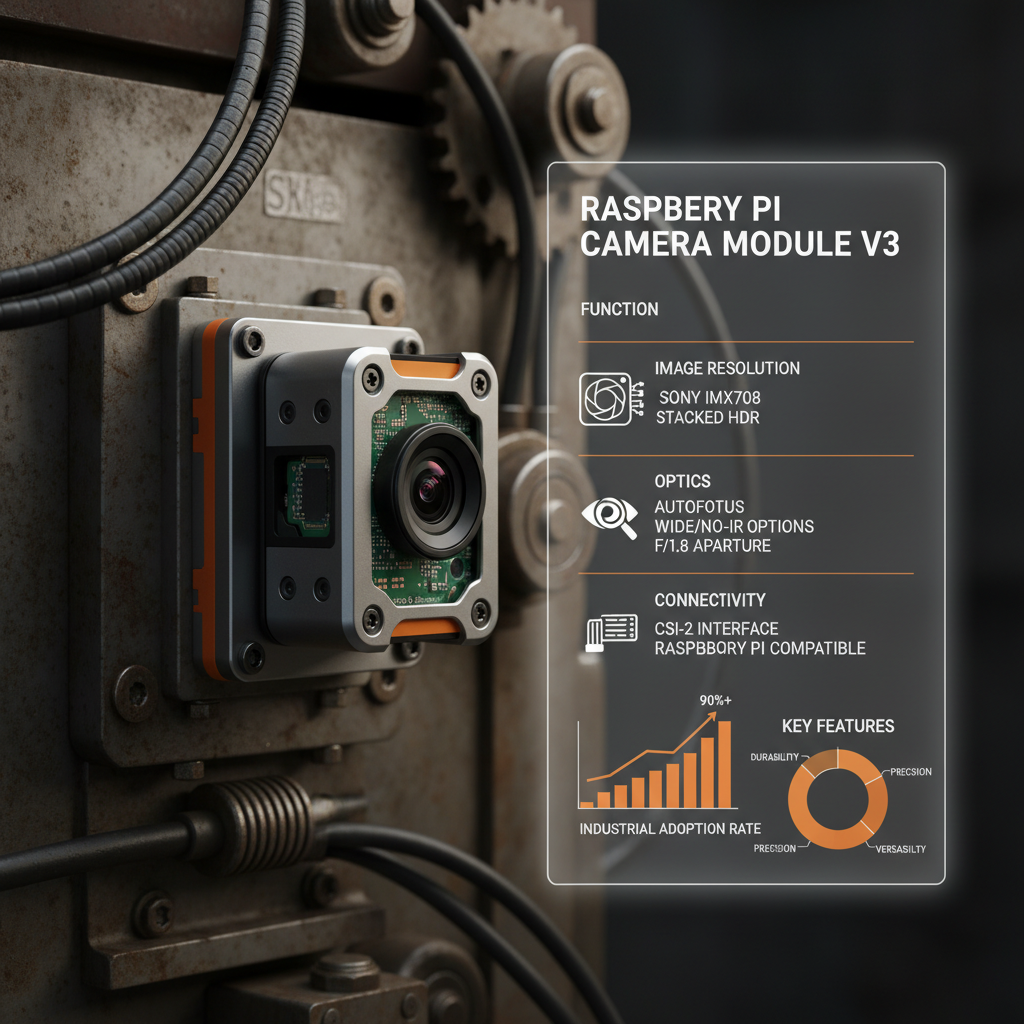
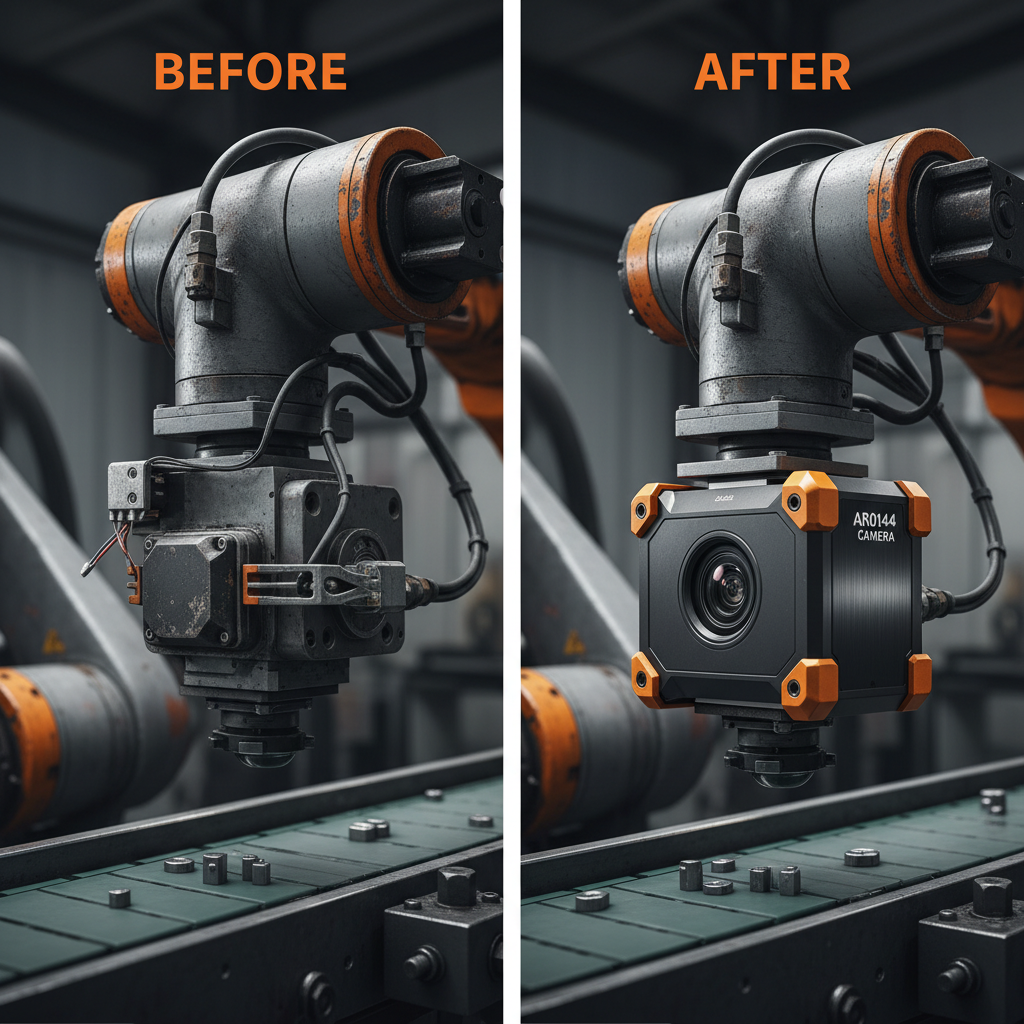
At its core, the raspberry pi camera module v3 is an advanced imaging peripheral designed specifically for the Raspberry Pi ecosystem, featuring an upgraded sensor and a sophisticated powered autofocus lens. Unlike its predecessors, which relied on fixed-focus optics, the v3 utilizes an active focusing mechanism that allows the device to sharpen images of objects at varying distances in real-time.
From an industry perspective, this module represents a convergence of software-defined imaging and precision hardware. It integrates seamless driver support within the Raspberry Pi OS, meaning the complex mathematics of phase-detection or contrast-detection autofocus are handled efficiently, allowing the end-user to focus on the application logic rather than the optical physics.
Beyond simple photography, the raspberry pi camera module v3 serves as a critical tool for humanitarian and industrial needs. From monitoring crop health in precision agriculture to enabling low-cost diagnostic imaging in remote medical clinics, its ability to capture clear, focused images without manual adjustment is a game-changer for remote deployment.
Core Components and Performance Factors
The first critical factor of the raspberry pi camera module v3 is its Optical Versatility. The powered autofocus allows the module to shift its focal plane dynamically, making it suitable for everything from wide-angle surveillance to close-up inspection of electronic components on a PCB.
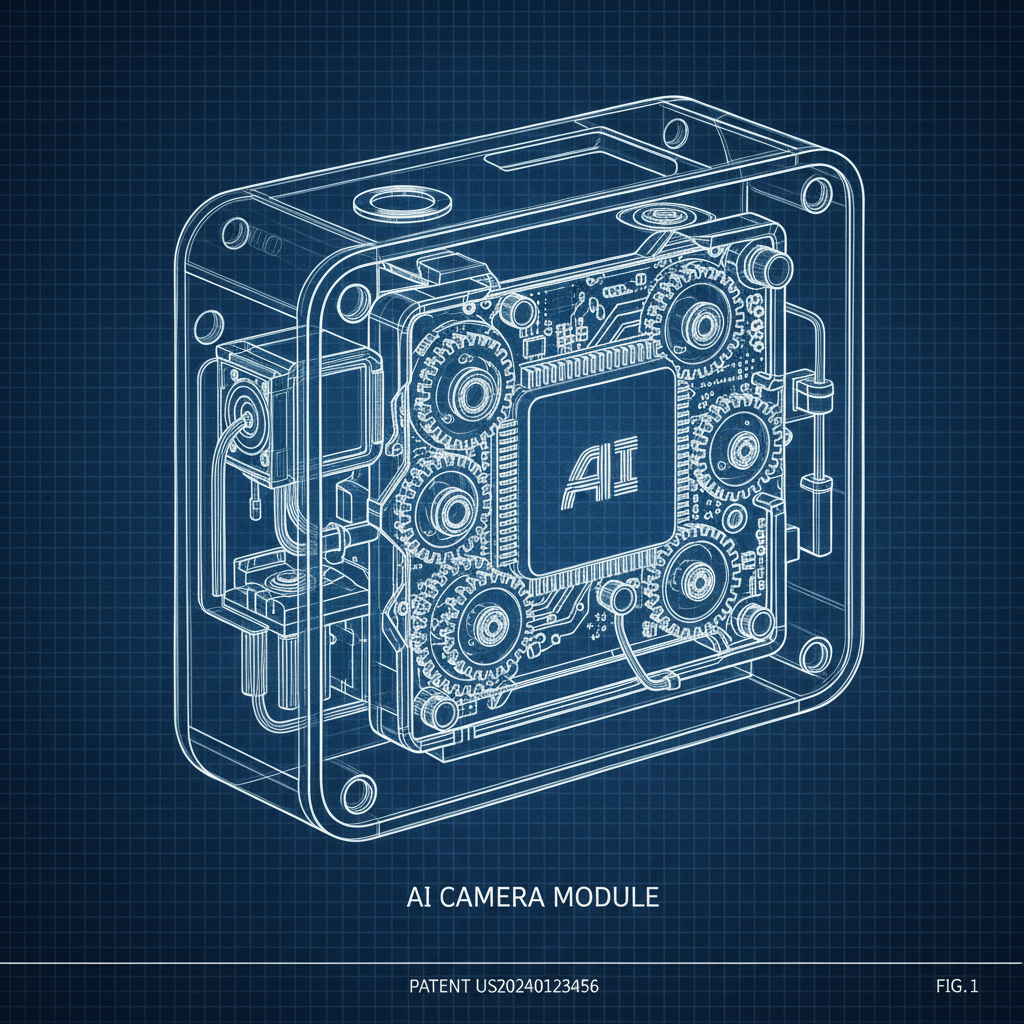
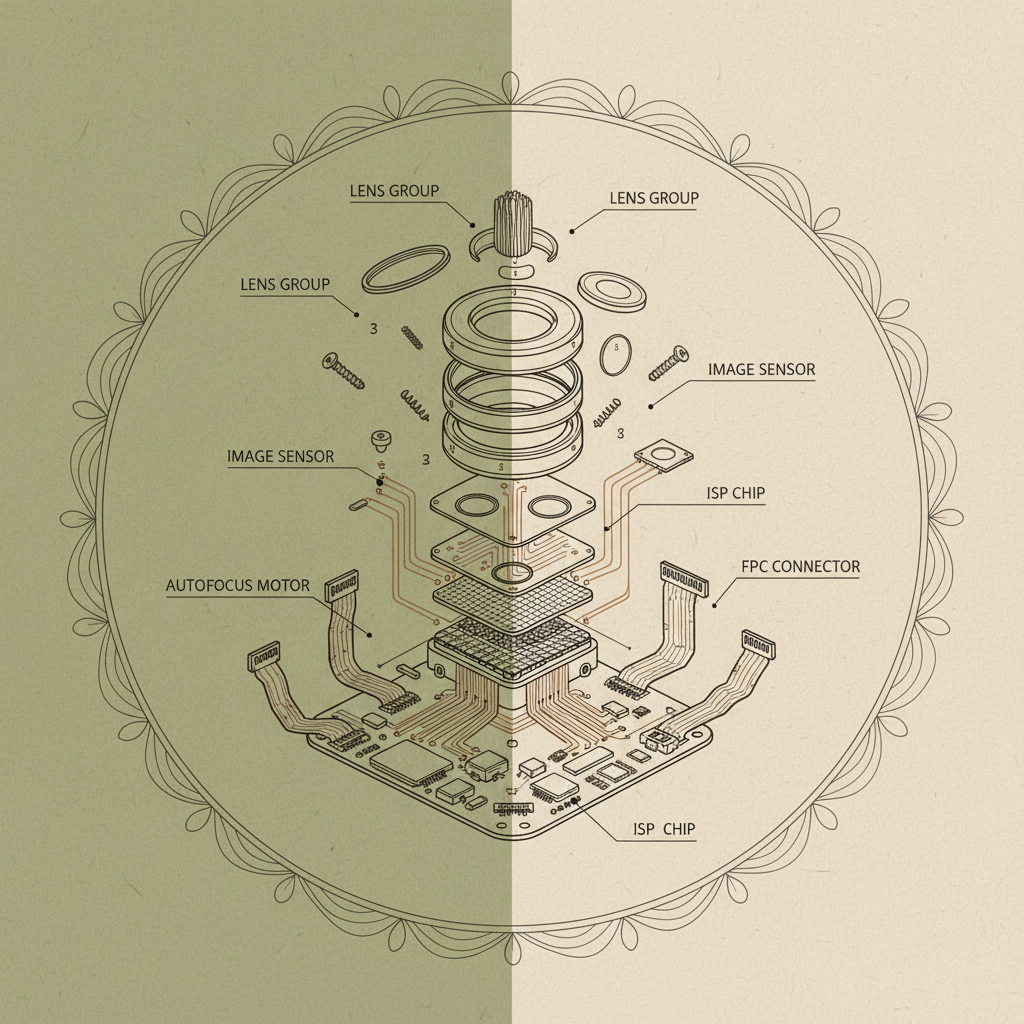
Another pillar is Computational Efficiency. The raspberry pi camera module v3 is optimized to work with the Pi's ISP (Image Signal Processor), ensuring that high-resolution frames can be captured and processed with minimal latency, which is essential for real-time AI applications.
Finally, Integration Scalability ensures that the raspberry pi camera module v3 can be easily swapped or upgraded within a larger system. Because it follows a standard FPC (Flexible Printed Circuit) connection, it remains compatible with various mounting hardware, allowing for rapid scaling from a single prototype to a fleet of deployed sensors.
Global Applications and Practical Use Cases
In real-world contexts, the raspberry pi camera module v3 is being deployed in diverse sectors. In the field of environmental science, researchers in the Amazon rainforest use these modules to create automated wildlife traps that autofocus on animals as they enter the frame, providing high-detail imagery that was previously only possible with expensive DSLR setups.
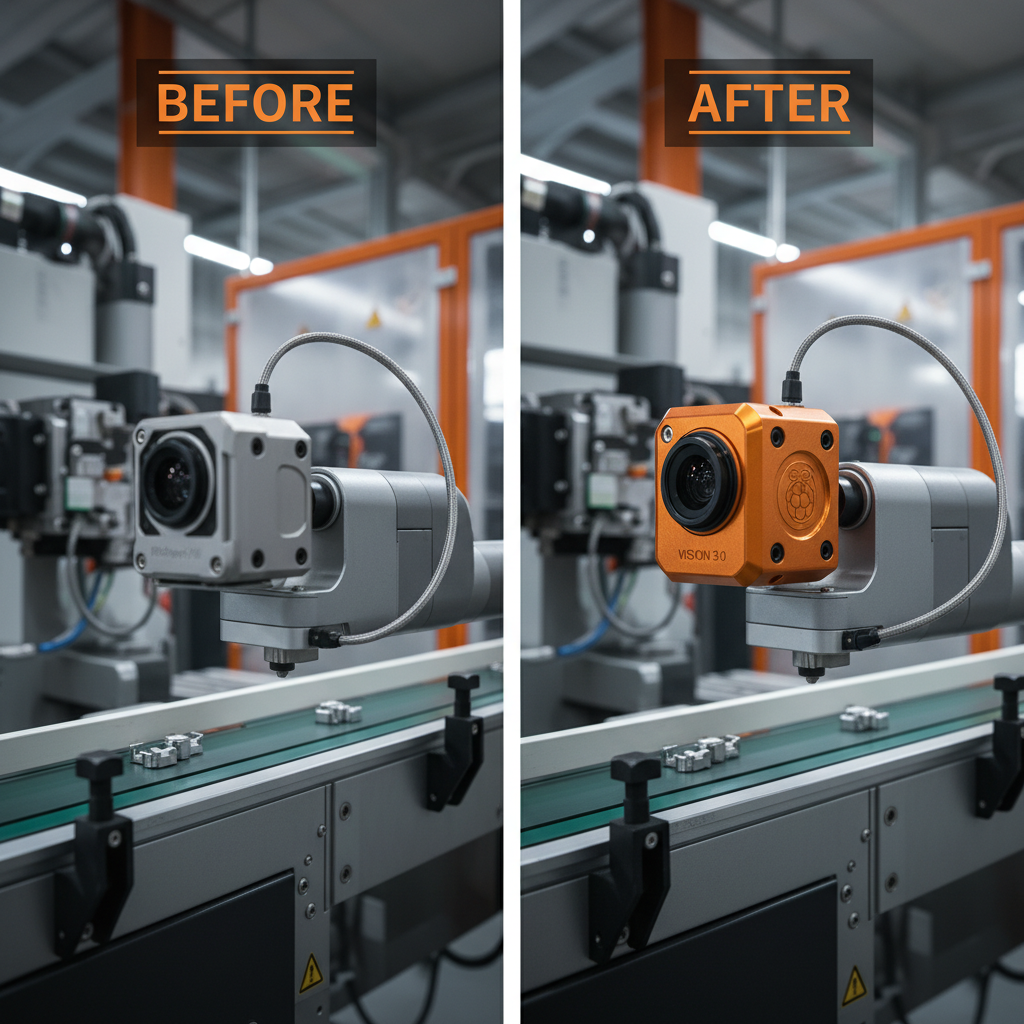
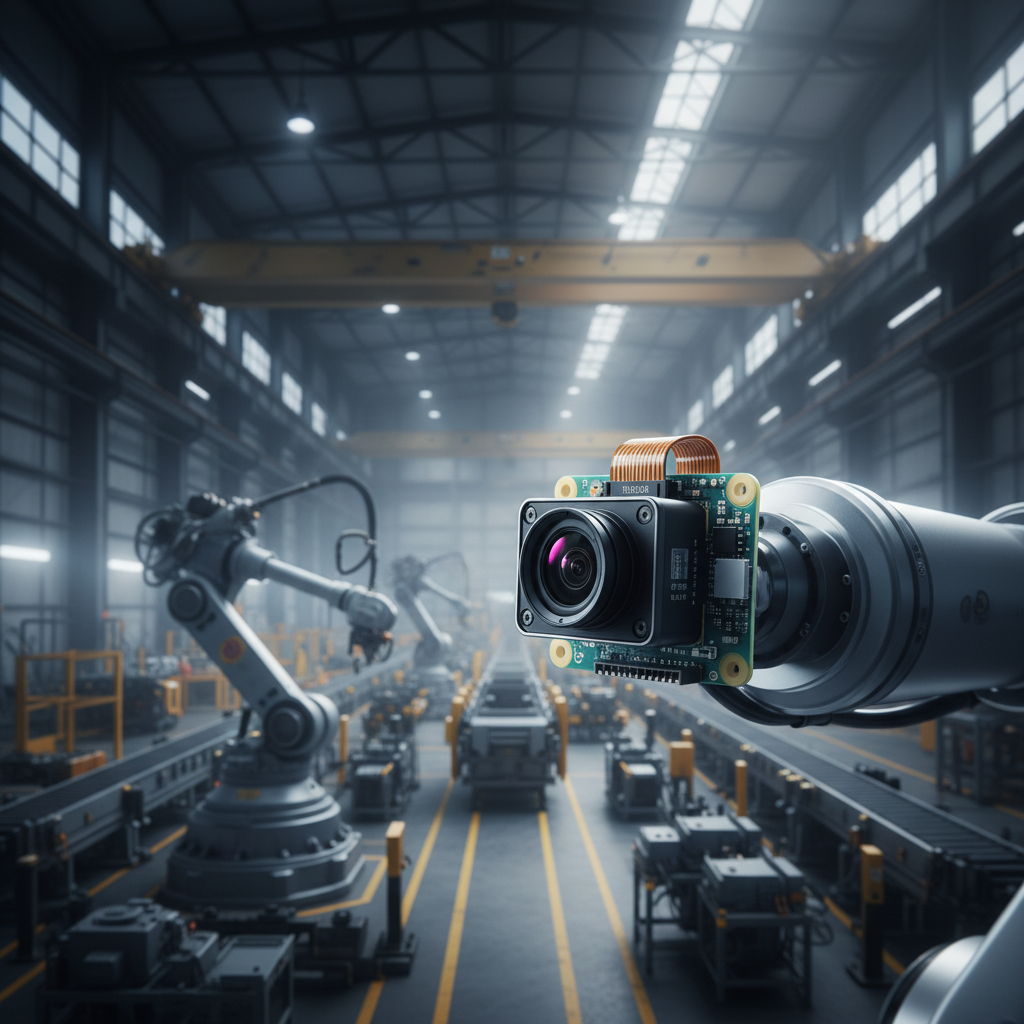
In industrial zones, particularly within the software and IT services sector, the module is integrated into "cobots" (collaborative robots) for quality assurance. By utilizing the autofocus capabilities of the raspberry pi camera module v3, these robots can inspect solder joints on circuit boards at various heights, automatically detecting defects with high precision.
Comparative Performance Analysis of Imaging Methods
Long-Term Value and Strategic Advantages
The long-term value of the raspberry pi camera module v3 extends beyond its technical specifications. By reducing the need for expensive, proprietary imaging hardware, it fosters an ecosystem of open-source innovation. Companies can now build sophisticated visual AI tools—such as automated sorting systems or accessibility aids for the visually impaired—without the prohibitive upfront cost of industrial-grade sensors.
Moreover, the reliability and community support surrounding the raspberry pi camera module v3 ensure a low total cost of ownership. Because the module is standardized, maintenance is simplified, and the abundance of documentation reduces the learning curve for new engineers, creating a sustainable pipeline of talent in the embedded systems domain.
Future Trends in Embedded Imaging Innovation
Looking ahead, the evolution of the raspberry pi camera module v3 will likely be intertwined with the rise of "Green AI." As energy efficiency becomes a global mandate, we expect to see further optimizations in how these modules handle image processing at the edge, reducing the amount of data that needs to be sent to the cloud and thus lowering the overall carbon footprint of large-scale sensor networks.
We are also seeing a trend toward the integration of multi-spectral imaging. While the raspberry pi camera module v3 excels in the visible spectrum, future iterations or complementary modules may incorporate infrared or ultraviolet capabilities, expanding their utility in medical diagnostics and advanced agricultural analysis.
Finally, the push toward full digital transformation means that the raspberry pi camera module v3 will increasingly be paired with lightweight neural networks. The ability to perform "on-device" object detection and autofocusing using tinyML (Tiny Machine Learning) will make these cameras almost entirely autonomous, capable of making decisions without any external internet connectivity.
Challenges and Expert Solutions for Implementation
Despite its advantages, implementing the raspberry pi camera module v3 is not without challenges. One common issue is "hunting," where the autofocus oscillates between two points in low-light conditions. To solve this, expert developers implement a "locked-focus" strategy, where the module autofocuses once upon trigger and then locks the lens position for the duration of the sequence.
Another limitation is the physical fragility of the FPC ribbon cable, which can tear during installation or fail under constant vibration in industrial settings. The professional solution is to use reinforced cable protectors or transition to a more rigid housing that secures the connection point, ensuring the raspberry pi camera module v3 remains operational in harsh environments.
Lastly, managing thermal throttling during continuous high-resolution recording can lead to dropped frames. We recommend the use of passive heat sinks on both the Raspberry Pi board and the camera's processor, alongside software-level frame-rate capping to maintain a stable temperature without sacrificing the image quality of the raspberry pi camera module v3.
Technical Performance Matrix for Raspberry Pi Camera Module v3 Deployment
| Deployment Scenario |
Focus Requirement |
Lighting Condition |
Stability Score (1-10) |
| Wildlife Monitoring |
Dynamic AF |
Variable/Natural |
8 |
| PCB Inspection |
Macro Fixed AF |
Controlled LED |
10 |
| Home Security |
Infinite Focus |
Low Light/IR |
7 |
| Educational Robotics |
Fast Tracking AF |
Indoor Ambient |
9 |
| Agricultural Drone |
Aerial AF |
Bright Sunlight |
6 |
| Medical Telepresence |
Precision AF |
High Intensity |
9 |
FAQS
The primary advantage is the introduction of powered autofocus. While the v2 had a fixed focal length (requiring manual lens rotation for macro work), the v3 can automatically adjust its focus to keep subjects sharp regardless of distance. This makes it significantly more versatile for dynamic environments and AI-driven vision tasks.
Yes, it is generally compatible with most Raspberry Pi boards that have a CSI (Camera Serial Interface) port, including the Pi 4 and Pi Zero. However, you must ensure your OS is updated to the latest version of Raspberry Pi OS to support the new autofocus drivers and the updated camera stack (libcamera).
The standard v3 module is designed for visible light. While it can capture images in low light, it does not have an IR-cut filter removed by default. For true night vision, you would need a "NoIR" version of the module combined with external infrared illuminators to see in complete darkness.
You can control the autofocus using the 'libcamera' command-line tools or the Python 'Picamera2' library. By sending a specific focus command, you can trigger a "continuous autofocus" mode or set the lens to a specific focal distance for consistent macro imaging.
The module provides high-resolution imaging, but the final output depends on the sensor's native resolution and the Raspberry Pi's processing power. While it captures extremely detailed images, high-frame-rate 4K video typically requires careful management of the ISP and sufficient cooling to avoid throttling.
To prevent the focus from jumping (hunting), it is best to disable continuous autofocus (CAF) and use a "one-shot" autofocus trigger at the start of the recording. Alternatively, you can manually set the lens position to a fixed value if the distance to the subject is known and constant.
Conclusion
The raspberry pi camera module v3 stands as a cornerstone of modern embedded imaging, successfully blending professional autofocus capabilities with the accessibility of the Raspberry Pi ecosystem. By addressing the limitations of fixed-focus optics and providing a robust, scalable platform for developers, it enables a wide array of applications—from industrial quality control to global environmental monitoring—that were previously cost-prohibitive.
As we move toward a future defined by Edge AI and autonomous systems, the strategic adoption of the raspberry pi camera module v3 will allow innovators to build smarter, more responsive devices with reduced overhead. For those looking to elevate their visual data collection capabilities, investing in this module is a step toward greater precision and sustainable innovation. Visit our website for more high-performance imaging solutions: www.szmyccm.com