

Nov . 06, 2025 15:50 Back to list
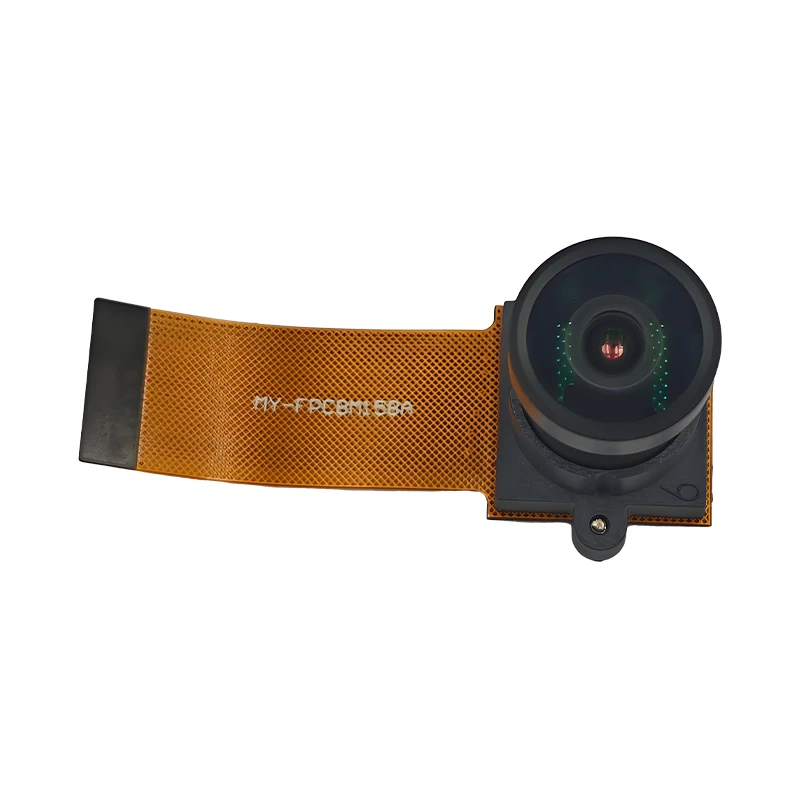
MY-FPC8M158A 8MP Sony Imx415 4K No-Distortion MIPI Camera
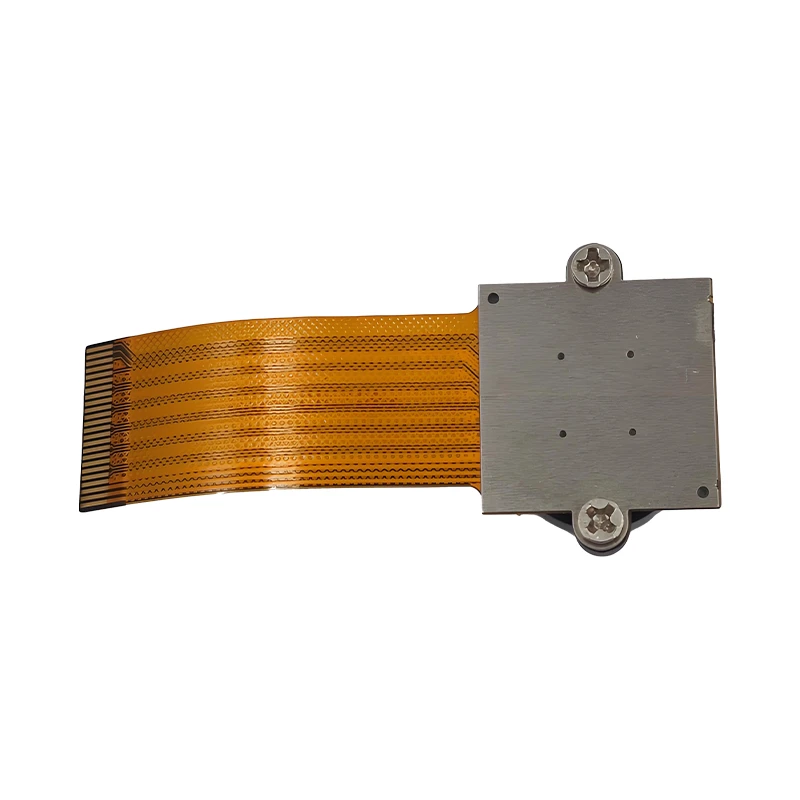
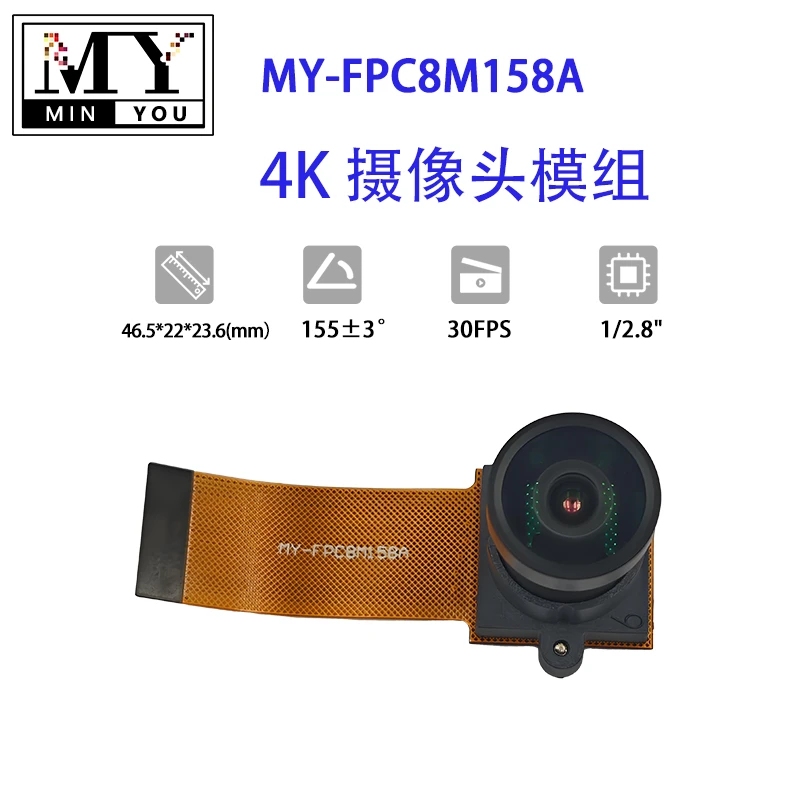
MY-FPC8M158A 8MP Sony Imx415 4K Solution No Distortion MIPI Camera Module Can Be Used In Video Conferencing
If you build video-conferencing gear or compact vision systems, you’ve probably heard the same brief all year: tighter form factors, cleaner 4K, and fewer lens artifacts. That’s exactly where MY-FPC8M158A 8MP Sony Imx415 4K Solution No Distortion MIPI Camera Module Can Be Used In Video Conferencing lands—practical, sharp, and tuned for real deployments. To be honest, I first saw it in a demo bar unit and the color linearity was… surprisingly good out of the box.
What’s trending in 2025
The industry is shifting from 1080p to 4K across conference bars, AI whiteboards, and telepresence carts. Low-distortion lenses are now table stakes because geometric warping looks amateur on large screens. Meanwhile, MIPI CSI-2 keeps winning for embedded pipelines (Jetson, RK3588, i.MX8, even Pi via adapters). Many customers say they want “quiet” modules: thermally stable, low noise, and consistent color after hours of operation.
Key specifications (real-world ready)
| Sensor | Sony IMX415, STARVIS, rolling shutter |
| Resolution | 4K UHD 3840×2160 (≈8.29MP) |
| Pixel/Format | ≈1.45 μm pixels, 1/2.8” optical format |
| Frame rate | Up to ≈60 fps at 4K (configuration-dependent) |
| Interface | MIPI CSI-2, 2/4 lanes, 22–24 pin FPC options |
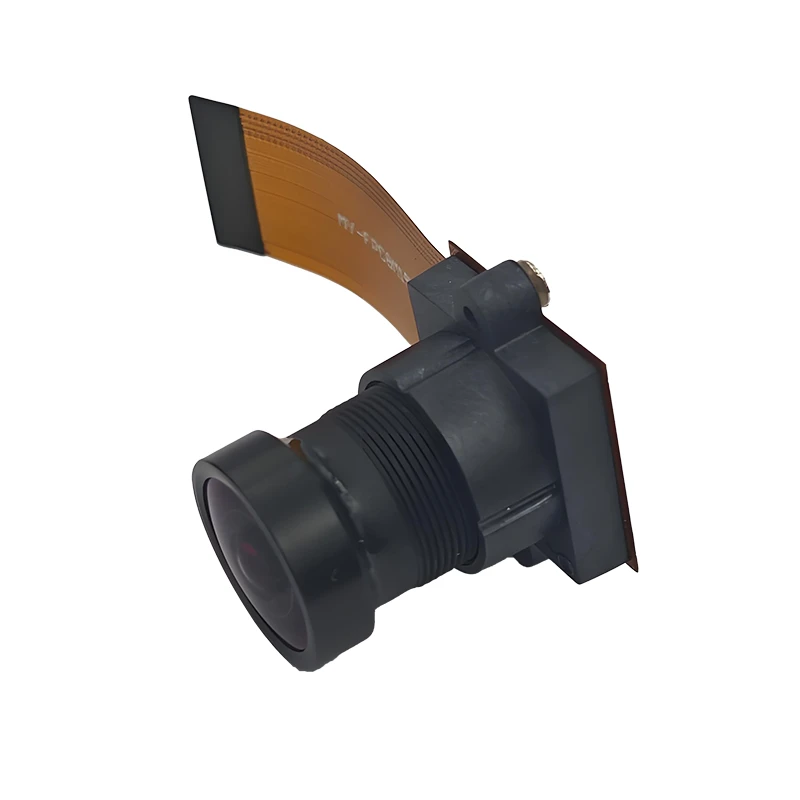
| Lens | No-distortion design, typical TV distortion <1%; FOV ≈80–110° options |
| IR | 650 nm IR-cut default; 850 nm pass options |
| Power | ≈300–600 mW (use-case dependent) |
| Operating temp | -20°C to +70°C (typical module rating) |
Materials, build, and testing
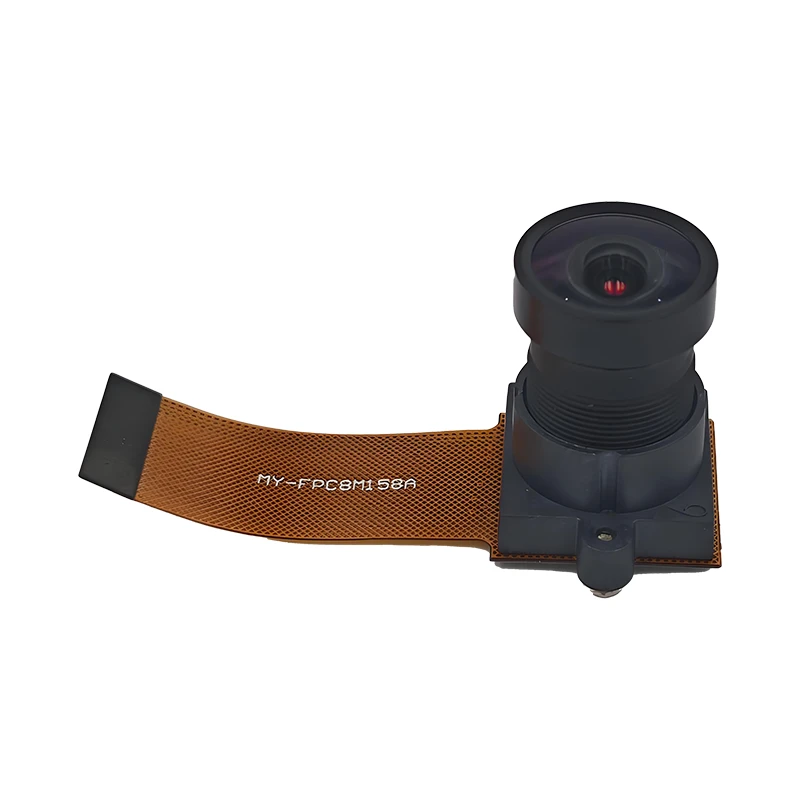
Materials: Sony IMX415 die, low-distortion M12 lens, multilayer FPC, MIPI connector, IR-cut glass, UV-cure optics adhesive. Methods: SMT with lead-free reflow, AOI, active alignment for focus/tilt/centering, UV curing, MTF verification, color calibration (X‑Rite chart), and 100% end-of-line check. Testing standards include IEC 61000‑4‑2 ESD (±8 kV contact), JESD22‑A104 thermal cycling (-20~70°C, 10 cycles), IEC 60068‑2‑6 vibration (10–500 Hz), and 8–12 h burn‑in at 60°C. Service life is designed for 24/7 use; MTTF ≈30,000–50,000 h in typical office temps (real-world use may vary).
Where it shines
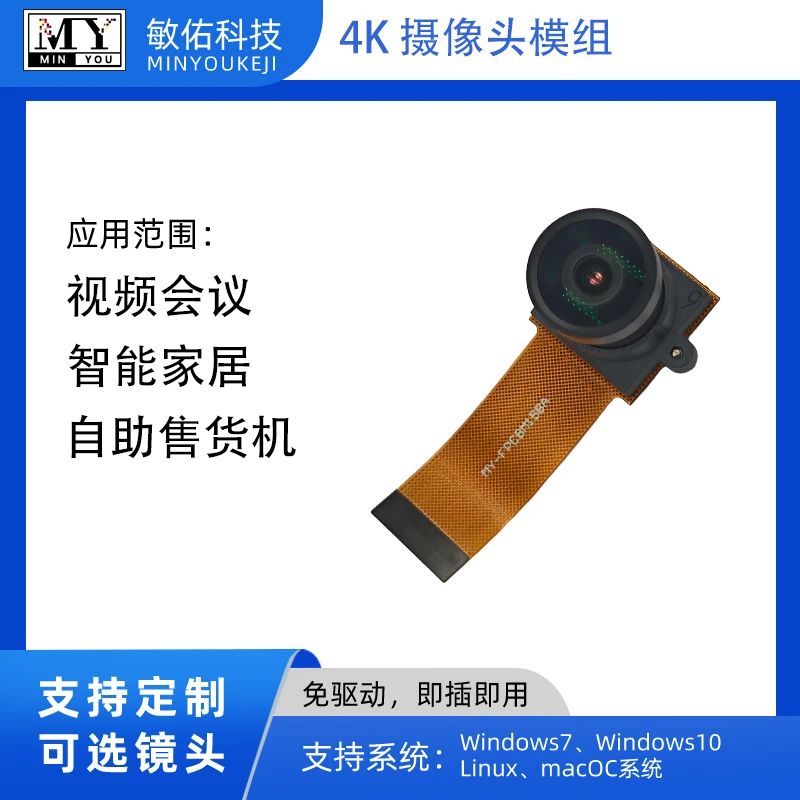
- Video conferencing bars, UC peripherals, AIO collaboration screens
- Drone gimbals and sports DV where jitter + distortion kill footage
- Retail kiosks, digital signage analytics, industrial HMI vision
Quick case notes: a European conferencing OEM reported reduced edge warping on 98” displays after swapping in this module; a drone customer cut post-stabilization time because the lens geometry stayed consistent through temperature swings. Not scientific, but it tracks with what I saw.
Vendor comparison (snapshot)
| Feature | This module | Generic 8MP A | Webcam-grade B |
|---|---|---|---|
| Lens distortion | ≈<1% typical | ≈2–5% | Higher, often uncalibrated |
| MIPI lanes | 2/4 selectable | 2 only | USB only |
| Lead time | ≈2–3 weeks | ≈4–6 weeks | Retail only |
| Customization | Lens/FOV, FPC, connector, IR, ISP tuning | Limited | None |
| Certs | ISO 9001 factory; CE/FCC/RoHS-ready | Varies | Consumer claims |
Customization and integration
Options: 80/90/100/110° FOV, IR-cut/pass variants, FPC length/orientation, connector pinout, conformal coating, and ISP tuning (AWB/AE/sharpness/NR) for Linux V4L2, NVIDIA Jetson, Rockchip, and Raspberry Pi (via CSI-2 bridge). Factory address: 4th floor, Building 27, Chentian Industrial Zone, Chentian Community, Xixiang Street, Baoan District, Shenzhen, Guangdong, China. Certifications available on request: ISO 9001 QMS, CE, FCC, RoHS.
Why teams pick it
- No-distortion optics reduce software correction and latency
- Clean 4K with solid low-light SNR for meeting rooms
- Predictable supply and mod-friendly FPC for tight enclosures
In fact, the biggest compliment I hear is simple: “We didn’t have to fight it.” That’s rarer than you’d think.
References
- Sony Semiconductor, IMX415 Product Brief and STARVIS overview.
- MIPI Alliance, CSI‑2 Specification Overview.
- IEC 61000‑4‑2: Electromagnetic compatibility (ESD immunity).
- JEDEC JESD22‑A104: Temperature Cycling.
- ISO 9001: Quality Management Systems.
-
Guide to Raspberry Pi Camera Module v3 with Powered Autofocus
NewsApr.16,2026
-
Guide to Using the raspberry pi camera module v1 3 for IoT Projects
NewsApr.09,2026
-
Exploring the Capabilities of the Raspberry Pi Camera Module 3 Noir for Diverse Applications
NewsApr.07,2026
-
Unlocking Visual Potential with the Raspberry Pi Camera Module 3 for Advanced Projects
NewsApr.04,2026
-
Raspberry Pi Noir Camera Module V2 8MP 1080p30 A Comprehensive Guide for Projects
NewsMar.31,2026
-
Comprehensive Guide to the Raspberry Pi 3 B+ Camera Module and Its Applications
NewsMar.28,2026
-
MY-USB1M818A Global Exposure Usb Camera Module With 1mp Hd Video
-
-
-
MY-DC52M-A1 Dual Lens Wide Dynamic Range Usb2.0 Camera Module With HD Video 5mp+2mp
-
MY-WHC700 Windows Hello Face Recognition Binocular USB Camera
-
MY-DC-260-A1 Dual Lens Usb2.0 Web Camera With High-definition Video 2mp+2mp
-
MY-1001-A2 AI Tracking, Gesture Recognition, Sitting Posture Detection Smart Camera Module
-
MY-USB8M158A 4K Resolution HD Video Driver-Free USB Camera Module With Microphone
