


Nov . 17, 2025 16:30 Back to list
Understanding Dual Lens Camera Modules: Technology, Applications, and Future Trends
Why Understanding the Dual Lens Camera Module Is More Important Than You Think
If you’ve recently browsed through the latest smartphone camera specs or glanced at modern surveillance tech, you probably noticed the rising popularity of the dual lens camera module. But beyond just fancy selfies or crystal-clear security footage, these small, tech-packed components are quietly reshaping industries around the globe—from humanitarian aid to industrial monitoring. It sounds a bit geeky, right? Yet understanding what these modules do, and why they matter globally, quite literally helps improve safety, efficiency, and even trust in critical operations. Here’s a neat fact: global shipments of smartphone dual lens camera modules reportedly surged by over 120% in just a few years, showing their expanding footprint in everyday tech (source: ISO tech reports). But the relevance goes deeper — these devices are integral to how we see and manage complex environments on a large scale.The Big Picture: Why Dual Lens Cameras Matter Worldwide
Think about it—our world is increasing in complexity and demand for precision monitoring. According to the United Nations, cities are becoming more crowded, infrastructure more complex, and attention spans shorter. We need tech that can offer both detail and depth. Enter the dual lens camera module. Whether it’s enhancing smartphone photography, enabling autonomous vehicle perception, or assisting drone surveillance for disaster zones, these modules provide more accurate, three-dimensional imaging capabilities that single lenses simply cannot match. What problem do they tackle? Depth perception and image quality. A dual lens setup captures images from slightly different viewpoints simultaneously, much like how human eyes work together—this helps machines "see" depth and texture better than before. For industries, this means smarter automation and better decision-making tools. For humanitarian efforts, that detailed imaging can mean faster, safer responses.What Exactly Is a Dual Lens Camera Module?
In simple terms: a dual lens camera module is a compact camera system that houses two separate lenses, each capturing images or video from slightly different angles. The data from these lenses are then processed to extract depth information, improve image clarity, or create zoom effects without losing quality. Technologically, it’s an elegant solution that mimics binocular vision but fits snugly inside smartphones, drones, or industrial equipment. Why should industry folks care? Because these modules are bridging the gap between simple photography and advanced sensing. They're being used in everything from quality control on manufacturing lines to security systems that detect not only presence but also size, shape, and movement patterns.Key Components of a Dual Lens Camera Module
- Optical Lenses: Typically, one lens serves as the primary shooter while the secondary lens offers either telephoto, wide-angle, or depth-sensing capabilities.
- Image Sensors: Each lens has its own sensor. The sensors' resolution and sensitivity greatly affect picture quality and the accuracy of depth mapping.
- Image Signal Processor (ISP): This chip processes inputs from both lenses, combining images for effects like background blur or 3D mapping.
- Module Size & Form Factor: Compactness is key for integration into slim devices without sacrificing performance.
- Software Algorithms: They stitch images, compensate for lighting differences, and deliver features like optical zoom or portrait mode.
Mini Takeaway:
The dual lens camera module is not merely a feature—it’s a sophisticated tech assembly enabling machines to see better, think smarter, and react faster in diverse environments.Real-World Applications From Cities to Crisis Zones
Across Asia, Europe, and the Americas, the adoption of dual lens camera modules spans multiple sectors:- Smartphones & Consumer Electronics: The most familiar field, offering users sharper photos and immersive video features.
- Surveillance & Security: Law enforcement and corporate security teams favor dual lenses for depth perception, improving identification accuracy.
- Autonomous Vehicles: Dual lens setups help vehicles "understand" surrounding objects and terrain, critical for safety and navigation.
- Disaster Relief Operations: In post-earthquake zones, drones with dual lens camera modules provide 3D maps for search and rescue teams, speeding up aid deployment.
- Industrial Inspection: Factories use these modules for flaw detection in production lines—especially where fine detail on shiny or textured surfaces matters.
Mini Takeaway:
From dense urban centers to remote disaster fields, dual lens camera modules make a notable difference in how problems are diagnosed, tackled, and resolved.Why Invest in Dual Lens Camera Modules? The Advantages are Compelling
It’s not just about pretty pictures. The advantages break down into clear business and humanitarian values:- Superior Image Quality & Depth: Critical for applications requiring spatial awareness or detailed analytics.
- Higher Operational Reliability: Dual lenses help compensate for obstructions or lighting issues, maintaining consistent performance.
- Cost-Efficiency Over Time: While sometimes pricier at purchase, these modules reduce errors and operational downtime.
- Enhanced User Trust & Safety: From driverless cars to security installations, clearer sensing means fewer accidents and better user confidence.
- Sustainability: By enabling remote monitoring, these systems cut down on unnecessary human travel and resource use.
Looking Ahead: Emerging Trends and Future Innovations
The future of dual lens camera modules is bright and full of possibilities. Here’s what many experts are watching:- Integration With AI & Machine Learning: Smarter modules will self-calibrate and adjust to environments for even better real-time insights.
- Lighter, More Durable Materials: Innovations in polymer optics and carbon composites will create modules that are both rugged and ultra-compact.
- Energy Efficiency: As battery tech advances, modules will run longer in drones and portable devices, critical for extended missions or continuous monitoring.
- Environmental Compliance: Moving toward greener manufacturing and recyclable module components to cut the ecological footprint.
Challenges & Smart Solutions in Today’s Dual Lens Camera Tech
Of course, it’s not all smooth sailing. Common challenges include:- Calibration Complexities: Ensuring the two lenses always work in sync is tricky, especially with temperature changes or shocks.
- Cost Barriers: High-quality components can push prices up, limiting adoption in budget-sensitive projects.
- Software Limitations: Poor algorithms can cause ghosting, misalignment, or slow processing times.
Mini Takeaway:
Every tech has hurdles, but the combination of hardware advances plus smarter software means dual lens camera modules are only going to get better and more accessible.FAQ: Common Questions About Dual Lens Camera Modules
- How does a dual lens camera module improve smartphone photography?
- It uses two lenses to capture more light and depth information, allowing for features like portrait mode with blurred backgrounds, better low-light shots, and optical zoom without quality loss.
- What industries benefit most from dual lens camera modules?
- Besides consumer electronics, security surveillance, autonomous transport, industrial inspections, and disaster relief operations are some of the prime users of this technology today.
- Are dual lens camera modules easy to integrate into existing systems?
- Integration depends on the system; however, many modern modules come with plug-and-play capabilities and flexible interfaces, making integration smoother than it used to be.
- What’s the average lifespan of a dual lens camera module in industrial use?
- When properly maintained and shielded from harsh conditions, these modules can last several years—often matching the lifecycle of the device they're embedded in.
- Can dual lens camera technology help reduce costs long-term?
- Yes. By improving detection accuracy and operational reliability, they minimize costly errors, downtime, and manual inspections, delivering value beyond initial investment.
Product Specification Table: Typical Dual Lens Camera Module
| Specification | Description |
|---|---|
| Lens Configuration | Wide-angle + Telephoto |
| Sensor Resolution | 12 MP + 12 MP |
| Aperture | f/1.8 (wide), f/2.4 (telephoto) |
| Focus Type | Autofocus + PDAF (Phase Detection Auto Focus) |
| Dimension | 15mm × 15mm × 6mm |
| Operating Voltage | 3.3 V |
Vendor Comparison: Top Dual Lens Camera Module Suppliers
| Vendor | Product Range | Customization | Price Range | Delivery Time |
|---|---|---|---|---|
| Vendor A | Smartphone, Security | High | $$$ | 3-5 weeks |
| Vendor B | Automotive, Industrial | Medium | $$ | 4-6 weeks |
| Vendor C | Drones, Consumer | Low | $ | 2-3 weeks |
In Closing: Why Dual Lens Camera Modules Are Here to Stay
From all this, it's clear that dual lens camera modules aren’t just a trendy add-on. They’ve become foundational tech, enabling smarter cities, safer vehicles, more effective disaster responses, and more immersive user experiences. The blend of optics, sensors, and software that they embody feels a bit like magic—except it’s very real, very practical, and only getting better. If you’re curious about how to leverage this tech for your next project or industry, I highly recommend checking out dual lens camera module experts. They offer tailored solutions fitting budgets from startups to global enterprises. Thanks for sticking around. It’s always exciting to peek behind the scenes of what’s shaping our high-tech future!References
- ISO Camera Standards: https://www.iso.org/standard/57764.html
- United Nations Urbanization Report: https://population.un.org/wup/
- World Bank Technology & Innovation Data: https://data.worldbank.org/topic/technology
-
Guide to Raspberry Pi Camera Module v3 with Powered Autofocus
NewsApr.16,2026
-
Guide to Using the raspberry pi camera module v1 3 for IoT Projects
NewsApr.09,2026
-
Exploring the Capabilities of the Raspberry Pi Camera Module 3 Noir for Diverse Applications
NewsApr.07,2026
-
Unlocking Visual Potential with the Raspberry Pi Camera Module 3 for Advanced Projects
NewsApr.04,2026
-
Raspberry Pi Noir Camera Module V2 8MP 1080p30 A Comprehensive Guide for Projects
NewsMar.31,2026
-
Comprehensive Guide to the Raspberry Pi 3 B+ Camera Module and Its Applications
NewsMar.28,2026
-
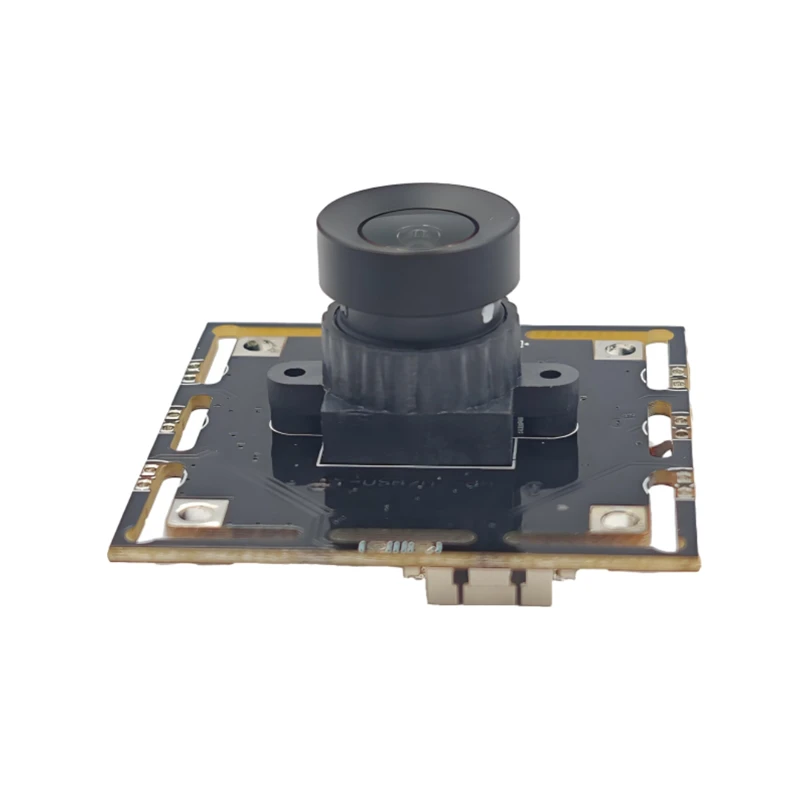
MY-USB1M818A Global Exposure Usb Camera Module With 1mp Hd Video
-
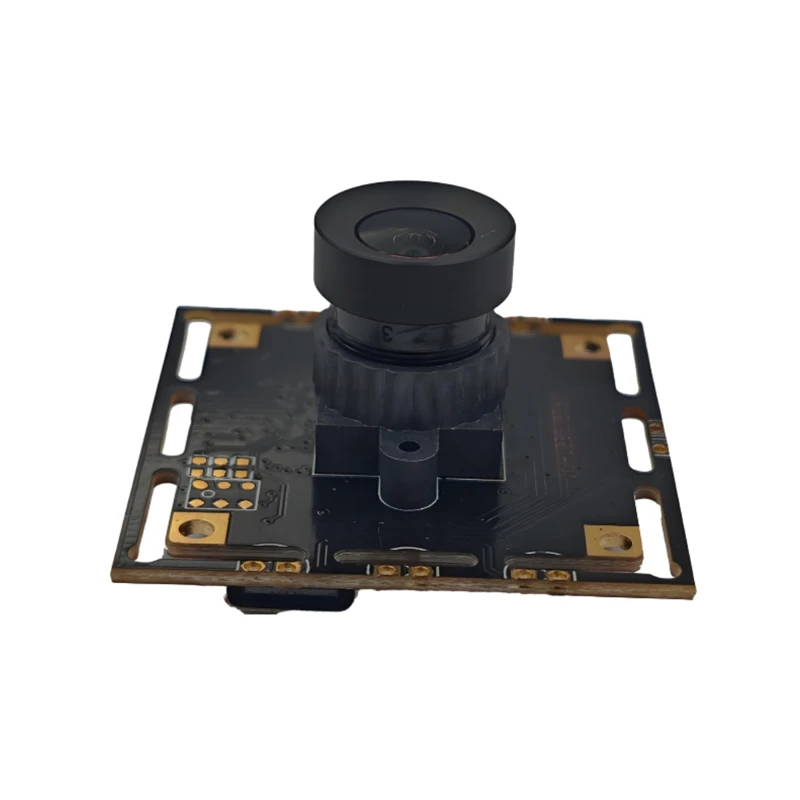
-
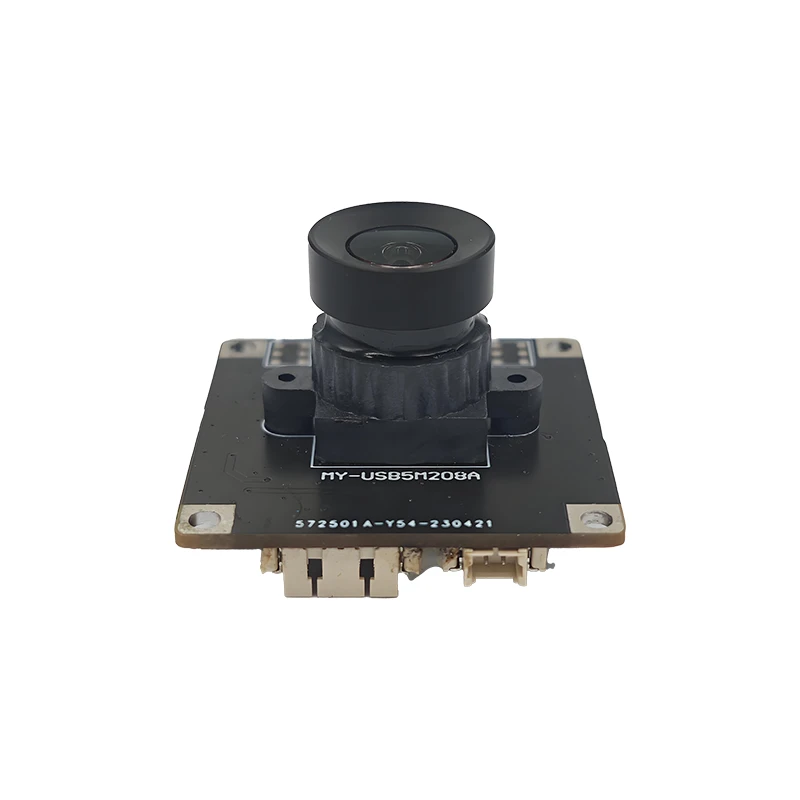
-
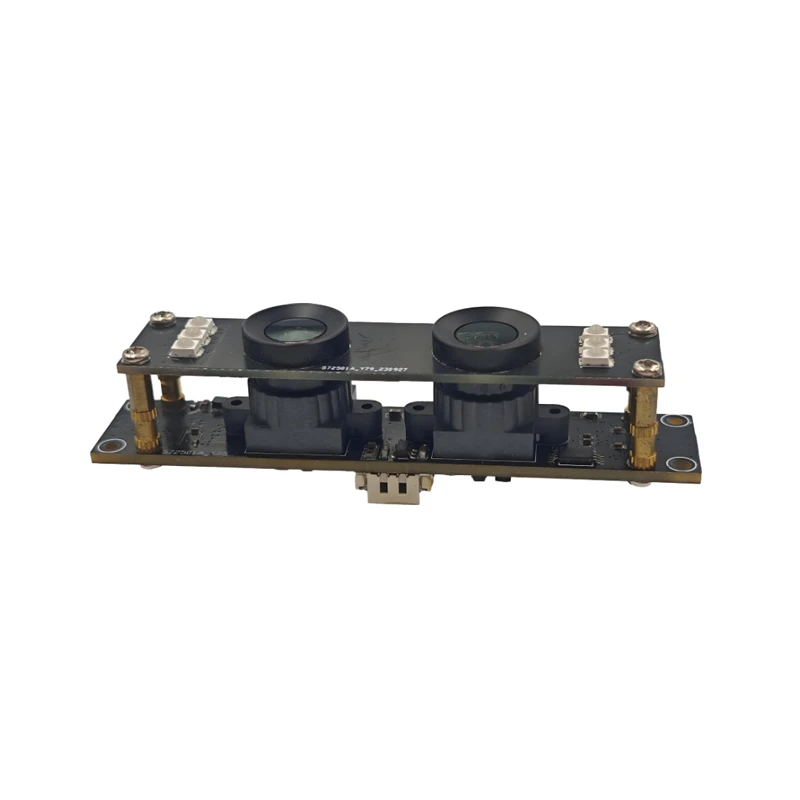
MY-DC52M-A1 Dual Lens Wide Dynamic Range Usb2.0 Camera Module With HD Video 5mp+2mp
-

MY-WHC700 Windows Hello Face Recognition Binocular USB Camera
-

MY-DC-260-A1 Dual Lens Usb2.0 Web Camera With High-definition Video 2mp+2mp
-
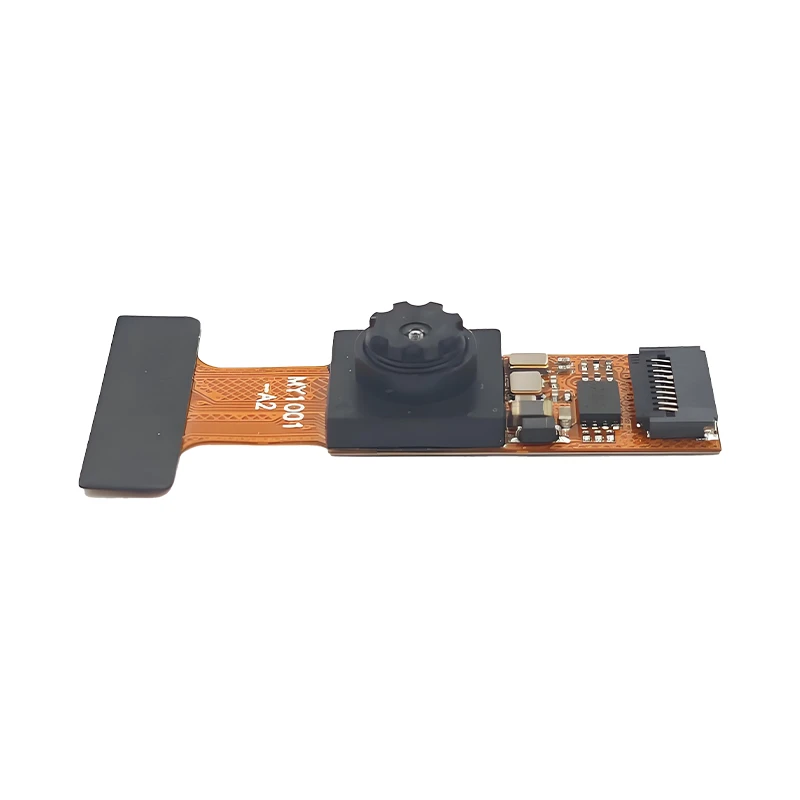
MY-1001-A2 AI Tracking, Gesture Recognition, Sitting Posture Detection Smart Camera Module
-
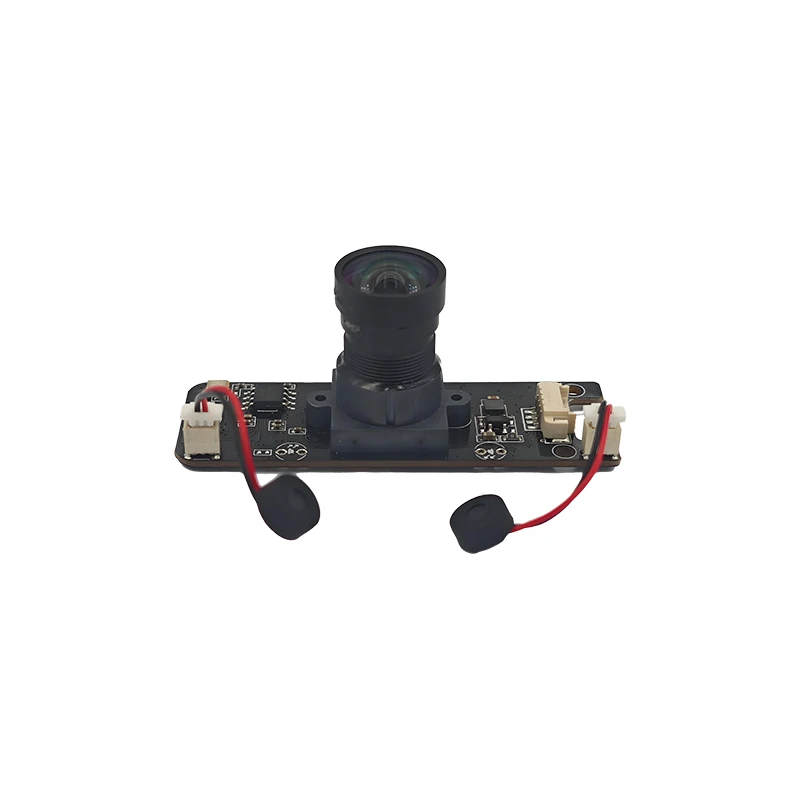
MY-USB8M158A 4K Resolution HD Video Driver-Free USB Camera Module With Microphone
