


Nov . 18, 2025 03:00 Back to list
Comprehensive Guide to Camera Double Lens Technology & Applications
Understanding Camera Double Lens: Why It Matters in Today's Visual World
Have you ever noticed how your smartphone camera seems smarter each year, snapping sharper photos that seem closer to what your eyes see? A big part of this magic comes from the camera double lens technology quietly revolutionizing photography and video capture worldwide. But what is this dual-lens setup, and why should anyone outside tech circles care?
At its core, the camera double lens system equips devices with two separate lenses working in tandem—each with unique focal lengths or functions—to blend imagery for improved clarity, depth, and versatility. Globally, it’s more than just a fancy feature; this tech shapes countless industries, from security and healthcare imaging to remote monitoring and virtual reality.
Understanding camera double lens tech isn't just about gadgets. It ties into how we capture and communicate our world, inspire innovation in automation, and even assist humanitarian missions. In this article, we’ll unpack its meaning, components, broad applications, and what the future holds for this dynamic technology.
The Global Context: Doubling the Vision for a Connected Planet
Did you know that smartphone penetration is nearing 80% worldwide, driving demand for advanced camera features? According to the International Data Corporation (IDC), dual-camera smartphone shipments surged by over 150% between 2018 and 2022. But beyond phones, surveillance systems, automotive sensors, and industrial inspection cameras have adopted double lens setups to solve critical problems.
Globally, urban centers face increased security requirements, while agricultural and environmental monitoring rely on precise imaging to optimize yields and track changes. The ISO standards around image quality and sensor calibration underscore the importance of lens innovation for reliable data.
Challenges like low-light environments, depth perception, and the need for varied focal distances make single-lens cameras inadequate in many real-world scenarios. This is where the camera double lens steps in — a simple but effective upgrade.
What Exactly Is a Camera Double Lens?
Put plainly, a camera double lens is a system that uses two lenses—sometimes of different focal lengths or sensor types—combined to create a superior image or enable additional features. One lens might focus on a wide-angle view, while the other zooms in for detail or adds depth information. Together, they produce richer and more flexible images.
This dual-lens setup mirrors human eyesight in a way—our two eyes capture slightly different angles, allowing the brain to interpret depth and distance. Similarly, camera double lens technology enables depth mapping, bokeh effects, and enhanced zoom without compromising image quality.
Beyond consumer devices, it’s used in fields where precise imaging is critical: medical devices use stereo imaging for diagnostics, drones capture terrain data in 3D, and self-driving cars rely on multiple lenses to perceive their surroundings — all benefiting from this technology.
Key Factors in Camera Double Lens Systems
1. Optical Versatility
Different lenses serve different purposes—wide-angle for landscape or surveillance, telephoto for zoom, monochrome for light sensitivity. Combining these extends functionality dramatically, allowing one device to adapt to various shooting conditions.
2. Depth Perception & 3D Imaging
By capturing two perspectives simultaneously, double lens cameras can calculate distance, enabling portrait mode effects, augmented reality overlays, and spatial awareness critical for robotics and autonomous vehicles.
3. Low-Light Performance
A monochrome or infrared lens paired with a standard lens significantly improves performance in dim environments. This is vital, for instance, in surveillance or wildlife monitoring.
4. Computational Photography
The dual-image data require sophisticated algorithms to fuse images, correct distortions, and enhance detail — a marriage of optics and software that’s reshaped photography expectations.
5. Compactness and Integration
Engineering a compact double-lens module that fits slim devices without overheating or power draw has challenged manufacturers but also pushed innovation in miniaturization.
Applications: Where Dual Lenses Make a Real Difference
The camera double lens features prominently across diverse sectors:
- Smartphones & Consumer Electronics: Leading brands use double lens systems to offer portrait modes, optical zoom, and enhanced night shots.
- Security & Surveillance: Dual lenses provide clarity, zoom capabilities, and depth data critical for face recognition and perimeter monitoring.
- Medical Imaging: Stereo cameras enhance endoscopic procedures and diagnostics by providing 3D views.
- Agriculture & Environmental Monitoring: Drones equipped with double lens cameras analyze crop health and terrain topology.
- Automotive Industry: Self-driving cars rely heavily on multiple lens arrays for object detection and navigation.
For example, in post-disaster relief operations, drones with double lens cameras can quickly map affected areas in 3D to identify safe routes and evaluate damage — a leap over traditional single lens drone footage.
Camera Double Lens Specification Table
| Specification | Detail |
|---|---|
| Lens Types | Wide-angle & Telephoto / RGB & Monochrome |
| Resolution | 12 MP (main), 12 MP (secondary) |
| Aperture | f/1.8 & f/2.4 |
| Focus Type | Phase Detection Autofocus with Depth Sensing |
| Field of View | Wide: 120°, Telephoto: 50° |
| Video Capabilities | 4K UHD @ 30fps, 1080p @ 60fps |
Comparing Vendors: Finding the Right Double Lens Solution
| Vendor | Innovation Focus | Price Range | Global Reach | Notable Clients |
|---|---|---|---|---|
| OptiLens | Miniaturization, AI fusion | $$$ | North America, Europe | Top smartphone brands |
| SightTech | Infrared & night vision modules | $$ | Asia, Africa | Security agencies, agriculture firms |
| DuoCam Solutions | Automotive & drone sensors | $$$$ | Global | Car manufacturers, defense |
Advantages and Long-Term Value of Camera Double Lens
The clear winner in this setup is flexibility — users can toggle between zoom levels without quality loss or effortlessly create professional-looking depth effects. Beyond photo enrichment, the tech enhances reliability in fields where accuracy is non-negotiable.
From a sustainability angle, improved camera dual-lens systems embedded in drones and sensors reduce the need for multiple devices, lowering resource waste and energy consumption. On the social side, better imaging fosters safety and trust in security systems — because clear vision means fewer blind spots.
Emotionally, it’s about capturing and preserving memories closer to reality—the kind of clarity that makes moments unforgettable.
Emerging Trends in Camera Double Lens Technology
We’re seeing baby steps toward triple or even quad lens setups — but double lens remains the sweet spot for balancing cost, size, and performance. Innovations lean heavily on AI-powered computational photography that can simulate effects traditionally requiring hardware upgrades. Also, eco-friendly materials and manufacturing processes are receiving attention, as buyers demand greener tech.
I’ve noticed more dual-cell sensor designs that optimize light capture and reduce noise, particularly for nighttime environments. The integration into connected ecosystems like IoT devices means camera double lens technology won’t just record images, but feed intelligence for devices to learn and react in real time.
Challenges and Solutions in Double Lens Implementation
Of course, double lens systems aren’t a silver bullet. Their complexity can cause alignment issues, increased power consumption, and higher costs than single lens cameras. Plus, software fusion requires constant refining to handle edge cases — say, tricky lighting or motion blur.
The industry tackles these with better sensor calibration, improved lens coatings, and AI algorithms that learn user habits. Manufacturers also experiment with modular designs allowing easier upgrades or repairs — a move toward sustainability and user empowerment.
Frequently Asked Questions About Camera Double Lens
Q1: How does a double lens camera differ from a single lens in everyday use?
A double lens system offers increased versatility — you can zoom optically without sacrificing quality, capture depth information to blur backgrounds artistically, and achieve better image clarity in various lighting. Single lens cameras don’t have those added options, often relying on digital zoom, which degrades quality.
Q2: Are dual lens camera modules more expensive to repair or maintain?
Usually, yes. With two lenses and sensors, repairs tend to be more costly and complex than single lens cameras. However, better modular designs and warranties help mitigate these concerns. Plus, the improved photo quality often justifies the added expense for most users.
Q3: Can I use a camera double lens system for professional video shooting?
Absolutely. Many professional video cameras and drones employ dual lenses for dynamic zoom and stereoscopic effects that add depth and cinematic quality to footage. Smartphones with camera double lens systems have also become popular for semi-pro videography.
Q4: How does this technology impact battery life in mobile devices?
It can consume more power since two sensors and processing chips operate simultaneously. But optimizations have reduced the impact significantly. Often, the user won’t notice much difference except for longer processing times when shooting special modes requiring fusion.
Q5: Where can I find reliable camera double lens modules for industrial use?
Vendors like camera double lens specialists offer configurable solutions tailored for industries such as security, agriculture, or automotive. Look for providers who offer good after-sales support and calibration services.
Conclusion: Seeing More, Doing Better
The camera double lens is more than just a tech novelty — it’s a versatile tool enhancing how humans and machines see the world. From everyday smartphone snapshots to life-saving disaster monitoring drones, its long-term value lies in adaptability, precision, and bridging reality with innovative digital interpretation.
If you’re curious about upgrading your imaging tech or seeking tailored camera double lens solutions, visit our website and explore modular options designed for diverse needs.
-
Guide to Raspberry Pi Camera Module v3 with Powered Autofocus
NewsApr.16,2026
-
Guide to Using the raspberry pi camera module v1 3 for IoT Projects
NewsApr.09,2026
-
Exploring the Capabilities of the Raspberry Pi Camera Module 3 Noir for Diverse Applications
NewsApr.07,2026
-
Unlocking Visual Potential with the Raspberry Pi Camera Module 3 for Advanced Projects
NewsApr.04,2026
-
Raspberry Pi Noir Camera Module V2 8MP 1080p30 A Comprehensive Guide for Projects
NewsMar.31,2026
-
Comprehensive Guide to the Raspberry Pi 3 B+ Camera Module and Its Applications
NewsMar.28,2026
-
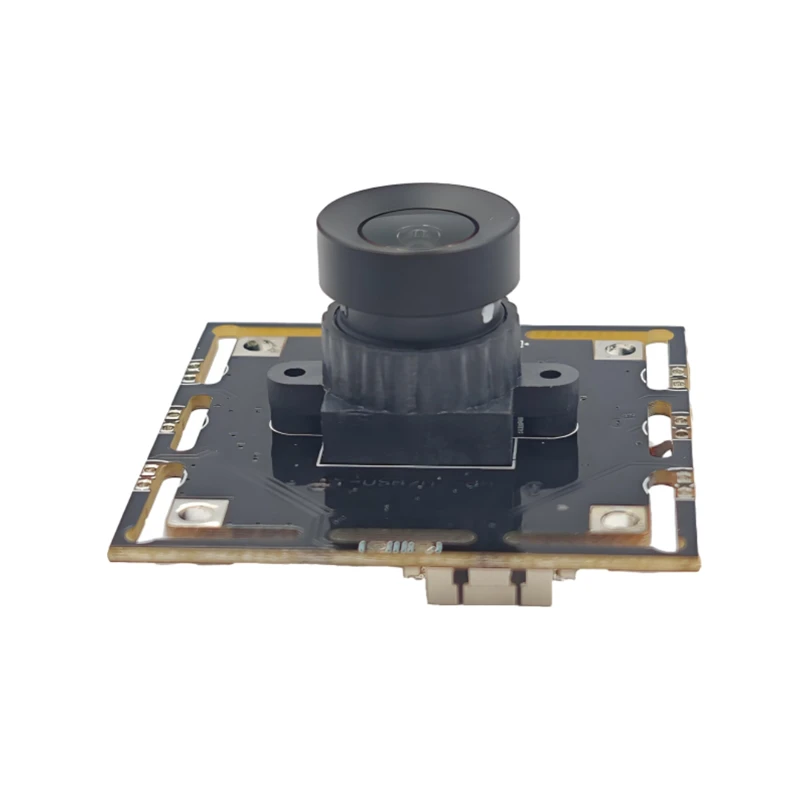
MY-USB1M818A Global Exposure Usb Camera Module With 1mp Hd Video
-
-
-
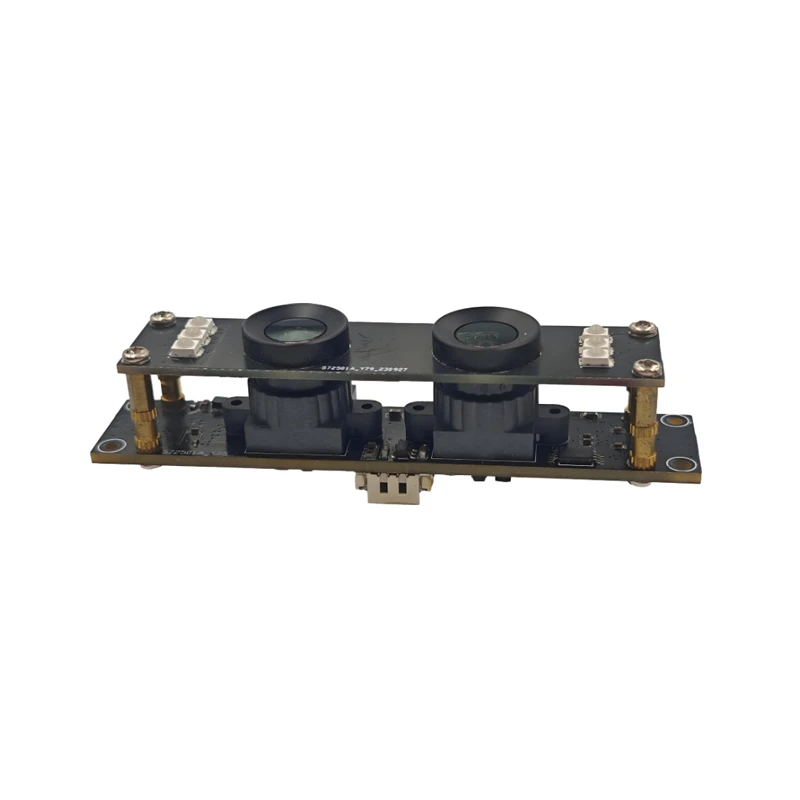
MY-DC52M-A1 Dual Lens Wide Dynamic Range Usb2.0 Camera Module With HD Video 5mp+2mp
-
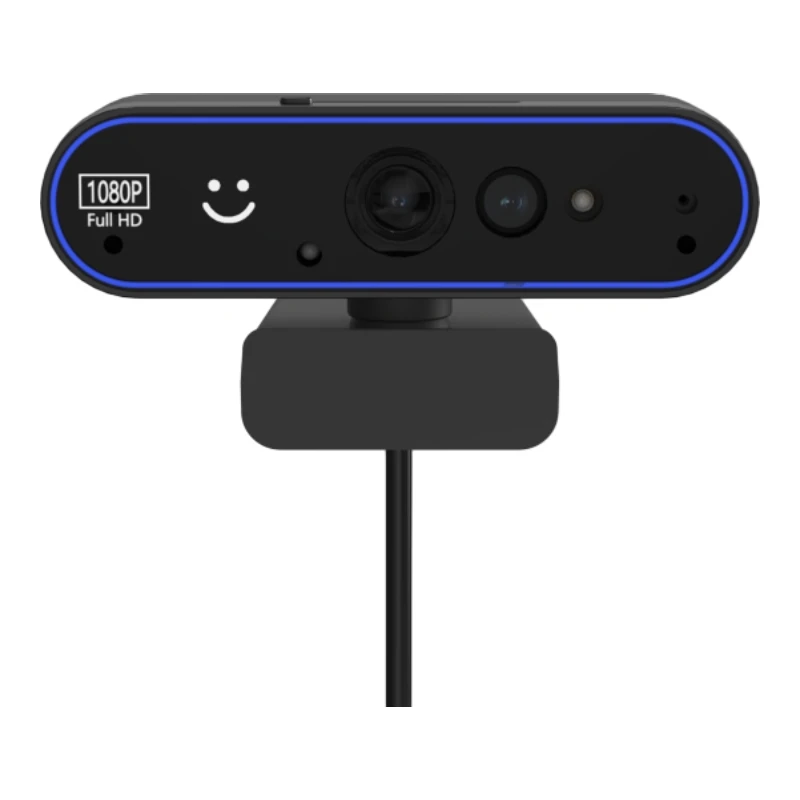
MY-WHC700 Windows Hello Face Recognition Binocular USB Camera
-

MY-DC-260-A1 Dual Lens Usb2.0 Web Camera With High-definition Video 2mp+2mp
-
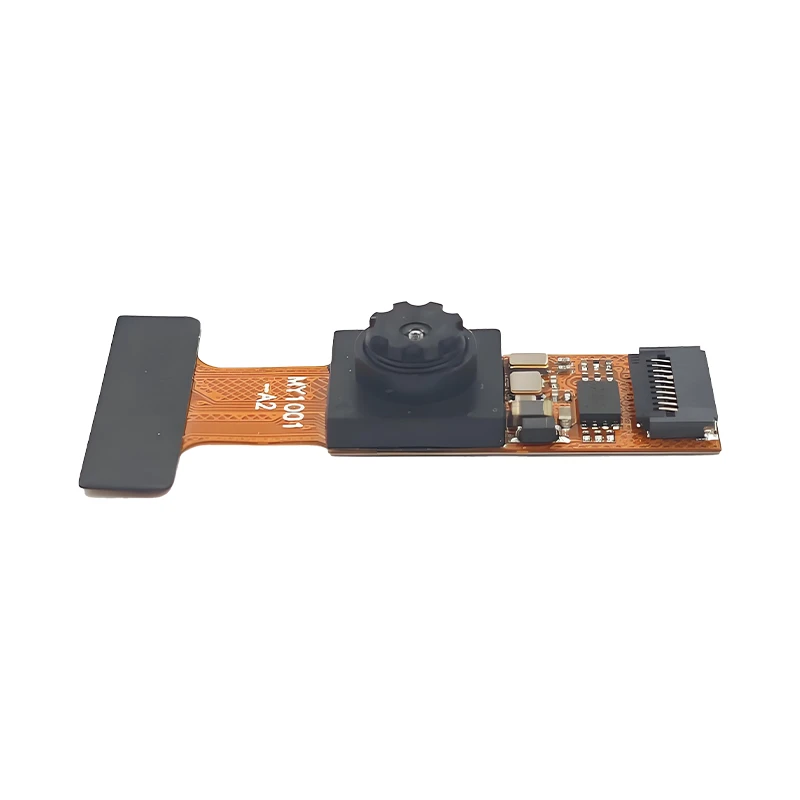
MY-1001-A2 AI Tracking, Gesture Recognition, Sitting Posture Detection Smart Camera Module
-
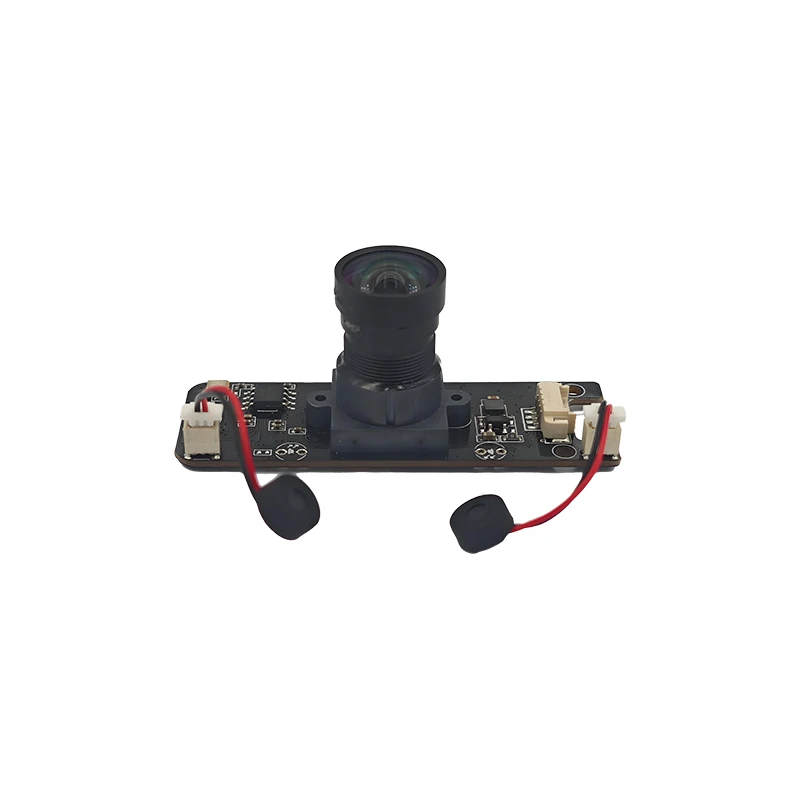
MY-USB8M158A 4K Resolution HD Video Driver-Free USB Camera Module With Microphone
