engaged in camera related products' R&D, design and production



The camera module is a critical component in a vast and expanding range of modern technologies, from smartphones and automotive systems to medical devices and industrial automation. Its ability to capture and process visual information efficiently and reliably fuels innovation across countless sectors. Understanding the intricacies of camera module technology is paramount for engineers, designers, and anyone involved in developing the next generation of intelligent systems. The advancements in this field directly impact our daily lives, improving safety, convenience, and overall quality of life.
Globally, the demand for high-quality camera modules continues to surge, driven by the increasing adoption of imaging technologies in diverse applications. According to a recent report by Grand View Research, the global image sensor market was valued at USD 20.06 billion in 2022 and is expected to grow at a compound annual growth rate (CAGR) of 13.2% from 2023 to 2030. This growth is fueled by factors such as the rising demand for smartphones with advanced camera capabilities, the growing automotive industry, and the increasing use of surveillance systems. Addressing the challenges of miniaturization, power efficiency, and image quality in these modules is crucial for sustained innovation.
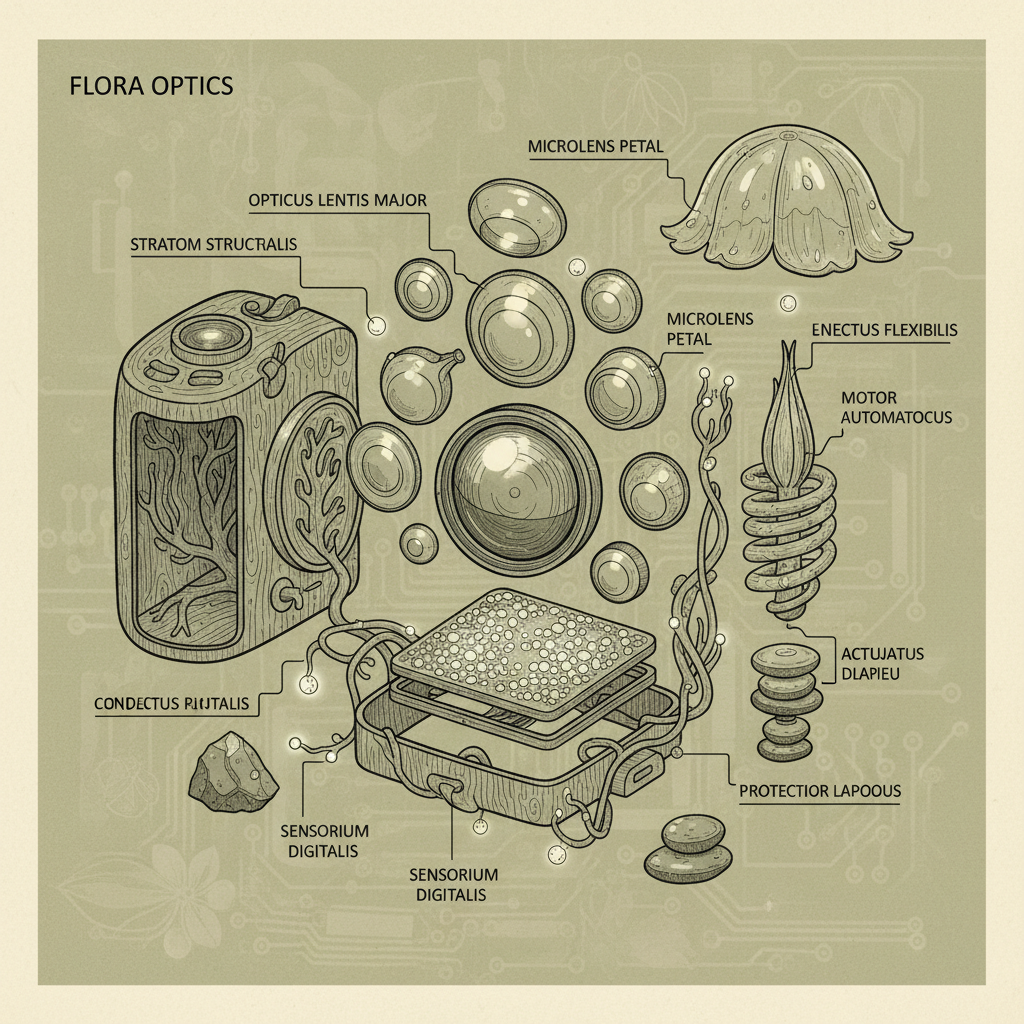
At its core, a camera module is a self-contained unit consisting of a lens, image sensor, and image signal processor (ISP). It's more than just a 'camera'; it’s a miniaturized imaging system. This integrated approach simplifies the design process for manufacturers, reducing time-to-market and development costs. This integrated design is increasingly important in applications requiring compact and efficient imaging solutions, leading to greater adoption of the camera module across various industries.

The proliferation of imaging technology across diverse industries has created a global demand for increasingly sophisticated camera modules. From surveillance and security systems to automotive driver-assistance systems and medical imaging, the need for high-resolution, reliable, and cost-effective imaging solutions is rapidly expanding. This demand isn't limited to consumer electronics; industrial applications, such as quality control and machine vision, are also driving significant growth in the camera module market.
The image sensor market, a core component of camera modules, is heavily influenced by advancements in CMOS (Complementary Metal-Oxide-Semiconductor) technology. These sensors offer improved image quality, lower power consumption, and reduced costs compared to older CCD (Charge-Coupled Device) sensors. The ability to integrate increasingly complex functionality onto a single chip is crucial for meeting the demands of miniaturization and performance. Moreover, the rise of artificial intelligence (AI) and machine learning (ML) is creating new opportunities for camera modules to perform intelligent image analysis directly at the edge, reducing the need for cloud processing.
A major challenge within the industry is maintaining image quality while reducing module size and cost. Manufacturers are constantly seeking innovative solutions to optimize lens design, sensor technology, and image processing algorithms to overcome these limitations. The global supply chain disruptions experienced in recent years have also highlighted the importance of diversifying sourcing and building resilient manufacturing capabilities, particularly for critical components like camera modules.
The lifespan of a camera module in a harsh environment heavily depends on its build quality, protective measures, and the severity of the environment. A well-sealed, ruggedized module designed for extreme temperatures and vibrations can last 5-10 years with minimal degradation. Factors like humidity, dust ingress, and UV exposure can significantly reduce lifespan. Regular maintenance and inspection are crucial for maximizing longevity in challenging conditions.
Image stabilization, whether optical (OIS) or electronic (EIS), drastically improves image and video quality, especially in low-light conditions or when the camera is moving. OIS physically moves the lens elements to compensate for camera shake, resulting in sharper images. EIS uses software algorithms to stabilize the image. Both technologies reduce motion blur and allow for longer exposure times, enhancing low-light performance.
CMOS sensors are generally more energy-efficient and cost-effective than CCD sensors, making them the dominant technology in most applications. CCD sensors traditionally offered higher image quality and lower noise but are now being surpassed by advancements in CMOS technology. CMOS sensors also allow for more features to be integrated onto a single chip, enabling functionalities like HDR and faster readout speeds.
The required resolution depends on the intended use case. For general-purpose photography, 12-24 megapixels is typically sufficient. Applications requiring detailed image analysis, such as industrial inspection or medical imaging, may benefit from higher resolutions (50MP or more). Consider the required level of detail, the viewing distance, and the available storage capacity when selecting a camera module’s resolution.
The lens aperture controls the amount of light that enters the camera module and affects the depth of field. A wider aperture (lower f-number) allows more light in, resulting in brighter images and a shallower depth of field (blurred background). A narrower aperture (higher f-number) allows less light in, resulting in darker images and a deeper depth of field (more of the image in focus). Selecting the appropriate aperture is crucial for achieving the desired aesthetic and capturing sharp, well-exposed images.
Protecting a camera module from condensation requires a multi-faceted approach. Using a module with a conformal coating can help prevent moisture from damaging the electronics. Incorporating a desiccant packet within the housing can absorb excess humidity. Additionally, ensuring proper sealing of the module and its enclosure is vital. Operating the module within its specified temperature and humidity range is also critical.
In conclusion, the camera module is a foundational component driving innovation across a multitude of industries. From its impact on consumer electronics and automotive systems to its critical role in medical diagnostics and industrial automation, its versatility and ongoing development continue to shape the way we interact with the visual world. Understanding the core components, key applications, and emerging trends surrounding camera modules is essential for anyone involved in developing or utilizing imaging technologies.
Looking ahead, the integration of AI, advancements in sensor technology, and a focus on sustainability will continue to define the future of camera modules. Investing in research and development, fostering collaboration between manufacturers and researchers, and addressing the challenges of miniaturization and cost optimization will be crucial for unlocking the full potential of this transformative technology. Visit our website at www.szmyccm.com to learn more about our cutting-edge camera module solutions.