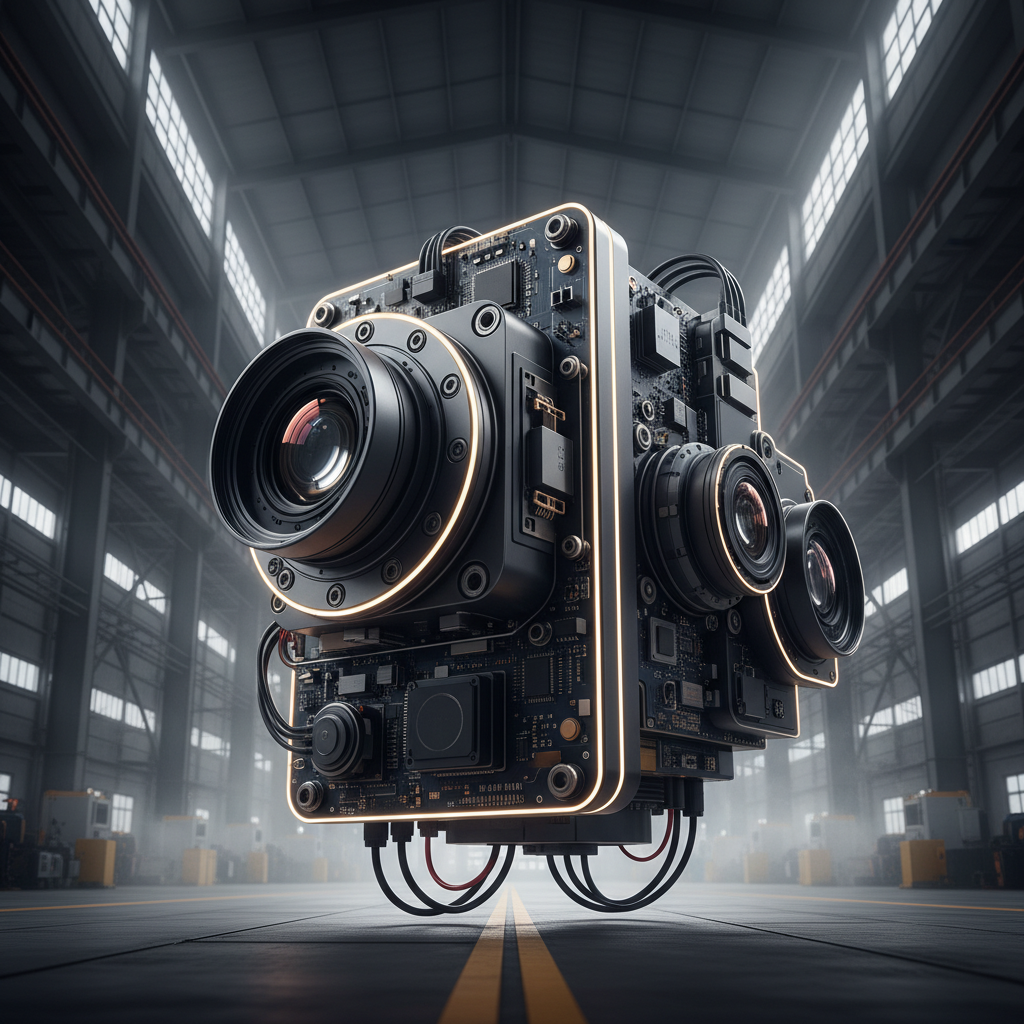
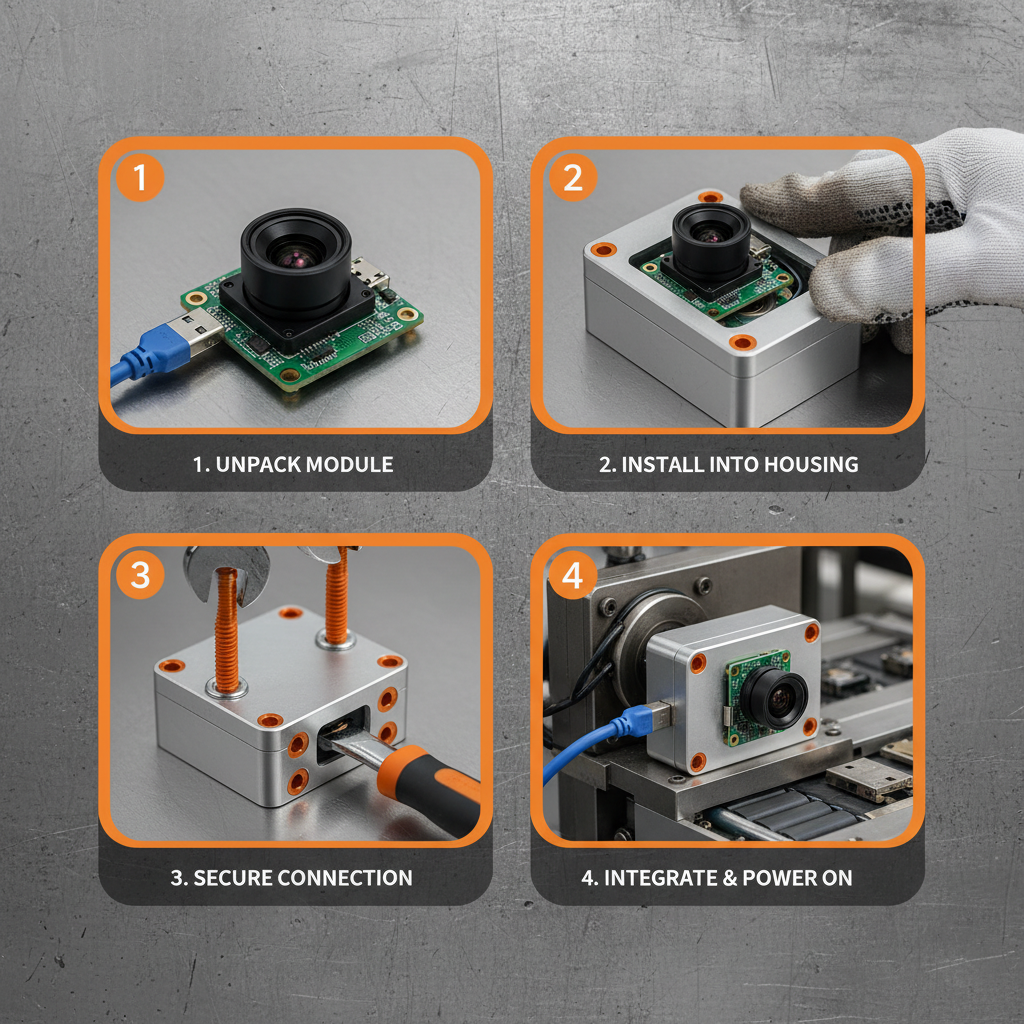
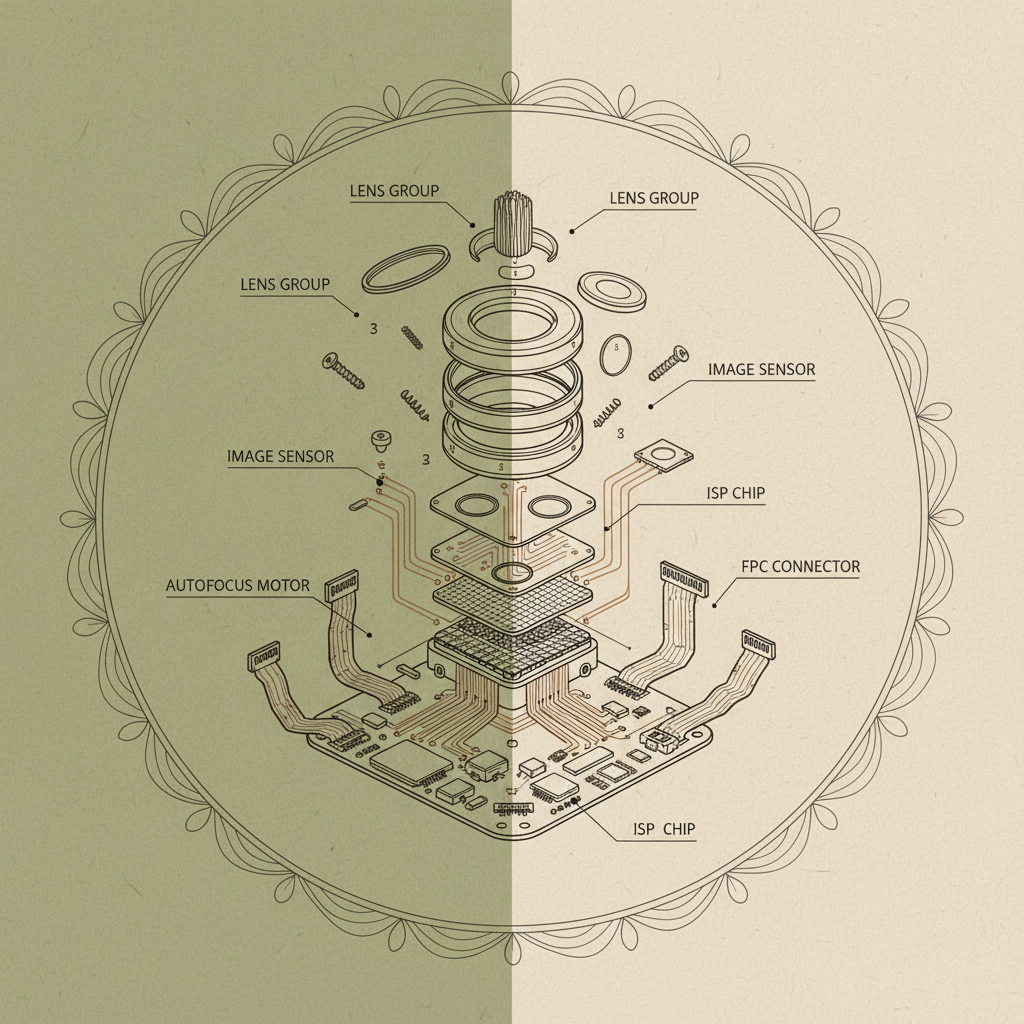
Honestly, this camera module supplier business… it’s been a whirlwind lately. Everyone’s talking about AI, right? And higher resolution, smaller sizes… it’s all about cramming more pixels into less space. But you spend enough time on construction sites – which I do, more than I'd like, frankly – and you realize the fancy specs only get you so far. What really matters is whether the darn thing can survive a drop, a bit of dust, and a whole lot of jostling. It’s a different world than the pristine lab environment, believe me.
People think it’s just about picking a sensor and slapping a lens on it. Wrong. It's layers and layers of details. I’ve seen too many designs fall apart because they didn't account for thermal expansion, or the way the adhesive interacts with different plastics. It sounds trivial, but it can completely ruin a batch. And those thermal issues? Don't even get me started.
You’d be surprised how many engineers have never actually touched the materials they specify. They’ll write a datasheet like it’s gospel, but they haven’t felt the weight of the PCB, smelled the flux, or wrestled with a tight connector. This is where the field work helps - you quickly learn to appreciate what works in the real world.
The Shifting Landscape of Camera Module Supply
Have you noticed the supply chain issues lately? It's wild. Everything’s getting tighter, lead times are stretching, and prices are all over the place. The big players are all vying for the same CMOS sensors, and smaller camera module supplier companies are getting squeezed. It’s making it harder to guarantee consistent quality and delivery, that's for sure.
The demand is driven by everything – automotive, drones, security systems, even appliances are packing cameras now. And with the push for edge AI, everyone wants modules that can do processing on the device, not just capture images. That means more complex hardware, more power consumption, and a whole new set of challenges for the camera module supplier.
Design Pitfalls: Avoiding Common Mistakes
To be honest, I encounter the same mistakes over and over. People underestimate the importance of proper shielding. Electromagnetic interference can wreak havoc on image quality, especially in noisy environments. And then there's the issue of lens distortion. It’s easy to get a good-looking image in a controlled setting, but what happens when you mount it on a vibrating machine? Things get messy, fast.
Another big one is connector selection. Pick the wrong one, and you’re looking at intermittent connections, corrosion, and a whole lot of headaches. You'd think people would learn from the last time a connector failed, but… they don’t. It's strange.
Then there’s thermal management. Cramming all that processing power into a tiny module generates heat. If you don’t dissipate it properly, you'll get image artifacts, reduced performance, and eventually, complete failure. Simple things like adding a heatsink or optimizing the PCB layout can make a huge difference.
Materials Matter: A Hands-On Perspective
The PCB material… now that's important. FR-4 is the standard, but for high-frequency applications, you need something better, like Rogers. It feels different, it smells different… it’s just more stable. But it’s also more expensive. You gotta balance cost with performance, right? I encountered this at a factory in Dongguan last time – they were trying to save a few pennies by using a cheap PCB, and the whole batch failed testing.
The adhesive is crucial too. You want something that’s strong, flexible, and resistant to temperature changes. I've seen adhesives that become brittle in the cold, or lose their grip in the heat. And don't even get me started on outgassing – some adhesives release fumes that can fog up the lens. It’s a nightmare to debug. The feel of a good adhesive is a little… tacky, but not too tacky. It needs to bond securely but allow for some thermal expansion.
And the lenses, of course. Glass is still king for optical clarity, but plastic lenses are lighter and cheaper. You need to consider the environment when choosing. Glass is more scratch-resistant, but plastic is less likely to shatter. It all depends on the application, honestly. Anyway, I think a good camera module supplier should have a dedicated materials lab.
Real-World Testing: Beyond the Lab
Lab tests are fine, but they don’t tell the whole story. Drop tests, vibration tests, temperature cycling… you need to simulate the conditions the module will actually experience. We built a little shake table in the back of the workshop just for this purpose. It’s a bit rough around the edges, but it gets the job done.
I’ve seen modules pass all the lab tests but fail miserably in the field. It's usually because they didn’t account for real-world variations in temperature, humidity, and vibration. You also need to test for long-term reliability. A module that works perfectly for a few hours might degrade over time. That’s where burn-in tests come in handy.
Camera Module Supplier Performance Metrics
User Application: It's Not Always What You Expect
You design a camera module for a security camera, right? You expect it to be mounted on a wall, looking out for intruders. But then you find out they’re using it on a drone, flying in high winds and extreme temperatures. Or they're sticking it inside a robotic vacuum cleaner, covered in dust and pet hair. Later… forget it, I won’t mention it. People find ways to use things you never imagined.
That’s why it’s important to talk to your customers, understand their applications, and design accordingly. Don't just assume you know what they need.
Advantages and Disadvantages: A Balanced View
A good camera module supplier provides convenience, cost savings, and reduced development time. You don't have to design everything from scratch. But you also give up some control. You're relying on the supplier's expertise and quality control. And there's always the risk of supply chain disruptions.
The biggest advantage is the sheer speed to market. If you need a camera in a hurry, buying a module is the way to go. But if you need something highly customized, or if you have very specific performance requirements, you might be better off designing your own solution. It’s a trade-off.
Honestly, a lot of these modules are pretty good now. The image quality is improving all the time, and the prices are coming down. But you still get what you pay for. The cheaper modules are often less reliable and have poorer performance.
Customization and a Customer Story
Customization is key. A lot of customers need something tailored to their specific application. We had a customer last month, that small boss in Shenzhen who makes smart home devices, insisted on changing the interface to . Said it was “the future”. The result was a complete redesign of the connector board, a delayed launch, and a lot of frustration. He thought it would be a simple swap, but it wasn’t. It messed with the power delivery and signal integrity.
But we accommodated him, eventually. We can usually modify things like lens focal length, sensor resolution, and connector type. We can also add custom firmware to optimize performance for specific applications. But it's important to understand the implications of those changes. Sometimes, a seemingly small modification can have a big impact on the overall system.
Anyway, I think a flexible camera module supplier is a valuable partner. Someone who can work with you to find the best solution for your needs, even if it means going the extra mile.
Key Component Analysis of Camera Module Suppliers
| Component |
Criticality (1-5) |
Potential Failure Mode |
Mitigation Strategy |
| Image Sensor |
5 |
Dead Pixels, Noise |
Rigorous Testing, Statistical Analysis |
| Lens Assembly |
4 |
Distortion, Scratches |
Quality Control, Protective Coating |
| PCB (Printed Circuit Board) |
3 |
Short Circuits, Trace Damage |
Design Verification, Material Selection |
| Connectors |
4 |
Corrosion, Intermittent Connection |
Gold Plating, Environmental Testing |
| Adhesive |
2 |
Outgassing, Degradation |
Material Compatibility Testing |
| Firmware |
3 |
Bugs, Performance Issues |
Code Reviews, Thorough Testing |
FAQS
Lead times can vary significantly depending on the complexity of the customization and current demand. Generally, you can expect anywhere from 4 to 12 weeks for a fully custom module. We try to be as transparent as possible and provide a realistic timeline upfront. It also depends on component availability, especially those specialized sensors. Honestly, these days, predicting lead times is a gamble.
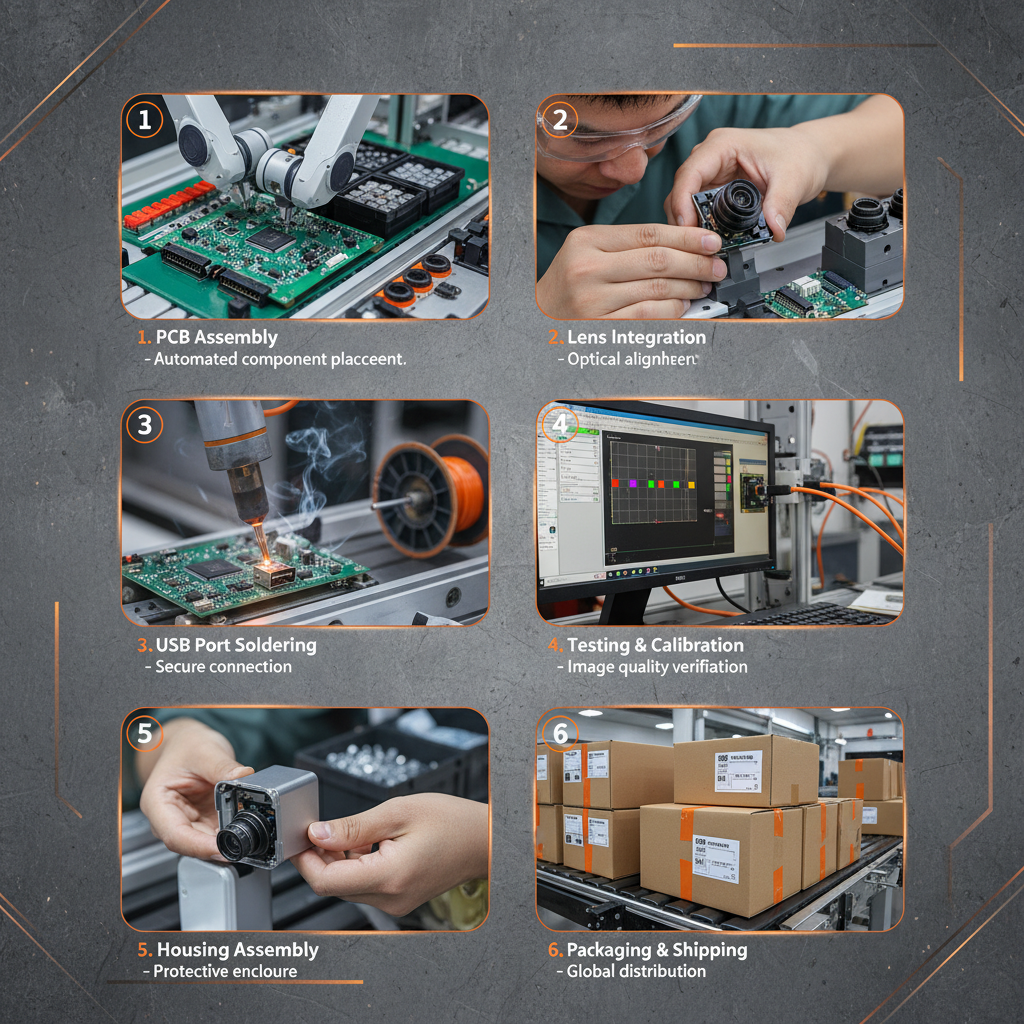
We have a multi-stage quality control process. It starts with incoming material inspection, then in-process checks during assembly, and finally, rigorous testing of the finished modules. We use automated testing equipment, as well as manual visual inspection. We also perform burn-in tests to identify any early failures. Our QC department is pretty serious about catching issues before they reach the customer. Have you noticed, even small defects can snowball into big problems later?
Absolutely. We offer modules that comply with RoHS, REACH, and other relevant environmental standards. We work closely with our suppliers to ensure that all materials are compliant. We can also provide documentation to verify compliance. It's becoming increasingly important to meet these standards, especially for customers selling into Europe and other regulated markets.
The MOQ varies depending on the complexity of the customization. For simple modifications, we can often accommodate smaller quantities. However, for full custom designs, the MOQ is typically around 1000 units. It’s a balancing act – we need to recoup the engineering and tooling costs. I encountered this at a customer's facility last month, they needed only 50 units and were frustrated with the MOQ.
Yes, we do. We provide technical support to help our customers integrate our modules into their products. This includes providing datasheets, application notes, and sample code. We also have a team of engineers available to answer your questions and provide guidance. Strangely, the most common issue is usually related to power supply requirements.
We support a wide range of image output formats, including JPEG, PNG, YUV, and RAW. The specific formats supported depend on the module and firmware configuration. We can also customize the output format to meet your specific needs. It’s usually easy enough to adjust in the firmware if a customer has a particular requirement.
Conclusion
So, when it comes down to it, choosing a camera module supplier isn't just about the specs on a datasheet. It’s about finding a partner who understands your needs, can deliver consistent quality, and can adapt to the ever-changing demands of the industry. It’s about materials, testing, customization, and a whole lot of real-world experience.
Ultimately, whether this thing works or not, the worker will know the moment he tightens the screw. And that’s the bottom line. If you’re looking for a reliable camera module supplier, visit our website to learn more about our capabilities and how we can help you succeed.