


Nov . 28, 2025 10:25 Back to list
Choosing the Best Microphone and Camera for Laptop: Global Insights & Trends
Why a Quality Microphone and Camera for Laptop Matter More Than Ever
It might sound straightforward—just a mic and a camera, right? But the humble microphone and camera for laptop have quietly become the linchpins of our professional and personal lives worldwide. From remote work and online education to international conferences and humanitarian aid coordination, these devices aren't just peripherals; they’re bridges.
Why does this matter on a global scale? Well, roughly 60% of the world’s population now has internet access (ITU, 2023), and a large chunk of this connectivity relies on devices with built-in cameras and microphones. With the rise of virtual communication, understanding and choosing the right laptop mic and camera can greatly impact everything from collaboration quality to security and inclusivity.
In this article, we’ll dive into what these devices really entail, their core components, where they make the biggest difference globally, and some exciting future trends.
Setting the Context: The Global Demand for Laptop Microphones and Cameras
Let’s be frank—if 2020 taught us anything, it’s how essential reliable communication tech is. According to a UN report (2022), over 1.5 billion students globally moved to remote learning during the pandemic, relying on their microphone and cameras for laptops to stay connected. Businesses, too, had to adapt swiftly, using video conferencing to stay afloat.
But here’s the rub: not all microphone and camera modules are created equal. The World Bank has highlighted disparities in digital infrastructure, and part of this is due to varying hardware quality. Poor microphone sensitivity or grainy images make virtual engagement frustrating, reducing accessibility and performance, especially in developing regions.
So, the challenge is clear — how can manufacturers and users ensure affordable, high-quality microphones and webcam integration for laptops that match the scale of global needs?
What Exactly Is a Microphone and Camera for Laptop?
Put simply, these are embedded or external devices that capture audio (microphone) and video (camera), enabling digital communication. Modern laptops generally have tiny microphones and cameras nestled around the screen bezel, but their quality varies significantly.
Interestingly, the development of these components is tied closely with the shift toward multimedia and remote solutions, powering everything from Zoom calls to AI-powered noise cancellation and facial recognition features. Their importance stretches beyond just boardrooms — humanitarian workers rely on them for real-time data transfer while on the field, NGOs use video calls to coordinate, and educators use them to reach students in remote areas.
Core Components to Watch For in Microphones and Cameras
1. Resolution and Image Quality
The camera’s resolution—often expressed in megapixels or HD standards—dictates how clear the image will be. While HD (720p) is common, many budget laptops still stick to VGA specs, which frankly, look quite outdated on a video call. A better camera ensures sharper, more lifelike images, reducing eye strain in longer meetings.
2. Microphone Sensitivity and Noise Cancellation
Microphones need to capture your voice clearly while filtering background noise. Dual or array mics with advanced noise suppression make a genuine difference in noisy environments—be it a household with kids running around or a loud cafe. This feature is often overlooked but is a gamechanger for call clarity.
3. Durability and Build Quality
Given daily use, these components need to endure frequent opening and closing, occasional bumps, and even dust or moisture exposure. Manufacturers are increasingly using scratch-resistant glass for camera lenses and flexible, robust wiring for microphones to extend life.
4. Privacy and Security Features
Increasingly, users demand privacy shutters for cameras or hardware mute buttons for microphones—both vital for preventing unauthorized surveillance. This ties into broader trust issues about device security, which is particularly crucial for sensitive fields like healthcare or defense.
5. Power Efficiency
Often ignored, microphones and cameras affect a laptop’s battery life. Efficient components help keep energy consumption low, which is essential for professionals on the move who may not have frequent charging opportunities.
| Feature | Standard Entry Level | Premium Level |
|---|---|---|
| Camera Resolution | 720p HD (1280x720) | 1080p Full HD (1920x1080) |
| Microphone Configuration | Mono, basic noise filtering | Dual-array, active noise cancellation |
| Privacy Features | None | Physical camera shutter, mic mute button |
| Power Consumption | ~0.5W during use | ~0.3W with optimized standby |
| Operating Temperature | 0–40°C | -10–50°C |
Real-World Applications That Highlight Their Importance
From Silicon Valley startups to NGOs in remote parts of Africa, the combination of laptop microphones and cameras is foundational. During post-disaster relief efforts, organizations use live video calls to assess needs and stockpile supplies efficiently. For example, in Nepal after the 2015 earthquake, aid workers depended heavily on mobile laptop setups with reliable microphones and cameras to coordinate rescue teams scattered across difficult terrain.
In the corporate world, seamless integration translates into fewer dropped calls, clearer presentations, and often, a competitive edge. Remote industrial zones — think offshore oil rigs or isolated mining camps — benefit from rugged laptops with enhanced mic and camera setups to maintain safety meetings and diagnostics without delay.
Key Benefits of Using High-Quality Microphones and Cameras on Laptops
- Improved Communication: Clear audio and sharp video reduce misunderstandings and fatigue during long virtual meetings.
- Greater Inclusivity: Supports captioning and accessibility features that benefit users with disabilities.
- Cost Efficiency: Eliminates the need for expensive external peripherals or repeated hardware replacements.
- Sustainability Impact: Longer-lasting components reduce e-waste and support circular tech economy goals.
- Privacy Protection: Hardware features help safeguard sensitive conversations.
Mini takeaway: A quality microphone and camera setup is not a luxury anymore — it's a key enabler for trust, clarity, and inclusivity across diverse sectors worldwide.
Looking Ahead: What the Future Holds for Laptop Audio-Visual Tech
Innovation rarely takes a pause in this sector. The next wave involves AI-enhanced microphones that can isolate human voices perfectly even in chaotic environments, and cameras with HDR capabilities that adjust to lighting in real time. Moreover, sustainability is driving manufacturers to explore bioplastics for camera lens covers and low-power audio chips.
Privacy technologies are also evolving — I’ve noticed a growing trend for physical and software hybrid solutions that notify users instantly if the camera or microphone is accessed unexpectedly.
Finally, expect tighter integration with microphone and camera for laptop functionality in the context of IoT devices and smart home setups, which will create new opportunities and challenges.
Common Challenges and How to Overcome Them
Despite progress, budget constraints still push manufacturers to cut corners on these components, sometimes resulting in low sensitivity microphones or grainy cameras that limit usability. Besides, environmental factors like glare or ambient noise markedly impair effectiveness.
One practical solution I’ve seen adopted widely is modular design: allowing users to upgrade or replace cameras or microphone modules easily instead of swapping laptops entirely. Another is enhanced firmware updates that improve image processing or noise reduction over the air.
Vendor Comparison for Laptop Microphone and Camera Modules
| Vendor | Camera Resolution | Microphone Features | Typical Price per Unit | Notable Clients / Markets |
|---|---|---|---|---|
| CamTech Solutions | 1080p Full HD | Dual-array noise canceling | $12 - $18 | Corporate, Education, Healthcare |
| MicroSound Inc. | 720p HD | Mono mic, basic filtering | $6 - $10 | Budget Laptops, NGOs |
| Visionary Components | 4K Ultra HD (selected) | Advanced AI noise suppression | $20 - $30 | High-End Business, Creative Pros |
FAQs: Quick Answers on Microphone and Camera for Laptop
Q1: What makes a laptop microphone better for conference calls?
A laptop microphone with a dual-array setup and active noise cancellation best captures voice clearly while minimizing ambient noise. Features like beamforming focus on your voice and ignore background chatter, significantly improving remote meeting quality.
Q2: Is it better to use an external USB camera and microphone versus built-in ones?
It depends. External devices often provide superior quality and additional features, but quality built-in microphones and cameras save space and reduce clutter. For most casual users, modern integrated devices suffice. Professionals needing higher quality should consider external gear.
Q3: How does camera resolution impact video calls?
Higher resolution cameras (1080p vs 720p) deliver sharper images and better detail, which is especially noticeable on large screens or during presentations. However, they consume more bandwidth, so balancing resolution with internet speed is important.
Q4: Can built-in laptop microphones pick up noise from typing or background fans?
Lower-end microphones might, but advanced laptops use array microphones combined with AI algorithms to filter out repetitive noises like typing or HVAC systems, improving call clarity.
Q5: How do privacy shutters on laptop cameras work?
Privacy shutters are physical covers integrated into the laptop frame that slide over the camera lens to block it. Unlike software disables, they guarantee visual blockage and prevent hacking-related spying concerns.
Wrapping It Up: Why Your Next Laptop Should Have Great Mic and Camera Tech
In a world that’s increasingly digital, the simple combination of microphone and camera for laptop shifts from nice-to-have to a fundamental need with broad implications. Whether you work remotely, study online, or support critical humanitarian work, these components enable voice, presence, and trust.
Buying a laptop or upgrading your gear? Consider specs like resolution, microphone array, privacy options, and durability. It’s not just hardware — it’s a gateway to clearer communication and safer connection, wherever you are on the planet.
Explore more about the best microphone and camera for laptop options tailored to your needs on our website.
~ Thanks for reading. Feel free to drop a question or share your experience with laptop audio-visual gear — it’s always enlightening to hear real-world stories.
References
-
Guide to Raspberry Pi Camera Module v3 with Powered Autofocus
NewsApr.16,2026
-
Guide to Using the raspberry pi camera module v1 3 for IoT Projects
NewsApr.09,2026
-
Exploring the Capabilities of the Raspberry Pi Camera Module 3 Noir for Diverse Applications
NewsApr.07,2026
-
Unlocking Visual Potential with the Raspberry Pi Camera Module 3 for Advanced Projects
NewsApr.04,2026
-
Raspberry Pi Noir Camera Module V2 8MP 1080p30 A Comprehensive Guide for Projects
NewsMar.31,2026
-
Comprehensive Guide to the Raspberry Pi 3 B+ Camera Module and Its Applications
NewsMar.28,2026
-
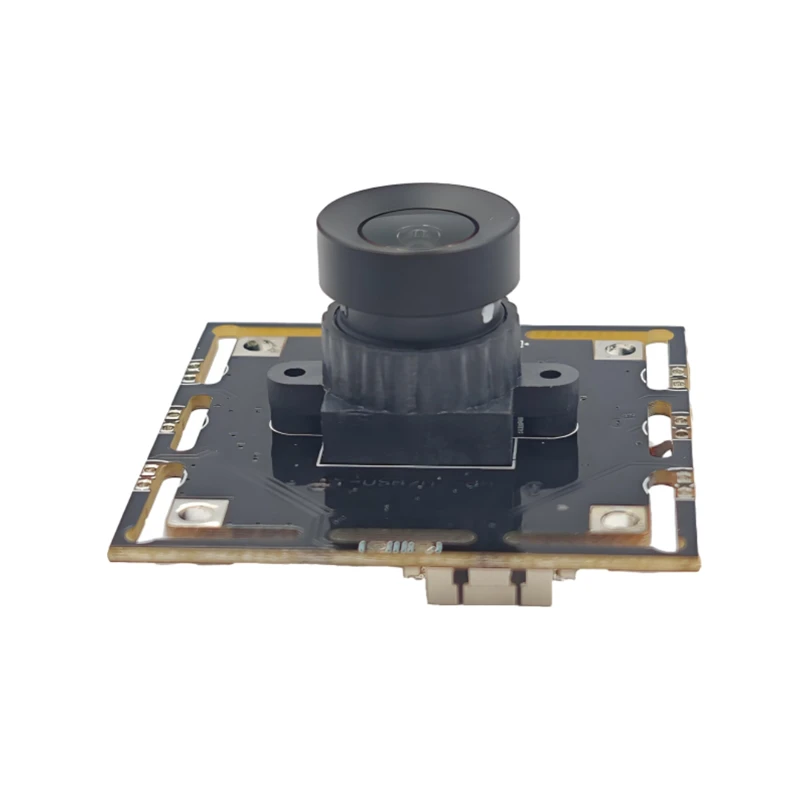
MY-USB1M818A Global Exposure Usb Camera Module With 1mp Hd Video
-
-
-
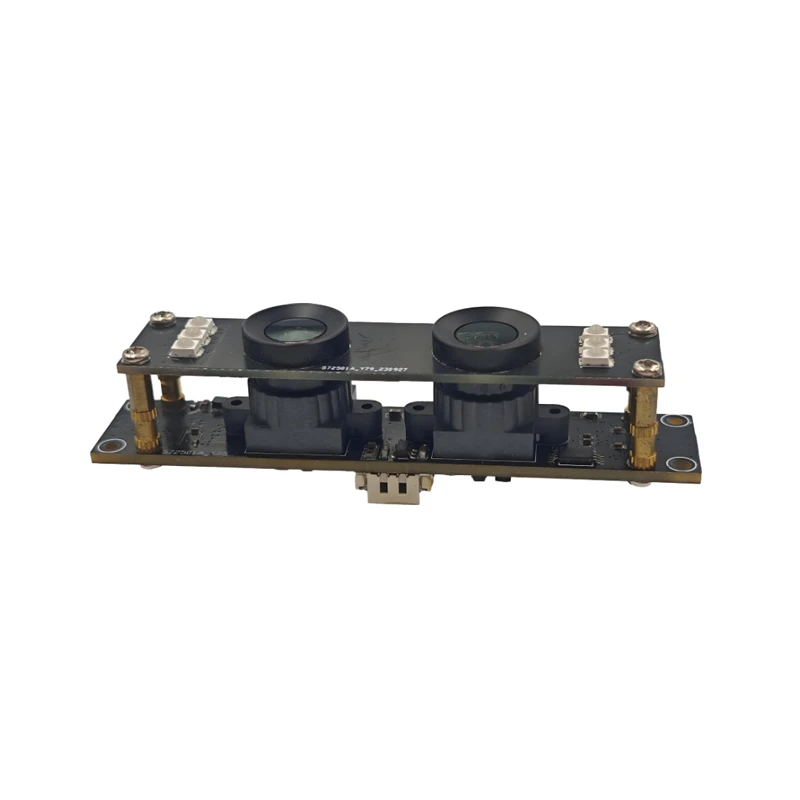
MY-DC52M-A1 Dual Lens Wide Dynamic Range Usb2.0 Camera Module With HD Video 5mp+2mp
-
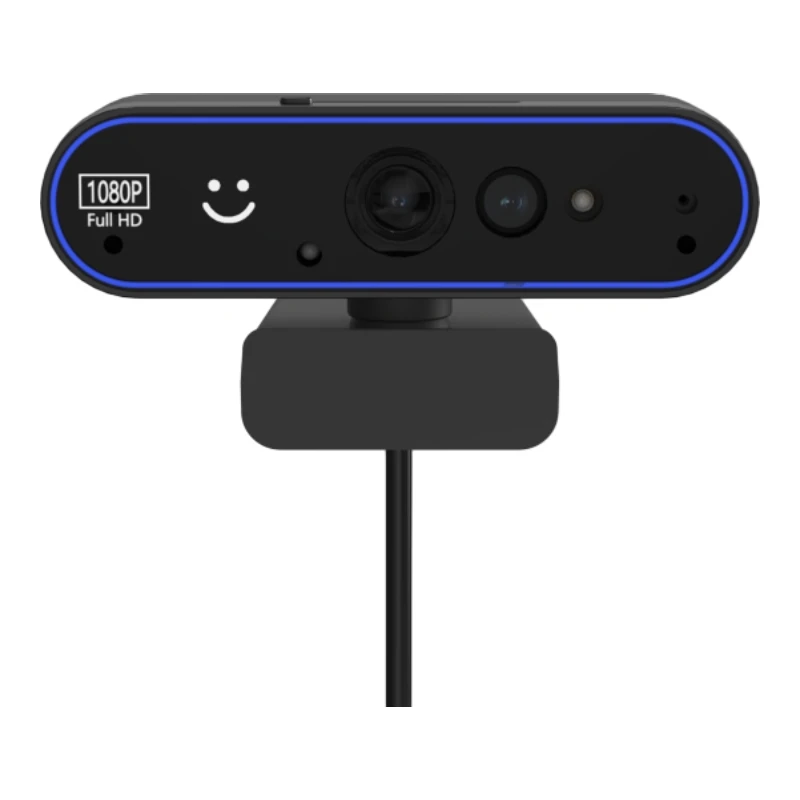
MY-WHC700 Windows Hello Face Recognition Binocular USB Camera
-
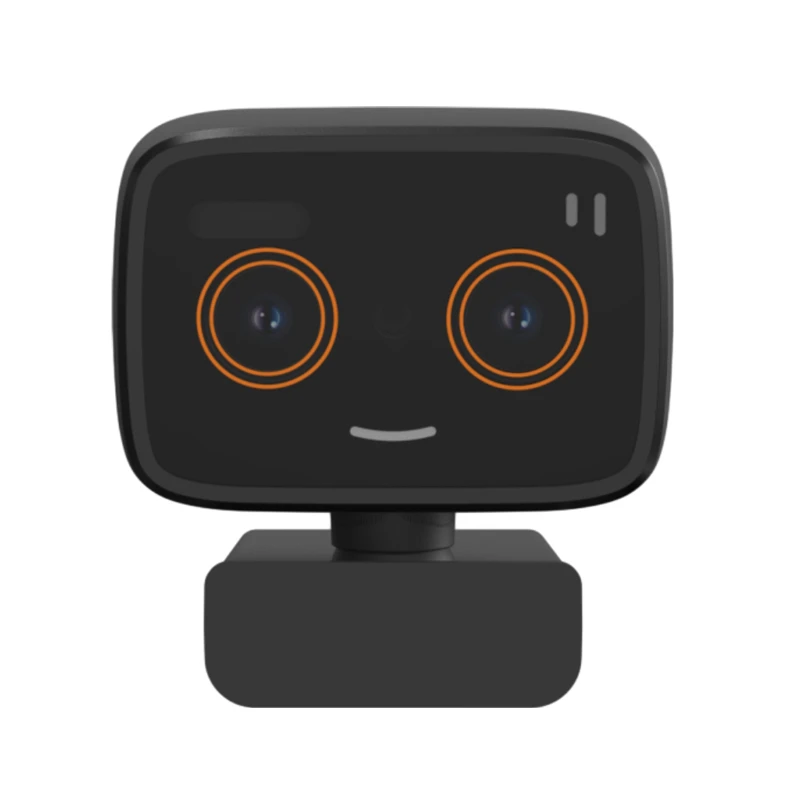
MY-DC-260-A1 Dual Lens Usb2.0 Web Camera With High-definition Video 2mp+2mp
-
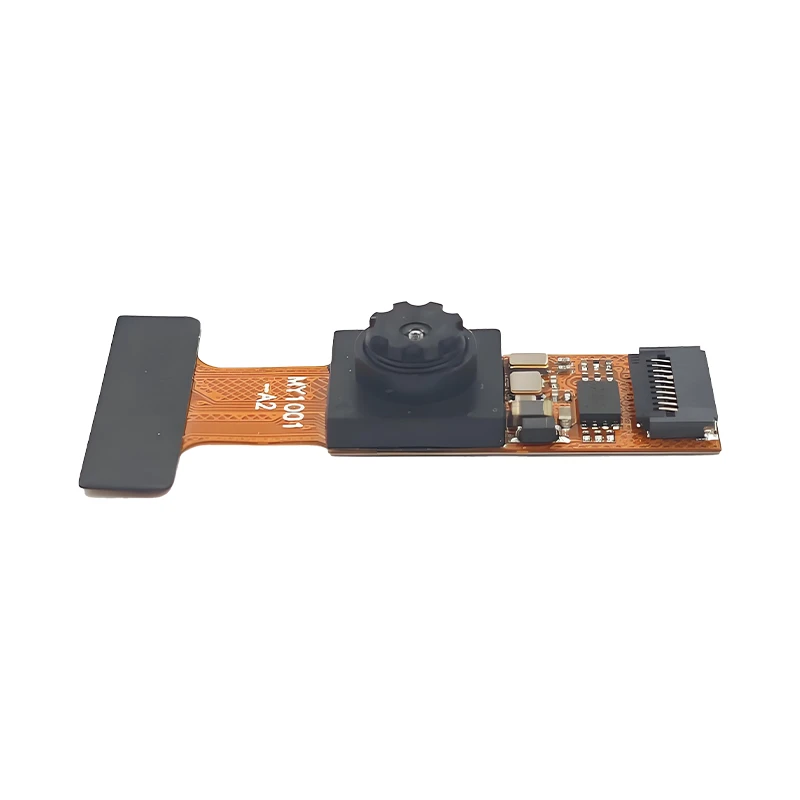
MY-1001-A2 AI Tracking, Gesture Recognition, Sitting Posture Detection Smart Camera Module
-
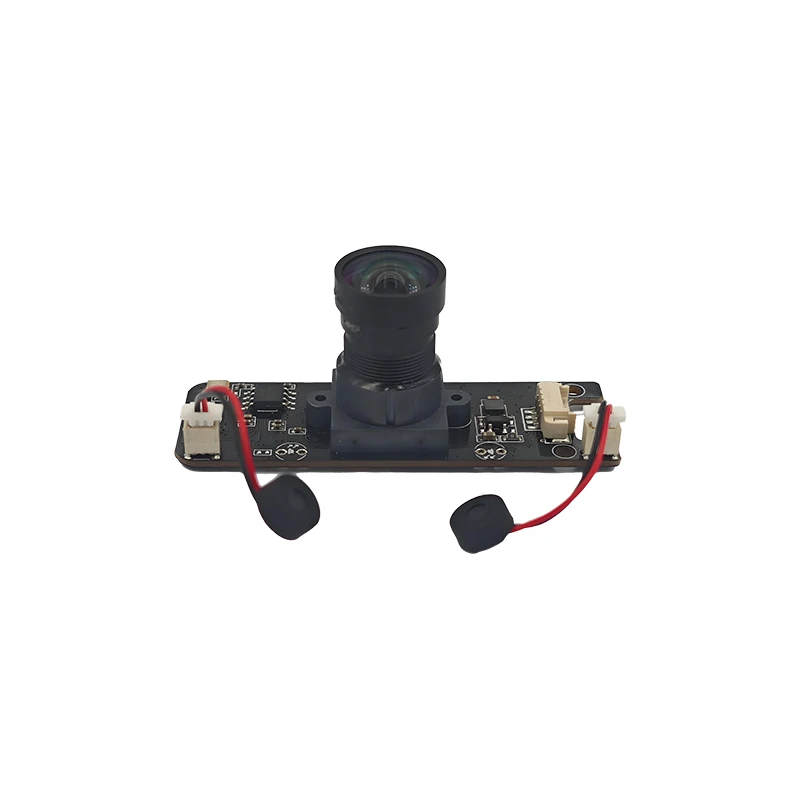
MY-USB8M158A 4K Resolution HD Video Driver-Free USB Camera Module With Microphone
