engaged in camera related products' R&D, design and production
0%

Table of Contents

The demand for high-quality camera modules is surging across a multitude of industries, driven by advancements in machine vision, robotics, and consumer electronics. A comprehensive camera module spec details the critical performance characteristics, ensuring optimal integration and reliability. Understanding these specifications is paramount for engineers, designers, and procurement specialists alike, directly influencing system functionality and overall product success.

Globally, the camera module market is experiencing rapid expansion, projected to reach billions of dollars in the coming years. This growth is fueled by increasing demand in automotive (ADAS), healthcare (medical imaging), and security sectors. A well-defined camera module spec acts as a crucial communication bridge between manufacturers and end-users, minimizing integration issues and maximizing operational efficiency.

Ultimately, investing in a thorough understanding of camera module spec parameters translates to superior product performance, reduced development time, and a competitive edge in the marketplace. This knowledge is not merely technical; it's a strategic asset.


Comprehensive Camera Module Spec Guide for Optimal System Performance

Introduction to camera module spec

Comprehensive Camera Module Spec Guide for Optimal System Performance

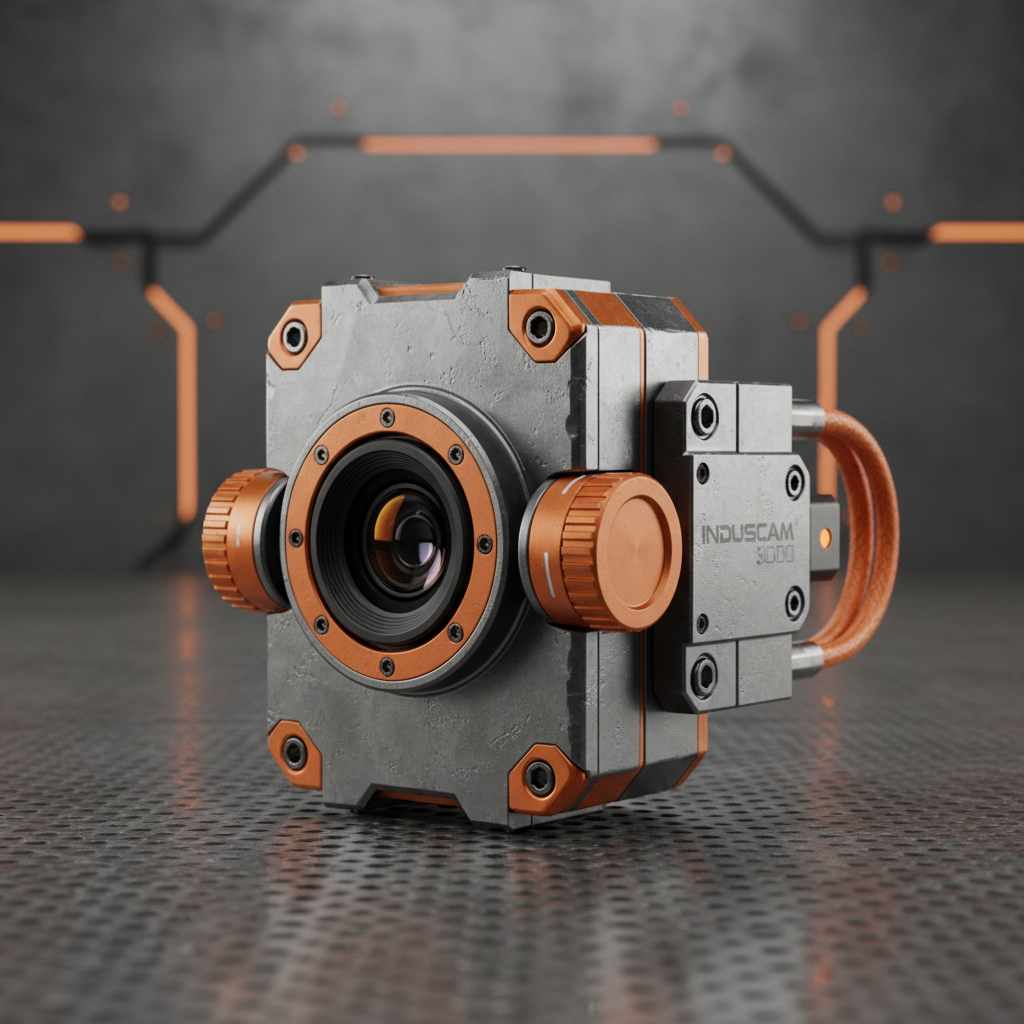
A camera module, at its core, integrates a lens, image sensor, and processing circuitry into a compact unit. The camera module spec outlines the technical parameters governing its performance, from resolution and sensitivity to dynamic range and distortion. These specifications are critical for ensuring compatibility and achieving desired image quality in target applications.

Effective camera module spec management is not limited to hardware; it also encompasses firmware and software aspects influencing image processing, data transmission, and system integration. Careful attention to these details minimizes risks, optimizes efficiency, and facilitates long-term reliability.

Global Relevance and Industry Context

The global market for camera modules is intrinsically linked to the growth of several key industries. According to recent reports, the automotive sector is a major driver, with the rising adoption of Advanced Driver-Assistance Systems (ADAS) demanding high-performance imaging solutions. Simultaneously, the increasing prevalence of smartphones and IoT devices continues to fuel demand for compact, efficient camera modules.

This surge in demand underscores the importance of standardized camera module spec. A lack of clarity or consistency can lead to significant delays, increased costs, and compromised product quality. Organizations like ISO are actively working towards establishing robust standards for camera module testing and certification.

Furthermore, the geopolitical landscape influences supply chain dynamics and technology access. Maintaining a reliable and diverse sourcing strategy, coupled with a deep understanding of camera module spec, is crucial for mitigating potential disruptions.

Defining camera module spec

In essence, a camera module spec is a detailed document outlining the technical characteristics and performance criteria of a camera module. This includes parameters such as resolution (measured in megapixels), sensor size, focal length, field of view, frame rate, and sensitivity (ISO).

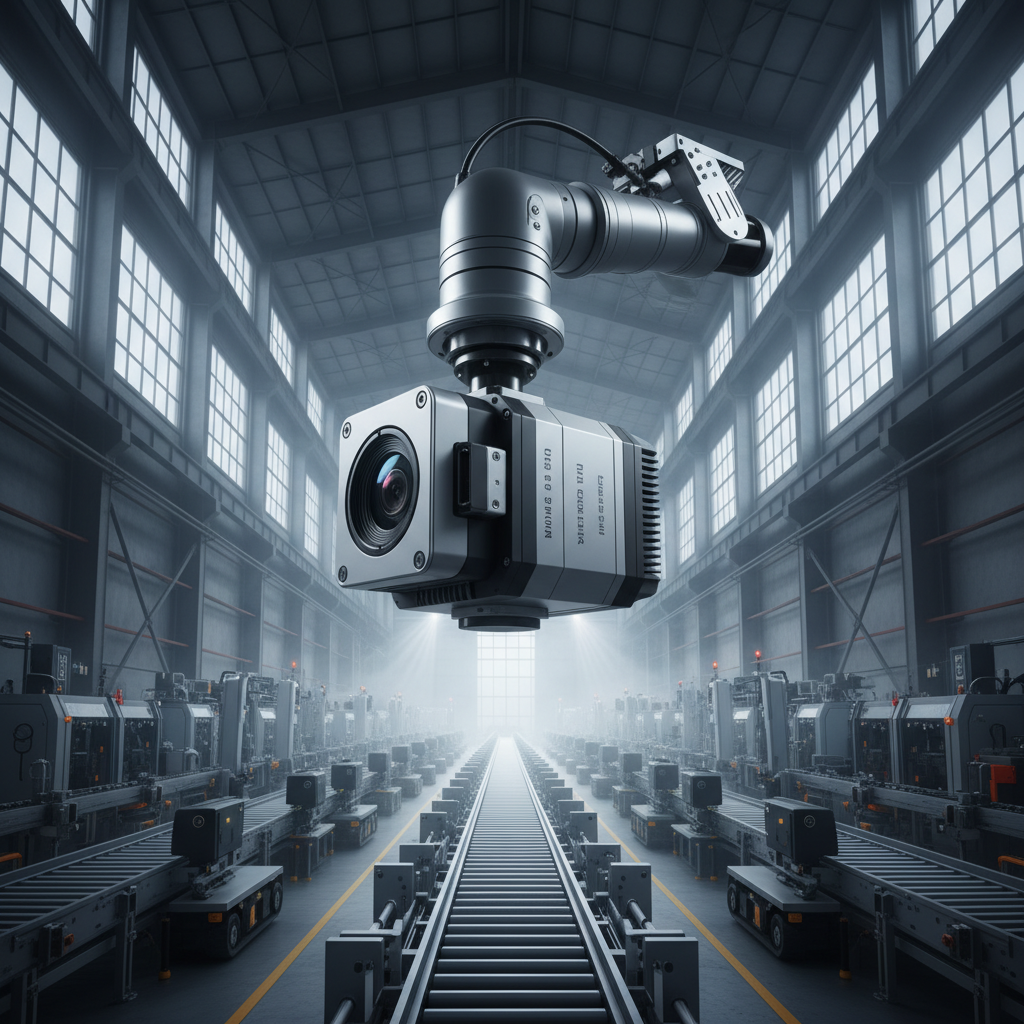
The connection to modern industry and humanitarian needs is profound. In industrial automation, precise imaging is critical for quality control and robotic guidance. In healthcare, high-resolution cameras enable minimally invasive surgery and accurate diagnostics. In disaster relief, drones equipped with camera modules provide vital situational awareness.

Furthermore, a robust camera module spec facilitates interoperability, allowing seamless integration of camera modules into larger systems. It’s the foundation for building reliable and efficient imaging solutions across diverse applications.

Key Factors in camera module spec

Several key factors define a quality camera module spec. Firstly, Resolution dictates the level of detail captured in an image. Higher resolution modules are essential for applications requiring precise identification or analysis.

Secondly, Sensitivity (ISO) determines the module’s ability to capture images in low-light conditions. A higher ISO setting allows for brighter images but can introduce noise. Thirdly, Dynamic Range refers to the difference between the brightest and darkest parts of an image that can be captured simultaneously. A wider dynamic range is vital for scenes with high contrast.

Camera Module Spec Performance Comparison


Applications and Use Cases

Camera modules are ubiquitous in modern life. In the automotive industry, they power ADAS features like lane departure warning and automatic emergency braking. In medical imaging, they enable endoscopic procedures and diagnostic scanning.

These modules are also vital in security and surveillance systems, providing real-time monitoring and threat detection. In agriculture, drones equipped with camera modules are used for crop health assessment and precision farming.

Advantages and Long-Term Value

The advantages of utilizing well-defined camera module spec are numerous. Reduced development cycles, improved product reliability, and lower costs are just a few benefits. A clear specification ensures seamless integration and minimizes compatibility issues.

Long-term value is realized through increased efficiency, enhanced product performance, and a stronger competitive position. Investing in high-quality camera modules and meticulous specification management fosters trust with customers and builds a reputation for innovation.

Future Trends and Innovations

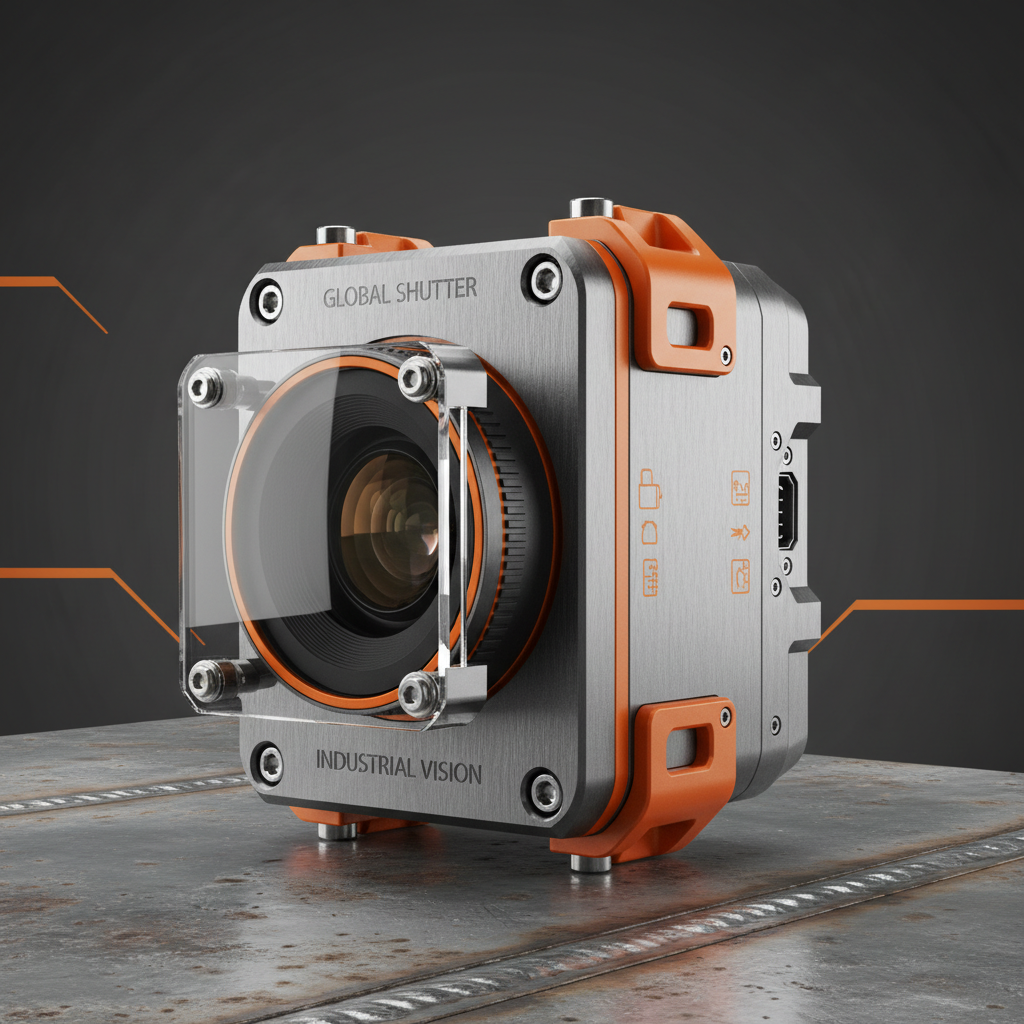
The future of camera module technology is focused on several key trends. Artificial intelligence (AI) is increasingly being integrated into camera modules for object recognition, scene understanding, and autonomous operation. Advancements in sensor technology, such as global shutter sensors, are improving image quality and reducing distortion.

Furthermore, miniaturization and increased power efficiency are crucial areas of development. Researchers are exploring new materials and manufacturing processes to create smaller, more powerful, and energy-efficient camera modules. These improvements will be essential for the next generation of imaging applications.

The convergence of these technologies will drive innovation in areas like autonomous vehicles, robotics, and augmented reality, creating new opportunities and demanding even more sophisticated camera module spec.

FAQS

What key specifications should I prioritize when selecting a camera module for outdoor surveillance?

For outdoor surveillance, prioritize specifications like low-light sensitivity (ISO), weather resistance (IP rating), and dynamic range. A higher ISO enables clear images in low-light conditions, a robust IP rating protects against environmental factors, and a wider dynamic range ensures detail in both bright and dark areas. Also, consider the lens's focal length and field of view to match the surveillance area.

How does sensor size impact image quality in a camera module?

Generally, a larger sensor size leads to improved image quality. Larger sensors capture more light, resulting in lower noise, higher dynamic range, and better low-light performance. They also provide more control over depth of field. However, larger sensors typically come with increased cost and module size.

What is the difference between rolling shutter and global shutter sensors in camera modules?

Rolling shutter sensors scan the image line by line, which can cause distortion when capturing fast-moving objects. Global shutter sensors capture the entire image simultaneously, eliminating distortion. Global shutter sensors are preferred for applications like high-speed imaging and robotics, but they are generally more expensive.

What is the significance of MTF (Modulation Transfer Function) in a camera module spec?

MTF measures the ability of a lens to resolve fine details. A higher MTF value indicates better image sharpness and clarity. It's a crucial parameter for applications requiring precise image analysis or inspection. MTF is typically represented as a curve showing resolution performance across different spatial frequencies.

How can I ensure the camera module I select meets my project's specific requirements?

Carefully review the camera module spec datasheet and compare it to your project's needs. Consider factors like resolution, sensitivity, frame rate, lens characteristics, and environmental requirements. Request samples for testing and evaluation before making a final decision.

What role does firmware play in the overall performance of a camera module?

Firmware controls the camera module's image processing algorithms, data transmission protocols, and overall functionality. Optimizing the firmware can significantly improve image quality, reduce noise, and enhance performance. Look for modules with customizable firmware options to tailor the performance to your specific application.

Conclusion

In conclusion, a thorough understanding of camera module spec is essential for success across a wide range of industries. From automotive and healthcare to security and agriculture, these specifications dictate performance, reliability, and overall system integration. Investing time and resources into selecting the right camera module and carefully reviewing its specifications delivers significant long-term benefits.

As technology continues to evolve, staying abreast of new trends and innovations in camera module design is crucial. The integration of AI, advancements in sensor technology, and the push for miniaturization are shaping the future of imaging. For optimal performance and reliable integration, visit our website: www.szmyccm.com.


Kevin Chen

Kevin Chen

Kevin Chen is a Quality Control Engineer at Shenzhen Minyou, playing a crucial role in ensuring our products meet the highest standards. He oversees the testing and validation of our camera modules, verifying adherence to CCC, CE, and FCC certifications. Kevin was instrumental in the successful ISO9001 quality system certification
Previous The Pervasive Impact of Cameras on Modern Life and Future Innovations
Next Navigating the Landscape of USB Camera Module Suppliers and Industrial Vision