engaged in camera related products' R&D, design and production
0%

Table of Contents

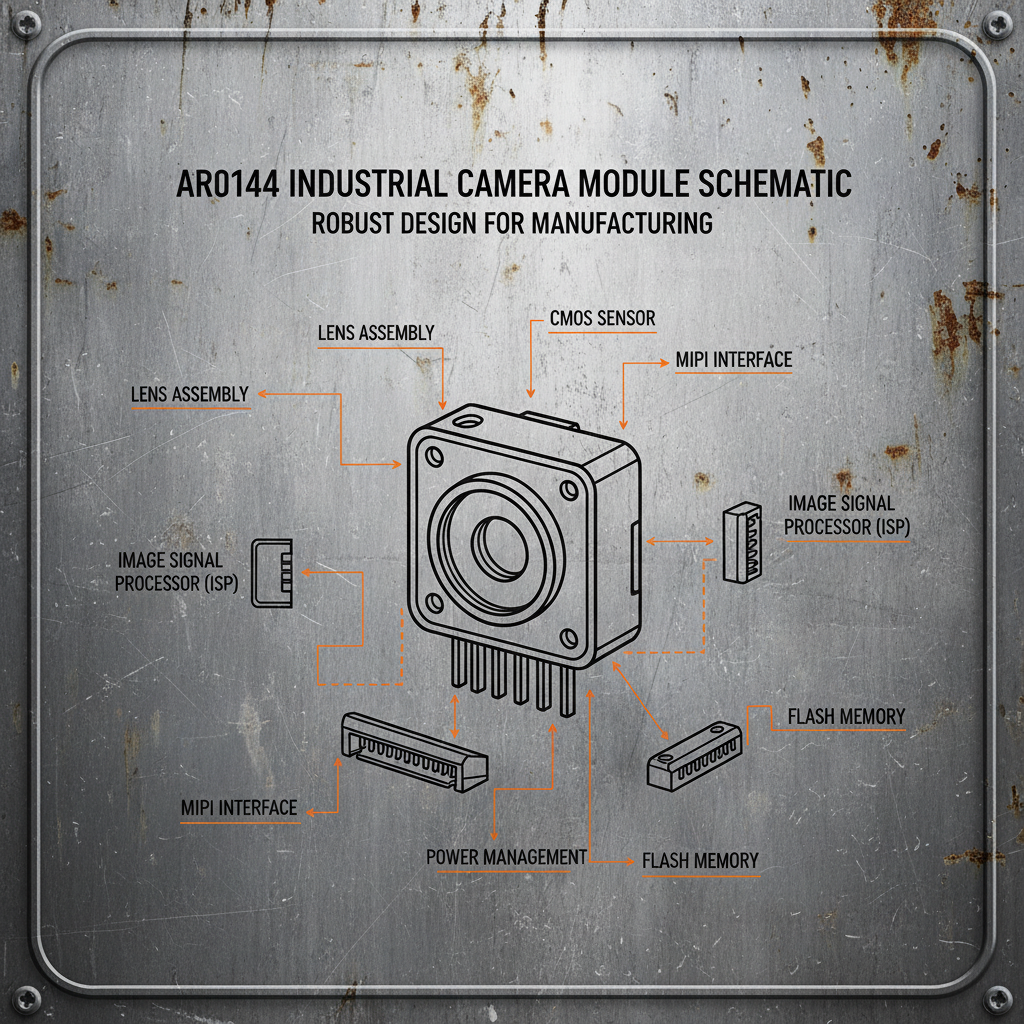
Look, I’ve been running around construction sites for fifteen years, dealing with all sorts of gadgets. Lately, everyone's talking about these USB camera modules. Not just for security cameras anymore, you know? They’re popping up in industrial inspection, robotics, even medical devices. To be honest, it's a bit of a whirlwind. Used to be, you’d need some bulky, complicated setup. Now, you can just plug one of these little things into a system and bam, you’ve got vision. It’s getting crazy competitive too.

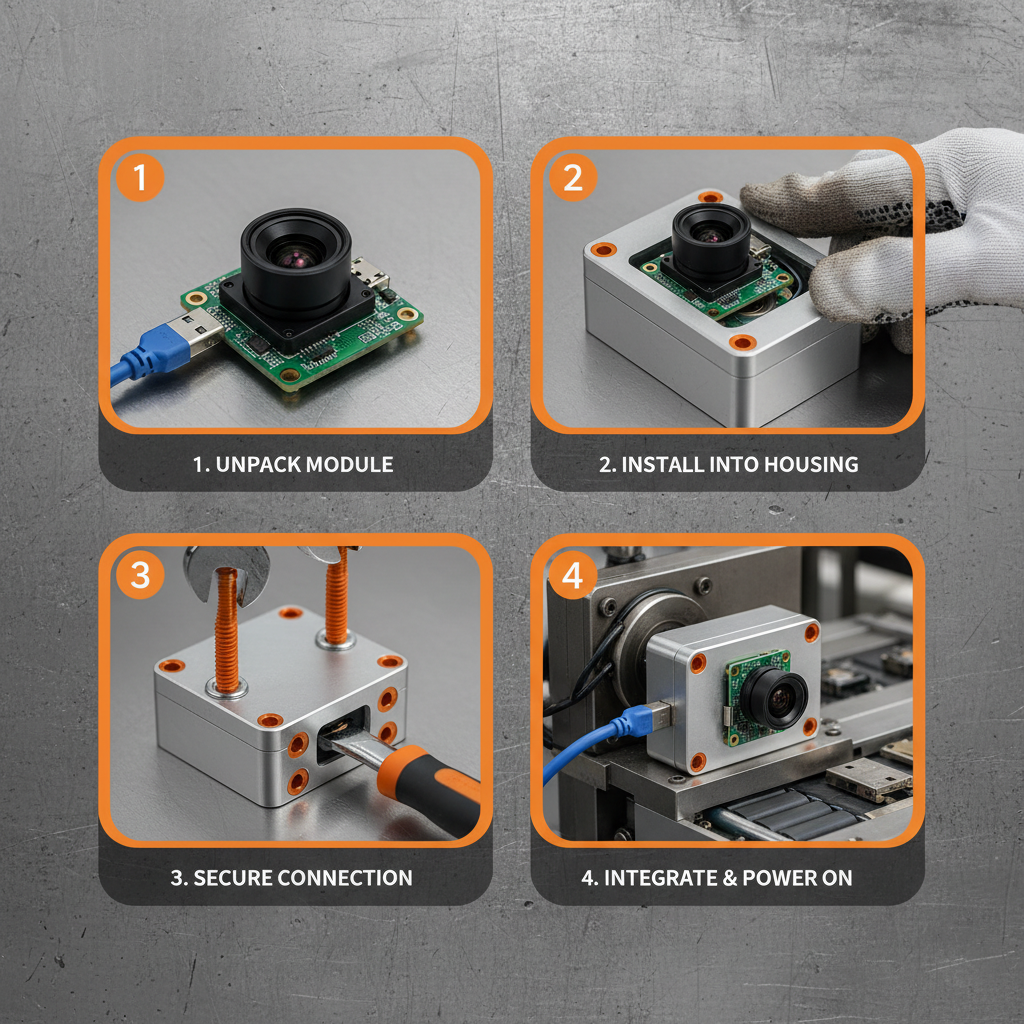
It's funny, you think designing a tiny camera is easy, right? Wrong. I've seen so many designs fall apart because they didn’t account for the actual conditions on site. Vibration, dust, temperature swings… it's brutal. You gotta think about the lens getting scratched, the connector getting pulled, the whole thing just getting banged around. I encountered this at a factory in Dongguan last time; they were using a super cheap connector, and the guys were complaining it would fall off within a week. Cheap isn’t always cheaper, you know?

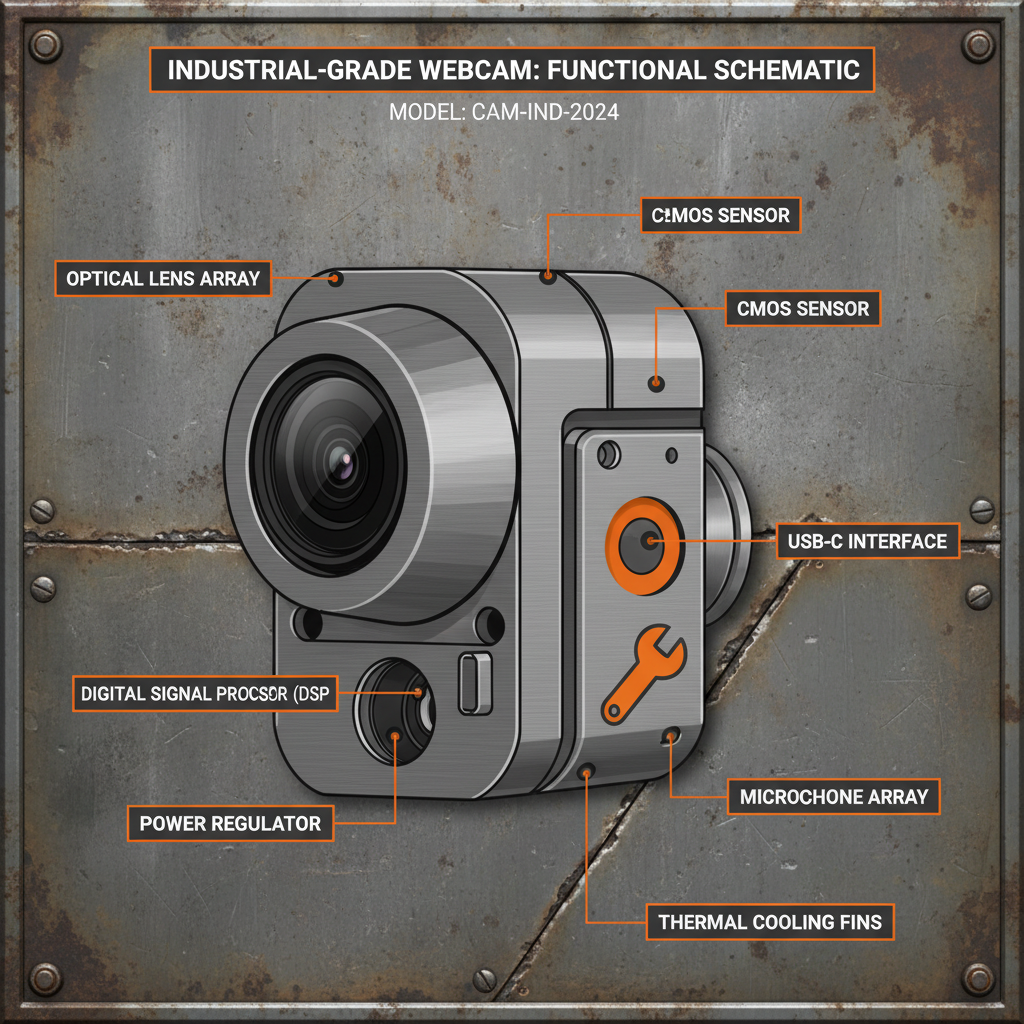
The good ones… the good ones feel solid. Not flimsy. The housing is usually aluminum alloy, sometimes a tough plastic. You can tell by the weight. And the smell – oddly enough, some of the cheaper plastics have this really strong, chemical smell that lingers. It’s not a good sign. The sensors themselves… well, those are mostly Sony or OmniVision. They’re the reliable ones. You’re looking at CMOS sensors, mostly. The glass on the lens is crucial, though. Gotta be scratch-resistant. I even saw one that had a tiny silicone gasket around the lens, which, strangely, helped a lot with preventing dust ingress.
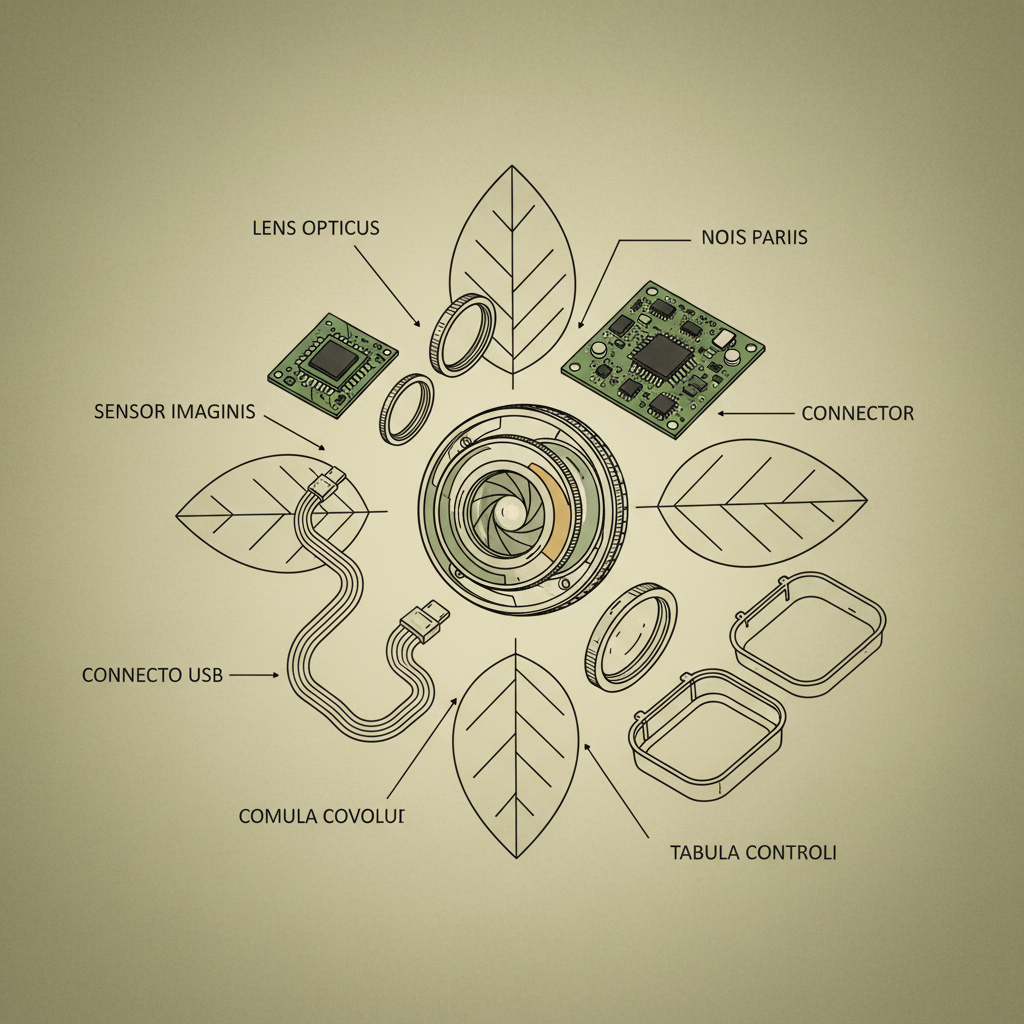

Navigating the Landscape of USB Camera Module Suppliers and Industrial Vision

The Rise of USB Camera Modules

Navigating the Landscape of USB Camera Module Suppliers and Industrial Vision

Have you noticed how everything’s going visual? Automated inspection, quality control, robotics… everyone needs to see what’s going on. And these USB camera modules are making it a lot easier, and cheaper, to add that vision. It used to be you needed dedicated frame grabbers, complex cabling… a nightmare. Now, it’s just plug-and-play.

The demand is insane. Especially from the Chinese market. They’re churning out all sorts of smart devices, and they all need cameras. It’s driving prices down, which is good for some, but also means quality control is more important than ever. You can't just assume it'll work; you've got to test it.

Design Pitfalls and Common Mistakes

I see the same mistakes over and over. People underestimate the importance of a good enclosure. A flimsy plastic case won’t cut it. It needs to be robust, sealed against dust and moisture, and able to withstand vibration. Another thing is the connector. They skimp on the connector! It’s the first point of failure, always. I saw a design last year that used a really cheap USB connector, and it was breaking within days.

And then there’s the lens. People don’t realize how crucial the lens is. A poor-quality lens will give you blurry images, distorted colors, and a limited field of view. It's tempting to save a few bucks on the lens, but it's a false economy. You get what you pay for.

Also, thermal management. These little things can get hot, especially if they’re running continuously. If they overheat, they’ll start to malfunction. It’s easy to overlook, but it’s important to consider.

Materials Matter: A Hands-On Perspective

Like I said, aluminum alloy is the go-to for the housing. It's strong, lightweight, and dissipates heat well. But there are different grades of aluminum. The cheaper stuff is softer and more prone to damage. You can tell the difference just by holding it. It’s also about the finish. A rough finish will scratch easily.

For the cable, you want something flexible and durable. PVC is common, but it can crack over time. TPU is more flexible and resistant to abrasion, but it's also more expensive. And the shielding is critical! It protects the signal from interference. I've seen cameras fail because of poor shielding, especially in industrial environments with lots of electromagnetic noise.

The circuit board... well, that's where it gets really technical. You want a high-quality PCB with good solder joints. Poor soldering can cause intermittent connections and eventually lead to failure. And the components themselves need to be chosen carefully. You don't want to use cheap capacitors or resistors. Anyway, I think you get the idea – everything matters.

Real-World Testing: Beyond the Lab

Lab tests are fine, but they don’t tell the whole story. You need to test these things in real-world conditions. I'm talking about dropping them, exposing them to dust and moisture, subjecting them to vibration and temperature extremes. I once took a camera module to a steel mill and just left it running for a week. It was covered in grime and dust, but it kept going. That's a good sign.

The simplest test is just to bang it around a bit. Sounds crude, but it works. If the connector falls off or the lens cracks, you know you have a problem. I also like to use a thermal chamber to simulate extreme temperatures. See how the camera performs at -40°C and +85°C. That'll separate the wheat from the chaff.

USB Camera Module Reliability Testing


How People Actually Use Them

It’s not always what the engineers think people will use them for. I’ve seen these modules rigged up to everything from drones to handheld inspection devices. A lot of the time, it’s about adding vision to existing systems. Like, they'll take a robotic arm and add a camera module so it can "see" what it’s doing.

I remember a guy last year, building a custom conveyor belt system. He wanted to use the camera module to automatically inspect the products as they went by. He thought it would be easy. Turns out, getting the lighting right was a huge challenge. And the speed of the conveyor belt was too fast for the camera to capture a clear image. It took him weeks to get it working properly.

Advantages and Disadvantages

The big advantage is cost. They’re cheap! And they’re small and easy to integrate. That’s a huge win. But don't expect miracles. The image quality isn’t going to be as good as a professional camera. And the dynamic range can be limited. In bright sunlight, you might get washed-out images. In low light, you'll get noise.

They’re also not always very rugged. As I said before, they can be susceptible to damage from vibration, dust, and temperature extremes. But for many applications, the advantages outweigh the disadvantages. It's a tradeoff, you know?

Customization Options and a Customer Story

Most suppliers will let you customize things to some extent. You can change the lens, the cable length, the connector type. I even had one supplier build me a module with a custom firmware. Last month, that small boss in Shenzhen who makes smart home devices insisted on changing the interface to , and the result was a three-week delay because of compatibility issues! He swore it was more "modern" but it created a whole mess of headaches.

You can also often specify the resolution, the frame rate, and the sensor type. But the more you customize, the higher the price will be. It’s all about finding the right balance between cost and performance.

USB Camera Module Supplier Customization & Performance Summary

Customization Option Implementation Difficulty Performance Impact Estimated Cost Increase (%)
Lens Selection Medium High 10-20
Connector Type Low Medium 5-10
Cable Length Low Low 0-5
Firmware Customization High High 30-50
Housing Material Medium Medium 15-25
Sensor Type High High 40-60

FAQS

What’s the typical lifespan of a USB camera module in an industrial setting?

That’s a tough one. It really depends on the environment. In a clean, controlled environment, they can last for years. But in a harsh environment with dust, vibration, and temperature extremes, you might only get a few months out of them. We've seen anything from six months to five years. Proper sealing and a robust enclosure are key. I’d say, budget for replacement every year if you’re really pushing it.

How do I choose the right lens for my application?

Field of view is the biggest consideration. Do you need to see a wide area or just a small detail? Focal length determines that. Then there's aperture – that controls how much light gets in. A wider aperture is good for low-light conditions. And finally, there’s distortion. Some lenses distort the image, especially at the edges. It depends what you're inspecting, really.

What’s the difference between a rolling shutter and a global shutter?

Rolling shutter scans the image line by line, which can cause distortion with fast-moving objects. Global shutter captures the entire image at once, so there’s no distortion. Global shutter is more expensive, but it’s essential for applications where you need to capture fast-moving objects accurately. If you’re looking at a conveyor belt, for example, you'll likely want a global shutter.

Are these modules compatible with all USB standards?

Generally, yes. Most of them use USB 2.0, which is pretty universal. Some of the higher-resolution modules might use USB 3.0 for faster data transfer. Make sure your computer or system has the appropriate USB port. You don’t want to be bottlenecked by the interface.

What’s the best way to protect a camera module from dust and moisture?

Sealing is key. Look for modules with an IP rating – that tells you how well they’re protected against dust and water. IP67 is a good starting point. And use a good quality enclosure with gaskets and seals. Properly applied conformal coating on the PCB can also help protect against moisture. It's surprisingly effective.

What is the role of dynamic range in image quality?

Dynamic range refers to the difference between the brightest and darkest parts of an image the camera can capture simultaneously. A wider dynamic range means the camera can handle scenes with high contrast without losing detail in either the bright or dark areas. It's critical when inspecting objects with shiny or dark surfaces, or operating in varying lighting conditions. It’s about seeing the details, really.

Conclusion

So, these USB camera modules... they’re not magic. They're a tool. A powerful, affordable tool, but still just a tool. They've changed the game, making it easier and cheaper to add vision to all sorts of applications. But you have to understand their limitations. You have to choose the right module for the job, protect it from the environment, and test it thoroughly.

Ultimately, whether this thing works or not, the worker will know the moment he tightens the screw. It doesn’t matter what the specs say, or what the lab tests show. If it’s reliable, easy to use, and gives him the information he needs, he’ll keep using it. And that’s all that matters, really.


Kevin Chen

Kevin Chen

Kevin Chen is a Quality Control Engineer at Shenzhen Minyou, playing a crucial role in ensuring our products meet the highest standards. He oversees the testing and validation of our camera modules, verifying adherence to CCC, CE, and FCC certifications. Kevin was instrumental in the successful ISO9001 quality system certification
Previous Comprehensive Camera Module Spec Guide for Optimal System Performance
Next Navigating Trends and Challenges in the Camera Module Company Industry