


Dec . 02, 2025 04:15 Back to list
Comprehensive Guide to Desktop Camera with Microphone – Features, Benefits & Trends
Desktop Camera with Microphone: Essential Tech in Today’s Connected World
In our increasingly digital world, the desktop camera with microphone has quietly become a cornerstone of communication, collaboration, and content creation. Whether it’s in a bustling corporate office, a remote learning classroom, or a telehealth session, these devices play a vital role in bridging distances and making remote interactions feel just a little more human.
Understanding how these integrated devices work, their applications, and what to look for can save users time, money, and frustration — globally, they’re driving more transparent communication and effective workflows.
Introduction: The Global Context of Desktop Camera with Microphone Devices
Did you know that, according to the International Telecommunication Union (ITU), over 60% of the world population now uses the internet? Remarkably, video communication tools powered by desktop cameras and microphones have surged in relevance. The COVID-19 pandemic accelerated remote work and online education worldwide, making these devices not just optional but essential.
However, many users face common challenges, like poor audio quality, latency, or pixelated video, undermining communication effectiveness. These issues pose real problems for industries as diverse as customer service, international business, and humanitarian aid organizations that depend on clear, reliable remote interaction.
What Is a Desktop Camera with Microphone?
Simply put, it’s a device designed to capture both video and sound from a user’s desktop setup. These often come integrated as one unit, combining a webcam with a built-in microphone, allowing for seamless, plug-and-play video conferencing, streaming, or recording without juggling multiple peripherals.
The connection to modern digital workflows is pretty straightforward — they enable synchronous communication anywhere, anytime. In industries like telemedicine, education, or crisis response, this dual-function device can be the difference between effective service and frustrating setbacks.
Core Components and Features to Consider
Video Resolution and Frame Rate
The clarity of the image matters — 1080p Full HD has become a standard baseline, with 4K gaining traction for specialist uses. Frame rates typically range from 30 to 60 fps, influencing smoothness especially during motion.
Microphone Quality and Noise Cancellation
Many desktop cameras include omnidirectional or unidirectional microphones. Devices with advanced noise reduction prevent background sounds from drowning out the speaker, which is crucial in noisy environments.
Field of View (FoV)
This determines how much of the scene is captured. Wider fields (~90°) help include multiple people or show more context, while narrower views keep focus tight on the user.
Compatibility and Connectivity
USB plug-and-play is typical, but some devices now support wireless Bluetooth or USB-C for faster data transfer. Cross-platform software compatibility remains significant as well.
Durability and Design
In industrial or humanitarian settings, rugged and portable designs with features like adjustable mounts make a practical difference.
Typical Product Specifications
| Specification | Typical Range | Why It Matters |
|---|---|---|
| Video Resolution | 720p - 4K UHD | Clear image for professional communication |
| Frame Rate | 30 - 60 fps | Smooth video without lag or stuttering |
| Microphone Type | Omnidirectional, Unidirectional | Captures clear sound, limits background noise |
| Field of View | 60° - 120° | Captures necessary scene width |
| Connectivity | USB-A, USB-C, Bluetooth | Easy setup with multiple devices |
Global Applications of Desktop Cameras with Microphones
From Silicon Valley startups to remote villages in sub-Saharan Africa, the versatility of these devices is stark. In telehealth, doctors can consult patients thousands of miles away, improving access to quality care. Educational institutions leverage them for hybrid classrooms, where students and teachers interact in real time. Even NGOs rely heavily on desktop cameras with microphones during disaster response to coordinate teams and document field conditions accurately.
For example, in remote industrial zones like oil rigs, where on-site communication with experts back home can be tricky, integrating a high-resolution camera with a quality mic eliminates delays and fosters safety.
Mini Takeaway: No matter the context, these devices enhance real-time interaction and understanding, often in places where travel or physical presence is limited or impossible.
Advantages and Long-Term Value
- Cost Efficiency: Investing in one integrated device cuts down on equipment and maintenance costs.
- Enhanced Collaboration: Real-time video and audio make meetings more engaging and productive.
- Reliability: Plug-and-play devices require minimal setup, ideal for all skill levels.
- Social Impact: They empower marginalized groups through tele-education and telemedicine.
- Innovative Edge: Encourages adoption of digital tools and remote workflows.
On an emotional level, a good camera with a crisp, noise-free mic helps people feel “present” despite physical distance—something particularly meaningful when loved ones are separated by borders or during crucial moments.
Emerging Trends and Innovations
Frankly, technology doesn’t stand still. New devices increasingly incorporate AI-driven features like autofocus tracking, voice isolation, and even facial recognition to improve usability. Green tech matters more, too — using sustainable materials and energy-efficient components is becoming a focus in manufacturing these peripherals.
Moreover, as 5G networks spread globally, the ability to transmit ultra-high-definition video and sound with minimal latency will push desktop camera systems to new heights. Coupled with the rise of VR/AR platforms, these basic tools might evolve into portals for immersive remote presence.
Challenges & Expert Solutions
Common issues include privacy concerns, variable internet bandwidth, and compatibility hiccups with different operating systems. It’s wise to look for devices compliant with privacy standards like GDPR or HIPAA if sensitive data is involved.
Manufacturers are responding by improving built-in encryption, offering software updates, and ensuring universal drivers. Users also benefit from combining external noise-cancelling headsets or integrating cameras with conferencing platforms optimized for low bandwidth.
Vendor Comparison: Picking the Right Desktop Camera with Microphone
| Vendor | Video Quality | Mic Features | Connectivity | Price Range |
|---|---|---|---|---|
| Logitech C920 | 1080p/30fps | Dual mics, noise reduction | USB-A | $$ |
| Microsoft LifeCam HD-3000 | 720p/30fps | Noise cancelling mic | USB-A | $ |
| Razer Kiyo | 1080p/30fps; ring light | Built-in mic | USB-A | $$$ |
Frequently Asked Questions About Desktop Cameras with Microphones
- What should I look for in a desktop camera with microphone for video calls?
- Focus on image quality (at least 720p, preferably 1080p), microphone clarity with noise reduction, and compatibility with your operating system. USB connectivity is usually hassle-free for plug-and-play use.
- Are built-in microphones in desktop cameras good enough or should I get a separate mic?
- For casual use or small meetings, built-in mics often suffice. However, for professional audio quality, especially in noisy environments, a dedicated microphone or headset might be better.
- Can these devices work on multiple platforms like Zoom, Teams, and Skype?
- Yes, most desktop cameras with microphones are designed for universal compatibility with popular conferencing apps, provided drivers are up to date.
- How important is the field of view on a desktop camera?
- It depends on your use case. A wider field of view is ideal if you want to include multiple people or show more background. For one-on-one calls, a narrower view keeps focus tighter.
- Do these devices consume much power or affect computer performance?
- No, they typically use minimal power via USB and have negligible impact on computer resources. Still, good USB ports and cables help maintain stable operation.
Conclusion: Why Investing in a Good Desktop Camera with Microphone Pays Off
There’s no denying the desktop camera with microphone is more than just a gadget — it’s a gateway to effective communication, bridging global distances and enhancing professional and personal connections. Whether you’re a remote worker, educator, or healthcare provider, choosing the right device can transform how you interact online.
So, if you’re ready to upgrade your setup or explore the latest innovations, feel free to visit our website for trusted options and expert advice at https://www.szmyccm.com.
Oddly enough, despite the vast advances in tech, good old clear sight and sound remain the foundation of real human connection — and desktop cameras with microphones deliver just that.
References
-
Guide to Raspberry Pi Camera Module v3 with Powered Autofocus
NewsApr.16,2026
-
Guide to Using the raspberry pi camera module v1 3 for IoT Projects
NewsApr.09,2026
-
Exploring the Capabilities of the Raspberry Pi Camera Module 3 Noir for Diverse Applications
NewsApr.07,2026
-
Unlocking Visual Potential with the Raspberry Pi Camera Module 3 for Advanced Projects
NewsApr.04,2026
-
Raspberry Pi Noir Camera Module V2 8MP 1080p30 A Comprehensive Guide for Projects
NewsMar.31,2026
-
Comprehensive Guide to the Raspberry Pi 3 B+ Camera Module and Its Applications
NewsMar.28,2026
-
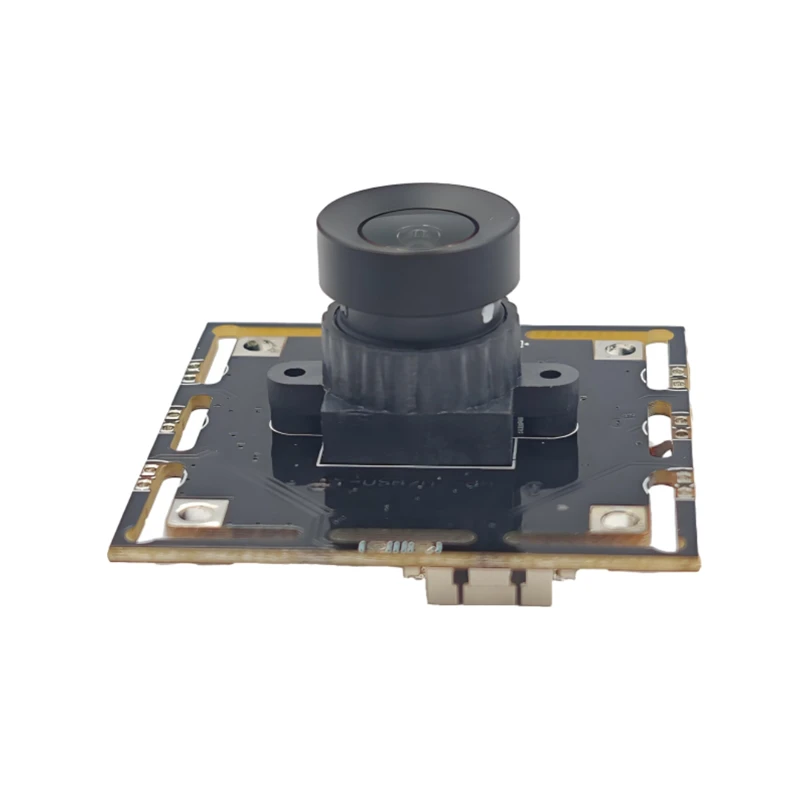
MY-USB1M818A Global Exposure Usb Camera Module With 1mp Hd Video
-
-
-
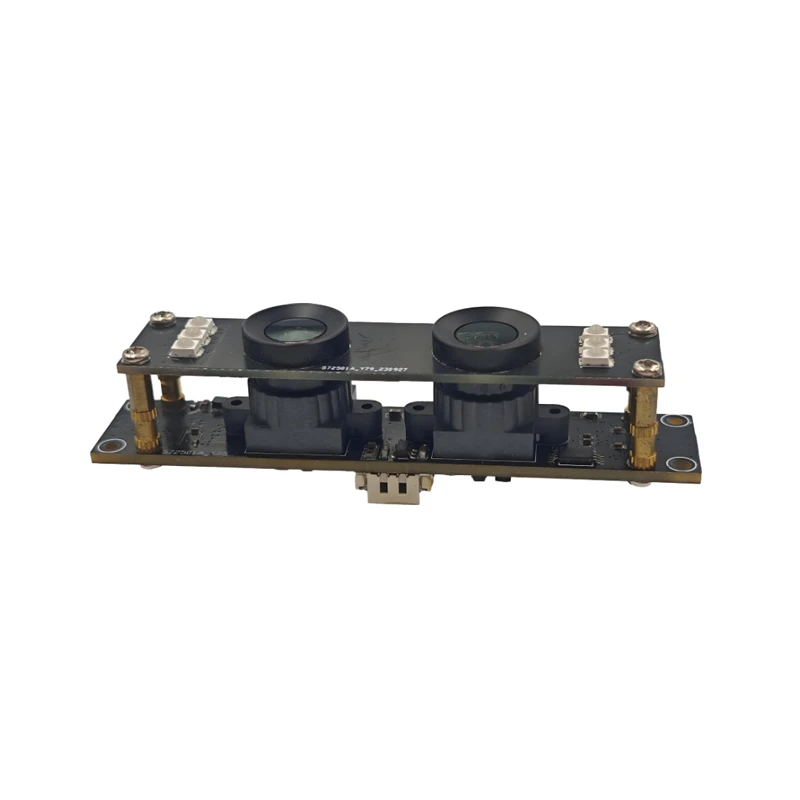
MY-DC52M-A1 Dual Lens Wide Dynamic Range Usb2.0 Camera Module With HD Video 5mp+2mp
-
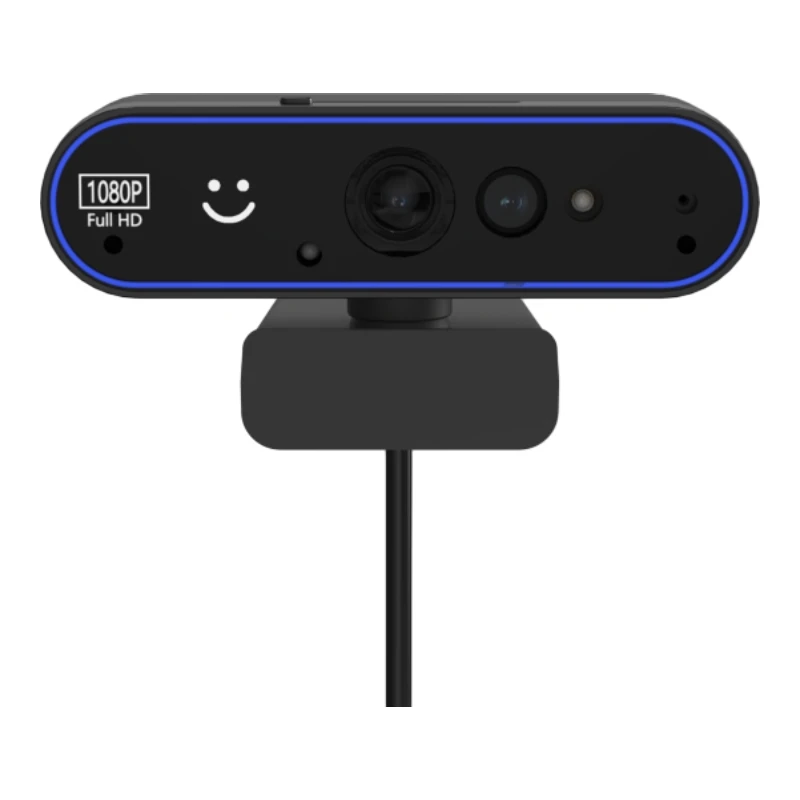
MY-WHC700 Windows Hello Face Recognition Binocular USB Camera
-
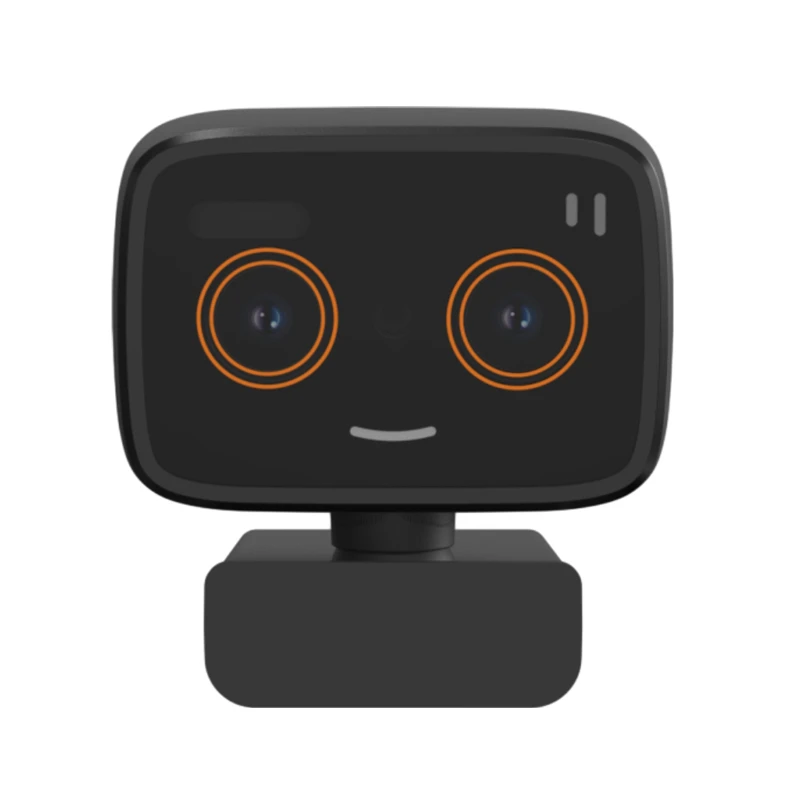
MY-DC-260-A1 Dual Lens Usb2.0 Web Camera With High-definition Video 2mp+2mp
-
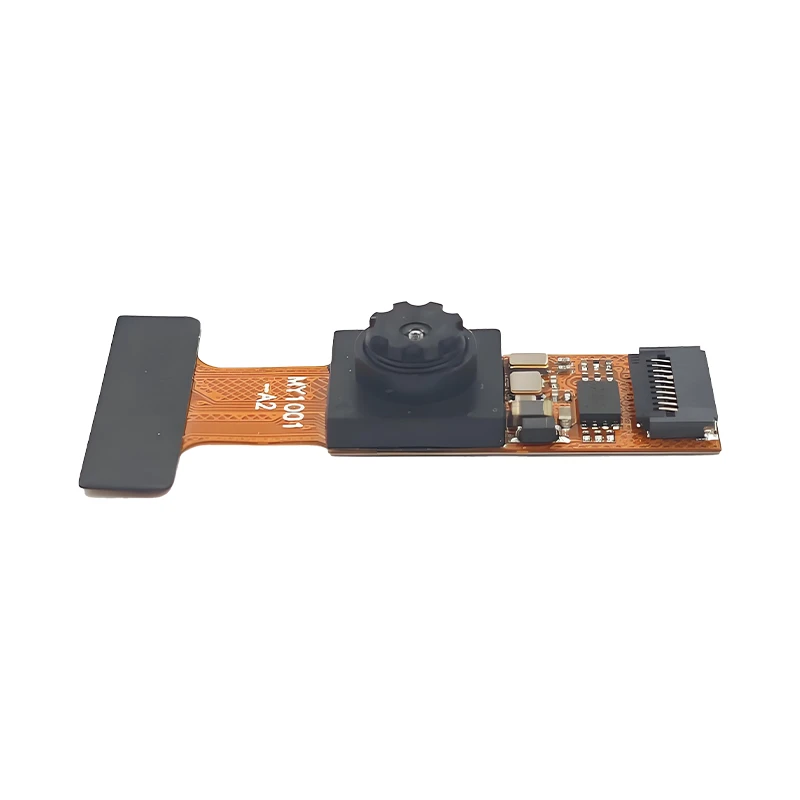
MY-1001-A2 AI Tracking, Gesture Recognition, Sitting Posture Detection Smart Camera Module
-
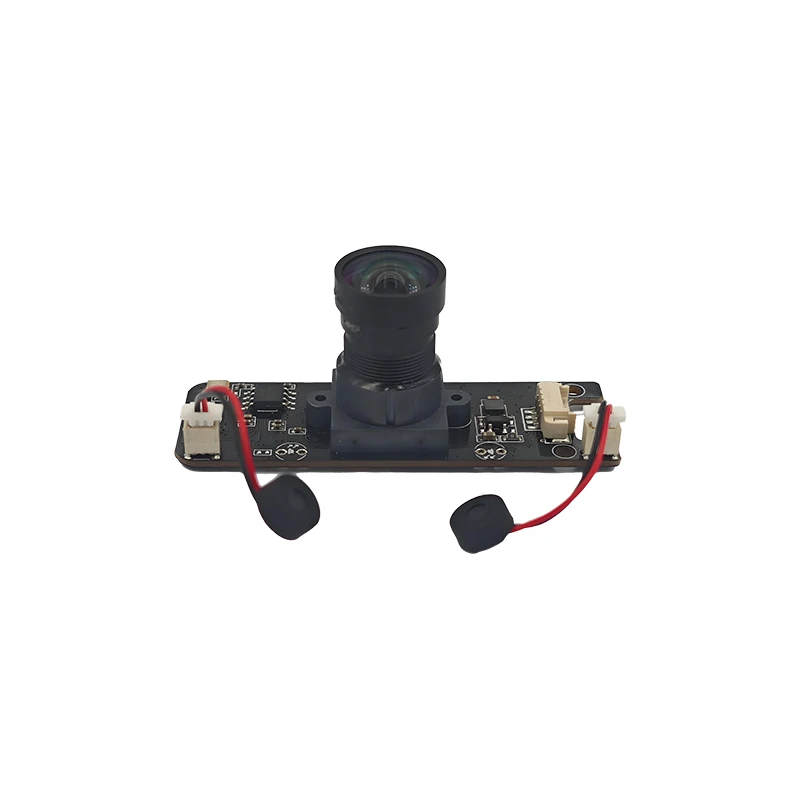
MY-USB8M158A 4K Resolution HD Video Driver-Free USB Camera Module With Microphone
