


Nov . 27, 2025 12:25 Back to list
Discover Why 2k IP Cameras Are Essential for Modern Surveillance
Understanding the 2K IP Camera: Why It Matters in Today's Connected World
If you’ve ever fiddled with security footage or hunted for sharper, more reliable video surveillance, the 2k ip camera probably caught your eye. But why all the fuss? Frankly, these cameras aren’t just a shiny upgrade—they're transforming how industries, cities, and even humanitarian missions monitor and protect crucial spaces. With a resolution often hovering around 3 megapixels, the 2k IP camera strikes a practical balance between ultra-high-definition and efficient data handling, making it a smart choice globally.
In an increasingly interconnected world—where urbanization, industrial safety, and remote monitoring are paramount—understanding what makes 2k IP cameras tick offers a key insight. Think about a bustling metro system in Asia, or a remote oil rig in the North Sea: clear, reliable video streams without latency are mission-critical. Plus, these devices are becoming central to smarter cities and safer workplaces.
Mini takeaway: The 2k IP camera isn’t simply about sharper images—it’s about enabling smarter, safer, and more efficient surveillance in many real-world situations worldwide.
Global Trends and the Rising Need for 2K IP Cameras
Did you know that, according to the International Telecommunication Union (ITU), fixed internet penetration has hit nearly 60% worldwide? With this connectivity boom, the demand for digital surveillance surged—no surprise there. The UN has highlighted public safety and infrastructure monitoring as growing priorities, especially in urbanized regions.
However, here’s the hitch: traditional analog CCTV setups don’t cut it anymore when it comes to clarity and remote access. They’re bulky, prone to interference, and lack scalability. Enter the 2k IP camera, which leverages internet protocol networks to deliver crisp, real-time footage. More than that, they're relatively affordable and easier to deploy compared to ultra-HD 4k alternatives. In practice, that makes them a versatile solution for both sprawling city surveillance projects and smaller-scale industrial setups.
Mini takeaway: The global internet and security needs call for improved surveillance tech, with 2k IP cameras filling a sweet spot between high definition and operational efficiency.
What Exactly Is a 2K IP Camera?
Let's simplify it. A 2k IP camera is essentially a digital security camera that offers around 1440p resolution—roughly twice the pixels of standard HD 720p cameras. "IP" means it transmits video data over a network, allowing remote viewing and recording.
What makes these cameras special? Unlike analog counterparts, 2k IP cameras can be integrated into existing IT infrastructures, support advanced features like motion detection, and often include options for night vision or wide dynamic range. They’re the natural evolution for sectors relying on detailed visual intelligence—think border security, retail loss prevention, or even environmental monitoring.
Oddly enough, it’s not only about the pixels. The “IP” part means better flexibility and future-proofing, because these cameras can talk to cloud storage or smart analytics platforms seamlessly. For humanitarian agencies, this can translate into rapid deployment of situational awareness tech after disasters.
Core Components and Key Features of 2K IP Cameras
Resolution & Image Quality
At about 3 megapixels, the resolution is enough to identify faces, license plates, and subtle movements—something that many engineers say hits the sweet spot between clarity and network bandwidth.
Connectivity & Network Compatibility
They support Wi-Fi or Ethernet, making installation in complicated or remote environments surprisingly easy if you have decent internet. This contributes to scalability: you can add more cameras without overhauling the infrastructure.
Durability & Environmental Resistance
Many 2k IP cameras come with weatherproof ratings (often IP66 or IP67), meaning they can handle gritty outdoor conditions—rain, dust storms, temperature swings—with little fuss.
Smart Features
- Motion detection alerts
- Night vision or infrared capabilities
- Wide dynamic range (WDR) for balancing bright and dark areas
Cost Efficiency
Compared to ultra HD, they provide good quality without demanding massive storage or expensive infrastructure upgrades. For many, this translates into better ROI.
| Specification | Typical Range | Notes |
|---|---|---|
| Resolution | 2560×1440 (2K/1440p) | Clear images for general surveillance |
| Frame Rate | 20-30 FPS | Smooth video with minimal latency |
| Connectivity | PoE / Wi-Fi / Ethernet | Flexible network options |
| Weatherproof Rating | IP66 / IP67 | Suitable for outdoor use |
| Smart Features | Motion Detection, WDR, Night Vision | Enhanced security & usability |
Mini takeaway: With a blend of strong image quality, smart networking, and affordable pricing, 2k IP cameras are practically made for versatile deployment.
Where in the World Are 2K IP Cameras Making a Difference?
From sprawling urban surveillance in cities like London and Singapore, to remote industrial zones peppered with oil pipelines or wind turbines, 2k IP cameras are everywhere. Oddly, the humanitarian sector also leans on them heavily—think about monitoring refugee camps or disaster zones quickly and clearly.
In total, industries such as:
- Smart city implementations for traffic control in Europe and East Asia
- Retail and warehouse security across North America
- Energy sector facilities in harsh climates like Russia or Canada
- Disaster relief agencies setting up temporary command centers
One example: after a major flooding event in Southeast Asia, emergency responders deployed these cameras to maintain situational awareness in dangerous rain-swollen zones. The clarity and ease of network integration helped coordinate resources far better than past efforts.
Benefits of Using a 2K IP Camera Beyond Pixels
First, cost. You get a sturdy surveillance system that won’t drain your budget or storage space. Then, durability—many models withstand weather extremes and vandalism. This longevity means fewer replacements, which feels good financially and environmentally.
There’s also the emotional aspect: knowing your home, business, or community is watched over with clear, reliable visuals brings peace of mind. For companies, the innovation factor is convincing too, signaling modernity and a commitment to safety.
Plus, thanks to modern network setups, these cameras can be remotely monitored anywhere on the planet — offering a liberating degree of control.
Emerging Innovations to Watch
The 2k IP camera scene isn’t static. AI-powered analytics are gradually becoming default, analyzing crowds, behaviors, and odd movements automatically. And then there’s the focus on eco-friendly designs—low power consumption, solar-powered setups, and use of recyclable materials.
Digital transformation is pushing this tech further, too. Integration with IoT devices means your camera system could talk to lighting, alarms, and access control systems, creating a “smart security ecosystem” hardly imaginable a decade ago.
Facing Challenges with Smart Solutions
Of course, nothing is perfect. Common hurdles include limited bandwidth in remote areas, cybersecurity risks, and installation complexity. But many vendors now offer hybrid cloud/on-premise solutions to ease bandwidth concerns, and encryption protocols to safeguard your data.
For tricky deployments, turnkey packages or modular installation kits simplify getting started. And integration support from vendors eases tech worries.
| Vendor | Key Strength | Pricing | Additional Services |
|---|---|---|---|
| CamSafe Pro | AI-based analytics & cloud storage | Mid-range | 24/7 support, installation guidance |
| VisionNet 2k | Rugged hardware for industrial sites | Higher-end | Custom hardware integration |
| SecureLook | Budget-friendly & easy networking | Affordable | DIY setup tutorials |
Frequently Asked Questions About 2K IP Cameras
- 1. How does a 2k IP camera differ from a standard HD surveillance camera?
- Mostly in resolution and connection type. 2k IP cameras provide around 2560×1440 pixels, offering clearer images than HD 720p models. Plus, they use internet protocols for connectivity, enabling flexible remote monitoring and integration with cloud-based systems.
- 2. Can a 2k IP camera work well outdoors in harsh conditions?
- Yes. Many models come with IP66 or IP67 ratings, making them resistant to rain, dust, and temperature extremes. Plus, some include protective housings against vandalism, ideal for industrial or urban monitoring.
- 3. What kind of network setup do these cameras require?
- They typically connect over Ethernet or Wi-Fi, often supporting Power over Ethernet (PoE) for simpler wiring. The key is sufficient bandwidth to handle 2k streams; however, many offer compression to reduce data use.
- 4. Are 2k IP cameras suitable for real-time remote monitoring?
- Definitely. Their IP connectivity supports live streaming accessible from smartphones or computers anywhere with internet access, making them perfect for security teams or facility managers on the go.
- 5. How do I integrate a 2k IP camera with existing security systems?
- Most 2k IP cameras support ONVIF or RTSP protocols, so they can plug into popular video management software and security platforms with minimal fuss. For customized setups, vendor support is usually available.
Wrapping Up: Why the 2K IP Camera Is a Wise Investment
In real terms, adopting a 2k ip camera means you're stepping into a smarter, more flexible world of surveillance. The blend of image clarity, connectivity, and robustness suits a surprising range of applications—from safeguarding urban spaces to aiding disaster response. In a way, investing here is investing in peace of mind, technological foresight, and operational efficiency.
If sharp images and smart security sound appealing, don’t just take my word for it—explore options, compare vendors, and consider the future-proof nature of this tech. After all, surveillance isn’t just about watching; it’s about understanding and responding better.
Visit our website for comprehensive solutions and expert advice: 2k ip camera.
Mini takeaway: The 2k IP camera is not a fleeting trend; it’s part of the digital backbone for safe, connected communities and industries worldwide.
References:
1. International Telecommunication Union (ITU) – Global ICT Data
2. United Nations Office for Disaster Risk Reduction – UNDRR
3. ISO Standards for Surveillance Systems – ISO/IEC 30107-3
-
Guide to Raspberry Pi Camera Module v3 with Powered Autofocus
NewsApr.16,2026
-
Guide to Using the raspberry pi camera module v1 3 for IoT Projects
NewsApr.09,2026
-
Exploring the Capabilities of the Raspberry Pi Camera Module 3 Noir for Diverse Applications
NewsApr.07,2026
-
Unlocking Visual Potential with the Raspberry Pi Camera Module 3 for Advanced Projects
NewsApr.04,2026
-
Raspberry Pi Noir Camera Module V2 8MP 1080p30 A Comprehensive Guide for Projects
NewsMar.31,2026
-
Comprehensive Guide to the Raspberry Pi 3 B+ Camera Module and Its Applications
NewsMar.28,2026
-
MY-USB1M818A Global Exposure Usb Camera Module With 1mp Hd Video
-
-
-
MY-DC52M-A1 Dual Lens Wide Dynamic Range Usb2.0 Camera Module With HD Video 5mp+2mp
-
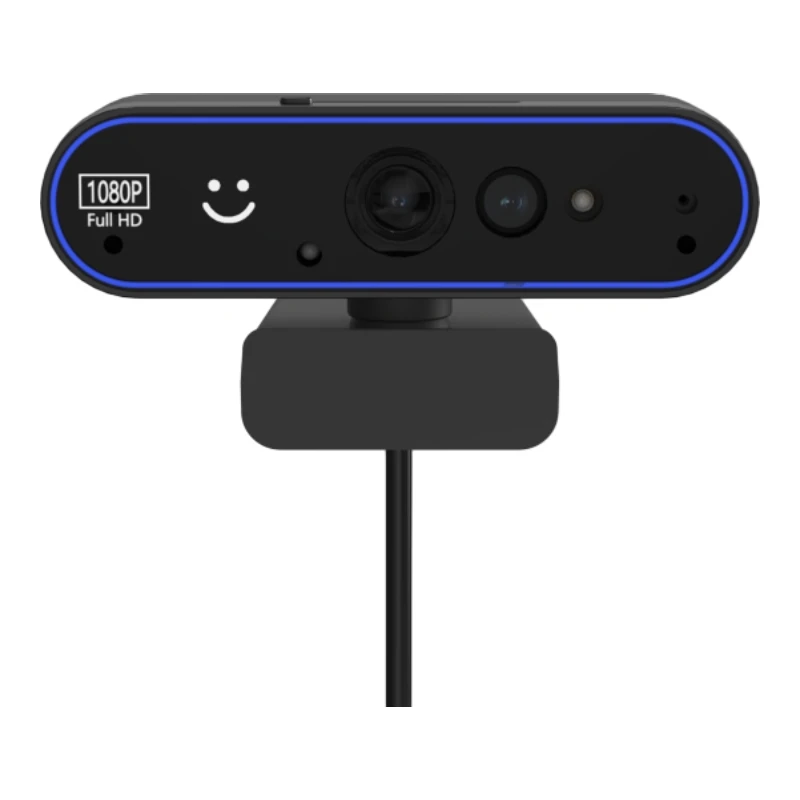
MY-WHC700 Windows Hello Face Recognition Binocular USB Camera
-

MY-DC-260-A1 Dual Lens Usb2.0 Web Camera With High-definition Video 2mp+2mp
-
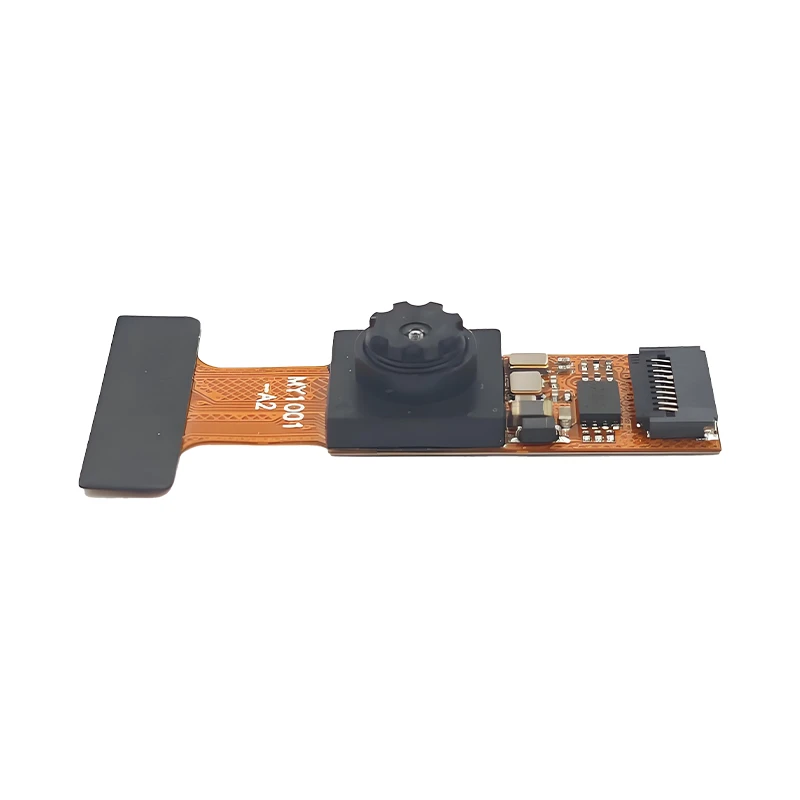
MY-1001-A2 AI Tracking, Gesture Recognition, Sitting Posture Detection Smart Camera Module
-
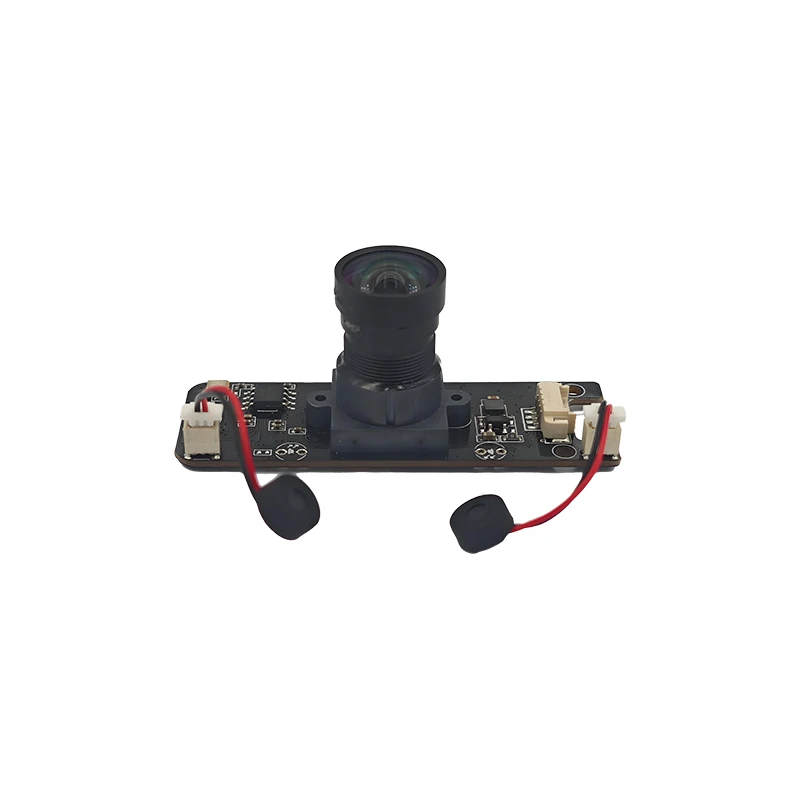
MY-USB8M158A 4K Resolution HD Video Driver-Free USB Camera Module With Microphone
