


Dec . 02, 2025 13:30 Back to list
External Webcam with Microphone: Global Benefits and Best Features Explained
Understanding the External Webcam with Microphone: Why It Matters Globally
In today’s hyper-connected world, the external webcam with microphone plays a surprisingly critical role. From remote video conferencing to online education, telemedicine, and global business operations, this tech tool enables clear communication—a lifeline more than a luxury. Why does it matter globally? Because nearly 60% of the world's population is online now, according to United Nations data, and the quality of interaction hinges on audiovisual tools that are both affordable and reliable. Getting a grip on this niche technology unlocks smoother conversations, enhanced productivity, and ultimately, bridges across continents.
Introduction: The Global Context of External Webcam with Microphone Use
The pandemic dramatically accelerated the adoption of video technology, with global video conferencing market size expected to reach over $33 billion by 2027 (Grand View Research). But it’s not just offices—think humanitarian crisis zones where NGOs remotely coordinate responders, or rural schools in developing regions enabling virtual classrooms. Here, an external webcam plus microphone combo is often the unsung hero, improving communication clarity where built-in laptop cams simply don't cut it.
The challenge is clear: most laptop cameras and microphones are underpowered. They produce grainy images and muffled sound, hurting collaboration and sometimes causing misunderstandings. Supplementing this with an external device, though often overlooked, is a practical fix.
Mini takeaway: Boosting communication quality worldwide is closely tied to affordable, high-performance external webcams with microphones.
What Exactly Is an External Webcam with Microphone?
Simply put, it’s a plug-and-play hardware device combining a video camera and a mic that connects externally—usually via USB or wireless—to computers or other digital platforms. Unlike integrated webcams, these devices focus on higher resolution, improved audio pickup, and adjustable features. Their importance stretches beyond business calls: they serve telehealth providers diagnosing patients remotely, content creators building audiences online, and educators teaching kids remotely.
This tech is even woven into humanitarian solutions, enabling high-quality communication during disaster relief operations or remote zone monitoring, where every word counts.
Key Components and Features to Consider
1. Video Resolution & Frame Rate
Resolution determines how clear the video feed is. Most external webcams support at least 1080p HD now. Some higher-end models offer 4K – great for presentations or streaming. Frame rate (fps) impacts smoothness; 30fps is typical, but 60fps provides crisper motion.
2. Microphone Quality and Noise Cancellation
Does the microphone pick up crisp, clear voice while suppressing background noise? This is crucial especially in busy environments. Many webcams include AI-powered noise reduction to support transparent audio.
3. Durability and Portability
For NGOs and field workers especially, a robust build is vital. Devices that survive drops or harsh weather enable lasting use. Also, compact size and USB-C connectivity fit the mobile lifestyle.
4. Compatibility and Ease of Setup
Plug-and-play compatibility with Windows, Mac, and Linux, plus support for popular apps like Zoom or Skype, make or break the user experience. No one wants to wrestle with drivers mid-meeting.
5. Field of View (FoV)
Wider FoV webcams cover more area, useful for group calls or showing physical workspaces. Narrower angles focus on individual speakers. Choosing depends on use case.
| Feature | Basic Model | Pro Model | Field-Ready Model |
|---|---|---|---|
| Resolution | 1080p at 30fps | 4K at 30fps | 1080p at 60fps |
| Microphone | Mono, no noise cancellation | Stereo, AI noise reduction | Mono, wind & noise resistant |
| Connectivity | USB-A | USB-C & Wireless | Rugged USB-C, cable reinforced |
| Field of View | 60° | 90° | 75° Wide-angle |
| Weight | 90g | 120g | 150g |
Mini takeaway: The ideal external webcam with microphone is a balance of quality, durability, and connectivity suited to its intended environment.
Global Applications: Where External Webcams with Microphones Make a Difference
From bustling offices in New York to remote classrooms in rural Kenya, the external webcam with microphone is bridging a gap that was painfully felt during COVID-19 lockdowns. Telemedicine clinics in the US and Europe rely heavily on these devices to perform patient consultations remotely, reducing infection risks while increasing appointment volumes. Meanwhile, NGOs in Southeast Asia use rugged webcams to coordinate disaster responses, providing live feeds from disaster zones to headquarters.
In emerging markets, we've seen external webcams improve virtual education, delivering clearer video and sound to students who might otherwise rely on subpar built-in cameras on donated devices. In manufacturing plants, using external webcams for remote technical support allows experts to guide on-site staff through complicated repairs—dramatically reducing downtime.
Advantages and Long-Term Value
- Cost Efficiency: External webcams often provide better quality at a fraction of replacing a whole laptop or desktop.
- Sustainability: By upgrading parts rather than whole systems, organizations reduce e-waste.
- Social Impact: Enables education and healthcare access where infrastructure is limited.
- Reliability: Durable designs promise service continuity in tough conditions.
- Emotional/Logical: Clears miscommunication, builds trust in virtual spaces, promotes dignity.
Looking Ahead: Future Trends in External Webcam with Microphone Technology
Industry insiders predict greater integration of AI-powered features like automatic framing, voice isolation, and real-time translation. Green manufacturing is also on the rise—webcams made from recycled plastics and designed for energy efficiency align with global sustainability goals.
Wireless and modular designs are becoming standard; imagine snapping on a high-quality mic module when needed or switching lenses like you would on a camera. It’s a fascinating future that blends convenience with professional-grade tech, perfect for the digital nomads of tomorrow.
Common Challenges and Solutions
Despite benefits, some challenges persist. Connectivity inconsistencies in rural or unstable networks remain a barrier. Latency and bandwidth restrictions can cause frustrating lags. Also, beginners struggle with setup and compatibility issues occasionally.
However, manufacturers are responding: automated software tools simplify installation, and adaptive streaming technologies adjust video quality on the fly. Quick-start guides and ergonomic designs cater to all user skill levels, while USB-C universal compatibility reduces technology headaches.
FAQ: Frequently Asked Questions About External Webcam with Microphone
- Q: Can an external webcam with microphone improve video call quality significantly?
- A: Yes. External webcams typically offer better resolution and audio capture than built-in options, drastically improving call clarity and user experience.
- Q: Are all external webcams compatible with my computer?
- A: Most external webcams use USB connections and support major operating systems (Windows, macOS, Linux). However, always verify system requirements before purchase.
- Q: Is an external webcam with microphone portable enough for travel?
- A: Many models are lightweight and compact, ideal for remote workers or field use. Rugged models add drop resistance and weatherproofing if you’re adventurous.
- Q: How does noise cancellation on microphones affect call clarity?
- A: Noise cancellation greatly reduces background sounds like keyboard clicks or street noise, making your voice clearer and reducing listener fatigue.
- Q: Can I use an external webcam for live streaming or content creation?
- A: Absolutely. Many external webcams with microphones are specifically designed with streamers and creators in mind, supporting high resolution and customizable settings.
Conclusion
To wrap up, an external webcam with microphone is a relatively simple tool that quietly anchors many global activities—from education and healthcare to business and humanitarian aid. Its long-term value lies in enhancing communication quality, promoting sustainability through device upgrades, and fostering trust across virtual environments.
If you’re seeking to upgrade your communication setup or equip field teams worldwide, consider exploring the latest models with features tailored to your needs. For more details or to browse a wide selection, visit https://www.szmyccm.com—where cutting-edge webcams meet practical performance.
| Vendor | Price Range | Resolution | Microphone Tech | Best Use Case |
|---|---|---|---|---|
| CamPro | $40–$70 | 1080p HD | Basic mono mic | Home office, casual calls |
| VisionX | $90–$150 | 4K UHD | Stereo, noise cancelling | Professional streaming, telehealth |
| FieldCam | $120–$180 | 1080p at 60fps | Wind & noise resistant mono | Outdoor, rugged use |
Oddly enough, it feels like the humble external webcam with microphone is quietly knitting the world tighter together—one clear call at a time.
References
- United Nations ICT Global Reports
- Grand View Research: Video Conferencing Market Forecast, 2023-2027
- Webcam - Wikipedia
-
Guide to Raspberry Pi Camera Module v3 with Powered Autofocus
NewsApr.16,2026
-
Guide to Using the raspberry pi camera module v1 3 for IoT Projects
NewsApr.09,2026
-
Exploring the Capabilities of the Raspberry Pi Camera Module 3 Noir for Diverse Applications
NewsApr.07,2026
-
Unlocking Visual Potential with the Raspberry Pi Camera Module 3 for Advanced Projects
NewsApr.04,2026
-
Raspberry Pi Noir Camera Module V2 8MP 1080p30 A Comprehensive Guide for Projects
NewsMar.31,2026
-
Comprehensive Guide to the Raspberry Pi 3 B+ Camera Module and Its Applications
NewsMar.28,2026
-
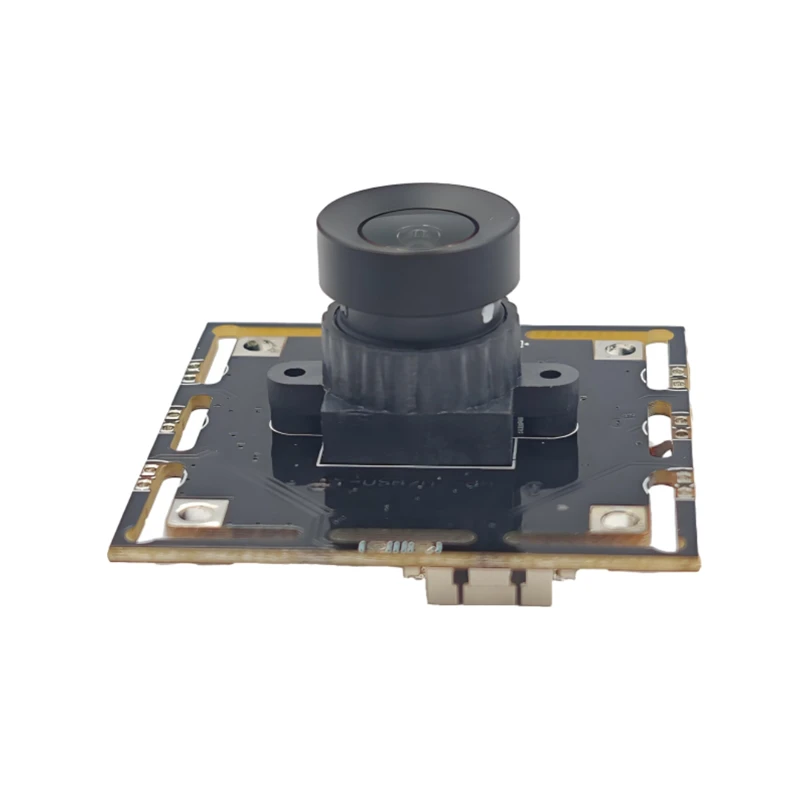
MY-USB1M818A Global Exposure Usb Camera Module With 1mp Hd Video
-
-
-
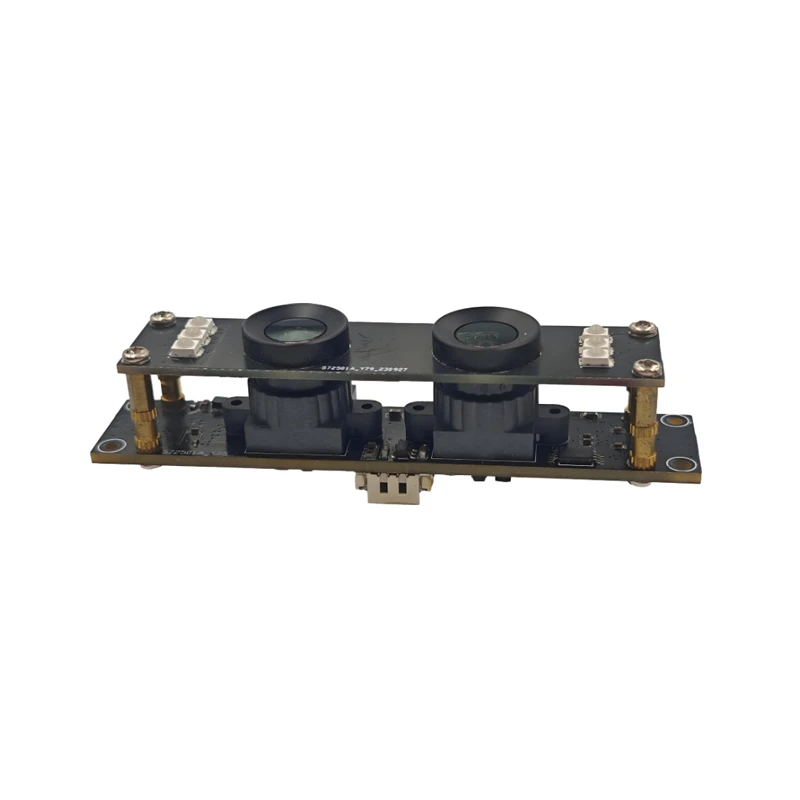
MY-DC52M-A1 Dual Lens Wide Dynamic Range Usb2.0 Camera Module With HD Video 5mp+2mp
-
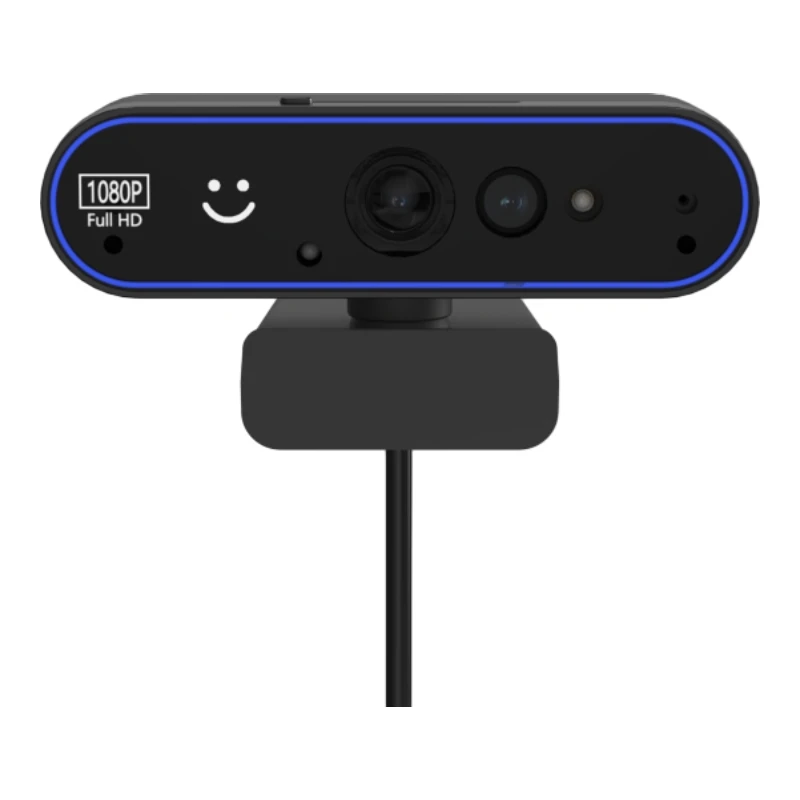
MY-WHC700 Windows Hello Face Recognition Binocular USB Camera
-
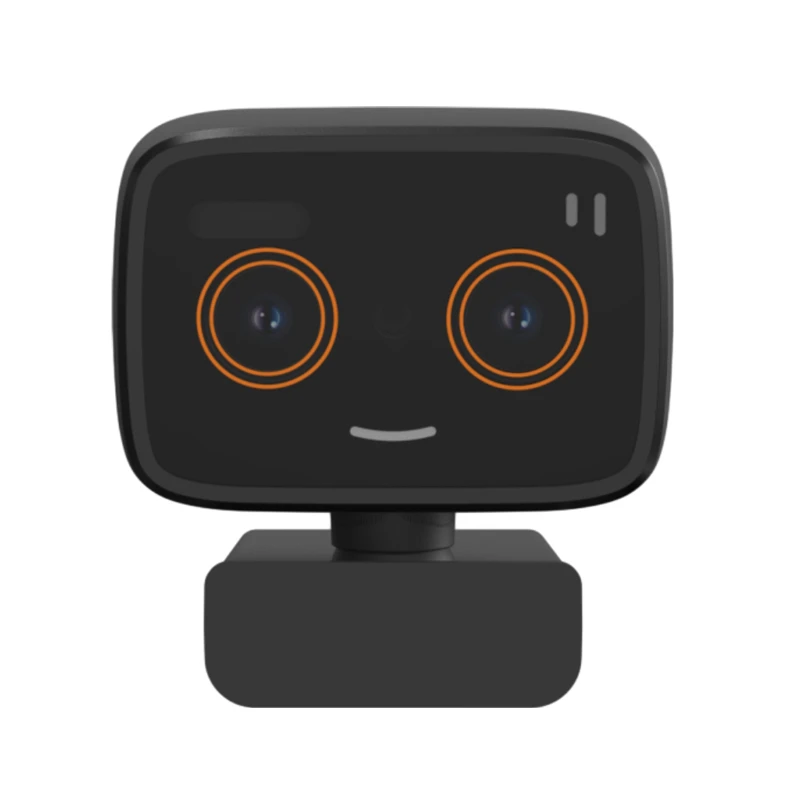
MY-DC-260-A1 Dual Lens Usb2.0 Web Camera With High-definition Video 2mp+2mp
-
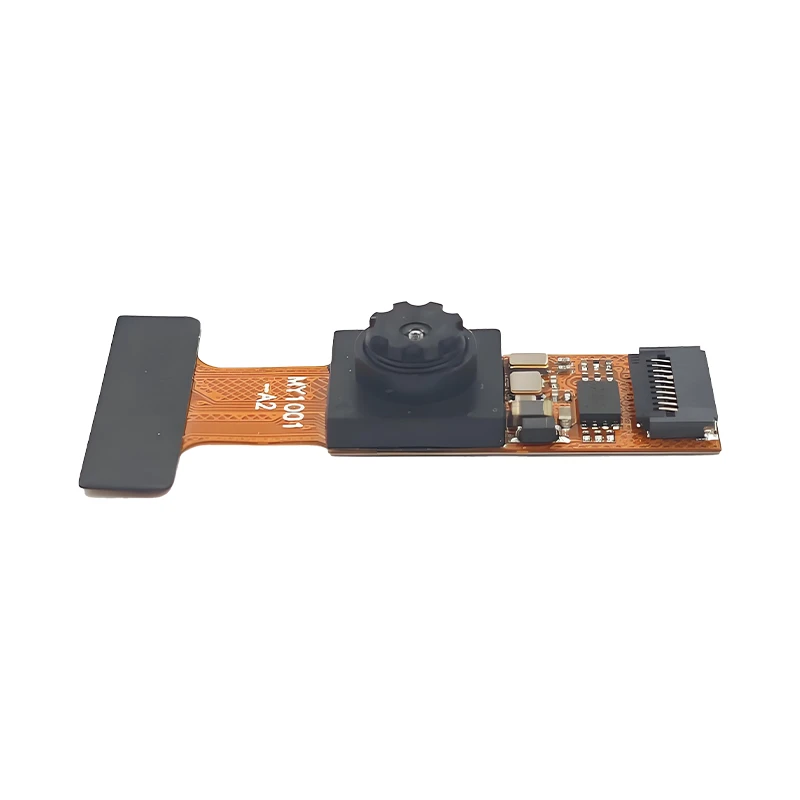
MY-1001-A2 AI Tracking, Gesture Recognition, Sitting Posture Detection Smart Camera Module
-
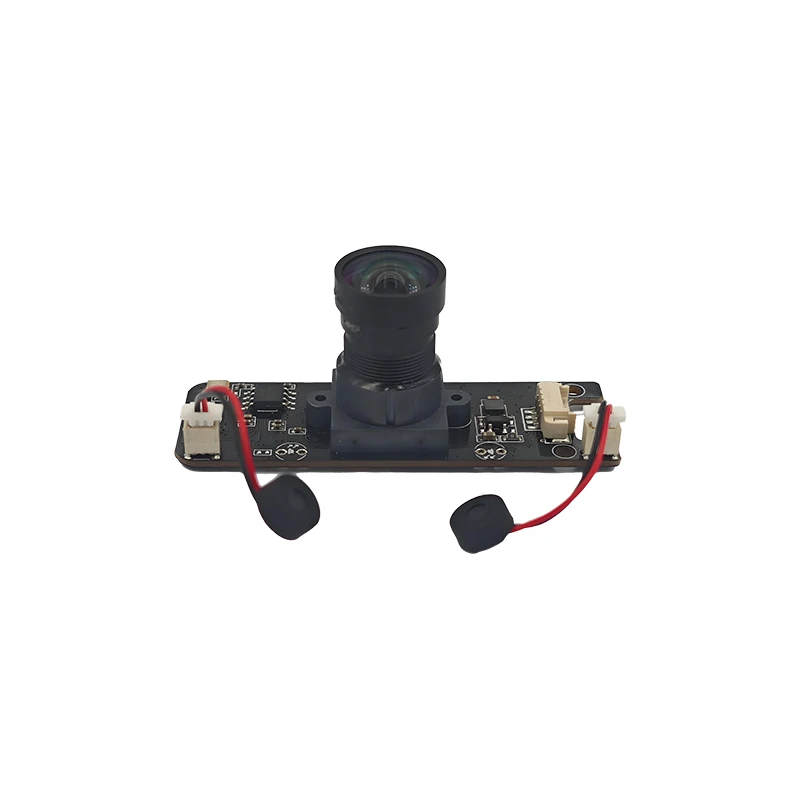
MY-USB8M158A 4K Resolution HD Video Driver-Free USB Camera Module With Microphone
