The integration of high-resolution imaging into compact electronic systems has revolutionized how industries approach visual data collection. A 5mp usb camera module represents the perfect equilibrium between image clarity and system efficiency, providing enough detail for complex analytical tasks without overloading processing bandwidth. In an era where machine vision and remote monitoring are becoming standard, choosing the right sensor resolution is critical for operational success.
Globally, the demand for versatile imaging components is surging as IoT devices and industrial automation systems migrate toward smarter, more autonomous frameworks. The 5mp usb camera module has emerged as a preferred choice for developers who require a step up from standard 1080p clarity but need to maintain a small physical footprint and low power consumption. This balance makes it an indispensable tool for everything from medical diagnostics to high-end consumer electronics.
Understanding the technical nuances of these modules—from pixel density to USB interface speeds—allows engineers to build more reliable and scalable products. By focusing on a 5mp usb camera module, businesses can achieve professional-grade imagery that supports AI-driven analysis and real-time quality control, ensuring a competitive edge in an increasingly digital marketplace.
Global Industry Context of 5mp USB Camera Modules
The global landscape for imaging sensors has shifted toward "purpose-built" resolutions. While 4K is ideal for cinema, the industrial and commercial sectors often find that a 5mp usb camera module provides the optimal data-to-bandwidth ratio. According to industry trends aligned with ISO standards for electronic components, there is a marked increase in the deployment of mid-range resolution sensors in edge computing devices, where processing power is limited but visual precision is mandatory.
The primary challenge addressed by this specific resolution is the "bottleneck effect" seen in lower-resolution modules that lack detail, and higher-resolution modules that cause system latency. By utilizing a 5MP sensor, manufacturers can implement sophisticated OCR (Optical Character Recognition) and object detection without requiring expensive, high-power GPU clusters to process every frame in real-time.
Defining the 5mp USB Camera Module Architecture
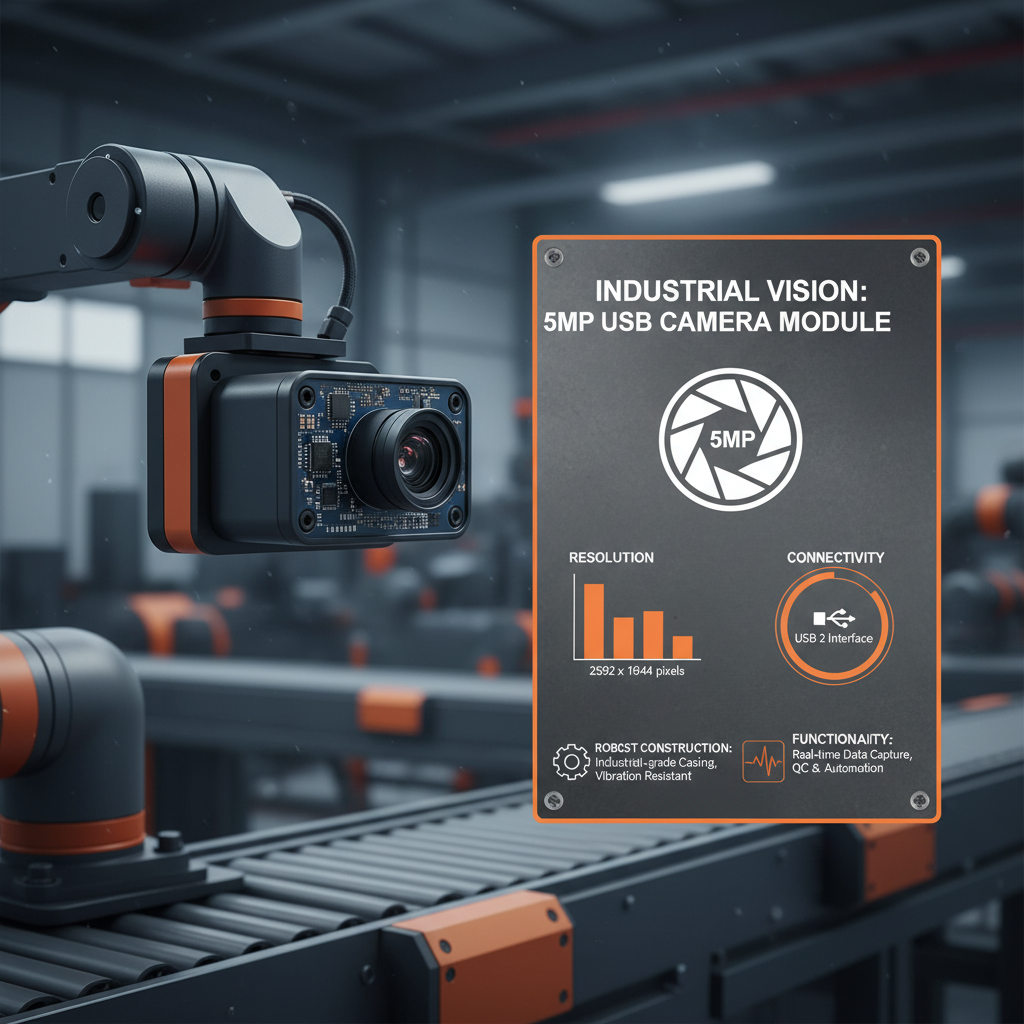
At its core, a 5mp usb camera module is a self-contained imaging system comprising a CMOS sensor, a lens assembly, and a USB controller interface. Unlike traditional webcams, these modules are designed for OEM integration, meaning they can be embedded directly into kiosks, medical devices, or industrial robots. The "5MP" designation refers to the five million pixels available to capture an image, typically offering a resolution around 2592 x 1944 pixels.
This architecture is specifically designed to bridge the gap between basic monitoring and high-precision inspection. In humanitarian contexts, such as remote telehealth in underserved regions, these modules allow for the capture of clear dermatological or ocular images that can be transmitted over standard USB connections to specialists worldwide, bringing high-quality diagnostic tools to the edge of the network.
Furthermore, the "USB" aspect ensures "Plug-and-Play" (PnP) compatibility via UVC (USB Video Class) protocols. This eliminates the need for custom drivers in most operating systems, drastically reducing the development time for software engineers and allowing for rapid deployment across diverse hardware platforms, from Windows and Linux to Android-based embedded systems.
Core Components for High-Performance Imaging
The efficacy of a 5mp usb camera module depends heavily on the quality of its CMOS sensor. The sensor is responsible for converting light into electrical signals; a high-quality sensor ensures low noise levels even in suboptimal lighting, which is critical for industrial environments where lighting is often inconsistent.
Lens selection is the second pillar of performance. Whether using a fixed-focus lens for wide-area monitoring or an auto-focus (AF) lens for detailed inspection, the glass quality determines the sharpness of the 5MP output. A poorly matched lens will render the high pixel count useless by introducing chromatic aberration or blurring at the edges of the frame.
Lastly, the signal processing unit within the module handles the compression and transmission of data. For a 5mp usb camera module, the balance between JPEG compression (for speed) and YUY2 raw formats (for quality) is managed here, allowing the end-user to prioritize either frame rate or image fidelity depending on the application.
Practical Performance Metrics and Efficiency
When evaluating the efficiency of imaging hardware, engineers look at the trade-off between resolution and latency. A 5mp usb camera module typically operates at a frame rate that supports real-time monitoring while maintaining enough detail for AI algorithms to identify small defects in a manufacturing line.
The following data illustrates how the 5MP configuration compares to other common resolutions in terms of performance ratings across key industrial metrics, such as clarity, data overhead, and integration speed.
Comparative Performance of USB Camera Resolutions
Global Applications and Real-World Use Cases
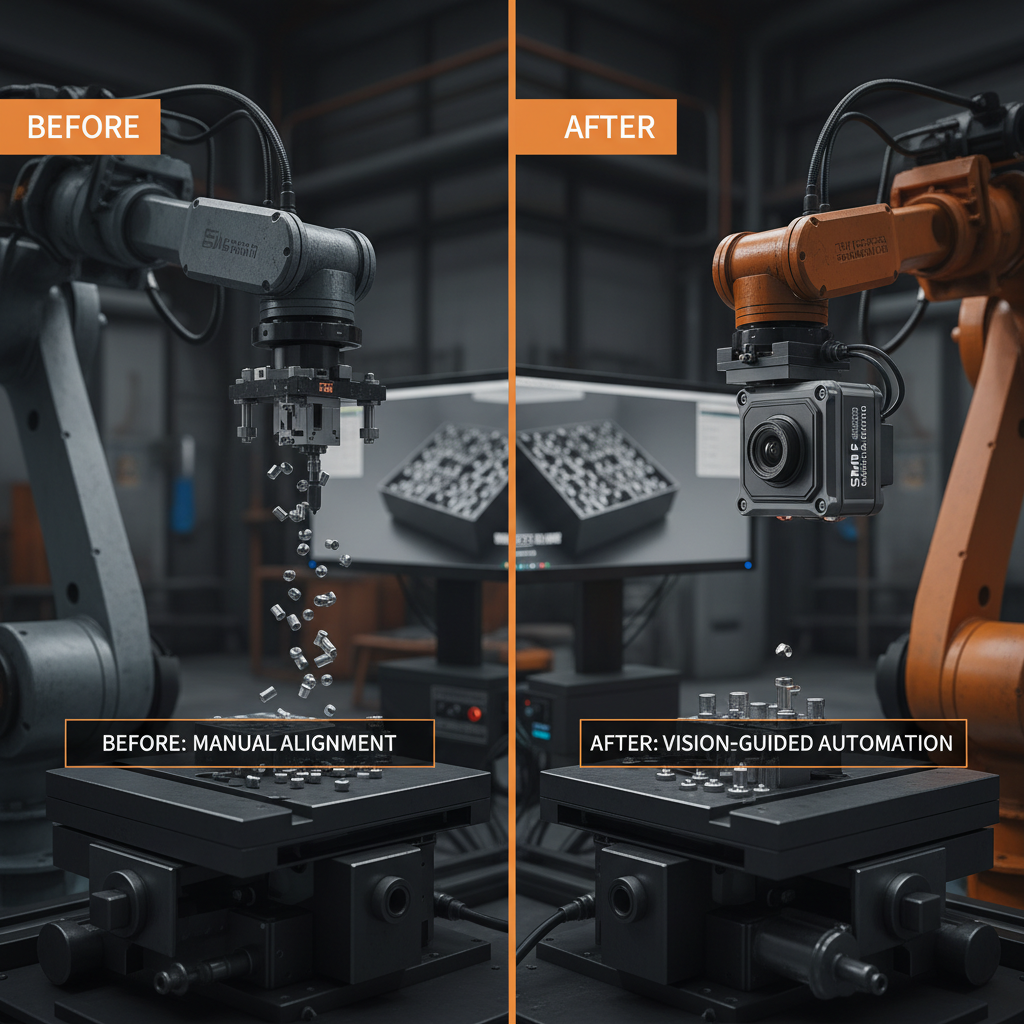
In the realm of industrial automation, the 5mp usb camera module is widely used for Automated Optical Inspection (AOI). For instance, in electronics manufacturing in Southeast Asia, these modules are integrated into robotic arms to verify the placement of surface-mount components on PCBs. The 5MP resolution provides the necessary precision to detect solder bridges or missing components that a 2MP sensor might overlook.
Beyond the factory floor, these modules are critical in the development of smart city infrastructure. In European urban centers, 5MP sensors are being integrated into traffic management systems to read license plates and detect road hazards. Because they are USB-based, they can be easily upgraded or replaced without overhauling the entire system architecture, ensuring that city infrastructure remains sustainable and adaptable.
Long-Term Value and Strategic Advantages
The strategic value of investing in a 5mp usb camera module lies in its future-proofing capabilities. As AI models become more efficient, they can extract more meaningful data from the same 5MP image. This means that hardware deployed today can be enhanced via software updates in the future, extending the product lifecycle and reducing electronic waste.
From a cost-benefit perspective, the 5MP module offers a "sweet spot" for ROI. It avoids the prohibitive costs of specialized industrial cameras while delivering performance that far exceeds consumer-grade webcams. This allows startups and SMEs to implement high-tech visual quality control systems without needing massive initial capital expenditures.
Moreover, the reliability of USB-based imaging ensures higher uptime. The standardized nature of the connection means that maintenance teams can swap modules quickly, minimizing downtime in critical environments such as pharmaceutical labs or automated warehouses where every minute of inactivity results in significant financial loss.
Future Innovations in USB Camera Technology
Looking forward, the evolution of the 5mp usb camera module is closely tied to the rise of "Edge AI." We are seeing a transition where the image processing—such as noise reduction and object highlighting—happens directly on the camera module's ISP (Image Signal Processor) rather than on the host computer. This reduction in data transmission will further lower latency and power consumption.
Sustainability is also becoming a core driver. New materials in lens manufacturing are reducing the reliance on rare earth elements, while power-efficient CMOS sensors are extending the battery life of portable devices. The shift toward USB-C integration is also allowing for faster data transfer rates and integrated power delivery, enabling more complex 5MP modules to operate without external power sources.
Finally, the convergence of 5MP imaging with depth-sensing technology (like ToF or Stereo Vision) is creating "intelligent eyes" for robotics. By combining a standard 5mp usb camera module with an infrared sensor, devices can now perceive 3D space with high color accuracy, paving the way for more advanced autonomous delivery drones and assistive robotics for the elderly.
Technical Comparison and Suitability Matrix for 5MP USB Modules
|
Application Scenario
|
Priority Metric
|
Recommended Lens
|
Performance Score (1-10)
|
| PCB Inspection |
Sharpness/Detail |
Macro Fixed Focus |
9.5 |
| Medical Imaging |
Color Accuracy |
Auto-Focus Glass |
9.0 |
| Retail Kiosks |
Field of View |
Wide Angle |
8.5 |
| Security Monitoring |
Low-Light Performance |
Low-Light Optimized |
8.0 |
| Drone Navigation |
Weight/Latency |
Ultra-Compact Fixed |
8.8 |
| Telehealth Kit |
Ease of Use |
Variable Focus |
9.2 |
FAQS
The primary advantage is the significant increase in image detail and pixel density. A 5MP module allows for higher digital zoom capabilities without immediate pixelation and provides the necessary resolution for AI-based object recognition and high-precision industrial inspection, which 2MP sensors often struggle with in complex environments.
Most professional 5MP modules are UVC (USB Video Class) compliant. This means they are recognized as standard imaging devices by almost all modern operating systems, including Windows, macOS, and Linux, allowing for "Plug-and-Play" integration without the need for custom driver installation.
Yes, provided you choose a module with a high-sensitivity CMOS sensor or an integrated IR-cut filter. Many 5MP USB modules are designed specifically for industrial use, featuring adjustable gain and exposure settings to maintain image clarity even in dim environments.
Higher resolutions generally require more bandwidth. While 5MP offers great detail, the frame rate may be lower than a 0.3MP or 2MP module if using uncompressed formats. However, by utilizing MJPEG compression, most 5MP modules can maintain smooth, real-time video streams suitable for monitoring.
Absolutely. Since Android supports UVC drivers in most versions, these modules are ideal for Android tablets or embedded boards. They are frequently used in handheld diagnostic tools and smart kiosks powered by Android OS.
For close-up or "macro" inspection, a fixed-focus lens with a short focal length is recommended. This ensures that the focus is locked at the specific distance required for your inspection task, maximizing the sharpness of the 5MP sensor.
Conclusion
The 5mp usb camera module stands as a pivotal technology in the bridge between basic imaging and high-end professional vision systems. By offering a strategic blend of resolution, ease of integration via USB, and cost-efficiency, it empowers industries to implement smarter automation, better medical diagnostics, and more reliable security systems. Its ability to support both current needs and future AI-driven enhancements makes it a sustainable choice for any hardware development project.
As we move toward a world of ubiquitous intelligence, the role of precise, accessible imaging will only grow. For developers and business owners, adopting high-quality 5MP imaging solutions is not just about upgrading a component, but about enhancing the overall capability of their products to perceive and interact with the physical world. To explore the best-in-class imaging solutions for your next project, visit our website: www.szmyccm.com.